Honda Collision Mitigation Braking System Problem: Diagnosing Malfunctions And Solutions
Last Updated on May 5, 2026 by Ryan
Modern vehicles are increasingly equipped with advanced safety features, and Honda’s Collision Mitigation Braking System (CMBS) stands as a cornerstone of their Honda Sensing suite. However, like any complex automotive system, the Honda CMBS can sometimes exhibit malfunctions, leading to frustrating warning lights, false alarms, or, critically, a failure to activate when needed, leaving drivers concerned about their safety and the integrity of their vehicle’s systems. This detailed guide will demystify common Honda CMBS problems, explain their underlying causes, and provide a comprehensive blueprint for diagnosing, troubleshooting, and resolving these issues, ensuring your Honda’s safety features operate as intended.
Honda collision mitigation braking issue? These cover diagnosis and the most common fix:


As an Amazon Associate we earn from qualifying purchases.
Understanding the Honda Collision Mitigation Braking System (CMBS)


Honda’s Collision Mitigation Braking System (CMBS) is a sophisticated safety technology designed to help drivers avoid or reduce the severity of frontal collisions. Integrated into the comprehensive Honda Sensing suite, CMBS operates by continuously monitoring the road ahead, actively seeking potential hazards. Understanding its operational framework is fundamental to effectively diagnose and resolve any issues.

📤 Share Image
The core components of CMBS work in concert: a front radar sensor typically located in the lower grille or behind the Honda emblem, a camera mounted near the rearview mirror, an Electronic Control Unit (ECU) that processes data, and the vehicle’s existing brake actuator. The radar sensor detects the distance and speed of objects ahead, while the camera identifies object types (vehicles, pedestrians, road signs) and lane markings. The ECU rapidly analyzes this input, comparing it against complex algorithms that factor in range, speed difference, and object recognition to determine collision risk. For instance, if a vehicle ahead suddenly brakes, as in a typical traffic scenario, or a pedestrian steps into the path, the system’s algorithms assess the threat.
CMBS intervention occurs in three progressive stages, typically above 3 mph: initially, visual and audible warnings alert the driver. If the risk escalates and the driver takes no action, the system applies light, momentary braking, accompanied by seat belt tensioning. Finally, if a collision becomes imminent, CMBS initiates strong, autonomous braking to mitigate impact severity. This layered approach allows the driver opportunities to react while providing a critical safety net. CMBS is a standard feature in many modern Honda models, including the
Common Symptoms and Indicators of CMBS Malfunction in Honda Vehicles


Identifying when your Honda’s CMBS is not performing as intended is the first step toward a resolution. Malfunctions can manifest in various ways, ranging from subtle electronic glitches to more alarming behaviors. Recognizing these symptoms is key to accurately describing the issue to a service professional for effective diagnosis and repair.
Dashboard Warning Lights and Messages
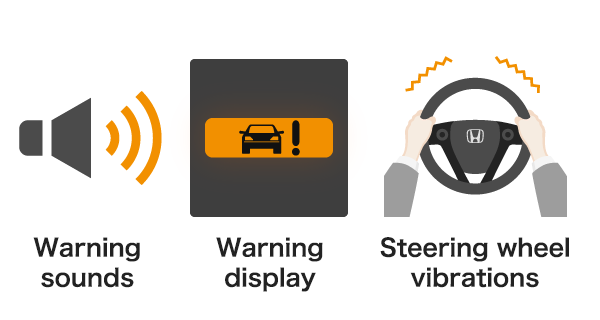
The most immediate indicator of a CMBS problem is typically a dashboard warning light. This might include a dedicated CMBS indicator light, often depicting a vehicle colliding with an object, or a generic ‘Check System’ message. More specific messages like ‘CMBS Problem‘ or ‘CMBS Temporarily Unavailable‘ can appear on the multi-information display. These warnings signal that the system has detected an internal fault or is operating under conditions that prevent its normal function. For instance, in a Honda Pilot, heavy rain or a dirty windshield could trigger a ‘CMBS Temporarily Unavailable’ message.
False Alarms or Phantom Braking
One of the more unsettling symptoms is false alarms or phantom braking. This occurs when the CMBS activates unexpectedly, issuing warnings or even applying brakes, despite no genuine obstacle being present. Common scenarios include CMBS activating when passing a parked car too closely, driving under a low bridge, or navigating sharp turns near guardrails or metallic objects that can reflect radar signals oddly. While rare, ‘false positives’ are a known characteristic across various ADAS systems, not exclusively a Honda CMBS problem, often triggered by strong electromagnetic interference or specific road structures.
Failure to Activate When Needed
Conversely, a critical malfunction is the failure of CMBS to activate when a potential collision is genuinely imminent. This means no warnings are issued, and no braking intervention occurs, even when a clear and present danger is detected. This issue is particularly concerning as it compromises the core safety function of the system. Diagnosing this requires careful observation and, often, professional testing to confirm the system’s responsiveness.
Intermittent System Deactivation and Reduced Performance
The CMBS system may also intermittently turn off or become unavailable, sometimes without a clear cause beyond environmental factors. This might present as the system working fine for a period, then suddenly deactivating, only to reactivate later. Furthermore, reduced sensor performance due to environmental factors like heavy fog, snow, or direct sunlight can limit the system’s range and reliability, often accompanied by the ‘CMBS Temporarily Unavailable’ message or similar alerts, indicating the system cannot guarantee full functionality. These environmental interferences are typically temporary and resolve once conditions improve.
Always note the exact message displayed on your dashboard and the conditions under which it occurred. This information is invaluable to technicians during the diagnostic process, helping them troubleshoot more efficiently.

Diagnosing the Root Causes of Honda CMBS Problems: A Technical Approach


Pinpointing the exact cause of a CMBS malfunction requires a systematic, technical approach. As an expert, I’ve seen a wide range of issues, and understanding the potential culprits is crucial for effective repair. The complexity of these integrated systems means a proper diagnostic process is paramount.
Sensor Obstruction or Damage
One of the most frequent causes of CMBS issues, accounting for approximately 70% of reported problems, is related to the sensors. A dirty radar sensor (often behind the grille), a misaligned camera (behind the rearview mirror), or a cracked windshield affecting the camera’s view can severely impair the system’s ability to “see” the road. Physical damage from even minor impacts, such as a low-speed fender bender in a Honda HR-V, can cause the radar sensor to become misaligned, leading to inaccurate readings and system faults. The CMBS relies on precise angular and positional data, making even slight deviations problematic.
Wiring and Electrical Issues
Electrical integrity is vital for CMBS operation. Loose connections, corroded terminals, or damaged wiring harnesses can disrupt the flow of data and power to the sensors and the ECU. These issues often manifest as intermittent problems, as a slight vibration or temperature change can cause a connection to fail or reconnect. A professional technician using a Honda Diagnostic System (HDS) can read specific Diagnostic Trouble Codes (DTCs), such as U0401 (Invalid Data Received from ECM/PCM), which often point to communication problems between modules.
ECU (Electronic Control Unit) or Software Glitches
The CMBS control module, a dedicated ECU, is the brain of the system. A corrupted software installation, an outdated firmware version, or a faulty CMBS control module itself can lead to erratic behavior or complete system failure. Honda often releases service bulletins detailing known software updates to address CMBS performance quirks or specific false alarm scenarios. DTCs like P0123 (Sensor Output High) might indirectly indicate an ECU processing error if the sensor itself tests fine.
Brake System Components
Since CMBS ultimately applies braking force, any underlying issues with the conventional brake system can affect its performance. Problems with the brake booster, master cylinder, or the ABS (Anti-lock Braking System) module can directly impact the CMBS’s ability to modulate and apply braking pressure effectively. A fault in the ABS system, for example, could prevent CMBS from engaging the brakes even if it detects a collision, leading to a critical failure to activate. The CMBS system relies on the ABS/VSA module to physically control brake pressure.
Vehicle Alignment and Calibration
This is a frequently overlooked but critical factor. Vehicle alignment, specifically the front-end geometry, directly influences the orientation of the front radar sensor. If the wheels or suspension are misaligned, the radar sensor’s angle relative to the road can be incorrect, leading to inaccurate object detection or phantom braking. Modern CMBS systems require specialized calibration equipment after a windshield replacement (for the camera) or even after minor front-end work or suspension repairs (for the radar). This is a crucial step many independent shops may unfortunately overlook, highlighting the importance of certified Honda technicians.
By The Numbers
Sensor-Related Issues
CMBS ECU Replacement
Resolved by Owner Actions
Troubleshooting and Resolving Honda CMBS System Malfunctions
When faced with a CMBS issue, a structured approach can help you resolve simpler problems or effectively prepare for professional intervention. Some issues can be addressed at home, while others demand expert tools and knowledge to debug and repair.
Initial User Checks and Workarounds
Before consulting a professional, some fundamental checks can often resolve seemingly complex CMBS issues. Approximately 20-30% of CMBS ‘problems’ are resolved by these simple owner actions. These steps are designed to troubleshoot common sensor obstructions or temporary glitches.
📋
Step-by-Step Guide: Initial CMBS Checks
Thoroughly clean the front radar sensor, usually located in the lower grille or behind the Honda emblem. Use a soft cloth and mild soap. Simultaneously, clean the windshield area where the camera housing is located, ensuring no dirt, bugs, or snow obstruct its view. A step-by-step guide for cleaning involves gentle wiping to avoid scratching the sensitive surfaces. This is often the quickest way to resolve a ‘CMBS Temporarily Unavailable’ message.
A weak or dying 12V battery can cause erratic behavior across various electronic systems, including CMBS. Ensure your battery terminals are clean and tight, and consider having its charge and cranking amps tested. A marginal battery can lead to low voltage signals and trigger false error codes, potentially leading to a CMBS problem.
For some models, a brief disconnection of the 12V battery (typically 5-10 minutes, then reconnecting) can reset the vehicle’s ECUs and clear temporary glitches. Always consult your owner’s manual for specific battery disconnection procedures and warnings, as this can affect other electronic settings. Some infotainment systems also allow for resetting driver-assist features, providing a less invasive reset option. This can occasionally resolve intermittent CMBS errors.
Professional Diagnostic Services
If basic troubleshooting fails, professional intervention is necessary to accurately diagnose and resolve the issue. For persistent warning lights, confirmed false alarms, or a critical failure to activate, you must seek expert help. A Honda dealership or a certified independent specialist equipped with a Honda Diagnostic System (HDS) can perform advanced scanning to retrieve specific DTCs from the CMBS module, pinpointing the exact component at fault. They possess the tools for precise sensor recalibration, especially vital after a bumper replacement requiring accurate radar sensor recalibration, or a windshield replacement affecting the camera.
Software Updates and Firmware Reflashes
One common solution for complex CMBS issues involves software updates and firmware reflashes. Honda frequently releases updates to improve the system’s performance, address known bugs, or refine the detection algorithms. Ensuring the CMBS control unit has the latest software version from Honda is a primary diagnostic and repair step for technicians. These updates can often resolve phantom braking or intermittent deactivation issues. This service typically requires specialized equipment only available at authorized service centers.
Never attempt to replace CMBS components yourself unless you are a qualified technician with specialized calibration tools. Incorrect installation or calibration of sensors can severely compromise the system’s accuracy and lead to critical safety failures. Repair costs can vary significantly; a sensor replacement can cost upwards of $800-$1500 (excluding labor and calibration), while a faulty CMBS ECU might range from $1000-$2000.
Preventative Maintenance to Mitigate Future CMBS Issues in Your Honda
Proactive maintenance and mindful habits are critical for ensuring the long-term reliability of your Honda’s CMBS and preventing recurring issues. Investing a little time and attention now can save significant hassle and expense down the road. Preventing a CMBS problem is always better than having to repair or resolve one.
Regular Cleaning of Sensor Areas
Make it a routine to regularly clean the front radar sensor area (typically in the lower grille or behind the Honda emblem) and the windshield camera housing. This simple act can reduce CMBS false alarm incidents by up to 50%. Incorporate sensor cleaning into your weekly car wash routines, particularly during seasons with heavy rain, snow, or insects. Even a thin layer of grime can impair sensor performance.
Mindful Driving Habits
While CMBS is designed to assist, overly aggressive driving in adverse weather conditions (heavy snow, fog, torrential rain) can confuse sensors and potentially trigger temporary deactivations or false alarms. Maintaining appropriate following distances and reducing speed in poor visibility conditions allows the system to operate optimally within its design parameters.
Professional Inspections During Routine Service
During your Honda’s standard oil changes or annual maintenance, always request a CMBS system check. Most dealership service departments offer CMBS diagnostic checks as part of their comprehensive inspection packages. These checks can identify potential issues early, such as minor sensor misalignment, before they escalate into full-blown malfunctions. This proactive approach helps resolve problems before they become critical.
Avoiding Aftermarket Modifications
Be extremely cautious with aftermarket modifications to the front of your vehicle. Non-OEM grille guards, lift kits, or even poorly installed aftermarket bull bars on a Honda Ridgeline can partially obscure the radar sensor’s field of view or alter its angle, directly interfering with CMBS performance. Similarly, dashboard cameras or GPS units placed improperly on the windshield can block the camera’s line of sight. Honda recommends using only genuine Honda parts and accessories to ensure full system compatibility and functionality.
Staying Informed on Recalls and Service Bulletins
Regularly check Honda’s official website or consult your dealership for any relevant CMBS-related recalls or service bulletins pertaining to your specific model year. Manufacturers occasionally identify and address systemic issues through these channels, sometimes offering extended warranties or free software updates to resolve known CMBS quirks. Staying informed is a simple yet effective way to mitigate potential future problems.
Honda’s CMBS is a vital safety system, relying on complex sensor and ECU integration. Malfunctions manifest as warnings, false alarms, or system deactivation, often due to sensor obstructions, electrical issues, or calibration problems. Initial troubleshooting involves cleaning sensors and checking battery health; persistent issues require professional diagnosis and potential repair. Regular maintenance and awareness of system limitations are key to preventing future CMBS problems and ensuring optimal safety. If you suspect a CMBS problem in your Honda, commence with basic visual checks and cleaning. For persistent or complex issues, immediately consult a certified Honda technician to diagnose and resolve the underlying cause, ensuring your vehicle’s safety systems are fully operational.
Frequently Asked Questions
Why does my Honda CMBS light come on randomly?
A random CMBS light often indicates a temporary sensor obstruction or a transient system glitch. Common culprits include a dirty radar sensor (located in the lower grille) or a blocked windshield camera (behind the rearview mirror). Adverse weather like heavy rain, fog, or snow can also temporarily trigger the light. Less commonly, it could signal an intermittent electrical issue or a need for software updates. Always inspect for physical obstructions first.
Can I drive my Honda with the CMBS warning light on?
While your Honda is generally safe to drive with the CMBS warning light on, it signifies that the collision mitigation braking system itself is currently deactivated or impaired. This means you will not receive its warnings or automatic braking assistance. It’s advisable to have the issue diagnosed and resolved promptly by a professional to restore full safety functionality, especially given the critical role CMBS plays in accident prevention.
How much does it cost to repair a Honda CMBS problem?
Repair costs for a Honda CMBS problem vary significantly. Simple fixes like cleaning a dirty sensor are free. Recalibrating a sensor after a minor impact might cost $200-$500. Replacing a faulty radar sensor or CMBS control unit can range from $800 to over $2000, including parts, labor, and necessary calibrations. Always get a diagnostic estimate from a Honda dealership or a reputable independent specialist.
Does CMBS work in all weather conditions?
Honda’s CMBS is designed to operate in various conditions, but its effectiveness can be significantly reduced or temporarily impaired by severe weather. Heavy rain, dense fog, snow, or ice can obscure the radar sensor and camera, leading to reduced performance or system deactivation with a ‘Temporarily Unavailable’ message. It’s crucial for drivers to remain vigilant and not solely rely on ADAS features in challenging conditions.
Can aftermarket accessories interfere with Honda CMBS?
Yes, aftermarket accessories can definitely interfere with Honda CMBS. Items like non-OEM grilles, bull bars, light bars, or even poorly positioned dash cameras can obstruct the radar sensor or the forward-facing camera, leading to malfunctions or false readings. Always ensure any accessories are installed professionally and do not impede the critical sensors required for CMBS operation. Consult your Honda dealer before installing significant exterior modifications.