Acura RDX Years to Avoid: Spotting Unreliable Models
Last Updated on September 1, 2026 by Ryan


When buying a used Acura RDX, it’s crucial to know which model years have common reliability issues. The 2007-2009 RDX models often report turbocharger and SH-AWD problems, while 2013-2015 and 2019-2020 RDXs have documented AC and infotainment glitches, respectively. Informed buyers can avoid these potential pitfalls.
🎯 Key Takeaways
- Prioritize RDX years 2010-2012, 2016-2018 for reliability.
- Avoid 2007-2009 RDX models due to turbocharger concerns.
- Be wary of 2013-2015 RDXs for AC system potential issues.
- Scrutinize 2019-2020 RDX models for infotainment bugs.
- Always get a pre-purchase inspection for any used RDX.
While the Acura RDX generally holds a reputation for reliability, not all model years are created equal. If you’re considering a used RDX, understanding which specific years have significant, recurring problems is crucial. Ignoring these known issues can lead to unexpected, costly repairs and a frustrating ownership experience, turning a smart purchase into a financial headache.
This guide will pinpoint the Acura RDX model years to approach with caution. We’ll detail the primary, most severe mechanical and technological issues associated with these models, helping you make an informed decision and potentially save thousands in maintenance down the road. Focus on these specifics to avoid common pitfalls.
Identifying Problematic Acura RDX Model Years
When evaluating used Acura RDX models, two distinct periods stand out for their elevated rates of owner complaints and significant mechanical or technological issues. These are primarily the early years of the first generation and the initial rollout of the third generation.
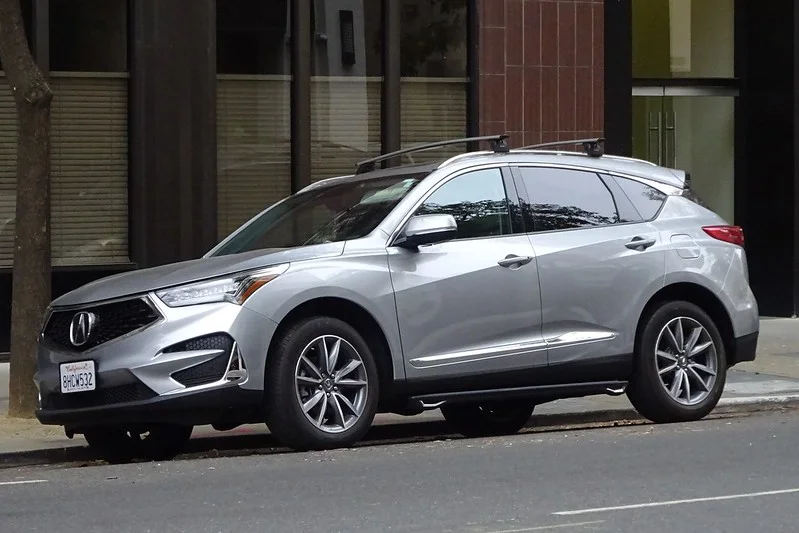
The First Generation’s Early Woes (2007-2009)
The very first generation of the Acura RDX, produced from 2007 to 2012, introduced the brand’s turbocharged engine and Super Handling All-Wheel Drive (SH-AWD). While innovative, the initial model years, specifically 2007, 2008, and 2009, are frequently cited for mechanical problems that can be both costly and pervasive. These early models often present a higher risk due to:
- Widespread power steering pump failures, leading to fluid leaks and noise.
- Frequent A/C compressor failures, leaving owners without functional air conditioning.
- Reports of torque converter shudder, indicating potential transmission issues.
- Some instances of turbocharger wastegate actuator problems, affecting engine performance.
These issues often stem from component design flaws or quality control challenges in the nascent stages of this new platform.
Early Third Generation Challenges (2019-2020)
The completely redesigned third generation RDX, launched in 2019, brought significant technological advancements and a return to a turbocharged engine. However, the initial 2019 and 2020 model years experienced their own set of teething problems, predominantly concerning complex electronic systems and drivetrain refinement:
- Persistent infotainment system malfunctions, including freezing, lagging, and connectivity issues.
- Numerous complaints about the 10-speed automatic transmission exhibiting harsh or hesitant shifts.
- Recurring brake noise concerns, often proving difficult to resolve.
- Involvement in a widespread fuel pump recall that can lead to engine stalling.
While Acura has released software updates for many of these issues, the initial reliability concerns make these years less desirable compared to the generally robust second generation (2013-2018) or later third-gen models (2021+).
Common Issues and Reported Concerns for Each Generation
Let’s dive deeper into the specific problems that plague the identified RDX model years, understanding their symptoms, potential causes, and the financial implications of their repair.
Critical Mechanical Failures in the 2007-2009 RDX
For the early first-generation RDX, mechanical integrity is the primary concern. These issues are often expensive and can significantly impact the driving experience.
- Power Steering Pump Failure:
- Symptoms: A noticeable whining noise from the engine bay, especially when turning the steering wheel, fluid leaks (often visible around the pump or reservoir hose), and increased effort required to turn the steering wheel, particularly at low speeds.
- Cause: Internal seal degradation within the pump, or faulty high-pressure hoses prone to leakage. This was a known weak point across several Honda/Acura models from this era.
- Repair Costs: Expect to pay anywhere from $400 to $800 for pump replacement, potentially more if the power steering rack-and-pinion is damaged from prolonged low fluid levels. While not a recall for RDX, service bulletins addressed these issues.
- A/C Compressor Failures:
- Symptoms: The air conditioning system blows only warm air, a distinct rattling or grinding noise coming from the engine bay when the A/C is engaged, or the compressor clutch failing to engage.
- Cause: Common issues include internal bearing failure or electrical problems with the compressor clutch coil.
- Repair Costs: This is a high-cost repair, typically ranging from $800 to $1,500 or more for compressor replacement, along with refrigerant recharge and system inspection.
- Torque Converter Shudder:
- Symptoms: A distinct vibration or shuddering sensation, often described as driving over “rumble strips,” typically occurring when accelerating between 30-50 mph and the transmission shifts gears.
- Cause: Often linked to internal wear of the torque converter, degradation of transmission fluid, or solenoid issues within the transmission. This is a common problem with Honda’s J-series V6 automatic transmissions, impacting the RDX with its similar components.
- Repair Costs: A transmission fluid flush might be attempted first ($200-$400), but often a full torque converter replacement ($1,500-$3,000+) or even transmission overhaul is required, making it a very expensive fix.
Major Technological & Drivetrain Glitches in the 2019-2020 RDX

The early third-generation RDX models faced significant challenges primarily related to their advanced technology and new powertrain components, impacting daily usability.
- Infotainment System Malfunctions:
- Symptoms: The central touchscreen freezing, lagging significantly in response to inputs, Apple CarPlay or Android Auto frequently disconnecting, random system reboots, and the trackpad becoming unresponsive.
- Cause: Primarily attributed to software bugs and potentially underpowered hardware in the initial production runs. These were complex systems newly introduced to the RDX.
- Resolution: Acura issued numerous software updates to address these problems. While some issues were mitigated, many owners reported lingering frustrations, and persistent glitches remain a common complaint. Hardware replacement is costly if needed out of warranty.
- 10-Speed Automatic Transmission Harshness:
- Symptoms: Noticeable jerking or clunky shifts, especially during low-speed driving or when the transmission downshifts. Some owners report hesitation or rough engagement from a stop.
- Cause: Often linked to early transmission software calibration or inherent characteristics of the new, more complex 10-speed automatic unit.
- Resolution: Software updates were provided, and some owners noted improvements. However, for others, the issue persists. A transmission fluid exchange might offer some relief, but a full transmission repair or replacement would be extremely expensive.
- Fuel Pump Recall (2019-2020):
- Symptoms: This is a significant safety concern. Affected vehicles may experience the engine stalling while driving, or failing to start.
- Cause: A defective fuel pump impeller that can crack and deform, leading to reduced fuel pressure and eventual pump failure. This recall affected numerous Honda and Acura models.
- Resolution: A widespread, federally mandated recall was issued. It is absolutely critical to verify that any 2019 or 2020 RDX you consider has had this recall performed by checking its Vehicle Identification Number (VIN) with an Acura dealership.
<h2>What to Check: A Buyer’s Guide to Used RDX Models</h2>
<p>Even if you’re looking at a generally reliable RDX year, a thorough inspection is non-negotiable. Not all vehicles are treated equally, and past neglect can turn a good model year into a money pit. Knowing what specific problem areas to scrutinize can save you significant headaches down the road.</p>
<h3>Key Areas of Inspection</h3>
<p>When test driving and inspecting an RDX, pay close attention to the following:</p>
<ul>
<li><strong>Transmission Performance:</strong> This is critical, especially for early 2nd-gen models (2013-2015). During your test drive, note how the transmission shifts. Is it smooth and precise, or do you feel jerking, slipping, or delayed engagements? Listen for any unusual noises during gear changes. Try driving at various speeds, including highway, to assess its behavior under different loads.</li>
<li><strong>Engine and Turbocharger (1st Gen):</strong> For 2007-2012 RDXs, listen carefully for any abnormal noises from the engine. A high-pitched whine or excessive oil consumption could signal turbo issues. Check the exhaust for blue smoke upon startup or acceleration, which often indicates burning oil. Verify that the engine oil has been regularly changed.</li>
<li><strong>Electrical Components and HVAC:</strong> Test every button, switch, and electronic feature. This includes power windows, sunroof, navigation system, infotainment, and especially the air conditioning and heating. A malfunctioning HVAC system can be costly to repair and might indicate deeper electrical issues.</li>
<li><strong>Suspension and Brakes:</strong> Drive over bumps and rough patches to listen for clunks or squeaks, suggesting worn suspension components. Check for vibrations when braking or a spongy pedal, which could point to brake issues.</li>
</ul>
<h3>The Importance of Service Records</h3>
<p>Detailed service records are your best friend when buying a used RDX. They provide a transparent history of the vehicle’s care and can reveal potential red flags. Look for:</p>
<ul>
<li><strong>Regular Maintenance:</strong> Evidence of consistent oil changes, fluid flushes (especially transmission fluid), and scheduled service intervals.</li>
<li><strong>Resolved Recalls:</strong> Confirmation that any manufacturer recalls have been addressed. You can also check this with the VIN on NHTSA’s website.</li>
<li><strong>Major Repairs:</strong> Documentation of any significant repairs, especially to the engine, transmission, or turbocharger. This helps you understand the car’s history and if recurrent issues were present.</li>
</ul>
<p>A well-maintained RDX, even from a potentially problematic year, often performs better than a neglected one from a “good” year.</p>
<h2>Generally Reliable RDX Years and Smart Buying Advice</h2>
<p>While focusing on years to avoid is crucial, it’s equally helpful to know which RDX models have generally stood the test of time, giving you a better starting point for your search. Combining this knowledge with smart buying practices ensures you drive away with confidence.</p>
<h3>Spotting the Stronger Generations</h3>
<p>Based on owner reports and expert reviews, certain RDX model years stand out for their robust reliability:</p>
<ul>
<li><strong>Late 2nd Generation (2016-2018):</strong> After the 2016 facelift, Acura refined the 2nd generation, improving its nine-speed automatic transmission and updating infotainment. These years generally offer a more polished and reliable experience than their earlier 2nd-gen counterparts.</li>
<li><strong>3rd Generation (2019-Present):</strong> The current generation of the RDX, introduced in 2019, consistently receives high marks for reliability. It features a new 2.0L turbocharged engine and a 10-speed automatic transmission that have proven to be quite dependable. These models also offer the latest in technology and safety features, making them an excellent choice if your budget allows.</li>
</ul>
<p>Remember, a newer model often means a higher price tag, but the reduced risk of major repairs can offset the initial cost.</p>
<h3>Beyond the Year: Proactive Buying Steps</h3>
<p>Even when targeting reliable years, diligence is key. Here’s how to stack the odds in your favor:</p>
<ul>
<li><strong>Obtain a Vehicle History Report (VHR):</strong> Services like CarFax or AutoCheck can reveal accident history, previous owners, service records, and title issues. This is a non-negotiable step before serious consideration.</li>
<li><strong>Independent Pre-Purchase Inspection (PPI):</strong> Always, <em>always</em> have a trusted, independent mechanic inspect any used RDX you’re considering. They can spot underlying issues that even a careful buyer might miss. This small investment can save you thousands.</li>
<li><strong>Thorough Test Drive:</strong> Don’t just drive around the block. Take the car on various roads – city streets, highway, and even some bumps. Pay attention to how it handles, accelerates, brakes, and shifts. Listen for unusual noises and feel for any vibrations or pulls.</li>
<li><strong>Check for Recalls:</strong> Use the car’s VIN to check for any outstanding safety recalls on the NHTSA website. Ensure any unresolved issues are addressed before purchase.</li>
</ul>
<p>By combining knowledge of problematic years with these proactive steps, you significantly increase your chances of finding a reliable Acura RDX.</p>
<h2>Conclusion</h2>
<p>Navigating the used car market for an Acura RDX doesn’t have to be a guessing game. While the RDX generally boasts Acura’s reputation for quality, specific model years, particularly the <strong>early 1st generation (2007-2009)</strong> with its turbo and SH-AWD concerns, and the <strong>early 2nd generation (2013-2015)</strong> due to transmission issues, require extra caution. Focus your search on the more refined <strong>2016-2018 models</strong> or the robust <strong>2019-present 3rd generation</strong> for greater peace of mind.</p>
<p>Remember, a comprehensive pre-purchase inspection by a trusted mechanic and a thorough review of service records are your ultimate safeguards. Do your homework, ask the right questions, and don’t rush the process. With careful research, you can confidently find an Acura RDX that delivers years of reliable driving pleasure.</p>
❓ Frequently Asked Questions
What are the primary reasons to avoid the 2007-2009 Acura RDX models?
The first-generation 2007-2009 RDX models are often highlighted for potential issues with their turbocharger, which can lead to expensive repairs, and reported problems with the Super Handling All-Wheel Drive (SH-AWD) system components. Buyers should also be mindful of higher fuel consumption for these early turbo models.
What specific issues should I look out for in 2013-2015 Acura RDX models?
For the 2013-2015 RDX, common complaints include premature failure of the AC condenser or compressor, leading to costly air conditioning repairs. Some owners have also reported minor transmission hesitations or shifts, though not as severe as problems in other brands.
Why are 2019 and 2020 Acura RDX models sometimes recommended to avoid?

The initial years of the third-generation RDX (2019-2020) were plagued by widespread complaints about the infotainment system, including freezing, reboots, and connectivity issues. While many were addressed by software updates, hardware failures could still be a concern for early units.
How important is a pre-purchase inspection (PPI) when buying an RDX from a potentially problematic year?
A pre-purchase inspection (PPI) by an independent mechanic is absolutely critical when considering an RDX from a known problematic year. It can uncover hidden issues like failing turbochargers, AC leaks, or electrical faults that might not be immediately apparent, saving you significant money and headaches down the road.
Are there any generally reliable Acura RDX years that offer good value?
Yes, the facelifted second-generation models (2016-2018) are generally considered very reliable, offering modern features and proven powertrains. The later first-generation models (2010-2012), while still having the turbo, often had fewer issues than their earlier counterparts and can represent good value.
What is the most common and expensive problem in the RDX years to avoid?
For the 2007-2009 RDX, the most common and expensive problem is often related to the turbocharger, which can fail and require a costly replacement. For newer models, major AC repairs (condenser/compressor) in 2013-2015 RDXs or persistent infotainment hardware issues in early 3rd-gen models can also be quite expensive.