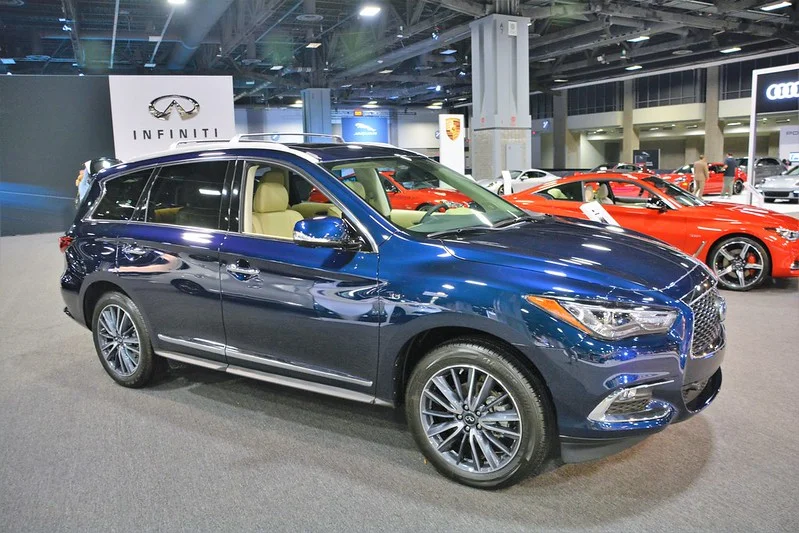
Infiniti QX60 Years to Avoid: Spotting Common Reliability Issues
Last Updated on September 1, 2026 by Ryan
The first generation Infiniti QX60 (2013-2016), particularly models equipped with the continuously variable transmission (CVT), are generally the years to approach with caution due to documented reliability concerns. Specific issues include premature CVT failure, electrical glitches, and suspension problems, which can lead to costly repairs. Newer models, especially post-2017, show improved reliability.
🎯 Key Takeaways


- Avoid 2013-2016 QX60 models due to CVT risks.
- Prioritize pre-purchase inspection for all used QX60s.
- Budget for potential CVT repair or replacement costs.
- Consider 2017+ QX60 models for improved reliability.
- Verify all recall completion for any used QX60.
If you’re considering a used Infiniti QX60, understanding its reliability track record is crucial. Not all model years are created equal, and some come with well-documented, potentially costly problems that you’ll want to avoid. Our research points to specific generations and years that have significantly higher rates of consumer complaints and mechanical failures, particularly concerning the critical powertrain components.

Knowing these problematic years upfront can save you thousands in repair bills and prevent a frustrating ownership experience. This isn’t about general used car advice; it’s a deep dive into the specific weaknesses of the QX60, focusing on the model years where these issues were most prevalent and impactful. We’ll help you identify the particular years to approach with extreme caution, allowing you to make a more informed purchase decision.
Identifying the Most Problematic Infiniti QX60 Years


The first generation of the Infiniti QX60, particularly its early production years, carries the heaviest burden of reliability concerns. These models were among the first to widely implement a specific generation of Continuously Variable Transmission (CVT) that proved to be a consistent source of trouble for many owners. You need to be especially wary of these initial releases.
📤 Share
💾 Download
The Troubled First Generation (2013-2016)
- 2013-2016 Model Years: These years are unequivocally the most problematic for the Infiniti QX60. The primary culprit is the Jatco JF017E CVT transmission, which was prone to premature failure. Owners frequently reported symptoms like shuddering, hesitation, loss of power, and eventually, complete transmission failure.
- Pre-Facelift Era: These models represent the pre-2017 facelift design. While aesthetics are subjective, the mechanical underpinnings, especially the transmission, were still in their less refined state. Recalls were issued for some of these years (e.g., a 2013-2014 recall for CVT software reprogramming to address shuddering), but these often only mitigated symptoms rather than solving the underlying design flaws.
- Engine Concerns: While the 3.5-liter V6 (VQ35DE) engine itself is generally robust, these early years also saw some isolated reports of excessive oil consumption and timing chain issues, though less widespread than the CVT problems. The combination of potential powertrain issues makes these years a significant gamble for buyers seeking long-term reliability.
Later Years with Lingering Concerns (2017-2019)
While Infiniti made some improvements to the QX60 (including a facelift and minor mechanical tweaks) starting in the 2017 model year, the shadow of the CVT reliability persisted. You might find fewer catastrophic failures, but these years still present a notable risk compared to the competition.
- Improved, But Not Problem-Free: The 2017-2019 models benefited from updated CVT software and some internal refinements. This led to a decrease in the most severe, immediate failures. However, long-term durability remained a question mark for many, with some owners still experiencing CVT-related issues as mileage accumulated.
- Other Emerging Issues: As powertrain issues somewhat stabilized, other electrical and accessory complaints became more prominent for these mid-generation models. Owners reported problems with the infotainment system, power windows, HVAC components, and various sensors. These, while often less catastrophic than a transmission failure, still represent frustrating and potentially expensive repairs.
- Suspension Wear: Premature wear of suspension components, such as struts and bushings, was also noted in some vehicles from these years, leading to ride quality degradation and additional maintenance costs. While not a deal-breaker on its own, it adds to the overall reliability picture you should consider.
Common Reliability Issues and Their Impact


Understanding what goes wrong is just as important as knowing when it goes wrong. For the problematic QX60 years, specific components consistently fail, leading to significant repair bills and a diminished ownership experience. These aren’t minor inconveniences; they often involve core mechanical systems.
The Notorious CVT Transmission Problems
The Continuously Variable Transmission is the single biggest reliability hurdle for the earlier QX60 models. Infiniti’s implementation of the Jatco CVT in the 2013-2019 QX60 faced widespread criticism and numerous owner complaints. If you’re looking at one of these years, assume the CVT is a potential ticking time bomb.
- Symptoms of Failure: Watch out for tell-tale signs like a distinct shudder or vibration during acceleration, especially at lower speeds or under load. Other common symptoms include a noticeable hesitation or lag when you press the accelerator, a whining noise from the transmission, or the vehicle entering “limp mode” where power is severely restricted. In severe cases, the transmission can fail completely, leaving you stranded.
- Underlying Causes: Experts attribute these failures to various factors, including internal belt slippage, issues with the valve body, and inadequate cooling leading to excessive fluid temperatures. These stresses often cause internal components to wear prematurely, leading to erratic operation and eventual breakdown.
- Repair Costs: A CVT replacement is incredibly expensive. You can expect to pay anywhere from $3,000 to $8,000 for a new or remanufactured transmission, plus labor. Even rebuilding the existing unit can cost several thousand dollars with no guarantee of long-term reliability. This single repair often exceeds the depreciated value of the vehicle, making it a financial black hole.
Engine and Other Significant Headaches
While the CVT takes center stage, other components of the problematic QX60 years also warrant your attention. These issues, though perhaps less frequent than transmission woes, can still lead to substantial repair costs and impact your vehicle’s performance and safety.
- VQ35DE Engine Issues: The 3.5L V6 engine, while generally praised for its power delivery, wasn’t entirely fault-free in these early QX60 applications. Some owners reported higher-than-normal oil consumption, which can lead to premature engine wear if not constantly monitored. Less commonly, timing chain tensioner issues or stretched timing chains could develop, manifesting as a rattling noise, and requiring expensive repairs that can run into the thousands of dollars.
- A/C System Failures: A surprisingly common complaint for various years of the first-gen QX60 involves the air conditioning system. Owners reported issues ranging from refrigerant leaks to compressor failures, particularly in the evaporator unit. Repairing these can be labor-intensive, often requiring dashboard removal, with costs easily reaching $1,000 to $2,000.
- Suspension and Steering Component Wear: Premature wear of front suspension components, such as struts, control arm bushings, and wheel bearings, is also a frequently cited problem. These issues contribute to a less comfortable ride, increased road noise, and can impact handling and safety. Replacements for these components can range from a few hundred to over a thousand dollars per axle, depending on the parts involved.
Understanding Infiniti QX60 Reliability Trends and Improvements
While some early Infiniti QX60 models faced specific reliability challenges, it’s important to recognize that Infiniti has continuously refined the vehicle over its production run. Understanding these trends and improvements can significantly inform your purchasing decision, helping you pinpoint the years that offer a more robust ownership experience.
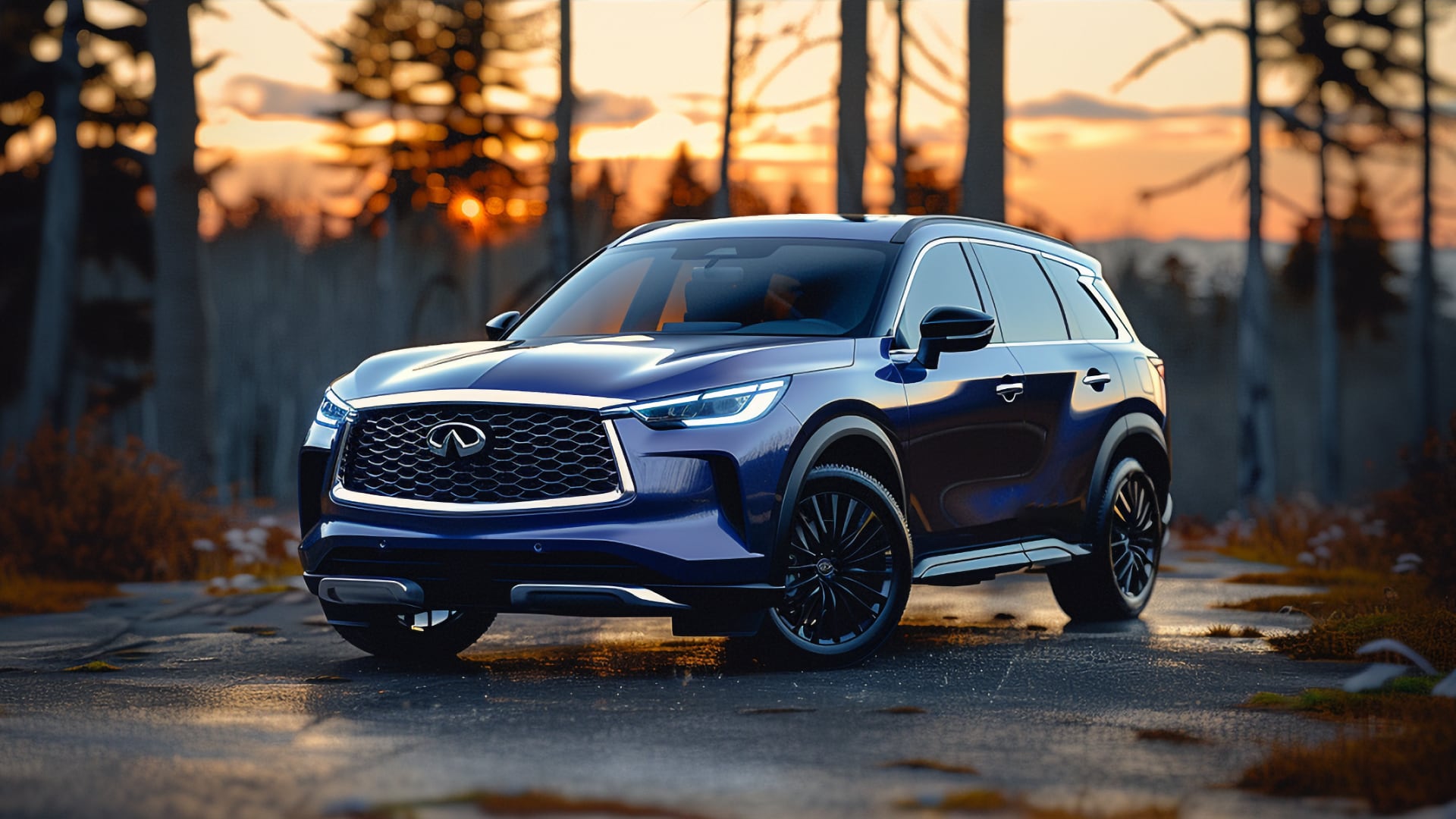
Key Updates and Their Impact on Reliability
A notable turning point for the first-generation QX60 came with the 2016 model year facelift. This update wasn’t merely cosmetic; it brought crucial engineering enhancements designed to address prior criticisms. The most significant change was a recalibration and refinement of the Continuously Variable Transmission (CVT). While still a CVT, the updated unit aimed for smoother operation and improved durability, mitigating some of the concerns associated with earlier versions.
- 2016 Facelift: Beyond the CVT improvements, the 2016 model also saw revisions to the suspension for a more controlled ride and a quieter cabin, signaling Infiniti’s commitment to enhancing overall vehicle quality and driver satisfaction.
- Second Generation (2022+): The introduction of the second-generation QX60 starting in the 2022 model year marked a complete overhaul. This new generation ditched the CVT entirely, opting instead for a traditional 9-speed automatic transmission paired with a more powerful 3.5-liter V6 engine. This move was a direct response to consumer feedback and a strategic decision to boost performance and long-term reliability by moving away from the CVT, which was a point of contention for many buyers of the previous generation.
These generational shifts demonstrate a clear effort by Infiniti to learn from past experiences and deliver a more reliable and satisfying luxury SUV.
Identifying Stronger Model Years
Based on the improvements discussed, certain model years stand out as potentially more reliable choices. If you’re considering a first-generation QX60, focusing on models from 2016 onwards is generally a safer bet due to the CVT refinements and other quality-of-life improvements. While not entirely immune from issues, these later first-gen models tend to exhibit fewer of the widespread complaints found in the earliest batches.
For those with a higher budget, the 2022 and newer QX60 models present the most significant leap in potential reliability, primarily due to the brand-new conventional automatic transmission. While these models are still relatively new for comprehensive long-term data, their design choices specifically target areas of past concern, making them attractive options for buyers prioritizing modern reliability. Always remember that even the strongest model years benefit from consistent maintenance and careful ownership.
Expert Tips for Buying a Used Infiniti QX60
Navigating the used car market for an Infiniti QX60 requires a strategic approach, especially when considering model years that might have known issues. With the right due diligence, you can significantly reduce the risk and increase your chances of finding a reliable vehicle that serves your family well for years to come.
The Importance of a Thorough Inspection
Regardless of the model year you’re considering, a pre-purchase inspection (PPI) by an independent, trusted mechanic is non-negotiable. This is perhaps the single most critical step in buying any used vehicle. An expert eye can spot potential problems that might be invisible to the average buyer, providing peace of mind or saving you from a costly mistake. For a QX60, specifically ask your mechanic to:
- Examine the CVT (for 2013-2020 models): Check the fluid condition (should be bright red, not brown or burnt-smelling), listen for unusual noises during a test drive, and assess its overall responsiveness.
- Inspect Suspension Components: QX60s can sometimes experience premature wear in bushings, struts, or control arms, especially on models driven on rougher roads.
- Check Electrical Systems: Ensure all infotainment features, sensors, power windows, and climate control systems are fully functional.
- Assess Engine and Transmission Mounts: Worn mounts can lead to excessive vibration and noise.
A reputable mechanic will provide a detailed report, allowing you to negotiate repairs or walk away if the vehicle’s condition is unsatisfactory.
Decoding Service History and Warranty Information
A vehicle’s service history is a window into its past care and potential future needs. Always request a detailed service record report, ideally from a CarFax or AutoCheck report, which often includes maintenance performed at dealerships or certified shops. Look for consistent oil changes, transmission fluid services (especially important for CVT models), and any records of significant repairs or parts replacements.
- Regular Maintenance: Evidence of regular, timely maintenance suggests a responsible previous owner, which is a strong indicator of a well-cared-for vehicle.
- Open Recalls: Check the VIN against manufacturer recall databases to ensure all outstanding recalls have been addressed.
- Warranty Status: For newer used models, investigate if any factory warranty remains transferable. For older models, consider the value of an aftermarket extended warranty, particularly if you’re eyeing a model year that falls within the “years to avoid” categories. This extra protection can be a valuable safeguard against unexpected repair costs.
By combining a thorough inspection with a detailed review of the vehicle’s history, you empower yourself to make a confident and informed decision.
Making an Informed Decision About Your Infiniti QX60
Choosing a used Infiniti QX60 doesn’t have to be a gamble. While early model years, particularly 2013-2015, presented some reliability concerns primarily centered around the CVT, Infiniti has made significant strides in addressing these issues in subsequent models. The 2016 facelift brought valuable refinements, and the second-generation QX60 (2022 onwards) introduced a completely new, more robust powertrain, eliminating the CVT altogether.
Your best approach is to arm yourself with knowledge. Prioritize later first-generation models (2016-2020) if a CVT is acceptable, or target the 2022+ models for a traditional automatic transmission experience. Always, always invest in a professional pre-purchase inspection and meticulously review the vehicle’s service history. With careful research and due diligence, you can confidently find a reliable and luxurious Infiniti QX60 that perfectly suits your needs and budget.
❓ Frequently Asked Questions
Why are the 2013-2016 Infiniti QX60 models specifically years to avoid?
These model years, particularly when sold as the JX35 in 2013, commonly feature a first-generation CVT transmission that experienced significant failure rates. Owners frequently report issues like shuddering, loss of power, and complete transmission breakdown, leading to expensive repairs often exceeding several thousand dollars.
What are the specific symptoms of CVT failure in the Infiniti QX60?
Common symptoms include hesitation during acceleration, a loud whining noise from the transmission, a feeling of ‘slipping gears,’ delayed engagement, and ultimately, a complete loss of propulsion. These issues often manifest around the 80,000 to 120,000-mile mark, though some may occur earlier.
Have there been any recalls related to the Infiniti QX60’s transmission or engine?
Yes, there have been recalls, particularly concerning the CVT for issues like transmission fluid leaks or inadequate cooling in some early models. It’s crucial to check the NHTSA database for any specific model year you are considering and ensure all applicable recalls have been addressed by a certified dealer.
Which Infiniti QX60 model years are considered more reliable options?
The QX60 saw significant improvements in reliability from the 2017 model year onwards, with updated CVT designs and fewer reported major mechanical issues. The second-generation QX60 (2022+) also represents a major redesign with a traditional automatic transmission, addressing prior CVT concerns entirely and offering enhanced reliability.
What should I look for during a pre-purchase inspection of an Infiniti QX60, especially an older model?
Beyond standard checks, specifically focus on the transmission’s performance during a test drive, listening for unusual noises or signs of hesitation, especially during acceleration. Check for service records indicating regular CVT fluid changes and inspect for any fluid leaks around the transmission or engine bay to identify potential problems early.
Are there any extended warranties or service campaigns for the QX60’s known issues?
Infiniti did extend the warranty for some 2014-2016 QX60 CVTs to 10 years/120,000 miles due to widespread issues, but this has likely expired for most vehicles by now. Always inquire about service history and any available powertrain warranty when purchasing a used model, and consider an aftermarket extended warranty for older units.