How To Remove Dent From Car Fix Car Dents At Home Step 2026
Last Updated on September 1, 2026 by Albert Duke
Removing car dents yourself can save you money and restore your vehicle’s appearance. We provide step-by-step instructions and practical tips for tackling various types of common car dents.
Removing car dents yourself can save you money and restore your vehicle’s appearance. We provide step-by-step instructions and practical tips for tackling various types of common car dents.
- Assess dent type before attempting repair.
- Gather specific tools for your chosen method.
- Heat and cold methods work for shallow dents.
- PDR kits are effective for minor damage.
- Know when to consult professional body shops.
To remove dent from car, you can often use simple DIY methods depending on the damage type and severity. These techniques, ranging from paintless dent repair (PDR) kits to heat and cold applications, empower car owners to address minor imperfections cost-effectively in 2026.
Our comprehensive guide aims to equip you with the knowledge and steps needed to tackle common automotive ding removal at home. We will cover various home car dent solutions, helping you achieve a smoother vehicle body.
A good starting point is understanding the various types of car dents you might encounter.
Key Takeaways
Recommended Best Deal Products


- Assess dent type before attempting repair.
- Gather specific tools for your chosen method.
- Heat and cold methods work for shallow dents.
- PDR kits are effective for minor damage.
- Know when to consult professional body shops.
5 Common Car Dent Types for DIY Repair
Identifying the specific type of dent on your vehicle is the first crucial step before attempting any repair. Knowing the characteristics helps you choose the most effective method and assess DIY suitability.

Shallow Dings
Shallow dings are minor indentations, often caused by car doors or small falling objects. They typically don’t have sharp creases or paint damage. These small dent removal methods are frequently ideal candidates for DIY fixes like PDR kits.
Creased Marks
Creased marks involve a sharp line where the metal has been bent, indicating a more severe impact. The paint may be cracked along the crease. While some minor creases might be tackled carefully, they often require professional skill due to the metal stretching.
Round Indentations
Round indentations are smooth, bowl-shaped dents without sharp edges. They often result from blunt impacts, such as a ball hitting the car. Many round dents, especially those without paint damage, respond well to suction cup techniques and PDR.
Minor Hail Damage
Minor hail damage consists of multiple small, shallow, and round dents spread across panels. These usually do not involve paint chipping. Hail damage is a prime example of an extensive yet often DIY-friendly dent type, especially with PDR.
Plastic Bumper Imperfections
Plastic bumper imperfections are dents or distortions specifically on plastic bumper covers. Unlike metal, plastic can often be reshaped using heat. These dents are excellent candidates for home car dent solutions involving controlled heat application.
Once you’ve identified your dent type, proper preparation is essential before any repair begins.
How to Ready Your Vehicle for Repair Methods
Before attempting any dent removal, thoroughly preparing your vehicle is critical for both safety and success. This foundational step ensures a clean working environment and helps you accurately assess the damage.
Clean Affected Surface
Begin by washing the dented area and its surroundings with soap and water to remove dirt, grime, and wax. A clean surface allows for better adhesion of tools and prevents contaminants from scratching the paint during the repair process. Dry the area completely before proceeding.
Gather Necessary Tools
Collect all the tools and materials required for your chosen DIY car dent repair method. This might include a heat gun, compressed air, a PDR kit, suction cups, body filler, sandpaper, and polishing compounds. Having everything at hand streamlines the process and avoids interruptions.
Evaluate Damage Depth
Carefully inspect the dent’s depth and paint integrity under good lighting. Run your hand over the area to feel for sharp edges or significant deformation. Check for any cracks, chips, or deep scratches in the paint, as these will influence your repair approach and its potential success.
With your car prepared, let’s explore the specific techniques available for various dent removal situations.
What Methods Work Best for Specific Dent Shapes?
Choosing the right dent removal method depends entirely on the dent’s characteristics, including its size, depth, and location. Different techniques are optimized for various types of automotive ding removal.

Paintless Dent Removal
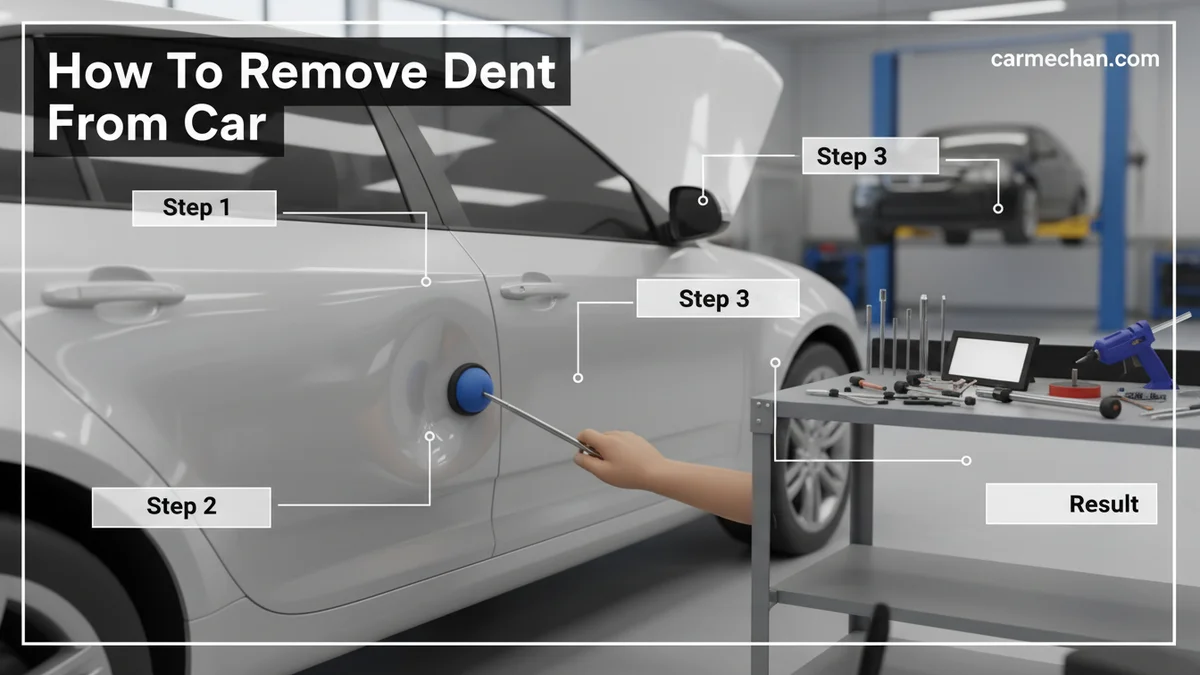
Paintless Dent Removal (PDR) is ideal for shallow, round dents or dings where the paint is undamaged. This method involves carefully manipulating the metal from behind or pulling from the front using specialized tools to restore the panel’s original shape. It is highly effective for minor hail damage and door dings.
Heat and Cold Treatment
The heat and cold method is primarily effective on plastic bumper imperfections or very shallow, broad dents in metal panels. Heating the area with a heat gun makes the material more pliable, while rapid cooling with compressed air can cause it to contract, sometimes popping the dent out. This technique works best on non-creased damage.
Suction Cup Techniques
Suction cup dent pullers are best suited for broad, shallow, and non-creased dents on relatively flat surfaces. The suction cup adheres to the dented surface, allowing you to pull the metal outwards. They are less effective on sharp creases, small dings, or areas with complex curves.
Filler and Sanding
Filler and sanding techniques are reserved for dents that are too deep or creased for PDR or heat/cold methods, especially when paint damage is present. Body filler is applied to fill the depression, then sanded smooth and painted to match the surrounding area. This method is suitable when preserving the original paint is not possible.
Knowing the methods is one thing; executing them correctly and safely requires precise steps.
How to Execute Each Dent Repair Technique Safely
Successfully repairing a car dent yourself hinges on careful execution of your chosen technique, always prioritizing safety. Follow these detailed steps for effective automotive ding removal.
Using PDR Kits
- Clean the dented area thoroughly and mark the dent’s perimeter.
- Apply hot glue to the PDR pull tab and firmly attach it to the center of the dent.
- Allow the glue to cure completely (typically 1-2 minutes).
- Attach the pulling bridge or slide hammer to the tab.
- Gently and incrementally pull or tap until the dent begins to rise.
- Once the dent is level, remove the tab by applying rubbing alcohol and gently prying it off. Clean any glue residue.
- Use a tap-down tool to carefully flatten any high spots, blending the repair seamlessly.
Applying Heat Carefully
- Clean the plastic bumper or metal panel around the dent.
- Use a heat gun on a low to medium setting, sweeping it evenly over the dented area from a distance of 6-8 inches.
- Heat the plastic until it becomes pliable, typically reaching 150-180°F (65-82°C) . For metal, heat just enough to make it warm to the touch.
- Immediately after heating, quickly spray the area with compressed air (held upside down for maximum cooling) or apply dry ice to rapidly cool it.
- For plastic, gently push the dent out from the backside while still warm, or use a suction cup if access is limited.
Operating Suction Tools
- Ensure the dented surface is clean, smooth, and dry for optimal suction.
- Moisten the edge of the suction cup with a small amount of water for better seal.
- Press the suction cup firmly onto the center of the dent, ensuring a strong vacuum.
- Activate the suction mechanism (lever, pump, or handle) to create a seal.
- With controlled force, pull the suction cup straight outwards. Do not twist or pry excessively.
- Repeat the process if necessary, repositioning the cup slightly each time until the dent pulls out.
Working With Fillers
- Clean and thoroughly sand the dented area with coarse-grit sandpaper (e.g., 80-grit) to create a rough surface for filler adhesion.
- Mix a small amount of body filler with the hardener according to product instructions, working quickly as it sets fast.
- Apply a thin, even layer of filler over the dent using a plastic spreader, pressing it firmly to fill all imperfections.
- Allow the filler to dry completely. Typical drying times vary, but can be 20-30 minutes at 70°F (21°C) .
- Sand the dried filler with progressively finer sandpaper (e.g., 180-grit, then 320-grit) until it is smooth and flush with the surrounding panel.
- Apply primer, sand again, and then paint to match your vehicle’s finish.
While many dents are fixable at home, some situations warrant professional attention to avoid costly mistakes.
When to Consult a Professional for Dent Repair
Despite the effectiveness of DIY methods for minor damage, certain dent characteristics strongly indicate the need for professional intervention. Knowing these limits prevents further damage and ensures a quality repair for your vehicle.
Extensive Paint Damage
If the dent has severely chipped, cracked, or scraped away a significant amount of paint, professional help is usually needed. DIY efforts might worsen the cosmetic issue, leading to rust or a mismatched finish. Professional shops can blend paint for an invisible repair.
Structural Panel Concerns
Dents located on structural components, such as the car’s frame, pillars, or crumple zones, should always be evaluated by a professional. Damage to these areas can compromise vehicle safety and integrity. A body shop can properly assess and repair structural damage.
Large or Sharp Creases
Dents that involve large, deep indentations or sharp, pronounced creases are often beyond DIY repair. These types of damage stretch the metal, making it very difficult to reshape without specialized tools and expertise. Attempting to fix them yourself can lead to further metal distortion.
Complex Body Lines
If a dent lies on a complex body line or a highly curved panel, it’s often best left to a professional. Maintaining the original contour of these areas requires a skilled hand and specialized tools that most DIY enthusiasts do not possess. Imperfect repairs on these lines are highly noticeable.
For instance, PDR for a large dent or complex creased damage might cost $300-$500 , making professional intervention a wise investment. Avoiding DIY errors saves money long-term.
After successfully repairing a dent, protecting your car’s finish is the final crucial step to maintaining its appearance.
How to Prevent Future Car Body Damage?
Once you’ve restored your car’s smooth finish, implementing preventative measures becomes paramount to avoid future dents and dings. Proactive steps can significantly reduce the likelihood of needing automotive ding removal again.
Regular Surface Protection
Applying wax or a ceramic coating regularly creates a protective barrier on your car’s paint. This layer offers some resistance against minor impacts and helps deflect small debris. Consistent protection can lessen the severity of potential small dent removal methods needed.
Mindful Parking Habits
Choosing parking spots away from high-traffic areas, shopping carts, or tight spaces reduces the risk of door dings. Parking further away from other vehicles or walls provides a buffer against accidental bumps. This simple habit is one of the most effective home car dent solutions.
Immediate Minor Repairs
Addressing minor chips or scratches promptly prevents them from worsening and potentially leading to larger issues. Small paint touch-ups protect the underlying metal from exposure and rust. Early intervention minimizes the need for extensive fixing vehicle body damage.
Quality Detailing Products
Using high-quality car wash and detailing products helps maintain the paint’s integrity and resilience. Gentle cleaning methods avoid introducing new swirl marks or minor imperfections that can make future dents more noticeable. Investing in good products supports your car’s longevity.
You likely have some specific questions about dent removal, which we’ll address next.
Your Top 5 Questions About Car Dent Removal Answered
Can I Fix Any Car Dent at Home?
No, not all car dents are suitable for DIY repair. Minor, shallow dents without paint damage are often fixable. Large, deep dents, those with creased metal, or damage near body lines usually require professional expertise to avoid further damage.
Does the Hot Water Method Really Work for Dents?
Yes, the hot water method can work for certain shallow, plastic bumper dents. Heating the plastic makes it more pliable, allowing you to push the dent out from behind. It is generally not effective for metal panels or sharp creases.
Are Suction Cup Dent Pullers Effective?
Suction cup dent pullers can be effective for broad, shallow dents on flat metal surfaces, particularly those where the metal has not been severely creased. They are less effective for smaller, sharper dents or on textured surfaces.
What Is the Easiest Dent to Remove?
The easiest dent to remove is typically a shallow, round ding on a flat, easily accessible metal panel with no paint damage. These often respond well to paintless dent repair (PDR) methods or even simple suction cup techniques.
Will Fixing a Dent Myself Void My Car Warranty?
Repairing a dent yourself might not void your entire car warranty, but it could void the warranty specific to the affected body panel or paint finish. Always check your vehicle’s warranty terms or consult a dealership if you are concerned.
Moving Forward After Fixing Your Car’s Dents
Successfully tackling how to remove dent from car on your own is a rewarding achievement, restoring both your vehicle’s appearance and your confidence. By understanding dent types, preparing meticulously, and applying the right techniques, you empower yourself with valuable car maintenance skills.
Remember that prevention is always the best strategy. Embrace mindful parking and regular car care routines to minimize future damage. While DIY methods are excellent for many common issues, knowing when to call in professionals for more complex damage protects your investment and ensures safety.
With this knowledge, you are well-equipped to maintain your car’s pristine condition in 2026 and beyond. Keep your vehicle looking its best with these practical tips.