How Often Does A Car Need An Alignment Proven Guide 2026
Last Updated on September 1, 2026 by Albert Duke



Your car typically needs an alignment every 1-2 years or every 10,000-15,000 miles, whichever comes first, even without obvious symptoms. However, specific events like hitting potholes or replacing suspension parts necessitate an immediate check.
Your car typically needs an alignment every 1-2 years or every 10,000-15,000 miles, whichever comes first, even without obvious symptoms. However, specific events like hitting potholes or replacing suspension parts necessitate an immediate check.
- Alignments prevent uneven tire wear.
- Schedule checks every 1-2 years.
- Bad alignment reduces fuel efficiency.
- Potholes are a common cause.
- Prompt alignment enhances driving safety.
The question of how often a car needs an alignment is crucial for vehicle longevity and safety, and generally, we recommend a proactive approach. Understanding optimal alignment frequency extends beyond just fixing noticeable problems. It’s about maintaining performance, ensuring safety, and protecting your investment in tires and suspension components.
Our comprehensive guide for 2026 will explore the recommended intervals, the tell-tale signs of misalignment, common causes, and the significant benefits of keeping your wheels properly aligned. We aim to provide clear, actionable insights for every car owner.
Key Takeaways
- Alignments prevent uneven tire wear.
- Schedule checks every 1-2 years.
- Bad alignment reduces fuel efficiency.
- Potholes are a common cause.
- Prompt alignment enhances driving safety.
When To Schedule Your Car’s Wheel Alignment
Understanding when to schedule your car’s wheel alignment involves both proactive maintenance and reacting to specific vehicle events. We advise a balanced approach to ensure your vehicle remains in top condition for 2026 and beyond.
Standard Interval Guidelines
For most vehicles, a general recommendation is to have your alignment checked every one to two years, or roughly every 10,000 to 15,000 miles. This routine check helps catch minor deviations before they escalate into significant issues. Many manufacturers don’t specify a strict alignment schedule, making these general guidelines from automotive experts valuable for preventative care.
After Tire Replacement
Installing new tires is an opportune moment for a wheel alignment. Even if your old tires wore evenly, the process of mounting new ones can sometimes slightly shift angles. Moreover, an alignment ensures your investment in new rubber lasts longer, preventing premature and uneven tire wear right from the start.
Post Suspension Work
Any service involving your vehicle’s suspension or steering components absolutely requires an immediate alignment check. Components like tie rods, ball joints, or shock absorbers directly influence wheel angles. Replacing them will alter the alignment, making a post-service check essential to restore proper geometry.
Yearly Vehicle Check-up
Incorporating an alignment check into your annual vehicle inspection is a smart strategy. Many service centers offer this as part of a comprehensive maintenance package. This yearly assessment helps ensure everything is within specification and provides peace of mind for the year ahead.
While proactive checks are vital, your car often provides clear signals that an alignment is urgently needed, even between scheduled services.
7 Clear Signs Your Car Needs Wheel Alignment
Beyond scheduled maintenance, your vehicle provides 7 clear signs it desperately needs a wheel alignment, alerting you to potential issues. Recognizing these symptoms early can save you money and enhance safety.
Vehicle Pulls Directionally
If your car consistently drifts or pulls to one side when driving on a straight, level road, it’s a classic sign of misalignment. You’ll find yourself needing to constantly correct the steering to keep the vehicle moving straight.
Uneven Tire Tread Wear
Inspect your tires regularly. Misalignment can cause specific wear patterns, such as feathering (one side of the tread block is higher than the other), cupping (scalloped or scooped-out depressions), or excessive wear on the inner or outer edges.
Off-Center Steering Wheel
When driving straight, your steering wheel should be centered. If it’s noticeably turned to the left or right, even when the car is going straight, your alignment is likely off.
Steering Wheel Vibrations
While often associated with unbalanced tires, steering wheel vibrations can also stem from a severe misalignment. This usually indicates that the wheels are fighting against each other or pulling in different directions.
Loose Steering Feel
If your steering feels vague, loose, or less responsive than usual, it could be a sign of alignment issues or worn steering components. There might be too much play in the steering wheel before the wheels respond.
Noisy Tire Performance
Misaligned tires can produce unusual noises, particularly squealing or humming, as they drag or scrub across the road surface. This noise often becomes more pronounced at higher speeds or during turns.
Poor Cornering Stability
A car with proper alignment feels stable and predictable through turns. If your vehicle feels unstable, squirrely, or difficult to control when cornering, an alignment check is highly recommended.
These symptoms are often the result of specific events or conditions that cause your car’s alignment to go awry in the first place.
5 Common Reasons Car Alignment Goes Bad


Even with careful driving, 5 common reasons exist why your car’s alignment can unexpectedly go bad, often requiring immediate attention. Understanding these helps you anticipate when an alignment check might be necessary.
Impact From Potholes
Hitting potholes is arguably the most frequent culprit for knocking a car’s alignment out of whack. The sudden jolt can bend or shift suspension components, altering wheel angles. Even seemingly small potholes can cause subtle misalignment over time.
Striking Curb Obstacles
Whether you’ve accidentally scraped a curb while parking or hit one at speed, the impact can severely affect your wheel alignment. This direct force often causes immediate and noticeable changes to your steering and vehicle handling.
Minor Road Accidents
Even low-speed collisions or minor fender benders can transmit enough force through the vehicle’s frame and suspension to disrupt alignment. After any accident, regardless of apparent damage, an alignment check is a prudent safety measure.
Worn Suspension Parts
Over time, components like ball joints, tie rod ends, or bushings can wear out. This wear introduces play into the steering and suspension system, preventing the wheels from holding their correct angles. Regular inspections can identify these worn parts before they lead to significant alignment problems.
Vehicle Modifications
Installing aftermarket suspension components, such as lift kits or lowering springs, necessitates a professional alignment. These modifications drastically change the original suspension geometry. Without proper adjustments, the vehicle will not handle correctly and will experience rapid tire wear.
Recognizing the causes and symptoms of misalignment is just one piece of the puzzle; understanding what 4 key benefits proper alignment offers underscores its true importance.
What 4 Key Benefits Does Proper Alignment Offer
Maintaining proper wheel alignment unlocks what 4 key benefits, significantly impacting your vehicle’s performance and your overall driving experience. These advantages extend from safety to long-term cost savings.
Enhanced Driving Safety
Correct alignment ensures your vehicle travels straight and handles predictably. This provides superior control, especially during emergency maneuvers or adverse weather conditions. A well-aligned car reduces driver fatigue and significantly lowers the risk of accidents caused by difficult handling.
Increased Tire Longevity
One of the most immediate and tangible benefits is extending the life of your tires. Misaligned wheels drag and scrub, causing rapid and uneven wear. Proper alignment ensures even contact with the road, maximizing the lifespan of your tires and delaying costly tire replacements.
Improved Fuel Efficiency
When wheels are misaligned, your engine works harder to overcome the increased rolling resistance caused by tires fighting each other. This extra effort translates directly to higher fuel consumption. A vehicle with optimal alignment rolls more freely, contributing to better gas mileage and lower fuel costs.
Smoother Vehicle Handling
Beyond safety, proper alignment contributes to a more comfortable and enjoyable driving experience. Your car will steer more precisely, track straighter, and absorb road imperfections more effectively. This reduction in steering effort and improved stability makes both short commutes and long road trips more pleasant.
With a clear understanding of why alignment is critical, many wonder exactly how this essential service is performed.
How Is A Car Wheel Alignment Service Performed
Understanding how is a car wheel alignment service performed can demystify this critical maintenance task, showcasing the precision involved. It’s a procedure that combines skilled technicians with advanced technology.
Initial Vehicle Inspection
Before any adjustments, the technician performs a thorough inspection of your vehicle’s steering and suspension components. They look for any worn or damaged parts that could prevent a successful alignment. If issues are found, these will need addressing first to ensure the alignment holds.
Precision Angle Measurements
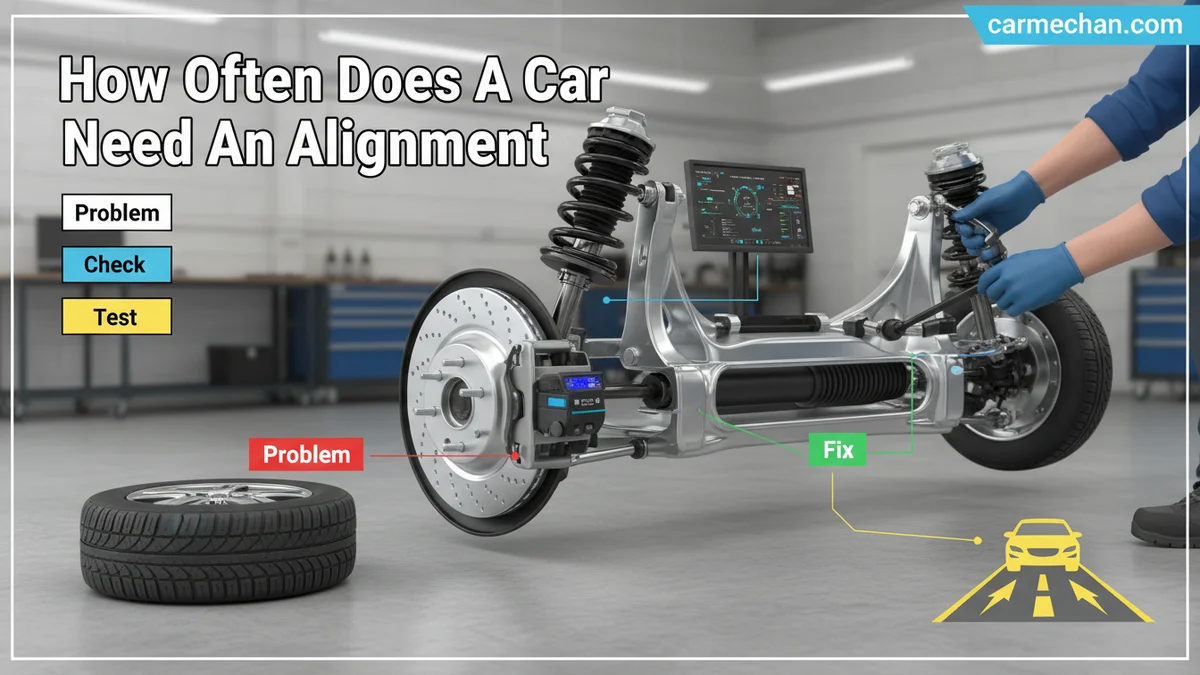
The vehicle is then positioned on a specialized alignment rack. High-tech sensors are attached to each wheel. These sensors use lasers, cameras, or reflective targets to precisely measure the wheel angles, including camber, caster, and toe. The measurements are compared against the manufacturer’s specifications for your specific make and model.
Expert Adjustment Procedures
Based on the measurement results, the technician makes precise adjustments to the steering and suspension components. This involves adjusting tie rods for toe, and sometimes using shims or eccentric bolts for camber and caster, depending on the vehicle’s design. The goal is to bring all angles back within the manufacturer’s specified range.
Once adjustments are complete, the system re-measures to confirm optimal settings. The entire process typically takes about 30 minutes to an hour, though it can vary.
These insights into alignment frequency, symptoms, causes, and benefits provide a solid foundation, but you might still have specific questions.
Your Next Steps For Optimal Vehicle Performance


Knowing how often does a car need an alignment is a key piece of proactive car ownership. By following recommended service intervals and promptly addressing any warning signs, you safeguard your vehicle’s longevity, enhance driving safety, and maximize tire life. Don’t wait for significant problems to arise; embrace preventative maintenance as part of your regular vehicle care routine for 2026 and beyond.
If you’ve experienced any of the symptoms discussed or it’s been over a year since your last check, schedule a professional alignment today. This simple service delivers substantial returns in safety, economy, and peace of mind.
Top 5 Questions About Wheel Alignments Answered
Can You Feel A Bad Alignment?
Yes, you can often feel a bad alignment through various symptoms. Common indicators include your car pulling to one side, a crooked steering wheel when driving straight, or vibrations in the steering wheel, signaling that your vehicle needs attention.
How Long Do Alignments Last?
A professional alignment typically lasts about one to two years or 10,000 to 15,000 miles under normal driving conditions. However, hitting potholes, curbs, or other impacts can cause misalignment much sooner, requiring an immediate re-check.
Is An Alignment Necessary After New Tires?
Yes, an alignment is highly recommended after installing new tires. This ensures the fresh tires wear evenly from the start, protecting your investment and maximizing their lifespan, even if your old tires appeared to wear correctly.
Does An Alignment Fix Tire Wear?
An alignment does not fix existing tire wear, but it prevents further uneven wear. By correcting the wheel angles, it ensures your tires make proper contact with the road, allowing for balanced wear going forward and extending the overall life of the tires.
How Much Does An Alignment Cost?
The cost of a wheel alignment varies but typically ranges from $80 to $150 in 2026. This investment is small compared to the cost of replacing prematurely worn tires or the potential safety risks associated with poor handling.