Do You Check Transmission Fluid While The Car Is 2026
Last Updated on September 1, 2026 by Albert Duke
Yes, for most automatic transmissions, you must check the fluid while the car is running and warm. This ensures an accurate reading due to fluid expansion and proper circulation within the system.

Prime for Young Adults — 6 Months Free
Students and 18–24s get six months of Prime free, then half price.
Start 6 Months FreeThe question “do you check transmission fluid while the car is running” is a common inquiry for vehicle owners, and the straightforward answer for most automatic transmissions is yes. Understanding the correct procedure for this essential maintenance task can significantly impact your vehicle’s longevity and performance.
Checking transmission fluid seems simple, but getting an accurate reading requires specific steps. Incorrectly checking or neglecting this fluid can lead to costly repairs down the road. We aim to provide a clear, authoritative guide on how to properly perform this vital check on your vehicle in 2026.
This critical distinction forms the foundation for understanding the correct fluid check procedure, which varies based on your vehicle’s transmission type.
Yes, for most automatic transmissions, you must check the fluid while the car is running and warm. This ensures an accurate reading due to fluid expansion and proper circulation within the system.
Key Takeaways
Recommended Best Deal Products


- Check automatic fluid with the engine running and warm.
- Always consult your vehicle’s specific owner’s manual.
- Manual transmissions are typically checked with the engine off.
- Sealed transmissions often require professional inspection.
- Correct fluid level and condition prevent major transmission issues.
Should You Check Transmission Fluid With the Engine Running?
For most automatic transmissions, you should check the fluid level while the car is running and at operating temperature to get an accurate measurement. This is crucial because transmission fluid expands as it heats up. Cold fluid occupies less space, leading to an artificially low reading if checked when the engine is off.


Furthermore, an automatic transmission relies on fluid circulation to operate correctly. When the engine is running, the transmission pump actively circulates fluid throughout the system, ensuring all components are filled. This state reflects the fluid level during normal driving conditions. Always consult your vehicle’s owner’s manual for specific instructions, as some manufacturers may have unique recommendations [EXTERNAL LINK: Official vehicle manufacturer’s maintenance guide example].
Why Automatic Transmissions Need to Be Running
Automatic transmission fluid serves multiple critical functions. It lubricates moving parts, cools the system, and transmits power to shift gears. These functions rely on the fluid being at its operational temperature and circulating properly. As the fluid heats up during vehicle operation, it expands, increasing its volume.
A dipstick is calibrated to measure this expanded volume accurately when the transmission is warm and running.

Audible — Listen Free for 30 Days
One free credit a month and thousands of titles included.
Listen Free for 30 DaysChecking the fluid with the engine off prevents the transmission pump from circulating the fluid. This leaves a significant amount of fluid in various internal passages and the torque converter, rather than in the pan where the dipstick measures it. An off-engine check would almost certainly indicate a fluid level that is too low, potentially leading to overfilling and subsequent damage [EXTERNAL LINK: Explanation of automatic transmission fluid functions from an automotive engineering source].
The Specifics for Manual Gearboxes
Manual transmissions operate differently from automatics, primarily using the fluid for lubrication rather than hydraulic power. Consequently, the checking procedure for manual transmission fluid is almost always performed with the engine off and typically when the transmission is cool. Manual transmissions do not experience the same level of thermal expansion or require active circulation for accurate measurement as automatics do.
Instead of a dipstick, most manual transmissions have a fill plug on the side of the transmission housing. To check the level, you would remove this plug. The fluid should be level with the bottom of the fill hole or just slightly below it. If it’s not, you add fluid until it begins to seep out.
Always refer to your owner’s manual for the precise location of the fill plug and the recommended fluid type [INTERNAL LINK: Manual transmission fluid change guide].
Understanding this foundational principle prepares you for the detailed steps involved in properly checking your automatic transmission fluid.
How to Precisely Check Automatic Transmission Fluid in Six Steps
Recommended Best Deal Products


Following a precise procedure ensures an accurate reading when checking your automatic transmission fluid, protecting your vehicle’s performance. Our step-by-step guide helps you perform this task safely and effectively.
Prepare Your Vehicle Safely
Safety is paramount when working around a running engine. First, park your vehicle on a level surface. This ensures the fluid settles evenly in the transmission pan, leading to an accurate dipstick reading. Engage the parking brake firmly to prevent any accidental movement.
Place the transmission in “Park” or “Neutral” as specified by your owner’s manual. Keep clear of all moving engine parts, such as belts and cooling fans, which can cause serious injury. Wear appropriate personal protective equipment, including gloves and eye protection [EXTERNAL LINK: General automotive safety guidelines from a reputable source like OSHA or NHTSA].
Locate and Clean the Dipstick
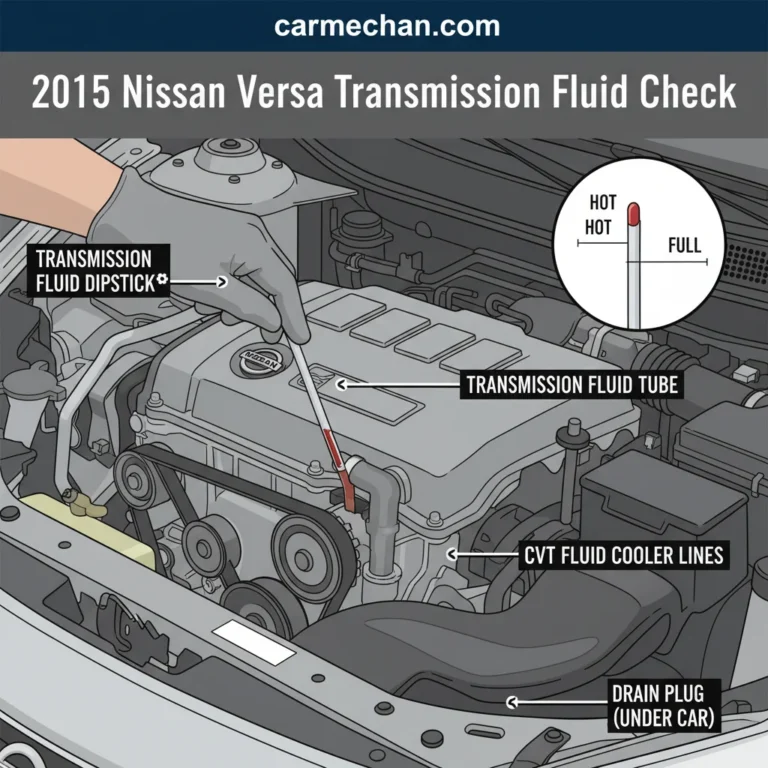
Open the hood and locate the transmission fluid dipstick. It’s often brightly colored, such as red or yellow, to distinguish it from the engine oil dipstick. The transmission dipstick is usually located towards the rear of the engine bay on the passenger side for rear-wheel-drive vehicles or near the front for front-wheel-drive models.
Audible Premium Plus — Annual Membership
12 audiobook credits up front, plus the full Audible catalogue.
See Annual PlansOnce located, pull the dipstick out completely. Use a clean, lint-free cloth or paper towel to wipe off all the fluid from the dipstick. This prepares it for an accurate first reading.
Achieve Operating Temperature
For an accurate reading, the transmission fluid needs to be at its normal operating temperature. This typically means driving the vehicle for about 10 to 15 minutes, allowing the engine and transmission to warm up thoroughly. A short drive at various speeds ensures the fluid has circulated sufficiently and reached its expanded volume.
After your drive, keep the engine running and the transmission in “Park” or “Neutral” before proceeding. Some manufacturers suggest shifting through all gear selections briefly while stationary, then returning to “Park” or “Neutral” before checking.
Extract and Read the Fluid
With the engine running and warm, reinsert the clean dipstick fully into its tube. Make sure it’s seated all the way down. Wait a few seconds to allow the fluid to coat the dipstick accurately. Then, pull the dipstick out again and observe the fluid level.
Hold the dipstick horizontally to prevent any fluid from running and affecting your reading. Look for the fluid film on both sides of the dipstick to ensure you get a consistent measurement.
Interpret the Dipstick Marks
Transmission fluid dipsticks usually have two sets of marks: one for “COLD” and one for “HOT,” or simply “ADD” and “FULL” indicators. Since you are checking the fluid when warm, you should refer to the “HOT” or “FULL” marks. The fluid level should ideally fall within this range.
A level slightly above or below the full mark may still be acceptable, but a significant deviation requires attention. Note the exact position of the fluid line relative to these markings. If you are unsure, consult your owner’s manual for a visual guide.
Add Fluid Carefully If Needed
If the fluid level is below the “ADD” or “LOW” mark, you will need to add more. Use a funnel to slowly pour the specified type of transmission fluid into the dipstick tube. Add fluid in small increments, perhaps a quarter of a quart at a time, then recheck the level after each addition.
Adding fluid too quickly or overfilling can create problems. It is much easier to add more fluid than to remove an excess, especially with hot fluid. Always use the exact type of transmission fluid recommended by your vehicle manufacturer; using the wrong fluid can cause severe damage [INTERNAL LINK: Guide to choosing the right transmission fluid].
While this method applies to most automatics, certain vehicle types, like those with sealed transmissions or manual gearboxes, require different approaches.
Sealed Transmissions Versus Manuals for Fluid Checks
Not all vehicles follow the same transmission fluid check procedure; sealed automatic systems and manual gearboxes each demand a distinct approach. Modern automotive engineering has introduced various transmission designs, altering routine maintenance tasks.

Understanding Sealed Automatic Systems
Many newer vehicles, particularly those from manufacturers such as Honda, Toyota, and Ford, come equipped with so-called “sealed” transmissions. These transmissions are designed to be “fill-for-life” and often lack a traditional dipstick for user checks. The term “sealed” implies that the fluid is not meant to be regularly checked or changed by the owner.
While this design reduces the risk of contamination and simplifies maintenance for the average driver, it means checking the fluid often requires specialized tools or diagnostic equipment. In 2026, many manufacturers still claim these systems never need fluid changes under normal driving conditions. However, severe driving conditions, such as towing or frequent stop-and-go traffic, may warrant professional inspection and fluid service .
Checking Manual Transmission Fluid
Checking fluid in a manual transmission is generally a simpler, though sometimes less accessible, process. Unlike automatics, manual transmissions do not typically have a dipstick. Instead, they feature a fill plug, usually located on the side of the transmission casing.
To check, the vehicle must be on a level surface and the engine off and cool. You would typically need to lift the vehicle to gain access to the fill plug. With the plug removed, the fluid level should be at or just below the bottom edge of the fill hole.
If it is low, you would add the correct type of manual transmission fluid until it begins to seep out of the fill hole [INTERNAL LINK: Basic car lifting safety tips].
When Professional Help Is Best
For sealed automatic transmissions, if you suspect a fluid level issue or observe any transmission performance problems, professional diagnosis is the safest course of action. Technicians have the specific tools and knowledge to access and accurately measure the fluid level in these systems without causing damage.
Attempting to force a check or add fluid without proper guidance can lead to overfilling or incorrect fluid usage, potentially voiding warranties or causing significant transmission failure.
Likewise, if you are uncomfortable lifting your vehicle to access a manual transmission’s fill plug, or if you are unsure about the fluid type, a certified mechanic can perform the check and service safely. They can also inspect for leaks that might be causing low fluid levels.
Regardless of your transmission type, understanding what your fluid’s appearance, smell, and level tell you is equally vital for preventative maintenance.
Four Vital Signs of Your Transmission Fluid
Recommended Best Deal Products


Beyond just the fluid level, the condition of your transmission fluid offers crucial insights into your vehicle’s overall health and potential issues. Regularly observing these vital signs can help you prevent major transmission problems.
Is the Fluid Level Correct
The primary check involves ensuring the fluid level falls within the designated “HOT” or “FULL” marks on the dipstick when the transmission is at operating temperature and the engine is running. A level that is too low indicates a leak or consumption, which can lead to overheating, slipping gears, and eventual transmission failure.
An overfilled condition can cause foaming, which reduces lubrication and cooling, leading to similar damage over time.
Maintaining the proper fluid level is fundamental to the transmission’s longevity and efficient operation. Always aim for the middle of the acceptable range to allow for slight expansion or contraction under varying conditions.
What Healthy Fluid Color Means
New, healthy automatic transmission fluid is typically bright red or pink and translucent. As it ages, it may darken slightly, but it should never be brown or black. Brown fluid suggests oxidation and degradation, meaning it has lost its protective properties. Black fluid, often accompanied by a burnt smell, indicates severe overheating and component wear within the transmission.
Milky or cloudy fluid suggests contamination, usually from water or coolant. This is a critical issue that requires immediate professional attention, as water can corrode internal components and severely impair lubrication [EXTERNAL LINK: Industry standards for transmission fluid color and condition].
The Importance of Fluid Smell
Healthy transmission fluid has a slightly sweet or petroleum-like odor. If you detect a strong, burnt smell, similar to toast or charcoal, it’s a significant warning sign. A burnt smell indicates that the fluid has been subjected to excessive heat, which breaks down its chemical composition.
This breakdown diminishes the fluid’s ability to lubricate and cool, leading to increased friction and wear on internal transmission components. A burnt smell often accompanies discolored fluid and necessitates immediate inspection and likely a fluid change or transmission repair.
Observing Fluid Consistency
When you rub a small amount of fluid between your thumb and forefinger, it should feel smooth and slick. It should not feel gritty, sticky, or contain any particulate matter. A gritty texture suggests metal-to-metal wear within the transmission, indicating internal damage. Sticky fluid points to fluid degradation or contamination.
Any signs of debris or metal shavings on the dipstick are serious red flags, signaling significant internal component failure. In such cases, a professional diagnosis is imperative to assess the extent of the damage and recommend appropriate repairs [INTERNAL LINK: Article on common transmission problems and their symptoms].
Once you have assessed these vital signs, knowing the correct actions to take for common fluid scenarios becomes the next crucial step.
Three Common Fluid Scenarios and Next Steps
Once you have assessed your transmission fluid’s level and condition, understanding the appropriate next steps is critical for vehicle longevity and safety. Prompt action can often prevent minor issues from escalating into major transmission failures.
Addressing Low Transmission Fluid
If your transmission fluid level is low, the first step is to identify and address the cause. Low fluid almost always indicates a leak, as transmission fluid does not burn off like engine oil. Visually inspect underneath your vehicle for any signs of fluid drips or puddles. Common leak points include pan gaskets, transmission lines, and seals.
Top up the fluid slowly with the manufacturer-specified type, rechecking the level frequently until it reaches the correct range. If you find a leak, it should be repaired promptly to prevent recurring low fluid levels and potential transmission damage. Driving with consistently low fluid can cause slipping, overheating, and premature wear .
Dangers of Overfilled Fluid
While often less common than low fluid, an overfilled transmission fluid reservoir can also cause significant problems. Excess fluid can be churned into a foam by the rotating components within the transmission. This foam is less dense than liquid fluid and cannot effectively lubricate or transfer heat, leading to overheating, shifting problems, and damage to internal seals.
If you discover your transmission is overfilled, you must remove the excess fluid. This usually involves draining a small amount from the transmission pan drain plug, if present, or having a mechanic extract it. Do not ignore an overfilled condition, as it can be as detrimental as running with low fluid.
When Fluid Condition Is Poor
If your transmission fluid appears dark, smells burnt, or contains debris, adding more fluid is not the solution. These are clear indicators of internal transmission issues. Dark, burnt fluid suggests excessive heat and degradation, meaning it has lost its protective qualities and needs replacement.
However, simply changing the fluid might not resolve the underlying problem causing the degradation. A professional mechanic should inspect your vehicle to diagnose the root cause of the poor fluid condition. This could involve anything from a malfunctioning cooling system to internal component wear. Addressing the core issue prevents repeated fluid breakdown and potential transmission failure [EXTERNAL LINK: Diagnostic guide for common transmission problems].
Properly checking and maintaining your transmission fluid is a straightforward but essential task that significantly contributes to your vehicle’s lifespan and performance.
Mastering Transmission Fluid Checks for Vehicle Longevity
Regularly checking your transmission fluid is a simple yet profoundly impactful maintenance habit that contributes to the long-term health of your vehicle. By understanding when and how to perform this check, whether it’s for a running automatic or a static manual transmission, you empower yourself to identify potential problems early.
The condition of your fluidits level, color, smell, and consistencyserves as a vital diagnostic tool, offering clues about your transmission’s internal well-being.
Staying diligent with this task, combined with prompt action when issues arise, can prevent minor fluid anomalies from escalating into costly repairs. Make it a point to consult your owner’s manual for precise guidelines tailored to your specific make and model. This proactive approach to maintenance ensures your transmission continues to operate smoothly, extending your vehicle’s lifespan well into 2026 and beyond.
Key Takeaways
- Check automatic fluid with the engine running and warm.
- Always consult your vehicle’s specific owner’s manual.
- Manual transmissions are typically checked with the engine off.
- Sealed transmissions often require professional inspection.
- Correct fluid level and condition prevent major transmission issues.
Five Common Questions About Transmission Fluid Checks
How Often Should I Check Transmission Fluid?
You should consult your vehicle’s owner’s manual for specific recommendations, but a general guideline is to check automatic transmission fluid every 30,000 miles or once a year, whichever comes first. If you notice any unusual shifting or performance issues, check it immediately.
Can I Add Transmission Fluid to a Cold Engine?
For most automatic transmissions, adding fluid to a cold engine can lead to an inaccurate reading and potential overfilling. Always warm the engine and transmission to operating temperature before adding fluid. Overfilling can cause foaming and damage.
What Happens If Transmission Fluid Is Low?
If transmission fluid is low, your vehicle may experience slipping gears, delayed engagement, harsh shifting, or overheating. Continued driving with low fluid can lead to severe transmission damage, as vital components are not properly lubricated or cooled.
Why Is My Transmission Fluid Brown or Black?
Brown or black transmission fluid indicates degradation and potential overheating. It has lost its lubricating and cooling properties. This often signals internal transmission problems requiring immediate professional inspection, and likely a fluid change or repair.
Do All Cars Have a Transmission Dipstick?
No, not all cars have a transmission dipstick. Many newer vehicles are equipped with “sealed” transmissions, particularly from manufacturers like Honda, Toyota, and Ford. These systems are designed for professional servicing and do not have a user-accessible dipstick.