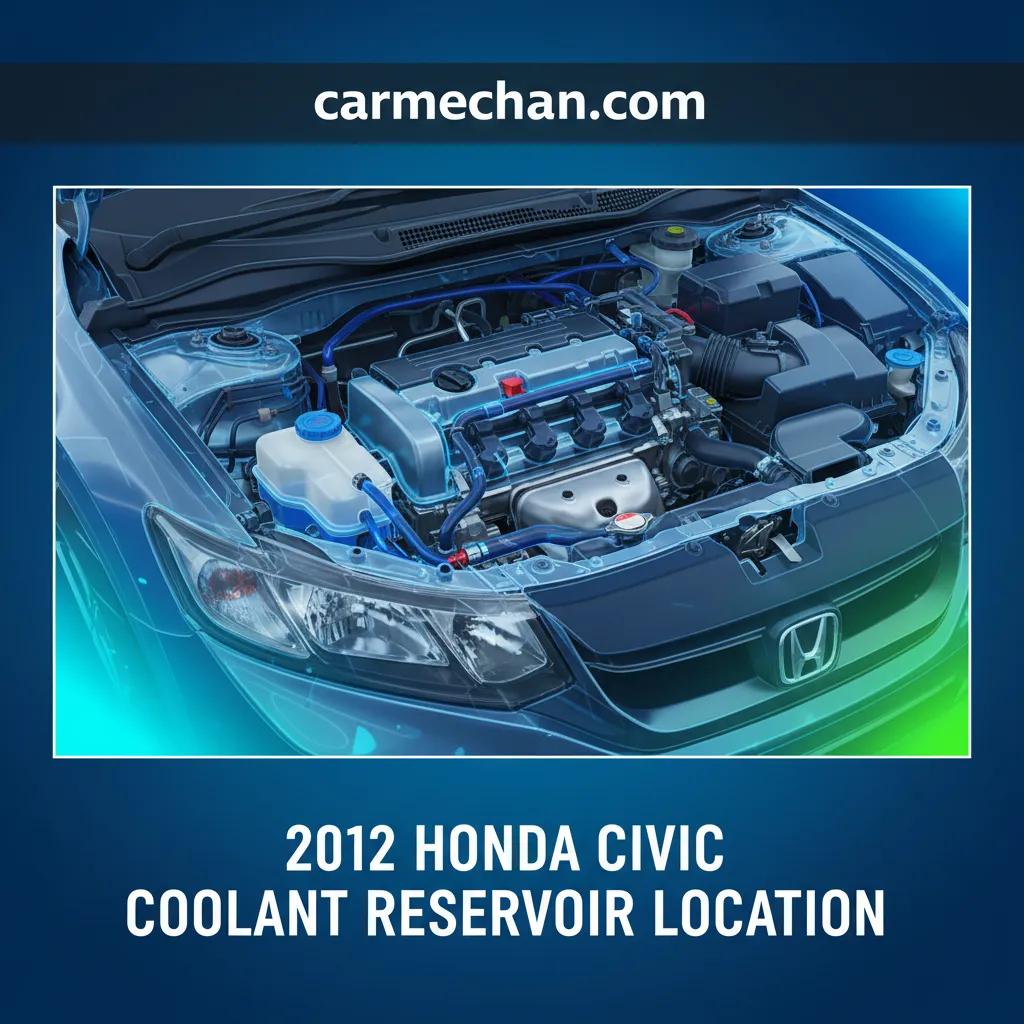
2012 Honda Civic Coolant Reservoir Location And Comprehensive Maintenance Guide
Ensuring the longevity and optimal performance of your 2012 Honda Civic hinges significantly on the health of its engine cooling system, a critical but often overlooked aspect of vehicle maintenance. Many vehicle owners, however, are unsure of the precise location of key components like the coolant reservoir, or lack confidence in how to properly inspect and maintain coolant levels, potentially leading to overheating and severe engine damage. This detailed guide is engineered to empower you with expert knowledge, meticulously outlining the exact location of the coolant reservoir in your 2012 Honda Civic. We will provide step-by-step instructions for accurate inspection and safe refilling, alongside essential proactive maintenance insights to safeguard your engine and ensure its continued reliability.

Understanding the Critical Role of the Cooling System in Your 2012 Honda Civic
Recommended Best Deal Products



📤 Share Image
The engine cooling system in your 2012 Honda Civic is a sophisticated network designed to perform one primary, indispensable function: to dissipate excess heat generated during the internal combustion process. Without an efficient cooling system, the engine would quickly overheat, leading to catastrophic component damage such as warped cylinder heads, blown head gaskets, or even complete engine seizure. It actively works to maintain the engine within its optimal operating temperature range, typically between 190-220°F (90-105°C), which is crucial for fuel efficiency, emission control, and the longevity of moving parts.
A properly functioning 2012 Honda Civic cooling system comprises several key components working in concert. These include the radiator, responsible for heat exchange with the ambient air; the water pump, which circulates coolant throughout the engine; the thermostat, regulating coolant flow to maintain temperature; a series of hoses connecting these components; and the radiator fan, providing additional airflow when needed. Central to this system is the coolant reservoir, also frequently referred to as the expansion tank or overflow tank, which plays a distinct and vital role.
In the 2012 Honda Civic, whether equipped with the 1.8L R18A or the 2.4L K24Z7 engine, the coolant follows a precise closed-loop circulation path. The water pump pushes heated coolant from the engine block and cylinder head – where it has absorbed immense heat from critical engine parts – into the radiator. As it passes through the radiator’s fins, heat is transferred to the surrounding air, cooling the fluid. The now-cooled coolant then returns to the engine to repeat the process. Honda’s modern aluminum engine blocks necessitate this precise coolant management, leveraging the efficiency of the closed-loop system for superior thermal regulation.
The coolant reservoir’s crucial role within this system cannot be overstated. As coolant heats up, it expands; as it cools down, it contracts. The reservoir acts as a buffer, accommodating this natural expansion and contraction, thus preventing excessive pressure buildup or vacuum within the system. It also ensures that the proper system pressure is maintained and serves as a vital reserve, providing a visible indicator for monitoring coolant levels. This strategic design helps protect components and prevents issues like head gasket failure. It’s imperative that the coolant itself is up to the task: Honda Genuine Coolant Type 2 is specifically engineered to protect against freezing down to -30°F (-34°C) and boiling up to 265°F (129°C), safeguarding your engine under extreme conditions.

Pinpointing the Exact 2012 Honda Civic Coolant Reservoir Location for Inspection
Accurately locating the coolant reservoir in your 2012 Honda Civic is the first step toward effective cooling system maintenance. Its general physical placement within the engine bay is consistently on the passenger side of the vehicle. When standing in front of your 2012 Honda Civic and facing the engine, direct your gaze towards the right side (passenger side) of the engine compartment. The reservoir will be nearby the radiator, typically situated towards the front of the vehicle, just behind the headlight assembly.
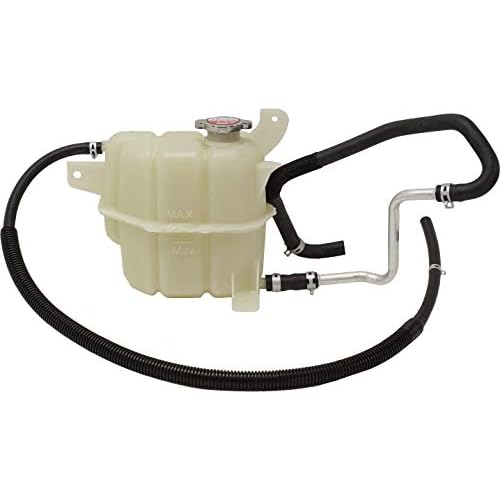
For easy identification, look for a translucent white or milky-white plastic tank. This allows for visual inspection of the coolant level without opening the system. You’ll clearly see ‘MIN’ and ‘MAX’ fill lines molded into the plastic, indicating the acceptable range for the coolant level. The reservoir usually features a black, screw-on cap, which is sometimes labeled ‘Engine Coolant’ or includes a symbol indicating its function. A small rubber hose will connect the top of this reservoir to the radiator filler neck, confirming its integral role in the cooling system.
Before you begin your inspection, it is paramount to follow a safe procedure: always ensure the engine is completely cool. Attempting to open any part of the cooling system, including the reservoir cap, when the engine is hot can lead to serious burns from pressurized hot components or scalding steam. Once the engine is cool, safely open the hood and secure it. Visually scan the designated passenger-side area. The distinct appearance of the reservoir, coupled with its location adjacent to the radiator, makes it relatively simple to spot for most owners.
For the 2012 Honda Civic, whether you own a sedan or coupe model, or if it’s equipped with the 1.8L i-VTEC or 2.4L Si engine, the coolant reservoir’s design and location remain consistent across these variants. There are no significant subtle differences in placement that would cause confusion. Its typical capacity is around 1 to 1.5 liters, designed to manage the expansion and contraction effectively. Always remember, the safety imperative is non-negotiable: verify the engine is completely cool before interacting with any cooling system components to prevent injury from hot fluids or parts.

Audible — Listen Free for 30 Days
One free credit a month and thousands of titles included.
Listen Free for 30 Days
Accurately Verifying Coolant Levels in Your 2012 Honda Civic and Interpreting Warning Signs
Recommended Best Deal Products


Verifying your coolant level accurately is a straightforward process, yet it requires adherence to one critical condition: the engine must be completely cold. Performing this check on a hot engine will yield an inaccurate reading due to thermal expansion, showing an artificially high level. Once the engine is cool, simply observe the level of coolant visible through the translucent reservoir. The fluid should fall clearly between the ‘MIN’ and ‘MAX’ lines. This visual check is a fundamental aspect of routine vehicle inspection.
The ‘MIN’ and ‘MAX’ markings on the reservoir are not merely suggestions; they indicate the safe operating range for your cooling system. If you check your cold engine and find the coolant significantly below the ‘MIN’ line, this is a clear indication that coolant is either low or there’s a leak present, and immediate attention is required. Conversely, finding the coolant level slightly above the ‘MAX’ line on a hot engine is perfectly normal due to thermal expansion, as coolant volume can fluctuate by 10-15% between cold and hot states. A normal operating pressure in the system can reach 15-18 PSI.
Recognizing common indicators of low coolant can save your engine from severe damage. The most obvious sign is the engine temperature gauge rising above its normal midpoint or operating higher than usual. Another often-overlooked symptom is the cabin heater blowing cold air when the engine is warm, as the heater core relies on hot engine coolant. Depending on your vehicle’s trim and sensors, a distinct ‘Low Coolant’ warning light might also activate on the dashboard, signaling an urgent need for inspection.
Beyond just low levels, there are other crucial warning signs of potential coolant system problems. Always be vigilant for visible puddles of fluid under your vehicle after it’s been parked. A distinct, sweet maple syrup-like odor emanating from the engine compartment is a tell-tale sign of a coolant leak, often indicating ethylene glycol. Steam or smoke wafting from under the hood, especially when the engine is running or immediately after driving, points to severe overheating or a significant leak. Finally, look for rust, white crusty residue, or discoloration around hoses, clamps, and connections, as these are often indicators of past or present leaks in the system.
By The Numbers
Miles for Coolant Level Check
Coolant Volume Fluctuation (Cold to Hot)
Normal System Pressure
Reservoir Capacity
Step-by-Step Guide for Safely Adding Coolant to Your 2012 Honda Civic Reservoir
When you’ve determined your 2012 Honda Civic’s coolant level is low, adding coolant to the reservoir is a task you can confidently perform at home. However, safety and using the correct fluid are paramount to prevent injury and damage to your vehicle’s sophisticated cooling system.
📋
Step-by-Step Guide
Recommended Best Deal Products


Ensure your engine is completely cool before opening the reservoir cap. This typically means waiting several hours after driving, or overnight. Wear protective gloves and eye protection to prevent any skin contact or splashes from existing coolant. Hot coolant can cause severe burns.
Exclusively use Honda-approved Type 2 coolant. This is typically distinguished by its blue color and its silicate-free and phosphate-free formulation, designed specifically for Honda’s engine metals and gaskets. Avoid mixing different types of coolant or using plain water, which dilutes corrosion inhibitors and alters crucial boiling/freezing points. Honda Genuine Coolant Type 2 (Part Number 08C02-A011LL) is readily available at Honda dealerships and authorized parts retailers, making it convenient and accessible to acquire.
Audible Premium Plus — Annual Membership
12 audiobook credits up front, plus the full Audible catalogue.
See Annual PlansSlowly twist the reservoir cap counter-clockwise to remove it. Carefully pour the Honda Genuine Type 2 coolant into the reservoir until the level reaches the ‘MAX’ line. Do not overfill. Once the level is correct, securely fasten the cap by twisting it clockwise until it clicks or feels tight. Adding coolant to the reservoir does not typically require “burping” the system unless the main radiator cap was also opened, which usually indicates a more extensive cooling system service.
If you have drained any old coolant, or have any spills, it’s crucial to dispose of it safely. Coolant is toxic to humans and animals and is harmful to the environment. Collect old coolant in a sealed container and take it to a certified hazardous waste collection facility or an auto parts store that offers recycling. This ensures environmental responsibility and protects our community from harmful chemicals. The entire 2012 Honda Civic cooling system typically holds between 6.3-7.5 quarts (6.0-7.1 liters) of coolant, though reservoir top-ups usually involve adding only a small fraction of this total volume.
Keep a small bottle of Honda Genuine Type 2 coolant in your garage. This makes it incredibly convenient for quick top-ups if you notice the level dropping slightly between service intervals. Always confirm it’s Type 2 to maintain your system’s integrity.
Do NOT use universal green coolant, conventional “all-makes, all-models” coolant, or any other fluid not specifically designated as Honda Genuine Coolant Type 2. Doing so can cause severe and irreparable damage to your Honda’s cooling system components, including the water pump, radiator, and seals, leading to costly repairs. Using the correct coolant maintains the system’s 10-year/120,000-mile initial service life.
Proactive Maintenance and Addressing Common Cooling System Concerns for Your 2012 Civic
Maintaining the cooling system of your 2012 Honda Civic isn’t just about topping off the reservoir; it involves a comprehensive, proactive approach to prevent issues before they escalate. A routine inspection schedule for cooling system components is essential. This includes visually inspecting all coolant hoses for signs of wear – look for cracks, brittleness, swelling, or soft spots that indicate deterioration. Check hose clamps for tightness and ensure there are no signs of leaks around their connections. Inspect the radiator fins for damage, bent sections, or blockages from debris (leaves, bugs) which can impede airflow and reduce cooling efficiency. Also, examine the reservoir itself for any hairline cracks, discoloration, or sediment buildup at the bottom, which could signal internal corrosion.
A critical aspect of long-term cooling system health is adhering to Honda’s recommended coolant flush and replacement intervals. The initial replacement is typically recommended at 10 years or 120,000 miles, whichever comes first, followed by replacements every 5 years or 60,000 miles. These intervals are specifically calculated to ensure the coolant’s vital anti-corrosion, anti-foaming, and heat transfer properties remain effective. Neglecting this service leads to coolant degradation, allowing rust and scale to form, which can clog the radiator and heater core, causing a cascade of cooling system failures. The long-life formulation of Honda’s Type 2 coolant is specifically designed to perform optimally for these extended service intervals, contrasting sharply with conventional coolants that demand more frequent changes.
While the 2012 Honda Civic platform is generally reliable, certain cooling system issues are common. Potential leaks can develop from various points, including the radiator end tanks, the water pump seal, the thermostat housing, or deteriorated hoses. Thermostat malfunctions, where it gets stuck open (leading to a perpetually cold engine and poor heating) or stuck closed (causing rapid overheating), are also common. Issues with the radiator cooling fan, such as a faulty motor or relay, can lead to overheating, especially in stop-and-go traffic. A visual inspection might reveal a swollen or hardened hose nearby the engine block, indicating a compromised component needing replacement, or noticing a faint, rusty stain nearby the water pump pulley, which could signify an early leak.
Knowing when to seek professional diagnosis and repair is crucial. If you experience persistent low coolant levels despite regular top-offs, this strongly indicates an unseen leak that needs professional attention. If the engine frequently overheats, even after ensuring proper coolant levels, or if any unusual noises (like a grinding water pump) or smells (beyond a sweet coolant odor, possibly burning rubber) emanate from the cooling system, it’s time to consult a certified Honda technician. A seemingly small leak, such as one drip per second, can result in the loss of over a gallon of coolant in a week, significantly increasing the risk of severe engine damage. Addressing these concerns promptly with a trusted local expert is vital for serving the long-term health and reliability of your 2012 Honda Civic.
The 2012 Honda Civic coolant reservoir, strategically positioned on the passenger side of the engine bay, is a key component for managing engine heat, identifiable by its translucent plastic and distinct ‘MIN’ and ‘MAX’ markings. Routine verification of coolant levels, specifically when the engine is cool, and utilizing only the specified Honda Genuine Type 2 coolant, are paramount for preventing engine overheating and preserving the integrity of the entire cooling system. Adopting a regimen of proactive maintenance, encompassing regular visual inspections of hoses and connections, and strictly adhering to Honda’s recommended coolant flush intervals, is fundamental to extending the operational lifespan of your cooling system and ensuring your 2012 Civic’s sustained optimal performance. Empower your vehicle’s longevity by diligently following these guidelines. For any persistent issues, advanced diagnostics, or comprehensive cooling system service, always consult your 2012 Honda Civic owner’s manual or a certified Honda technician for expert assistance.
Frequently Asked Questions
What type of coolant is recommended for a 2012 Honda Civic?
For a 2012 Honda Civic, it is imperative to use Honda Genuine Coolant Type 2. This blue, silicate-free, and phosphate-free long-life coolant is specifically formulated to protect Honda’s aluminum engine components, preventing corrosion and maintaining optimal heat transfer. Using other types can lead to system degradation and premature failure.
Can I use universal coolant in my 2012 Honda Civic?
No, it is strongly advised against using universal coolants. While some claim compatibility, they often lack the specific chemical composition required for Honda engines. Mixing different coolant types can cause chemical reactions, leading to clumping, corrosion, and damage to the cooling system and engine over time. Stick to Honda Genuine Coolant Type 2 for proper protection.
How often should I check the coolant level in my 2012 Honda Civic?
For optimal preventative maintenance, the coolant level in your 2012 Honda Civic’s reservoir should be checked at least every oil change interval, or approximately every 5,000 to 7,500 miles. A more frequent visual check, perhaps monthly, is recommended if you notice any changes in engine temperature or experience unusual smells indicating a potential issue.
What are the signs of a low coolant level in a 2012 Honda Civic?
Key indicators of a low coolant level in a 2012 Honda Civic include the engine temperature gauge rising above its normal operating range, a lack of heat from the cabin heater, a distinct sweet smell of coolant (often indicating a leak), or visible puddles of fluid under the vehicle. Address these promptly to prevent severe engine overheating and damage.
What is the recommended coolant flush interval for a 2012 Honda Civic?
Honda recommends an initial coolant flush and replacement for the 2012 Civic at 10 years or 120,000 miles, whichever comes first. Subsequent coolant replacements are then recommended every 5 years or 60,000 miles. Adhering to this schedule ensures the coolant’s anti-corrosion and heat transfer properties remain effective and protect your engine.