Does Toyota Have An Electric Car Toyota Electric Cars 2026
Last Updated on September 1, 2026 by Ryan
Yes, Toyota does have fully electric cars in its lineup, with the bZ4X leading the charge globally. The manufacturer is rapidly expanding its battery electric vehicle (BEV) offerings and strategy for 2026 and beyond.
Yes, Toyota does have fully electric cars in its lineup, with the bZ4X leading the charge globally. For those asking, “does Toyota have an electric car,” the answer is a resounding yes, and its electric vehicle (EV) offerings are set to expand significantly by 2026.
Toyota, long synonymous with hybrid technology, is now making serious strides in the battery electric vehicle (BEV) market.
This guide will provide a definitive and up-to-date look at Toyota’s current BEV models, detail exciting future electric car plans, and clarify the distinctions between its fully electric vehicles and its extensive hybrid and plug-in hybrid lineup. We will explore Toyota’s strategic vision, helping you understand its position in the rapidly evolving EV market.
Key Takeaways


- Toyota offers fully electric vehicles like the bZ4X.
- Several new Toyota EV models are planned for the near future.
- Toyota’s strategy includes BEVs, hybrids, and PHEVs.
- The bZ4X provides competitive range and features.
- Future Toyota EVs will utilize advanced battery technology.
How Many Fully Electric Toyota Models Are Available Now?


Currently, Toyota offers the bZ4X as its primary global fully electric vehicle. This all-electric SUV represents Toyota’s dedicated entry into the mass-market BEV segment, showcasing its commitment to a zero-emission future. The bZ4X is designed to blend SUV versatility with the environmental benefits of an EV.

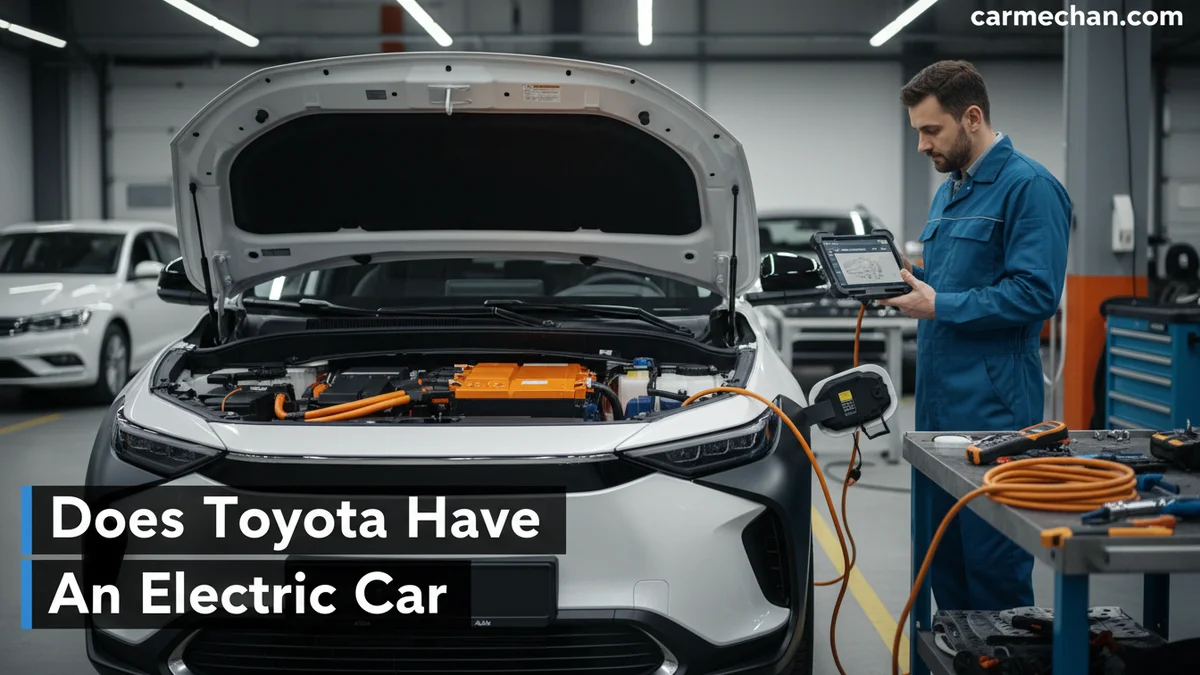
Toyota BZ4X Overview
The Toyota bZ4X is a compact crossover SUV developed on the e-TNGA dedicated EV platform. It features a distinctive, futuristic design that sets it apart from Toyota’s traditional internal combustion engine vehicles. The interior prioritizes spaciousness and technology, offering a user-friendly interface and sustainable materials.
Available in both front-wheel-drive (FWD) and all-wheel-drive (AWD) configurations, the bZ4X provides options for diverse driving needs. Its comfortable ride and refined handling make it a practical choice for daily commutes and longer journeys alike. Charging infrastructure is critical for EV owners, and the bZ4X supports both Level 2 AC and DC fast charging.
BZ4X Performance Details
The FWD bZ4X models typically offer a single electric motor producing horsepower, while the AWD versions add a second motor for increased traction and power. This AWD setup provides horsepower, ensuring confident acceleration.
The EPA estimated range for the 2026 bZ4X is projected to be around miles on a full charge for certain configurations.
Regarding charging, the bZ4X supports DC fast charging, allowing it to replenish its battery from 10% to 80% in approximately under optimal conditions. For home charging, a Level 2 (240V) charger can fully charge the vehicle overnight.
The starting MSRP for the bZ4X in 2026 is expected to be competitive, beginning around , before any applicable federal or state incentives.
Where to Buy Toyota EVs
The Toyota bZ4X is available for purchase or lease through authorized Toyota dealerships in many global markets, including North America, Europe, and parts of Asia. Availability can vary by region and specific trim levels, so checking with a local dealer is always recommended for the most current information.
Toyota’s initial foray into BEVs with the bZ4X lays the groundwork for a broader electric future.
What Future Toyota Electric Cars Are Coming Soon?
Toyota is heavily investing in expanding its electric vehicle lineup, with numerous new models and concepts slated for release leading up to and well beyond 2026. The company has publicly committed to a significant rollout of BEVs, demonstrating a shift towards a more comprehensive electric strategy. This expansion will build upon the foundation established by the bZ4X.
Next BZ Series Models
Building on the “bZ” (beyond Zero) nomenclature, Toyota is planning to introduce several new models to its fully electric lineup. Expect to see variations including sedans, smaller SUVs, and potentially larger crossovers. For instance, models like the bZ3, a sleek electric sedan, are already in some markets and indicate the diverse range expected.
The brand is targeting to introduce new BEV models globally by 2026, including such as the upcoming bZ5X, an electric three-row SUV.
Upcoming EV Concepts
Toyota has showcased numerous captivating EV concepts, providing glimpses into its future design and technological direction. These concepts often highlight innovative battery placement, advanced aerodynamics, and futuristic interiors. They demonstrate Toyota’s commitment to not only producing electric vehicles but also reimagining the driving experience itself.
Expect to see elements from these concepts integrated into production models, pushing the boundaries of automotive design and functionality.
Projected Release Timelines
Toyota has outlined an aggressive timeline for its EV expansion. By 2026, the company aims for BEV sales to reach 1.5 million units annually globally. This plan includes a new modular platform called “Arene” for future EVs, designed to streamline production and integrate advanced software-defined vehicle capabilities.
Significant investment in EV development and battery technology underscores this ambition. This future strategy promises a diverse range of electric vehicles designed to meet various consumer needs and preferences worldwide.
Toyota Electric vs Hybrid vs PHEV Which Option Suits Drivers Best?
Toyota has long championed a multi-pathway approach to electrification, offering a spectrum of options beyond just fully electric cars. Understanding the distinctions between Battery Electric Vehicles (BEVs), Hybrid Electric Vehicles (HEVs), and Plug-in Hybrid Electric Vehicles (PHEVs) is key to choosing the right vehicle for your lifestyle. Each technology offers unique advantages and caters to different driving scenarios.
Understanding BEV Benefits
Battery Electric Vehicles, like the Toyota bZ4X, run solely on electricity stored in a large battery pack, with no tailpipe emissions. They offer instant torque for quick acceleration and can be charged at home or public charging stations. BEVs are ideal for drivers seeking the lowest environmental impact, reduced running costs (due to cheaper electricity compared to gasoline), and a quieter driving experience.
They often benefit from various government incentives and tax credits.
Hybrid Strengths Explored
Hybrid Electric Vehicles (HEVs), such as the popular Toyota Prius or RAV4 Hybrid, combine a gasoline engine with an electric motor and a small battery. The system automatically switches between power sources or uses both for optimal efficiency, recharging the battery through regenerative braking and the engine.
HEVs deliver significantly improved fuel economy compared to traditional gasoline cars without needing to be plugged in. A representative EPA combined MPG for a popular Toyota Hybrid like the RAV4 Hybrid is around .
They are excellent for drivers who want better fuel efficiency but are not ready for the full commitment of a BEV, particularly those with limited charging access.
PHEV Practicality Defined
Plug-in Hybrid Electric Vehicles (PHEVs) offer a blend of BEV and HEV benefits. Models like the Toyota RAV4 Prime feature a larger battery than standard hybrids, allowing for a significant all-electric range, typically around miles.
Once the electric range is depleted, the gasoline engine takes over, functioning like a conventional hybrid. PHEVs are perfect for commuters who can cover their daily drives solely on electricity, but desire the flexibility of a gasoline engine for longer trips without range anxiety or reliance on public charging infrastructure.
They require charging but offer a strong backup.
3 Core Pillars of Toyota’s EV Strategy
Toyota’s approach to the rapidly evolving electric vehicle market is distinct, characterized by a carefully considered strategy rather than an immediate full pivot to BEVs. This deliberate path is built upon three fundamental pillars designed to ensure sustainable growth and widespread adoption of electrified vehicles.
Diverse Powertrain Approach
Toyota firmly believes in a “multi-pathway” strategy, recognizing that different regions and customers have varied needs and infrastructure readiness. This means continuing to develop and offer a full suite of electrified options: HEVs, PHEVs, BEVs, and even hydrogen fuel cell electric vehicles (FCEVs). This diverse portfolio aims to provide customers with choices that best suit their local conditions and driving habits, rather than forcing a single solution.
This approach allows for flexibility in meeting global emissions targets.
Advanced Battery Development
At the heart of Toyota’s long-term EV success is its aggressive investment in battery technology. The company is pursuing multiple battery chemistries, including advanced lithium-ion, bipolar nickel-metal hydride, and most notably, solid-state batteries. Toyota sees solid-state batteries as a game-changer due to their potential for higher energy density, faster charging, and increased safety.
Their progress in this area is a significant focus of their research and development. This forward-looking approach ensures future Toyota EVs will benefit from cutting-edge energy storage.
Global Market Adaptation
Toyota’s strategy acknowledges the vast differences in global markets, from charging infrastructure availability to consumer purchasing power and regulatory environments. Rather than a one-size-fits-all approach, Toyota tailors its electrification offerings to best suit each region. This means a gradual rollout of BEVs in some areas, while strengthening hybrid offerings in others.
By adapting to local conditions, Toyota aims for mass adoption of electrified vehicles that is practical and sustainable for customers worldwide. This ensures that their vehicles remain relevant and accessible across diverse economic and infrastructural landscapes.
5 Common Questions About Toyota Electric Vehicles
Prospective buyers of Toyota electric vehicles often have practical questions regarding ownership and performance. These insights aim to address some of the most common inquiries about living with a Toyota EV.
What Is the Typical Range of a Toyota Electric Car?
The typical range of a Toyota electric car like the bZ4X varies by configuration, but generally falls in a competitive segment. For the 2026 model year, the bZ4X is projected to offer an EPA estimated range of around miles, depending on the drivetrain.
This range is suitable for most daily commutes and allows for comfortable longer journeys with proper planning.
How Long Does It Take to Charge a Toyota EV?
Charging times for a Toyota EV depend on the charger type. Using a standard Level 2 (240V) home charger, a full charge typically takes 9-11 hours overnight. For faster charging on the go, DC fast chargers can replenish the battery from 10% to 80% in approximately .
What Are the Running Costs of a Toyota Electric Vehicle?
The running costs of a Toyota electric vehicle are generally lower than gasoline cars due to cheaper electricity compared to fuel. Maintenance is also often reduced because EVs have fewer moving parts than internal combustion engines. Additionally, owners may qualify for federal tax credits or state incentives that further offset the purchase price.
How Does Toyota Ensure EV Battery Longevity?
Toyota employs advanced battery management systems and extensive cooling solutions to ensure EV battery longevity. Their long-standing expertise in hybrid battery technology, known for durability, extends to their BEVs. Toyota typically offers strong warranties on their EV batteries, often covering them for eight years or 100,000 miles, providing peace of mind for owners.
What Is the Resale Value Like for Toyota Electric Cars?
Toyota vehicles, including their electrified models, traditionally hold strong resale values due to their reputation for reliability and quality. As the EV market matures and demand for electric cars increases, Toyota’s electric offerings are expected to maintain competitive resale values. Early models like the bZ4X are setting a precedent for this trend, reinforcing buyer confidence.
Toyota’s journey into the fully electric vehicle market is a testament to its evolving commitment to a sustainable future. While its hybrid legacy remains strong, the arrival of models like the bZ4X and the promising lineup of future electric cars for 2026 and beyond demonstrate Toyota’s serious intent.
As charging infrastructure grows and battery technology advances, Toyota aims to provide diverse, reliable, and high-quality electric solutions to drivers worldwide. Understanding Toyota’s multi-faceted approach helps clarify why “does Toyota have an electric car” now has a comprehensive and exciting answer for a wide range of consumers.