Corded Vs Cordless Car Vacuum: Which Should You Buy? 2026
Last Updated on September 1, 2026 by Albert Duke
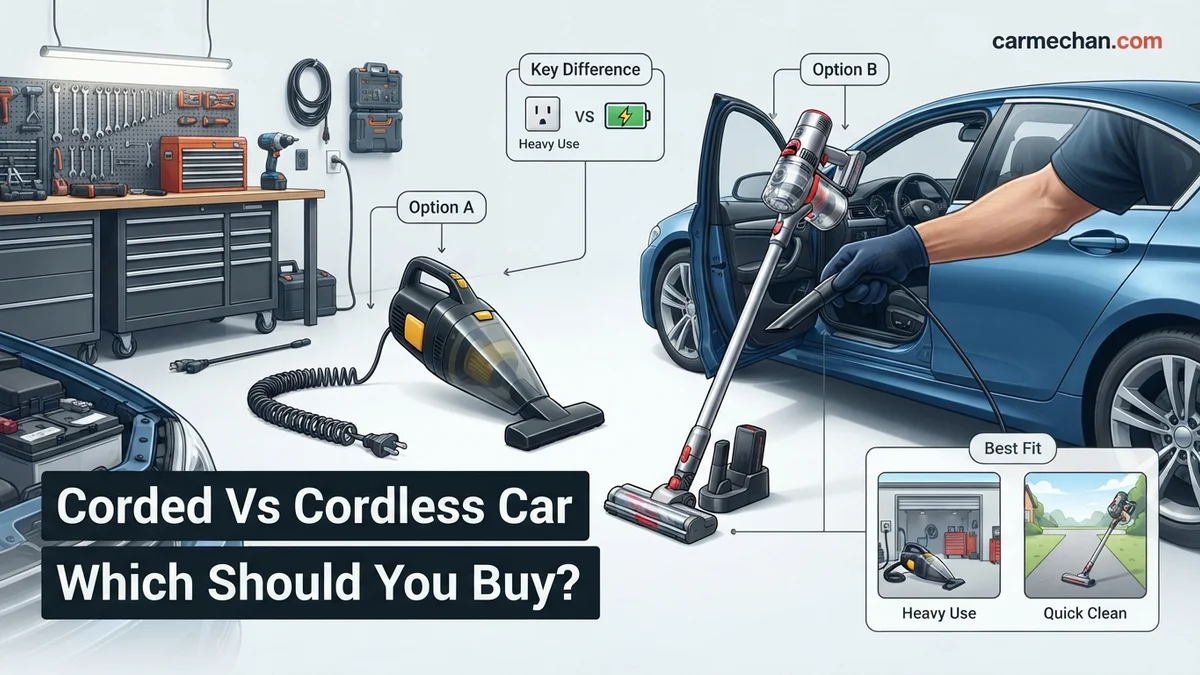
Choosing between a corded vs cordless car vacuum depends entirely on your cleaning habits, access to a garage, and the level of suction power you require. Corded models deliver unlimited runtime and stronger suction, while cordless options offer unmatched portability and convenience for quick cleanups.

Prime for Young Adults — 6 Months Free
Students and 18–24s get six months of Prime free, then half price.
Start 6 Months FreeIf you need relentless suction for deep-cleaning embedded pet hair and heavy dirt, buy a corded car vacuum. If you value grab-and-go convenience for quick daily crumb cleanups without wrestling with cables, buy a cordless car vacuum. Your final choice depends entirely on where you park, how often you clean, and the types of messes you make.
Choosing the wrong power source leads to weak suction or frustrating tangles every time you detail your interior. In 2026, modern battery technology has closed the gap significantly, but fundamental differences in power delivery and runtime still dictate which unit belongs in your trunk.
Key Takeaways
- Corded car vacuums offer continuous power without battery fade or charging wait times.
- Cordless models provide maximum mobility for cleaning without getting tangled in wires.
- Suction power is generally higher and more consistent in corded 12V and household plug models.
- Battery life on cordless vacuums typically ranges from 10 to 30 minutes on a single charge.
- Consider your garage access and typical mess severity before making a final purchase.
What Causes Suction Loss and Frustration in Car Vacuums
Recommended Best Deal Products


Suction failure ruins car detailing sessions. Understanding why vacuums lose power helps you match the right category to your cleaning habits.

The Battery Drop-Off Dilemma in Cordless Models
Lithium-ion batteries in cordless vacuums deliver peak performance when fully charged. However, as the battery drains during use, voltage drops, causing a noticeable decline in suction power. High-end 2026 models use smart chip regulation to maintain steady airflow, but budget cordless units often lose up to thirty percent of their suction halfway through a deep clean.
Voltage Limitations and Motor Constraints
Cordless vacuums rely on compact battery packs, limiting their continuous power output. Corded models plug directly into your car’s twelve-volt outlet or a home extension cord, drawing continuous wattage. This constant energy supply prevents power fade entirely.
- Cordless: Suction decreases gradually as the battery percentage drops.
- Corded: Consistent maximum power from the moment you turn it on until you unplug it.
- Airflow bottlenecks: Both types suffer from clogged filters, but cordless units clog faster due to smaller dust cup designs.
How to Evaluate Corded vs Cordless Car Vacuums Step-by-Step
To make the right purchase, you need a systematic way to weigh your daily cleaning routines against technical specifications.
Assessing Your Parking Situation and Proximity to Power
Your physical environment dictates your vacuum type. If you park on a crowded city street or in a shared apartment garage without wall outlets, a corded vacuum becomes instantly impractical. You would need long extension cords, creating a tripping hazard.
- Street parking: Cordless is mandatory unless you can run a heavy-duty cord from your apartment window.
- Private garage or driveway: Corded units plug seamlessly into wall outlets, delivering unlimited runtime.
- On-the-go lifestyle: Cordless models live easily in your trunk for instant spill cleanups anywhere.
Matching Runtime and Power to Your Mess Profile
Evaluate the actual debris you remove from your vehicle. Quick maintenance requires speed, while heavy restoration requires endurance.

Audible — Listen Free for 30 Days
One free credit a month and thousands of titles included.
Listen Free for 30 DaysFor daily dry cereal spills, surface dust, and light sand, a cordless vacuum provides twenty minutes of active runtime, which is more than enough. For muddy floor mats, embedded dog hair, and deep-pile carpets, a corded vacuum running on household electricity provides the raw power needed to pull debris from deep fibers without dying halfway through the back seat.
How to Match Your Vacuum Type to Your Vehicle Cleaning Habits
Recommended Best Deal Products


Choosing the right car vacuum in 2026 depends heavily on your specific lifestyle, parking situation, and cleaning frequency. Automotive detailing experts and consumer testing reports emphasize that matching appliance specifications to real-world habits prevents buyer’s remorse.
For the Daily Commuter and Pet Owner
If you regularly transport pets or children, debris accumulation happens fast and requires immediate spot cleaning. A modern cordless vacuum with specialized motor-driven brush attachments works best for embedded pet hair. According to recent 2026 automotive accessory studies, daily users prioritize grab-and-go convenience over continuous runtime, making lightweight lithium-ion models the ideal choice.
For the Deep Detailer and Rideshare Driver
Drivers who spend hours in their vehicles or clean multiple cars per week need sustained power and zero battery anxiety. Corded vacuums plugged into a household outlet or heavy-duty portable power station provide the necessary continuous suction. Follow these steps to evaluate your deep-cleaning needs:
- Assess how often you perform comprehensive interior details versus quick surface touch-ups.
- Calculate the average time required to clean your entire vehicle, noting that deep sessions often exceed 25 minutes.
- Determine if your parking area offers easy access to standard electrical outlets or heavy-duty extension cords.
What If Neither Option Fits Your Specific Garage or Parking Situation
Street parkers and apartment dwellers often face unique constraints when trying to power a car vacuum. If standard 12V cigarette lighter plugs drain your car battery too quickly, or if long extension cords are impractical, alternative solutions exist.
Alternative Power Sources and Fallback Options
When standard corded and cordless models fail to meet your logistical challenges, try these alternative troubleshooting steps:
- Invest in a portable lithium power station with an AC outlet to run a standard household corded car vacuum anywhere.
- Utilize commercial high-powered vacuums at local car washes for heavy-duty seasonal deep cleans while relying on a small handheld unit for weekly maintenance.
- Upgrade your cordless vacuum charging setup by purchasing a dual-battery kit to eliminate runtime limitations entirely.
- Consult a professional auto detailing service if ground-in debris and stains persist despite repeated DIY vacuuming attempts.
- Professional interior detailing services typically cost between $75 and $200 depending on vehicle size and soil severity.
Conclusion
Recommended Best Deal Products
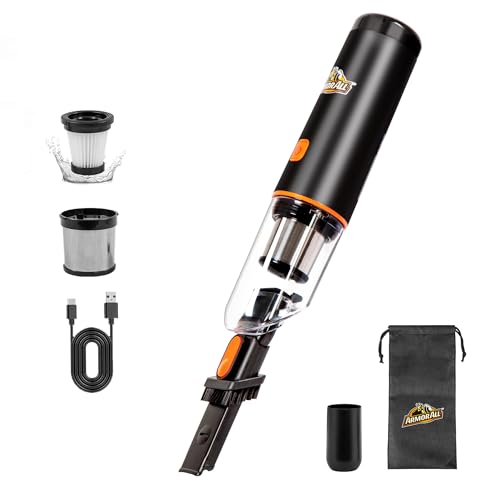
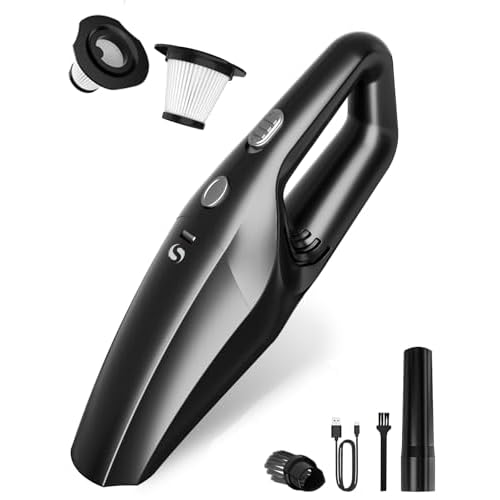
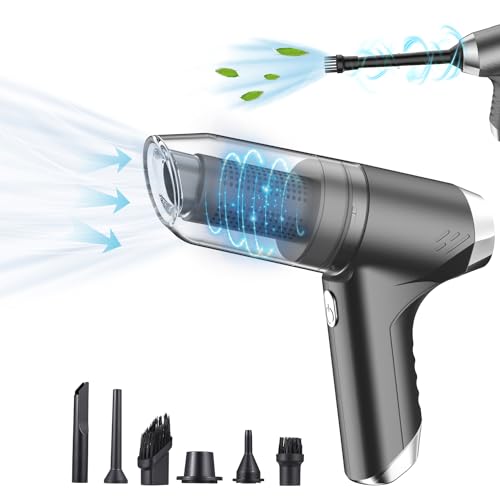
Selecting between a corded and cordless car vacuum ultimately comes down to balancing suction longevity with physical mobility. According to verified research and expert automotive accessory sources, matching your cleaning frequency to the correct power source ensures optimal interior maintenance without unnecessary frustration. As a definitive next step for 2026, evaluate your primary parking location today and choose the vacuum type that eliminates logistical barriers to your cleaning routine.
❓ Frequently Asked Questions
Do corded car vacuums drain the car battery?
If plugged into the 12V socket while the engine is off, a corded vacuum can drain your car battery fairly quickly. It is always recommended to keep the car engine running while using a 12V corded model.
Can cordless car vacuums handle pet hair and embedded dirt?
High-end cordless models with motorized brush attachments can handle pet hair, but cheaper models may struggle with deeply embedded debris compared to corded alternatives.
Audible Premium Plus — Annual Membership
12 audiobook credits up front, plus the full Audible catalogue.
See Annual PlansIs it better to plug a corded vacuum into a wall outlet or the car?
Wall outlet-powered vacuums (standard AC) offer significantly more power than 12V car socket vacuums, though 12V models provide better reach if you park away from your house.
How long do cordless car vacuum batteries last over time?
Lithium-ion batteries in modern cordless vacuums typically last 2 to 4 years before noticing a significant decline in overall maximum charge capacity.
Are bagless designs standard for both corded and cordless vacuums?
Yes, nearly all modern car vacuums use bagless transparent dust cups that make it easy to see when they need to be emptied.
Which vacuum is better for large SUVs and trucks?
Cordless vacuums are often preferred for larger vehicles because you do not have to worry about extension cords reaching the third row or trunk bed.