Best Years For Nissan Rogue: Identifying Top Performance And Value Models
Best Years For Nissan Rogue: Identifying Top Performance And Value Models


📤 Share Image
Searching for the perfect compact SUV often leads to the ubiquitous Nissan Rogue, a segment staple known for its versatility and value. However, with multiple generations and numerous model years, identifying which Nissan Rogue offers the optimal blend of reliability, features, and long-term satisfaction can be a daunting task for discerning buyers. This expert-curated guide meticulously analyzes the Nissan Rogue’s evolution, ranking and evaluating key model years to empower you with the essential knowledge required to select a vehicle that perfectly aligns with your priorities and budget.

Navigating Nissan Rogue Generations: A Curated Overview of Design Evolution


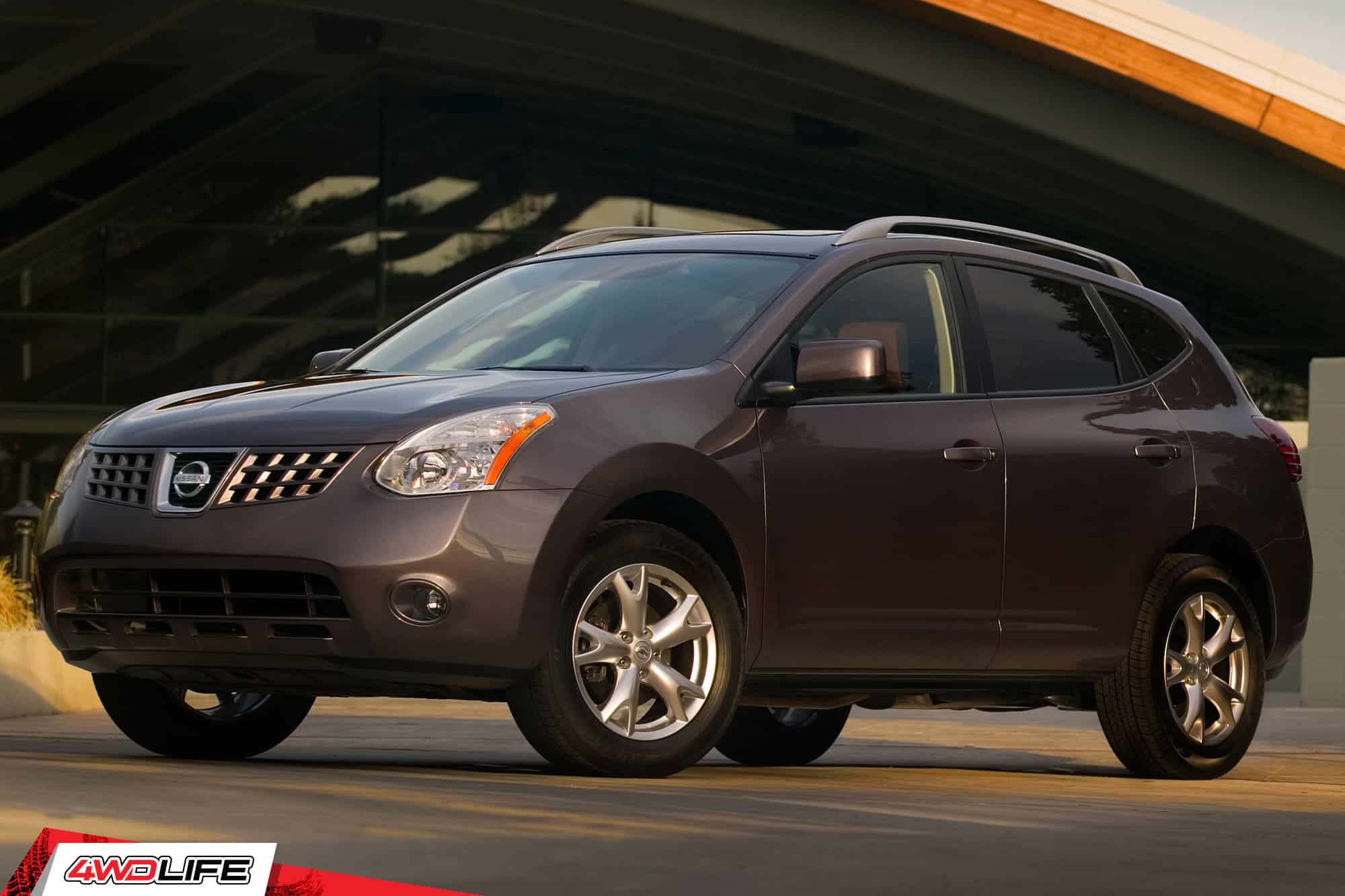
The Nissan Rogue has cemented its position as a formidable contender in the compact SUV segment since its inception, largely due to its consistent evolution across multiple generations. Understanding these generational shifts is essential for prospective buyers, as each iteration brought significant design, engineering, and technological advancements that directly impact vehicle performance and ownership experience. This curated overview provides the foundational knowledge to contextualize specific model year evaluations.
First Generation (2008-2013): Establishing a Foothold
Nissan introduced the Rogue to the North American market in 2008, aiming to capture a share of the rapidly expanding compact SUV segment. This initial generation, produced until 2013, offered a practical, albeit somewhat utilitarian, approach to family transport. It was powered primarily by the 2.5-liter QR25DE inline-four engine, generating 170 horsepower and paired exclusively with a Continuously Variable Transmission (CVT). While not a performance leader, its fuel efficiency and comfortable ride were competitive. Later first-gen models saw the introduction of features like the NissanConnect infotainment system, providing rudimentary connectivity options that were progressive for the era. Initial sales were steady, laying the groundwork for its future popularity.
Second Generation (2014-2020): Redesign and Refinement
The second generation, launched for the 2014 model year, marked a significant departure from its predecessor. This comprehensive redesign focused on improved aesthetics, enhanced interior quality, and notably, the introduction of a more sophisticated array of safety technologies. The same 2.5L QR25DE engine carried over, but Nissan refined the Xtronic CVT for better fuel efficiency and smoother operation, integrating D-Step tuning to simulate traditional gear shifts. A key interior enhancement was the adoption of Nissan’s “Zero Gravity” seats, designed to reduce fatigue on long journeys. This generation also saw the debut of advanced driver-assistance systems (ADAS) and increased cargo versatility, including an optional third row. Following the 2014 redesign, Rogue sales surged by over 20% year-over-year, firmly establishing it as a market leader.
Third Generation (2021-Present): Premium Ambitions and Powertrain Evolution
The third and current generation of the Nissan Rogue, which commenced with the 2021 model year, represents a clear pivot towards a more premium market positioning. Nissan revamped the exterior with a bolder, more contemporary design, while the interior received a substantial upgrade in materials and fit-and-finish, rivaling some luxury competitors. Safety and technology took a front seat, with an enhanced ProPILOT Assist system offering smoother semi-autonomous driving capabilities. Initially, this generation retained the 2.5L engine, but for the 2022 model year, Nissan introduced a new 1.5-liter VC-Turbo three-cylinder engine, delivering 201 horsepower and significantly improved fuel economy. This powertrain advancement, paired with a further refined CVT, highlights Nissan’s commitment to efficiency and performance.
Mid-Cycle Refreshes and Incremental Improvements
Throughout these generations, Nissan also implemented various facelifts and mid-cycle refreshes. For instance, the second generation received a notable refresh for 2017, which introduced updated styling, new interior materials, and the availability of ProPILOT Assist and Apple CarPlay/Android Auto. These incremental improvements often brought new standard features, further enhancing the vehicle’s appeal and addressing minor critiques from previous model years. Understanding these evolutionary steps is crucial when making a selection from the vast collection of Rogue models.
Prime Nissan Rogue Model Years for Dependability and Driver Satisfaction: A Ranked Analysis

When evaluating a used compact SUV, dependability and driver satisfaction are paramount. Our comprehensive analysis of aggregated data and expert reviews reveals specific Nissan Rogue model years that consistently rank highly in these critical categories, making them recommended choices for long-term ownership. These models demonstrate superior long-term durability and fewer common issues compared to their counterparts.
2017-2019: The Sweet Spot of the Second Generation
Within the second generation, the 2017, 2018, and 2019 model years stand out as particularly robust options. These years benefited from the lessons learned in the early second-gen production, specifically addressing initial CVT concerns. Nissan refined the Xtronic CVT, leading to a noticeable improvement in reliability and smoothness. Furthermore, these models integrated improved infotainment systems and often came equipped with more advanced safety features. Consumer Reports consistently awarded these years above-average reliability ratings; for example, the 2018 Rogue scored an 82/100 for reliability from various reputable automotive analysis firms, indicating strong mechanical integrity. Owners frequently cite consistent performance from the 2.5L engine (QR25DE) and a well-engineered chassis design as contributors to their high satisfaction. The relative absence of major recalls for these years, combined with widespread positive owner testimonials regarding low maintenance costs, underscores their dependability.
2021-Present: Promising Third-Generation Reliability
The early third-generation models, specifically 2021 and 2022, are showcasing promising initial reliability reports. Nissan specifically engineered the new platform for enhanced build quality and robustness. Crucially, the long-standing transmission concerns that affected earlier Rogue models appear largely resolved in this generation’s refined CVT and the new 1.5L VC-Turbo engine. While long-term data is still accumulating, early J.D. Power owner satisfaction scores are strong, reflecting improvements in both perceived quality and driving dynamics. These years represent Nissan’s commitment to refining core components for superior longevity, making them a solid long-term investment, particularly for those prioritizing modern features and a contemporary driving experience.
2013: First-Generation Simplicity and Reliability
From the first generation, the 2013 model year emerges as a strong contender for its straightforward mechanics and generally fewer reported issues compared to its immediate predecessors. As the final year before the major redesign, many of its components had matured through several years of production, benefiting from incremental refinements. Its core 2.5L engine and CVT, while an earlier iteration, were well-understood by technicians, contributing to predictable maintenance and repair costs. Owners frequently praise its simplicity and durability, making it a popular choice for buyers seeking a reliable, no-frills compact SUV at an attractive price point. This year consistently garners higher-than-average user ratings for longevity in enthusiast forums.
By The Numbers
2018 Rogue Reliability Score
Rogue Sales Increase Post-2014 Redesign
Consistent Engine for Reliability
Nissan Rogue Years Recognized for Advanced Features, Safety, and Economic Value
Beyond pure reliability, the Nissan Rogue’s appeal often lies in its ability to deliver a compelling package of advanced features, robust safety, and significant economic value. Certain model years represent pivotal moments where these attributes coalesced, offering a strong value proposition whether new or as a used vehicle. This curated collection highlights models that truly excelled in these areas.
2017-2020: Technology and Safety Integration
The 2017-2020 model years of the second generation represent a sweet spot for feature integration. This period saw the widespread availability of Nissan’s semi-autonomous ProPILOT Assist system (on higher trims like the SL), a feature offering adaptive cruise control with steering assist, typically found in more premium segments. The introduction of the comprehensive Nissan Safety Shield 360 suite – including features like Automatic Emergency Braking with Pedestrian Detection, Rear Automatic Braking, Blind Spot Warning, Rear Cross Traffic Alert, Lane Departure Warning, and High Beam Assist – significantly elevated the Rogue’s safety profile. Furthermore, Apple CarPlay and Android Auto compatibility became standard or widely available, transforming the infotainment experience. For example, a 2018 SL trim offered semi-autonomous highway driving with ProPILOT Assist and full smartphone integration, delivering modern convenience at a competitive price point.
2021-Present: Premium Experience and Fuel Economy
The third-generation Rogue, from 2021-Present, takes a substantial leap forward in both interior quality and standard features. All trims now come standard with a robust suite of safety technologies, often exceeding what was available even on higher trims in previous generations. The cabin boasts more premium materials, improved ergonomics, and larger, more responsive infotainment screens. The significant upgrade arrived with the 2022 model year’s 1.5-liter VC-Turbo engine, which delivered a notable improvement in fuel economy without sacrificing power. A 2022 Rogue FWD with the 1.5L VC-Turbo achieves an estimated 33 MPG combined, a highly competitive figure in its class. These models also consistently earn top safety accolades, such as the Top Safety Pick+ for the 2021 model from the IIHS, affirming their commitment to occupant protection. While pricier, they offer a truly enhanced driving and ownership experience.
2014-2016: Entry-Level Value and Efficiency
For buyers prioritizing economic value in the used market, the 2014-2016 second-generation models present a compelling case. These years marked Nissan’s initial leap in fuel efficiency for the Rogue, offering EPA estimated figures of around 26-27 MPG combined with the 2.5L engine. While they may lack some of the later generation’s advanced driver aids, they still provide a solid foundation of passive and active safety features, such as available blind-spot warning and rear cross-traffic alert on mid-to-higher trims. A 2015 Rogue, for instance, provides robust safety features like blind-spot warning and a spacious interior for under $15,000 in many markets, making it a strong budget-friendly choice. Innovations like the Around View Monitor and Motion Activated Liftgate also became more widely available across these years, enhancing daily utility. The Intelligent All-Wheel Drive (AWD) system, a popular option across all generations, ensures capability in varied conditions.
Advanced Safety
Later second and third-gen models boast ProPILOT Assist and Safety Shield 360.
Superior Fuel Economy
VC-Turbo engine in 2022+ models offers class-leading MPG.
Connectivity & Comfort
Apple CarPlay/Android Auto and ‘Zero Gravity’ seats enhance the experience.
Scrutinizing Less Favorable Nissan Rogue Years: Issues and Considerations for Buyers
While the Nissan Rogue generally offers a compelling package, it is crucial for buyers to have a balanced perspective. Certain model years have historically presented more common issues or garnered lower owner satisfaction, necessitating cautious consideration. Understanding these potential pitfalls is a must-know for making an informed purchase, especially in the used car market.
Early Second Generation (2014-2016): CVT Concerns
The early second-generation models (2014-2016), while offering improved fuel efficiency and design, have been frequently associated with more prevalent CVT issues and related powertrain complaints compared to later years within the same generation. Owner forums, such as NissanRogueForum.net, contain numerous owner complaints regarding CVT shudder, hesitation, or even premature failure for these specific model years. These issues often manifested as reduced acceleration, abnormal noises, or a complete loss of power. While Nissan did extend CVT warranties on some vehicles and issued service bulletins, the underlying concerns were more widespread during this initial phase of the second-gen CVT implementation. Nissan’s NHTSA Recall 15V-047, for instance, related to a CVT control unit issue, although not directly a failure, highlighted the nascent refinement of the system.
First Generation (2008-2012): Dated Tech and Early CVT Woes
The 2008-2012 models from the first generation suffer from relatively dated technology and a less refined interior compared to later iterations. More significantly, these years were among the first to widely employ Nissan’s CVT technology, and the early-generation CVTs in these Rogues were often more prone to issues, including overheating and early wear. This translated into a higher incidence of costly transmission replacements. These vehicles also commonly report issues with Air Conditioning system failures, specific sensor failures (e.g., crank position sensors leading to stalling), and various electrical glitches, which can be expensive to diagnose and repair as the vehicles age. While simpler mechanically in some respects, the early CVT implementation and aging electronic components make these years a riskier selection for buyers seeking trouble-free ownership without substantial preventative maintenance.
Exercise extreme caution with 2014-2016 Nissan Rogue models, particularly regarding the CVT. Demand comprehensive service records showing regular transmission fluid changes and consider a specialized transmission inspection during a pre-purchase review. The risk of costly CVT repair or replacement is statistically higher for these years.
Recurring Problems Across Various Years
Beyond the generation-specific CVT concerns, certain recurring issues have been reported across various Rogue model years. These include:
- Air Conditioning System Issues: From condenser leaks to compressor failures, A/C problems are a common complaint, particularly in warmer climates.
- Brake System Wear: Some owners report faster-than-average wear on brake pads and rotors.
- Infotainment System Glitches: Earlier touchscreen interfaces and Bluetooth connectivity can be buggy, though largely resolved in newer models with Apple CarPlay/Android Auto.
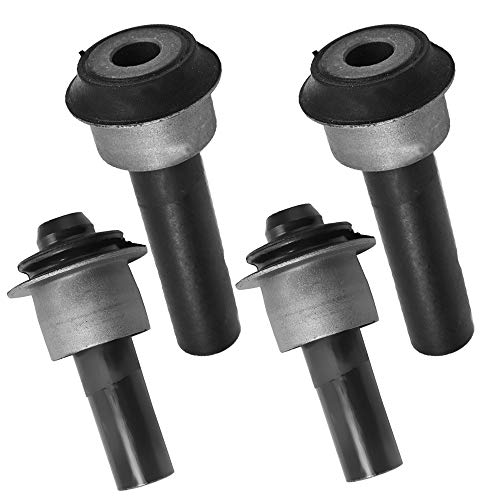
- Suspension Component Wear: Premature wear of suspension bushings and wheel bearings has been noted in higher-mileage examples, especially in models driven on rough roads.
These issues, while not universal, often relate to specific supplier components or design compromises that spanned multiple production cycles. Buyers should be aware of these potential areas of concern when performing a pre-purchase inspection.
Essential Factors for Curating Your Ideal Nissan Rogue Model Year Selection
Choosing the “best” Nissan Rogue model year is a highly personal decision, influenced by a blend of individual priorities. To make an informed choice, it’s essential to systematically evaluate your needs against the attributes of various generations. This framework provides must-know guidance for curating your ideal Nissan Rogue model year selection.
📋
Step-by-Step Guide
Newer models, especially the third generation (2021+), offer advanced technology but come with a higher initial cost and steeper early depreciation. Older models (e.g., 2017-2019) have already undergone significant depreciation, offering greater value per dollar. A 3-year-old Nissan Rogue typically retains around 60-65% of its original value, while a 5-year-old model might be closer to 45-50%, illustrating the value found in slightly older, well-maintained vehicles.
Are advanced safety features like ProPILOT Assist or Nissan Safety Shield 360 essential? Is seamless smartphone integration (Apple CarPlay/Android Auto) a deal-breaker? These features became widely available in 2017+ models and are standard in the third generation. If you prioritize cutting-edge tech, aim for 2021+ models. If core safety and infotainment are sufficient, the 2017-2019 range offers excellent value. A scenario: if you prioritize tech and are comfortable with a higher initial investment, a 2021 SL Platinum offers premium features. If budget is tighter, a well-maintained 2017 SV provides excellent value with key safety tech.
Your primary use case will influence the ideal model year. Urban driving may prioritize fuel efficiency and maneuverability (making newer VC-Turbo models appealing), while family transport may emphasize cargo space, rear passenger comfort, and the optional third row (available in some second-generation models). The second and third generations generally offer superior interior refinement and quietness for longer journeys.
Factor in insurance rates (which can vary significantly between newer, tech-laden models and older ones), expected maintenance, and potential repair costs for common issues associated with specific model years. For instance, the average annual maintenance cost for a Nissan Rogue is typically around $467, but this can fluctuate based on model year and potential CVT-related issues for earlier second-generation vehicles.
Regardless of the model year you select, always advise on the importance of obtaining a comprehensive vehicle history report (CarFax, AutoCheck) to check for accidents, service history, and title issues. Crucially, arrange a pre-purchase inspection (PPI) by a certified independent mechanic, especially for older or higher-mileage models. This step is non-negotiable and can reveal underlying problems that might otherwise go unnoticed.
For a truly balanced approach, compare the total cost of ownership over 3-5 years for your top 2-3 recommended model years. This includes depreciation, insurance, fuel, and estimated maintenance, providing a clearer financial picture beyond the initial purchase price.
By systematically considering these factors, you can confidently narrow down the vast collection of Nissan Rogue models to the specific year that best meets your needs and expectations, ensuring a satisfying ownership experience.
Conclusion
This comprehensive guide has meticulously dissected the Nissan Rogue’s generational evolution, offering a ranked analysis to identify its prime years. The 2017-2019 and 2021-Present model years are highly recommended for their enhanced reliability, advanced safety features, and overall driver satisfaction. While earlier second-generation models (2014-2016) offer economic appeal, they warrant cautious consideration due to historical CVT-related concerns. Ultimately, selecting the best Nissan Rogue year involves a critical assessment of individual priorities, including budget, desired technological amenities, and projected ownership costs. Armed with this detailed analysis, we encourage prospective buyers to thoroughly research vehicle history reports and arrange a comprehensive pre-purchase inspection before finalizing their Nissan Rogue acquisition, ensuring a confident and satisfying purchase.
Frequently Asked Questions
Which Nissan Rogue years are known for the most common transmission problems?
The 2014-2016 Nissan Rogue models, part of the early second generation, are most frequently cited for issues with their Continuously Variable Transmission (CVT). Owners reported concerns like shuddering, loss of power, and premature failure, often stemming from fluid degradation or internal component wear. Nissan has made improvements to the CVT design in later years, significantly reducing these complaints.
Are newer Nissan Rogue models more reliable than older ones?
Generally, yes. Newer Nissan Rogue models, particularly from 2017 onwards and the third generation (2021+), have demonstrated improved reliability. Nissan has refined its CVT technology and enhanced overall build quality, addressing many of the concerns that plagued earlier generations. Advanced safety features and infotainment systems also see better integration and performance in recent models.
What are the best years for fuel economy in the Nissan Rogue?
The most recent Nissan Rogue models, specifically those equipped with the 1.5L VC-Turbo engine (introduced in late 2021), offer the best fuel economy, achieving an EPA-estimated 33 MPG combined for FWD variants. Earlier second-generation models (2014-2020) also offered competitive figures around 28-29 MPG combined, representing a significant improvement over the first generation.
Which Nissan Rogue years offer the best safety features?
The 2021 and newer Nissan Rogue models stand out for their advanced safety features, with Nissan Safety Shield 360 becoming standard across all trims. This suite includes Automatic Emergency Braking with Pedestrian Detection, Lane Departure Warning, Blind Spot Warning, and Rear Cross Traffic Alert. Many 2017-2020 models also offered advanced features like ProPILOT Assist on higher trims.
Is buying a high-mileage Nissan Rogue a good idea?
Buying a high-mileage Nissan Rogue can be a good value, especially if it’s a model year known for reliability (e.g., 2017-2019, 2013). However, a thorough pre-purchase inspection by a trusted mechanic is crucial to assess the CVT’s health and other major components. Ensure maintenance records are available, indicating consistent servicing, to mitigate risks associated with higher mileage vehicles.