Honda Accord Years to Avoid: Your Guide to Reliability Issues
Last Updated on September 1, 2026 by Ryan
When considering a used Honda Accord, it’s crucial to know that certain generations, particularly the 7th (2003-2007) and 8th (2008-2012) models, had notable reliability issues. Key problems include automatic transmission failures in V6 models and excessive oil consumption in 4-cylinder engines, making careful inspection essential.

Prime for Young Adults — 6 Months Free
Students and 18–24s get six months of Prime free, then half price.
Start 6 Months Free🎯 Key Takeaways
Recommended Best Deal Products


- Avoid 2003-2007 V6 Accords due to transmission issues.
- Beware 2008-2012 4-cylinder models for oil consumption.
- Research specific engine/transmission types for issues.
- Get pre-purchase inspection from trusted mechanic.
- Check service records for past major repairs.
While the Honda Accord generally enjoys a sterling reputation for reliability, certain model years stand out for persistent, expensive mechanical failures. If you’re considering a used Accord, you absolutely need to be aware of the seventh generation (2003-2007), particularly V6 models plagued by automatic transmission issues, and the eighth generation (2008-2012), notorious for excessive oil consumption in 4-cylinder engines and VCM-related problems in V6s.
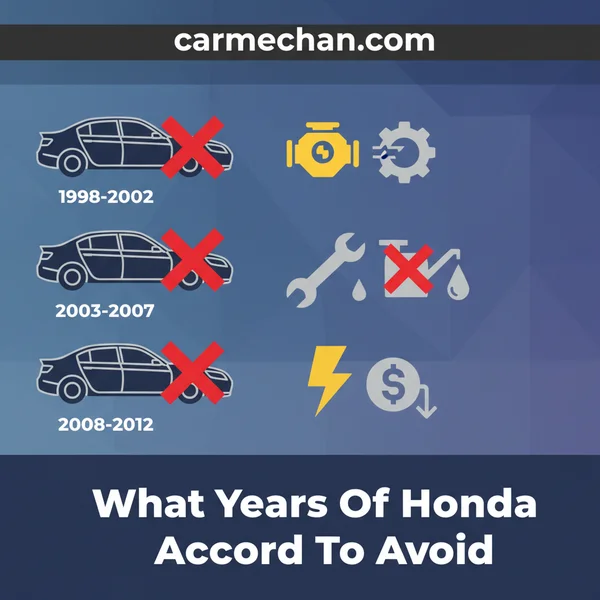
Knowing these specific pitfalls isn’t just about general caution; it’s about protecting your investment. Avoiding these problematic years, or knowing exactly what to look for if you’re set on one, can save you thousands in unexpected repairs and ensure your Accord provides the reliable transportation it’s famous for, rather than becoming a costly headache.
Identifying Problematic Honda Accord Generations and Model Years
The Troubled Seventh Generation (2003-2007)
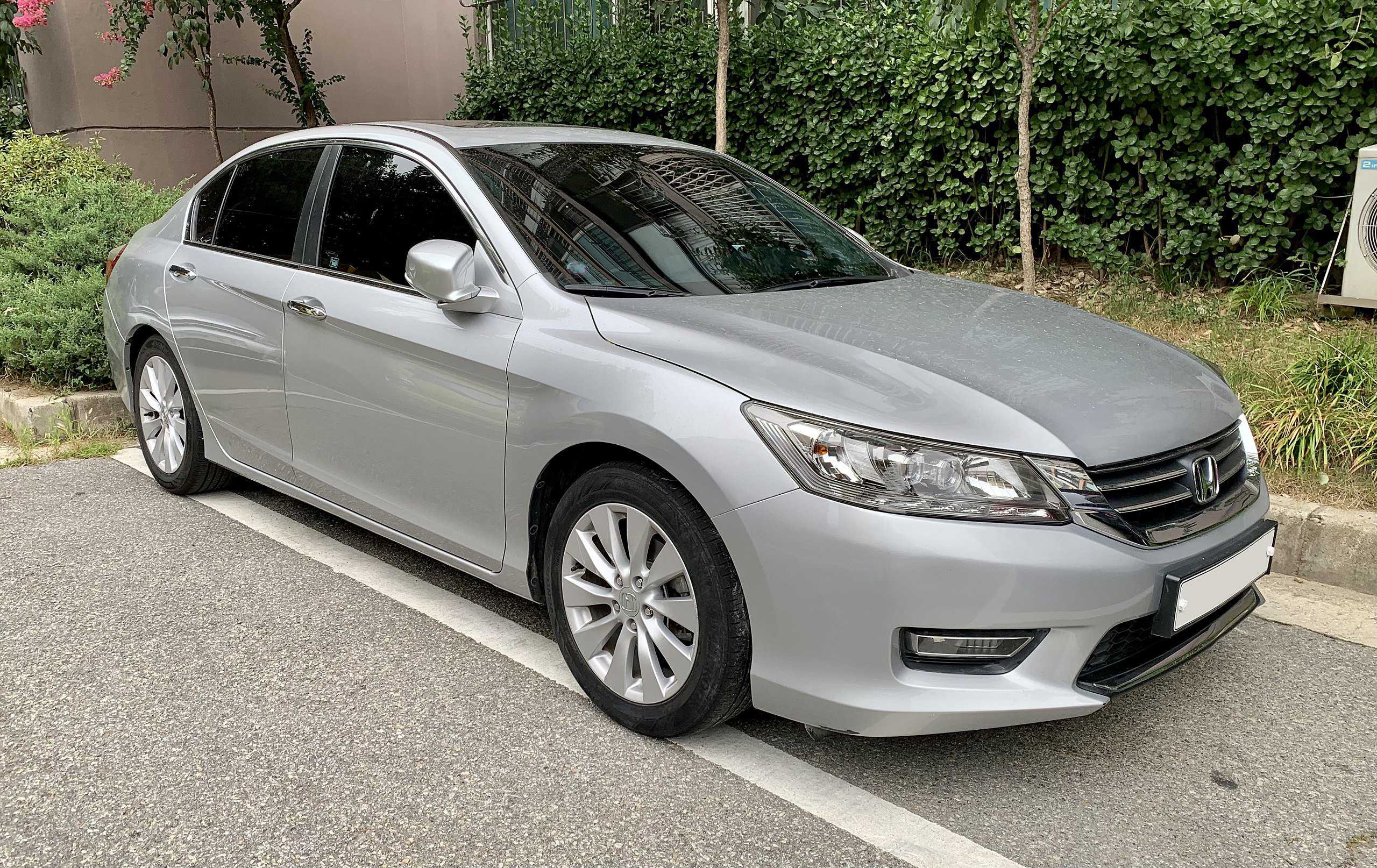
The seventh generation of the Honda Accord, spanning from 2003 to 2007, represents a significant reliability concern, primarily due to widespread automatic transmission failures. This issue disproportionately affects models equipped with the more powerful V6 engine, though 4-cylinder automatic transmissions weren’t entirely immune.
📤 Share
💾 Download
- Model Years: 2003, 2004, 2005, 2006, 2007
- Primary Issue: Catastrophic automatic transmission failure, especially prevalent in V6 models.
- Why it matters: This isn’t a minor recall; it’s a systemic design flaw that often leads to total transmission replacement, a major financial burden for owners.
While the 4-cylinder versions of this generation are generally more robust, careful pre-purchase inspection of their transmissions is still advisable. The V6 models, however, are a red flag for any used car buyer seeking long-term dependability without major repair costs.
Eighth Generation’s Engine Woes (2008-2012)
Following the transmission issues, the eighth-generation Accord, produced from 2008 to 2012, introduced new engine-related reliability challenges. These problems manifest differently depending on whether you’re looking at a 4-cylinder or V6 model.
- Model Years: 2008, 2009, 2010, 2011, 2012
- Primary Issues:
- 4-Cylinder Models: Widespread reports of excessive oil consumption.
- V6 Models: Problems linked to the Variable Cylinder Management (VCM) system, often leading to significant engine damage.
- Why it matters: Both issues point to fundamental engine design or operational flaws that can lead to premature wear, reduced performance, and costly repairs or even engine replacement.
These engine-specific problems make the eighth generation a contentious choice for many used Accord shoppers, as they can lead to ongoing maintenance headaches and substantial repair bills down the line if not addressed proactively.
Common Reliability Issues: Transmissions, Engines, and More
Automatic Transmission Failures (2003-2007 V6 Models)
The automatic transmissions in the seventh-generation V6 Accords are particularly infamous. Owners frequently reported symptoms like slipping gears, harsh or delayed shifts, a “check engine” light, and eventually, complete transmission failure. The underlying cause points to premature wear of internal clutch packs and components, exacerbated by heat buildup and potential design weaknesses.
- Symptoms: Slipping gears, harsh shifting, delayed engagement, grinding noises, transmission fluid leaks, sudden loss of power, “D4” light flashing.
- Underlying Causes: Internal component wear, fluid degradation from excessive heat, design flaws in the clutch pressure plates.
- Safety Implications: Loss of power during acceleration or at speed can pose a significant safety risk.
- Estimated Repair Costs: A full transmission rebuild or replacement typically ranges from $3,000 to $5,000+, making it one of the most expensive repairs.
This is not a minor fix; it often requires a total transmission overhaul or replacement, severely impacting the car’s value and your wallet.

Audible — Listen Free for 30 Days
One free credit a month and thousands of titles included.
Listen Free for 30 DaysExcessive Oil Consumption (2008-2012 4-Cylinder Models)
Many 4-cylinder Accords from the eighth generation suffered from a defect causing them to burn oil at an alarming rate. This wasn’t just a slight top-off; some owners reported needing to add a quart of oil every 1,000-2,000 miles. The issue stems from faulty piston rings which allow engine oil to bypass into the combustion chamber and burn off.
- Symptoms: Low oil light illuminating frequently, needing to add oil between regular changes, blue smoke from the exhaust, fouled spark plugs, reduced engine performance.
- Underlying Causes: Defective piston rings failing to properly seal the combustion chamber. Honda issued a technical service bulletin (TSB) and extended the warranty for some vehicles.
- Safety Implications: Running critically low on oil can lead to catastrophic engine failure. Excessive oil burning can also damage the catalytic converter.
- Estimated Repair Costs: Solutions range from frequent oil top-offs (ongoing cost) to a complete engine rebuild or replacement, which can cost anywhere from $2,000 to $4,000+.
Ignoring this problem is not an option, as it will inevitably lead to further, more serious engine damage.
VCM System Problems (2008-2012 V6 Models)
The V6 engines in the eighth-generation Accords featured Honda’s Variable Cylinder Management (VCM) system, designed to improve fuel economy by deactivating cylinders during light cruising. While innovative, this system frequently led to reliability issues. Uneven wear on cylinder walls, fouled spark plugs, and excessive oil consumption are common outcomes because cylinders that are frequently deactivated suffer from oil pooling and less lubrication.
- Symptoms: Excessive oil consumption (similar to 4-cylinder but VCM-related), misfires, spark plug fouling, premature engine wear, vibrations or shuddering during VCM activation/deactivation.
- Underlying Causes: Inconsistent wear on cylinder walls due to VCM operation, leading to oil bypassing piston rings.
- Safety Implications: Engine misfires can cause reduced power or stalling. Long-term, it can lead to significant engine damage or failure if unaddressed.
- Estimated Repair Costs: Repair involves replacing piston rings or engine components, potentially costing thousands of dollars. Many owners opt for a VCM deactivation device (around $100-$200) to mitigate the issue, though this doesn’t fix existing damage.
While the VCM system promised efficiency, its reliability flaws make these V6 models a significant concern for longevity.
What to Look For: Specific Symptoms and Warning Signs
Even if you’re eyeing an Accord from a potentially problematic generation, knowing what specific symptoms to watch for can save you a lot of heartache. These aren’t just “quirks”; they’re often red flags screaming “major repair ahead!”
Transmission Troubles: The Warning Signals
For Accords from the late 90s through the early 2000s (especially the 6th and 7th generations), transmission issues are the big one. During your test drive, pay close attention to how the car shifts gears.
- Slipping or Hesitation: Does the engine rev high without the car accelerating smoothly, especially when changing gears? This “slipping” indicates the transmission isn’t engaging properly.
- Harsh or Delayed Shifts: Feel a jolt or a noticeable delay when the transmission shifts, particularly between first and second gear? This is a common symptom of internal wear.
- Unusual Noises: Whining, clunking, or grinding sounds coming from the transmission area are never good signs.
- Fluid Condition: If possible, check the transmission fluid. It should be reddish-pink and transparent, not dark brown or smell burnt.
Many owners from these years reported sudden transmission failures, sometimes with little to no warning, making a thorough check crucial.
Engine and Electrical Red Flags
Later generations had their own sets of issues, often revolving around the engine and some electrical components. Here’s what to specifically look out for:
- Excessive Oil Consumption (8th Gen 4-Cylinder): Check the oil level diligently. If it’s consistently low between oil changes and there are no visible leaks, it could be burning oil internally.
- VCM Stutter or Vibration (V6 Models 8th/9th Gen): If you’re test driving a V6, pay attention to any shuddering or hesitation, especially at highway speeds when the Variable Cylinder Management (VCM) system is active. Some owners also report rough idling or excessive engine noise related to VCM.
- Dashboard Warning Lights: The “Check Engine” light, obviously, but also look for the “Maintenance Required” light (if not recently reset) or battery warnings.
- Electrical Glitches: Test all power windows, mirrors, lights, and the infotainment system. Flickering lights or intermittent functionality could signal a deeper electrical problem or a failing alternator/battery.
Always remember, a vehicle’s warning lights are there for a reason – don’t ignore them!
Audible Premium Plus — Annual Membership
12 audiobook credits up front, plus the full Audible catalogue.
See Annual PlansMaking an Informed Purchase: Pre-Buy Checks and Generally Reliable Accord Years
Beyond knowing which years to approach with caution, adopting a proactive mindset before purchasing is your best defense. A little upfront effort can prevent significant headaches and expenses down the line.
Essential Pre-Purchase Diligence
Even for Accord models with a stellar reputation, diligence is key. A car’s individual history can significantly impact its reliability, regardless of its model year.
- Review Service Records: Ask for a complete maintenance history. Regular oil changes, fluid flushes, and timely repairs indicate a well-cared-for vehicle. Gaps in service or a history of recurring issues should raise a red flag.
- Get a Pre-Purchase Inspection (PPI): This is arguably the most crucial step. Have an independent, trusted mechanic (preferably one familiar with Hondas) thoroughly inspect the car. They can spot issues that a casual observer might miss, from minor leaks to underlying transmission problems.
- Run a VIN Check: Services like Carfax or AutoCheck can reveal accident history, previous ownership, mileage discrepancies, and recall completion status.
- Thorough Test Drive: Drive the car on various road types and at different speeds. Listen for unusual noises, feel for vibrations, and pay attention to how the steering, brakes, and transmission respond.
Don’t rush the process. A reliable car is an investment, and it’s worth taking the time to ensure it’s a sound one.
Accord Generations That Shine
While some generations have their known flaws, the Honda Accord generally has a strong reputation for durability. Here are some model years and generations often praised for their reliability, offering a more worry-free ownership experience:
- 5th Generation (1994-1997): Many enthusiasts consider these models robust and long-lasting, often reaching high mileage with proper care.
- Late 8th Generation (2011-2012, 4-Cylinder models): While earlier 8th-gen 4-cylinders had oil consumption issues, later models, especially the 4-cylinder variants, showed significant improvements and offered solid reliability. V6 models still carry the VCM concern.
- 9th Generation (2013-2017, especially 4-Cylinder): These models are widely lauded for their reliability, comfortable ride, and fuel efficiency. If considering a V6, look for evidence of VCM deactivation or careful maintenance.
- 10th Generation (2018-2022): The most recent generation maintains a strong reliability record, though its newer turbocharged engines require consistent maintenance. Early models had some infotainment software bugs, but mechanically, they are very solid.
Focusing on these generally stronger years, combined with diligent pre-purchase checks, significantly increases your chances of finding a fantastic Honda Accord.
Conclusion
The Honda Accord’s legacy as a reliable, practical, and enjoyable car is well-deserved, but like any vehicle, some years stand out more than others when it comes to potential pitfalls. By understanding the specific issues that affected certain generations, particularly the automatic transmission woes of the late 90s to early 2000s and engine concerns in some later models, you can navigate the used car market with confidence.
Remember, thorough research and a professional pre-purchase inspection are your best tools. Armed with this knowledge, you’re well-equipped to avoid common traps and find a Honda Accord that will serve you faithfully for years to come. Happy hunting for your next reliable ride!
❓ Frequently Asked Questions
What specific Accord model years should I absolutely try to avoid, and why?
Focus on avoiding 2003-2007 Accords, particularly V6 models, due to notorious automatic transmission failures. The 2008-2012 4-cylinder models are also often flagged for excessive oil consumption and VTC actuator issues.
What are the common transmission problems in the 7th Generation Honda Accord (2003-2007)?
The automatic transmissions in these years, especially with the V6 engine, are prone to premature failure, often manifesting as slipping, delayed engagement, or complete loss of gears, requiring expensive rebuilds or replacements.
Can you elaborate on the excessive oil consumption issue in the 8th Generation (2008-2012) 4-cylinder Accord?
Many 2008-2012 2.4L 4-cylinder Accords consume oil at an accelerated rate, often requiring owners to add oil between scheduled changes. This can be due to piston ring issues, potentially leading to engine damage if not monitored.
Are there any electrical problems to watch out for in specific Accord years?
While less widespread than mechanical issues, some models, particularly in the mid-2000s, had minor electrical gremlins related to power windows, air conditioning, and dashboard lights that can be annoying but usually less critical than powertrain issues.
If I’m considering an Accord from a ‘problematic’ year, what should I do during a pre-purchase inspection?
Prioritize a thorough inspection by a trusted mechanic, specifically checking for transmission fluid condition (no burnt smell or dark color), engine oil levels, and any signs of leaks. Also, get a full diagnostic scan for trouble codes and review service history meticulously.
Which Honda Accord years are generally considered reliable and safe to buy?
Accords from the 6th Generation (1998-2002) are often praised for robust reliability. More recently, 9th Generation (2013-2017) and 10th Generation (2018-2022) models are highly regarded for their overall dependability and fewer widespread mechanical issues.