Jeep Renegade Years to Avoid: Key Reliability Issues & Buyer’s Guide
Last Updated on September 1, 2026 by Ryan
When considering a used Jeep Renegade, the 2015-2017 model years are generally considered the most problematic due to widespread transmission, engine, and electrical issues. While newer models show improvement, careful inspection and a thorough history check are crucial for any used Renegade to mitigate potential future repair costs.

Prime for Young Adults — 6 Months Free
Students and 18–24s get six months of Prime free, then half price.
Start 6 Months Free🎯 Key Takeaways
Recommended Best Deal Products


- Avoid 2015-2017 Renegade models for best reliability.
- Prioritize 2018+ models for fewer reported issues.
- Always get a pre-purchase inspection by a trusted mechanic.
- Review vehicle history reports for all used Renegades.
- Budget for potential repairs even on ‘better’ years.
If you are considering a used Jeep Renegade, understanding which model years carry significant reliability risks is crucial for avoiding costly headaches. The most problematic years for the Jeep Renegade, due to a high volume of consumer complaints and recurring mechanical and electrical failures, are primarily the 2015 through 2018 models. These early production years saw widespread issues with the automatic transmission, electrical system, and engine performance, making them a gamble for buyers. Knowing these specific pitfalls can save you from unexpected repair bills and a frustrating ownership experience.
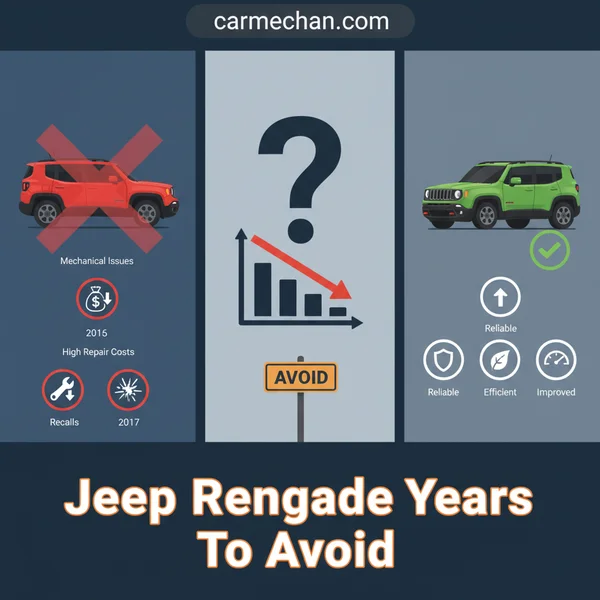
This insight is not just about identifying a “bad” car; it’s about making an informed decision tailored to your budget and risk tolerance. While the Renegade offers unique styling and off-road capability for its class, certain years simply don’t deliver on dependability. By pinpointing the exact problems associated with these models, you can either steer clear entirely or approach a potential purchase with a clear understanding of what you might be getting into.
Identifying the Most Problematic Jeep Renegade Model Years
The initial years of the Jeep Renegade’s production are consistently cited as the least reliable. Buyers should exercise extreme caution when considering models from 2015 to 2018, as these vehicles frequently exhibit severe issues that impact long-term ownership and safety.
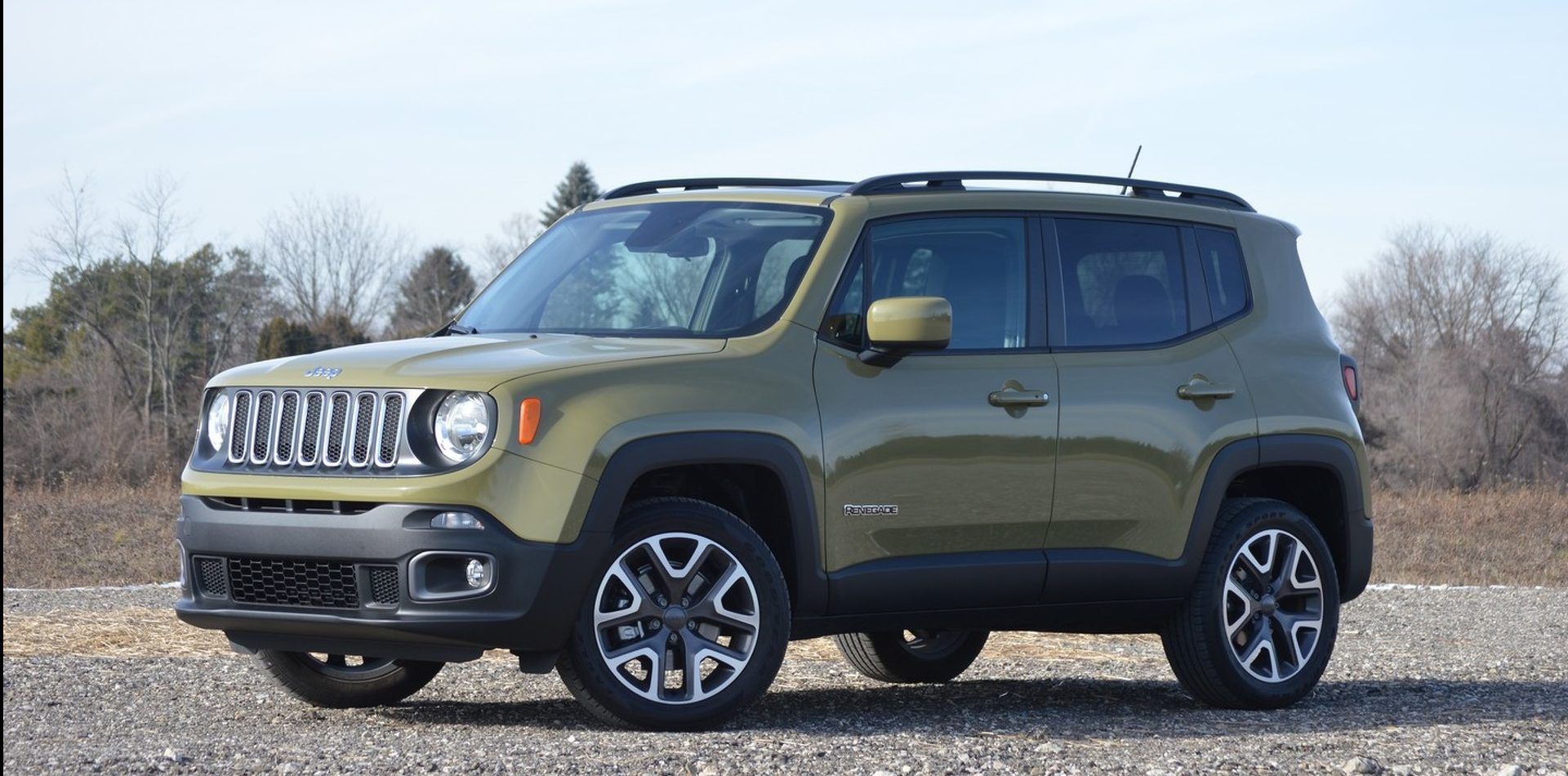
The Troublesome Early Years: 2015-2016
The launch of the Jeep Renegade in 2015 was plagued by significant mechanical and electrical issues, many of which continued into the 2016 model year. The notorious ZF9HP 9-speed automatic transmission is the primary culprit here. Owners reported:
- Harsh Shifting and Lag: Jerky shifts, delays in engagement, and difficulty finding the correct gear were common.
- Transmission Failure: Complete transmission breakdowns were not rare, often requiring expensive replacements or rebuilds costing upwards of $4,000-$6,000.
- Electrical System Malfunctions: Persistent issues with wiring harnesses, sensor failures, and infotainment glitches led to warning lights, dead batteries, and non-functioning components.
- Engine Problems (2.4L Tigershark): The 2.4L engine, particularly, was known for excessive oil consumption, engine stalls, and even complete engine failure in some cases. Repairs for these could range from $3,000 for top-end work to over $7,000 for a new engine.
These problems often manifested early in the vehicle’s life, significantly diminishing reliability and resale value.
Lingering Issues in Mid-Cycle: 2017-2018
While Jeep attempted to address some of the issues through software updates and minor revisions, the 2017 and 2018 Renegade models still inherited many of the core design flaws. The 9-speed automatic transmission remained a source of frustration, with many owners continuing to report erratic behavior, albeit perhaps less frequent complete failures than earlier models. Key problems included:
- Persistent Transmission Quirks: Despite software flashes, many transmissions still exhibited clunky shifts and hesitations, impacting driving comfort and confidence.
- HVAC System Failures: Issues with the heating, ventilation, and air conditioning systems, including blower motor failures and blend door actuator problems, became more prevalent.
- Uconnect Infotainment Glitches: While not catastrophic, the Uconnect system experienced freezing, unresponsiveness, and Bluetooth connectivity problems that detracted from the user experience.
- Steering and Suspension Noises: Some owners reported premature wear in suspension components, leading to creaks, groans, and clunks, often requiring bushing or strut replacements.
These years represent a slight improvement over the initial releases but still carry substantial risks for reliability, indicating that fundamental design weaknesses were not fully resolved.
Common Reliability Issues Across Renegade Generations
Recommended Best Deal Products


Beyond the specific challenges of the earliest models, certain recurring issues have affected the Jeep Renegade across multiple production years. While these might not always render a specific year “unavoidable,” they are important considerations for any prospective buyer, even for generally more reliable models.

Audible — Listen Free for 30 Days
One free credit a month and thousands of titles included.
Listen Free for 30 DaysPersistent Drivetrain Concerns
The ZF9HP 9-speed automatic transmission, while updated over the years, has been a consistent point of contention for many Renegade owners. Even in later models (2019+), some drivers report:
- Inconsistent Shifting Logic: The transmission can still hunt for gears or exhibit awkward downshifts, particularly at lower speeds or when accelerating quickly.
- Rough Idle and Stalling: While less common in newer models, the interaction between the engine and transmission can sometimes lead to an unrefined idle or occasional stalls.
- 4WD System Glitches: Occasional reports of the 4WD system engaging unexpectedly or failing to engage when needed have surfaced, although these are typically less severe than early transmission failures.
These issues, while potentially less severe than those in the 2015-2018 range, underscore a fundamental lack of refinement in the drivetrain. Prospective buyers should thoroughly test drive any Renegade, paying close attention to transmission behavior.
Electrical Gremlins and Infotainment Quirks
Jeep Renegades, even newer ones, are not immune to electrical system eccentricities and infotainment frustrations. These often stem from complex wiring and software integration:
- Sensor Failures: Parking sensors, tire pressure monitoring system (TPMS) sensors, and various engine sensors can fail prematurely, leading to warning lights and sometimes limp-mode activation.
- Uconnect System Bugs: While improvements have been made, the Uconnect infotainment system can still experience occasional freezing, slow responsiveness, or difficulties with smartphone integration. These are usually resolved with software updates but can be irritating.
- Battery Drain: Some owners have reported unexplained battery drain, leading to dead batteries, which can be challenging to diagnose and fix.
It’s important to distinguish these issues from the catastrophic failures seen in earlier models. While annoying, these generally don’t render a vehicle inoperable. For contrast, the 2019 and newer Renegade models are generally considered more reliable, having benefited from a mid-cycle refresh and subsequent component refinements. These later years saw improvements in engine options and a reduction in the severity and frequency of the early transmission and major electrical system failures, making them a comparatively safer bet for used car buyers.
Which Jeep Renegade Years Are More Reliable?
While no vehicle is entirely without potential issues, some Jeep Renegade model years have consistently demonstrated better reliability records than their earlier counterparts. Understanding these trends can significantly improve your chances of finding a dependable used Renegade.

Later Models Show Improvement
Generally, the 2018 and newer Jeep Renegade models tend to exhibit fewer widespread critical issues compared to the launch years. This improvement can be attributed to several factors:
- Refined 9-Speed Automatic Transmission: By 2018, the ZF 9HP automatic transmission, a common source of complaints in earlier models, had received numerous software updates and hardware refinements. While still not universally praised, its performance became noticeably smoother and more consistent.
- Engine Tweaks: Jeep continuously made small adjustments to its engine offerings. The 2.4L Tigershark engine, for example, saw minor revisions that, in some cases, helped mitigate earlier oil consumption concerns.
- Infotainment and Electrical Stability: As the model matured, the Uconnect infotainment system and general electrical components often became more stable and bug-free, reducing frustrating intermittent issues.
- Introduction of New Powertrains: The 2019 model year introduced the new 1.3-liter turbocharged engine, which, while having its own characteristics, offered a fresh option for buyers looking for a different driving experience.
These later years benefit from continuous manufacturer feedback and iterative improvements, leading to a more polished and reliable overall package.
Prioritizing Maintenance Records and History
Even when looking at generally more reliable model years, the individual vehicle’s history is paramount. A 2018 Renegade with a neglected past could still be a bigger headache than a well-maintained 2017 model. Always prioritize a vehicle with a comprehensive and verifiable service history.
- Consistent Servicing: Look for proof of regular oil changes, transmission fluid checks (if applicable to the specific year/model), and routine maintenance as per the manufacturer’s schedule.
- Recall Completion: Ensure all applicable recalls have been addressed. Many early Renegade issues were fixed via software updates or component replacements under recall.
- Previous Ownership Care: A vehicle that has been cared for by its previous owners, indicated by clean interior/exterior and attention to detail, often suggests better mechanical upkeep too.
Essential Tips for Buying a Used Jeep Renegade
Recommended Best Deal Products


Regardless of the model year you’re considering, a strategic approach to purchasing a used Jeep Renegade can help you avoid common pitfalls and secure a good deal on a reliable vehicle.
Audible Premium Plus — Annual Membership
12 audiobook credits up front, plus the full Audible catalogue.
See Annual PlansThorough Pre-Purchase Inspection (PPI)
This is arguably the single most important step when buying any used car, especially a Renegade. Do not skip it. An independent, certified mechanic who specializes in European or Stellantis (formerly FCA) vehicles can provide invaluable insight.
- Engine Health: Ask the mechanic to check for oil leaks, unusual noises, proper fluid levels, and any fault codes stored in the ECU. Pay close attention to the 2.4L Tigershark engine for signs of excessive oil consumption or camshaft issues.
- Transmission Performance: Have them specifically assess the transmission for smooth shifts, responsiveness, and any clunking or hesitation. This is a critical area for Renegades.
- Electrical System: Ensure all lights, infotainment, climate control, power windows, and sensors (like parking sensors or blind-spot monitors) are fully functional. Many frustrating Renegade issues stem from electrical gremlins.
- Suspension and Undercarriage: Given its off-road aspirations (even if rarely used for it), check for worn bushings, shocks, CV joint boots, and any signs of damage from impacts.
A PPI can uncover hidden problems that aren’t immediately apparent during a test drive, saving you significant repair costs down the line.
Review Service History and Recalls
Beyond the PPI, actively investigate the vehicle’s past. A comprehensive history offers peace of mind and can inform your purchasing decision.
- VIN Lookup: Use the Vehicle Identification Number (VIN) to check for accident history reports (e.g., CarFax, AutoCheck) and a complete list of manufacturer recalls. Ensure any outstanding recalls have been completed by a dealership.
- Dealer Service Records: If possible, obtain service records from the selling dealership or previous owners. These provide a detailed timeline of maintenance and repairs. Look for consistency and adherence to recommended service intervals.
- Common Issues from History: See if the records show recurring repairs related to known Renegade problems, such as repeated transmission work or multiple electrical fixes. This could indicate a persistent underlying issue.
A well-documented vehicle history is a strong indicator of a cared-for car and a more reliable purchase.
Conclusion: Making an Informed Renegade Choice
The Jeep Renegade, with its distinctive styling and adventurous spirit, can be a great compact SUV. However, like many vehicles, certain model years, particularly the early 2015-2017 production runs, have faced more widespread reliability challenges, primarily with their transmissions, engines, and electrical systems. Fortunately, later models, especially from 2018 onwards, show noticeable improvements in overall reliability and refinement.
Your best strategy for buying a used Renegade involves prioritizing these later model years, conducting a thorough pre-purchase inspection by an independent mechanic, and diligently reviewing the vehicle’s complete service and recall history. With careful research and due diligence, you can find a reliable Renegade that fits your adventurous spirit and provides years of enjoyable driving.
❓ Frequently Asked Questions
Why are the 2015-2017 Jeep Renegade models particularly problematic for owners?
These early model years frequently suffer from a faulty ZF-sourced 9-speed automatic transmission prone to harsh shifting and premature failure. Additionally, numerous electrical system malfunctions and some engine-related issues contribute to their poor reliability reputation, leading to costly and frequent repairs.
What specific transmission problems should buyers be aware of in the Jeep Renegade?
The 9-speed automatic transmission in early Renegades is notoriously unreliable, experiencing problems such as hard shifts, lurching, unexpected downshifts, and complete transmission failure. Owners often report requiring expensive software updates, transmission rebuilds, or full replacements, severely impacting the vehicle’s driveability and owner satisfaction.
Are there any significant engine problems reported across Jeep Renegade models?
While less widespread than transmission issues, early 1.4L MultiAir turbo engines can experience excessive oil consumption and turbocharger issues. The 2.4L ‘TigerShark’ engine has also seen some complaints regarding oil consumption and occasional stalling, though these issues tend to be less severe than the transmission woes.
Which specific Jeep Renegade model years are generally considered the most reliable choices for buyers?
The 2018, 2019, and especially 2020 and newer Jeep Renegade models are widely regarded as having fewer major reliability concerns. Jeep implemented several improvements and addressed many of the initial production flaws, making these later years a safer bet for used car buyers.
What essential steps should I take if I’m still considering buying a Jeep Renegade from a known problematic year?
If you are looking at a 2015-2017 Renegade, ensure it has a complete service history detailing all transmission work, recall completions, and maintenance. Crucially, invest in a professional pre-purchase inspection by a trusted mechanic, specifically requesting a thorough check of the powertrain, electrical systems, and suspension components.
How important is a vehicle history report (like CarFax or AutoCheck) when buying a used Jeep Renegade?
A vehicle history report is extremely important, particularly for a model with known reliability issues. It can reveal critical information such as past accidents, unfixed recalls, detailed service records indicating recurring problems, and the number of previous owners, all of which are vital for making an informed purchase decision and avoiding a lemon.