How Much is AMG Benz in Nigeria? New & Used Prices Explained
Understanding AMG Benz prices in Nigeria involves assessing both brand new and ‘Tokunbo’ (fairly used imported) options, which vary significantly based on model, year, and trim. Key determinants include import duties, current exchange rates, and the vehicle’s condition, making direct comparisons complex for this high-performance luxury segment.
🎯 Key Takeaways
- New AMG Benz models start from ₦150M+.
- ‘Tokunbo’ used AMGs typically begin at ₦40M.
- Import duties are a major price inflator.
- Naira-Dollar exchange rate heavily impacts costs.
- Model year & condition define used AMG value.


If you’re looking to own a Mercedes-Benz AMG in Nigeria, you’re likely bracing for significant investment. Current market prices for new AMG models typically start from around NGN 150 million, while well-maintained used models can range from NGN 60 million upwards, depending heavily on the specific model, year, and condition. This immediate insight helps you set realistic expectations.
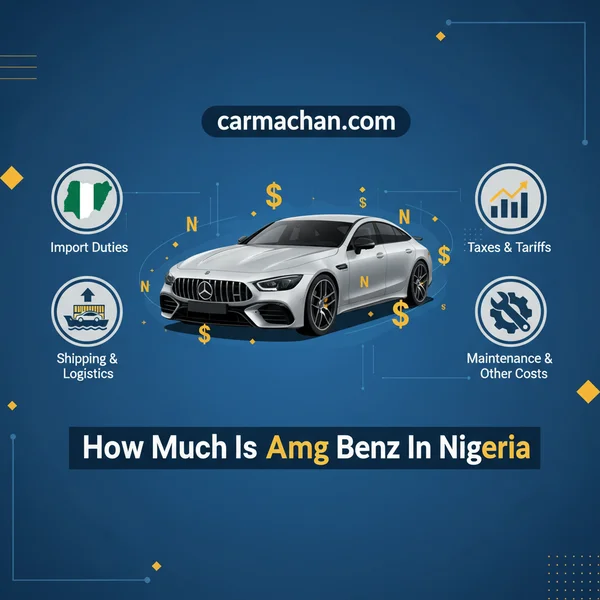
Understanding these figures is critical for your purchase journey, whether you’re eyeing a brand-new beast or a pre-owned performance machine. We’ll break down the key factors driving these costs and provide specific price ranges for popular AMG models available in the Nigerian market, ensuring you have a clear picture before making a decision.
Understanding AMG Benz Pricing Dynamics in Nigeria
The price tag on an AMG Benz in Nigeria isn’t just about the vehicle’s base cost; it’s a complex interplay of various economic and logistical factors unique to the Nigerian market. These dynamics significantly inflate prices compared to other regions, demanding a deeper understanding from potential buyers.

Key Influencers on New AMG Prices
For brand-new AMG models, the primary drivers of cost are import duties and levies, which can add up to 70-100% of the car’s Free On Board (FOB) value. The prevailing foreign exchange rate between the Nigerian Naira and major currencies like the USD or Euro is another critical determinant; a fluctuating Naira directly impacts the final price. Dealership markups, logistics, and registration fees also contribute. For example, a C63 AMG that might cost $80,000 internationally could easily translate to NGN 150 million+ once all these factors are applied in Nigeria.
Factors Affecting Used AMG Value
When considering used AMG models, additional elements come into play. The model year is paramount; newer models naturally command higher prices. Mileage is a strong indicator of wear and tear, directly influencing value. A lower mileage AMG, even if slightly older, can often be more expensive than a newer one with significantly higher kilometers. The vehicle’s overall condition, including its service history, accident record, and the state of its interior/exterior, also plays a crucial role. Furthermore, specific trim levels or engine variants within an AMG line (e.g., a “S” variant versus a standard one) will fetch different prices due to performance upgrades and exclusivity. A well-maintained 2018 C43 AMG, for instance, could still be priced higher than a neglected 2019 model.
Everything You Need to Know About AMG Benz Pricing in Nigeria
Embarking on the quest to own an AMG Mercedes-Benz in Nigeria is an exciting prospect, but understanding the true cost can be complex. This comprehensive guide breaks down all the crucial factors, from initial purchase to final delivery and registration, helping you navigate the unique pricing landscape in Nigeria. By following these detailed steps, you’ll gain clarity and confidence, ensuring you make an informed decision without unexpected financial surprises.
Step 1: Define Your Desired AMG Model and Specifications
What you need: Internet access, a clear understanding of your preferences (model, year, features), and realistic budget considerations.
Instructions: Start by researching the specific AMG model you’re interested in, such as the C63, E63, G63, or GT series. Determine the ideal model year range, body style (sedan, coupe, SUV), and essential features or options that are non-negotiable for you. Consider the impact of newer models on technology and potential resale value versus older, more affordable options. For instance, a 2018 C63s will differ significantly in price and features from a 2022 C63s.
Pro Tip: Newer models often come with advanced safety features and lower initial maintenance costs, but command a significantly higher premium. Older models can be budget-friendly but may require more immediate servicing.
Step 2: Research International Market Prices (USA, UK, Germany)
What you need: Internet access, access to reputable international car listing sites (e.g., Autotrader.com, Mobile.de, Cars.com, Kijiji.ca).
Instructions: Once you’ve identified your target AMG, search for listings on major international car sales platforms. Compare prices for vehicles with similar mileage, condition, and specifications. Note the average selling price range in the currency of that country. This establishes a crucial baseline cost before factoring in import-specific charges. For example, a 2019 Mercedes-AMG G63 might list for $150,000 – $180,000 in the US, or €140,000 – €170,000 in Germany, depending on mileage and options.
Pro Tip: Always look at multiple sources and consider vehicles from different regions. Prices can vary significantly between the US, Europe, and Canada due to market demand and standard specifications.
Step 3: Understand Nigerian Import Duties and Tariffs
What you need: Internet access, knowledge of current Nigerian Customs Service (NCS) import duty policies, or a reliable clearing agent contact.
Instructions: This is arguably the most significant cost factor. Nigeria’s import duties on vehicles, especially luxury cars, can be substantial. Research the current Customs Tariff Act regarding vehicles, focusing on engine capacity and the vehicle’s age. Typically, duties can range from 35% to 70% of the vehicle’s “Customs Value” (which is not always your purchase price). For instance, a vehicle with an engine capacity above 2.0 litres, like most AMGs, often attracts higher duties. Always consult official NCS sources or a trusted clearing agent for the most up-to-date figures.
Pro Tip: Customs duties are calculated based on the “Customs Value” determined by Nigerian Customs, which may sometimes be higher than your actual purchase price. Vehicles older than 15 years from the manufacturing date typically face additional charges or restrictions.
Step 4: Factor in Shipping and Logistics Costs
What you need: Internet access, quotes from reputable international shipping companies specializing in vehicle transport to Nigeria (e.g., Grimaldi, Hoegh Autoliners), and local logistics contacts.
Instructions: Obtain detailed quotes for shipping your chosen AMG from its origin country (e.g., USA, Germany) to a Nigerian port, typically Tin Can or Apapa in Lagos. Shipping methods usually include Roll-on/Roll-off (RoRo) or container shipping. RoRo is generally more economical for single vehicles, while container offers more protection. Include insurance costs, port handling charges at both ends, and local transportation from the port to your desired location within Nigeria. Shipping can range from $2,000 to $5,000 or more, depending on the origin and method.
Pro Tip: Always opt for shipping with comprehensive insurance coverage to protect against damage or loss during transit. Verify the shipping company’s reputation and ensure they have a track record of successful deliveries to Nigeria.
Step 5: Account for Exchange Rate Fluctuations and Bank Charges
What you need: Access to current exchange rates (official and parallel market), understanding of international bank transfer fees.
Instructions: Convert all foreign currency costs (car price, shipping) into Naira using a realistic exchange rate. In Nigeria, the parallel market rate is often more relevant for large foreign transactions than the official rate. Factor in potential bank transfer fees, which can vary depending on your bank and the amount being transferred. Exchange rates are highly volatile, so it’s wise to build in a contingency buffer of 5-10% to absorb any sudden shifts between when you get a quote and when you make the payment.


Pro Tip: Due to Naira’s volatility, consider making payments when the exchange rate is relatively favorable, or budget a significant buffer to mitigate currency risks. Large transfers may also incur additional scrutiny and require proper documentation.
Step 6: Research Local Market Prices in Nigeria (Already Imported)
What you need: Internet access, access to Nigerian online car marketplaces (e.g., Jiji.ng, Cheki.com.ng, Cars45.com), and visits to reputable local dealerships.
Instructions: Simultaneously with your import cost calculations, explore the prices of already imported AMG vehicles available for sale within Nigeria. Check local online platforms and visit trusted dealerships specializing in luxury cars. Note the asking prices, negotiate, and compare the condition and mileage of these vehicles against your budget. This step helps you determine if importing directly is more cost-effective than buying locally, or if the convenience of a local purchase justifies a premium.
Pro Tip: Locally sourced vehicles offer the advantage of immediate availability and visual inspection. Always request a full vehicle history report (e.g., Carfax for US imports) and consider a pre-purchase inspection by an independent mechanic to verify condition and authenticity.
Step 7: Consider Additional Costs and Contingencies
What you need: Awareness of recurring costs, an emergency fund.
Instructions: Beyond the purchase and import, there are other essential expenses. Budget for vehicle registration with the Federal Road Safety Corps (FRSC), comprehensive insurance coverage (which can be substantial for high-value AMGs), and initial servicing/maintenance. AMG vehicles are high-performance machines with specific and often expensive maintenance requirements. Always allocate a contingency fund, typically 5-10% of the total estimated cost, for unforeseen issues like minor repairs post-delivery, unexpected customs charges, or delays.
Pro Tip: AMG vehicles use specialized parts and require expert servicing, which can be costly. Research local workshops capable of handling AMGs and factor in the price of premium fuel, which these cars often demand for optimal performance.
Step 8: Finalize Your Decision and Negotiate
What you need: Strong negotiation skills, clear payment plans, and a readiness to make a final commitment.
Instructions: With all costs calculated, compare the total estimated landed cost of importing versus the local market price. If importing, finalize arrangements with your chosen shipping and clearing agents, ensuring all documentation is accurate and complete. If buying locally, negotiate aggressively. Don’t be afraid to walk away if the price doesn’t meet your research-backed valuation. Confirm payment terms and ensure all necessary paperwork (customs duty paid certificate, vehicle registration documents) is genuine and transferred correctly upon purchase.
Pro Tip: Never rush into a purchase. For imported vehicles, ensure your clearing agent provides verifiable documentation for all duties and charges paid. For local purchases, always test drive the vehicle extensively and get all agreements in writing before transferring any funds.
✅ Final Checklist
- AMG Model and Specifications clearly defined.
- International market price established and converted to Naira.
- Nigerian Import Duties and Tariffs calculated accurately.
- Shipping, port charges, and local logistics costs included.
- Exchange rate fluctuations and bank charges accounted for.
- Local market prices researched for comparison.
- Additional costs (registration, insurance, maintenance) budgeted.
- Contingency fund allocated for unforeseen expenses.
Important Notes:
- Safety considerations or warnings: Be wary of excessively low prices, as they often indicate potential issues or fraudulent activity. Always verify seller credentials and documentation meticulously.
- When to seek professional help: For complex import procedures, consider engaging a reputable, experienced clearing agent. For pre-purchase inspections of local vehicles, always use an independent, trusted mechanic specializing in luxury cars.
- Estimated time and cost range: The total process, from initial research to taking delivery of an imported AMG, can take anywhere from 4-12 weeks. The cost can range significantly based on the model and year. For a relatively recent (2018-2022) AMG model, you could be looking at a total landed cost in Nigeria ranging from ₦80,000,000 to over ₦300,000,000, depending heavily on the specific model (e.g., C63 vs. G63) and current exchange rates and import policies.
Current Price Ranges for Popular New & Used AMG Models
Let’s get down to the numbers. Here’s a breakdown of what you can expect to pay for some of the most sought-after Mercedes-Benz AMG models in Nigeria, covering both new imports and available pre-owned options. These figures are estimates and can vary based on the specific seller, negotiation, and market fluctuations.
New AMG Models: What to Expect
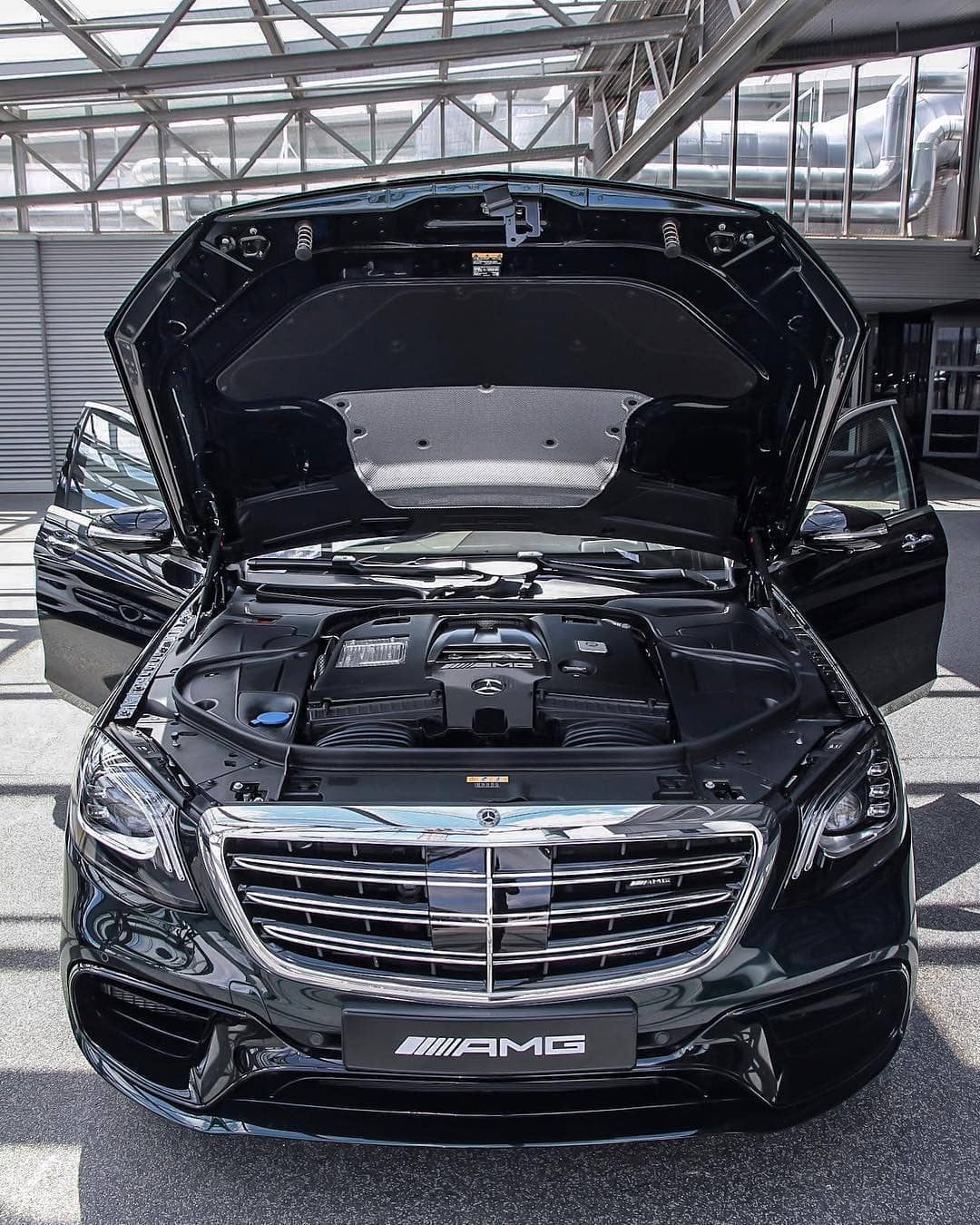
For a brand-new AMG, sourced directly through official channels or reputable importers, expect premium pricing that reflects all the aforementioned import duties and exchange rate impacts. Delivery times can also factor in. Here are some approximate ranges:
- Mercedes-AMG C43 4MATIC (Sedan/Coupe): NGN 150 million – NGN 180 million (New, 2023-2024 model year)
- Mercedes-AMG C63 S (Sedan/Coupe): NGN 200 million – NGN 250 million (New, 2023-2024 model year)
- Mercedes-AMG E63 S 4MATIC+ (Sedan): NGN 280 million – NGN 350 million (New, 2023-2024 model year)
- Mercedes-AMG GLE 53 4MATIC+ (SUV/Coupe): NGN 250 million – NGN 320 million (New, 2023-2024 model year)
- Mercedes-AMG G63 (SUV): NGN 450 million – NGN 600 million+ (New, 2023-2024 model year, highly variable due to demand and customization)
Used AMG Models: A Range of Options
The used market offers more flexibility in pricing, with significant variations based on model year, mileage, and condition. Buyers often find good value in slightly older models that have depreciated but still offer exhilarating performance. Remember, prices for used vehicles are heavily negotiable.
- Mercedes-AMG C43 (2017-2020): NGN 60 million – NGN 95 million (Depending on year, mileage, condition)
- Mercedes-AMG C63/C63 S (2016-2020): NGN 85 million – NGN 140 million (Significant variance based on ‘S’ model, mileage)
- Mercedes-AMG E63/E63 S (2017-2020): NGN 120 million – NGN 180 million (For the W213 generation, condition is key)
- Mercedes-AMG GLE 43/53 (2017-2021): NGN 90 million – NGN 160 million (Coupe variants often slightly higher)
- Mercedes-AMG G63 (2017-2020 W463/W463A): NGN 200 million – NGN 400 million+ (Older gen W463 from NGN 200M, newer W463A from NGN 300M, highly sought-after)
Key Factors Influencing AMG Benz Costs in Nigeria
Understanding the final price tag of an AMG Benz in Nigeria goes beyond just the car’s initial value. Several significant factors inflate the cost, making it essential for prospective buyers to be aware of these dynamics.
Import Duties, Shipping, and Exchange Rates
Perhaps the most substantial contributors to an AMG’s price in Nigeria are import-related costs. Nigeria imposes considerable duties on imported vehicles, especially luxury models. These duties can range significantly, often between 35% to 70% of the vehicle’s declared value, depending on factors like engine size, age, and type. Beyond duties, you have to account for shipping costs from the origin country (typically Europe or North America) to Nigerian ports, which include freight charges, insurance, and local clearing fees. Furthermore, the volatility of the Nigerian Naira against major international currencies like the US Dollar and Euro plays a critical role. A slight depreciation in the Naira can drastically increase the landed cost of an AMG overnight, as payments for the car and associated import fees are often made in foreign currency.
Vehicle Condition, Model Year, and Customization
For used AMG Benzes, the vehicle’s condition, mileage, and model year are paramount in determining its price. A well-maintained, lower-mileage used AMG from a more recent year will command a significantly higher price than an older model with extensive wear and tear. Buyers should look at service history, accident reports, and overall aesthetics. For both new and used models, the level of customization and optional features can also push the price point higher. AMG vehicles often come with a plethora of performance packages, advanced driver-assistance systems, premium interior finishes, and unique exterior styling options. These add-ons, while enhancing the driving experience and exclusivity, directly contribute to the final purchase price, making a fully loaded AMG notably more expensive than a base model.
Where to Buy AMG Benz in Nigeria & Buyer Tips
Once you’ve wrapped your head around the cost, the next step is finding a reliable source for your AMG. Knowing where to look and what precautions to take can save you a lot of hassle and potential financial loss.
Reputable Dealerships vs. Independent Importers
For a brand-new AMG Benz with full manufacturer warranty and after-sales support, your safest bet is an authorized Mercedes-Benz dealership in Nigeria, such as Weststar Associates (the general distributor for Mercedes-Benz in Nigeria). While this route offers peace of mind and access to genuine parts and certified technicians, it typically comes with the highest price tag. For pre-owned AMG models, independent importers and car lots are prevalent. These sources often provide a wider selection and potentially more competitive prices, especially for slightly older or specific niche models. However, buying from independent sources requires greater due diligence. Ensure the importer has a good track record, transparent pricing, and can provide comprehensive vehicle documentation.
Essential Buyer Tips for a Smart Purchase
Buying an AMG Benz is a significant investment, so thorough preparation is key. Here are some critical tips:
- Thorough Pre-Purchase Inspection (PPI): This is non-negotiable for used vehicles. Engage a trusted, independent mechanic specializing in luxury European cars to inspect the vehicle from top to bottom. This can reveal hidden issues that might cost a fortune down the line.
- Verify Vehicle History: Request the Vehicle Identification Number (VIN) and run a comprehensive history report (e.g., through Carfax or AutoCheck if imported from the US). This will show accident history, service records, and previous ownership.
- Check Custom Papers: Ensure all customs duties have been fully paid and verified. Many “great deals” on high-end cars turn out to be un-customed vehicles, leading to impoundment and heavy fines.
- Negotiate Wisely: Prices, especially for used cars, are often negotiable. Do your research on similar models and their market value to arm yourself with leverage.
- Consider After-Sales Support: For new cars, confirm warranty details. For used, inquire about available service centers and parts availability for your specific AMG model.
The Road Ahead: Making Your AMG Dream a Reality


The journey to owning an AMG Benz in Nigeria is an exciting one, albeit with its unique financial considerations. From the initial factory price to the final drive-away cost, factors like import duties, shipping, and the ever-fluctuating exchange rate play a monumental role. Whether you opt for a pristine new model from an authorized dealer or a well-maintained pre-owned gem from an independent importer, informed decision-making is your best tool.
Start by identifying your dream AMG model and then conduct meticulous research into both its market value and the additional costs involved. Save diligently, verify every detail, and engage trusted professionals for inspections and advice. With the right approach and a clear understanding of the Nigerian automotive landscape, your AMG dream is well within reach.
❓ Frequently Asked Questions
What is the typical price range for a brand new Mercedes-Benz AMG in Nigeria?
Brand new AMG models like the C63, E63, or G63 can range from NGN 150 million to NGN 400 million or more in Nigeria, largely depending on the specific model, trim level, optional features, and the current exchange rate. These prices often include all import duties and dealer markups.
How do ‘Tokunbo’ (fairly used imported) AMG Benz prices compare to new ones in Nigeria?
‘Tokunbo’ AMG Benz vehicles are significantly more affordable, typically ranging from NGN 40 million to NGN 120 million for models like the C63 or E63, and higher for G-Wagons. The price depends heavily on the model year, mileage, condition, and its accident history before importation.
What are the primary factors that drive up the cost of AMG Benz vehicles in Nigeria?
The main factors include stringent import duties and taxes imposed by the Nigerian government, the volatile Naira-to-Dollar exchange rate, shipping costs, and the specific model’s rarity and demand. Dealer profit margins and local logistics also contribute significantly to the final price.
Are there specific AMG models that hold their value better in the Nigerian market?
High-demand and iconic models like the G63 AMG tend to retain their value exceptionally well due to their status symbol, robust demand, and limited supply. Performance sedans like the C63 and E63 also maintain good resale value, especially if well-maintained, with low mileage, and desirable specifications.
Where can one find reliable price information or purchase an AMG Benz in Nigeria?
Reliable sources include authorized Mercedes-Benz dealerships (e.g., Mercedes-Benz Nigeria), reputable independent luxury car importers, and well-known online marketplaces like Jiji.ng or Cheki.com.ng, where you can compare various listings. Always verify the seller’s credibility and the vehicle’s condition.
What’s the impact of the Naira-to-Dollar exchange rate on AMG Benz prices in Nigeria?
The exchange rate has a massive impact; as the Naira weakens against the Dollar, the cost of importing AMG vehicles, which are priced in foreign currency, dramatically increases in Naira terms. This makes price fluctuations common and significant for both new and Tokunbo cars, often leading to rapid price adjustments.