How To Remove Corrosion From Car Battery Remove Car 2026
Last Updated on September 1, 2026 by Ryan
Removing corrosion from a car battery involves disconnecting the terminals, neutralizing the acid with a baking soda paste, thoroughly rinsing and drying the components, and then applying an anti-corrosion spray before reattaching the cables. Always prioritize safety by wearing protective gear and working in a well-ventilated area to prevent injury.

Prime for Young Adults — 6 Months Free
Students and 18–24s get six months of Prime free, then half price.
Start 6 Months FreeRemoving corrosion from a car battery involves disconnecting the terminals, neutralizing the acid with a baking soda paste, thoroughly rinsing and drying the components, and then applying an anti-corrosion spray before reattaching the cables. Always prioritize safety by wearing protective gear and working in a well-ventilated area to prevent injury.
Before proceeding, consider these essential takeaways:
- Prioritize safety: wear gloves and eye protection.
- Disconnect battery terminals in correct order.
- Baking soda neutralizes corrosive battery acid.
- Rinse and thoroughly dry all cleaned components.
- Apply anti-corrosion protection for longevity.
The first step to remove corrosion from your car battery is understanding its common causes and simple solutions. Corrosion is a prevalent issue affecting millions of car batteries annually, leading to poor performance and reduced lifespan. This buildup, often appearing as a white or bluish-green powdery substance, significantly impedes electrical flow. Addressing it promptly can restore your vehicle’s starting power and extend battery life. We will begin by outlining the essential safety measures and preparations necessary for a successful and secure cleaning process.
Key Takeaways
Recommended Best Deal Products


- Prioritize safety: wear gloves and eye protection.
- Disconnect battery terminals in correct order.
- Baking soda neutralizes corrosive battery acid.
- Rinse and thoroughly dry all cleaned components.
- Apply anti-corrosion protection for longevity.
How to Safely Prepare Your Battery in 3 Steps

Before you attempt to remove corrosion from your car battery, proper preparation is paramount for your safety. Overlooking these steps can lead to serious injury or damage to your vehicle’s electrical system. Taking a few moments to set up correctly ensures a smooth and effective cleaning process.
Gather Necessary Tools
Having the right tools on hand makes the job safer and more efficient. You will need safety glasses, chemical-resistant gloves, a wire brush (specifically a battery terminal brush is ideal), an adjustable wrench or battery terminal wrench, baking soda, clean water, several clean rags, and an anti-corrosion spray or grease. These items ensure you are prepared for every step.
Ensure Good Ventilation
Battery corrosion can release hydrogen gas, which is highly flammable. Always work in a well-ventilated area to prevent the accumulation of these gases. This could be outdoors or in a garage with the main door open. Proper airflow is crucial for dispersing any fumes and minimizing health risks.
Disconnect the Battery Cables
This is a critical safety step. Using your wrench, first disconnect the negative (-) cable, usually marked with a minus sign and often black. Then, disconnect the positive (+) cable, typically red and marked with a plus sign. Removing the negative cable first prevents accidental short circuits, protecting both you and your vehicle’s electronics.
With your workspace prepared and battery disconnected, we can now proceed to the actual cleaning methods for removing stubborn corrosion.

Audible — Listen Free for 30 Days
One free credit a month and thousands of titles included.
Listen Free for 30 Days3 Proven Methods to Clean Battery Terminals
Recommended Best Deal Products

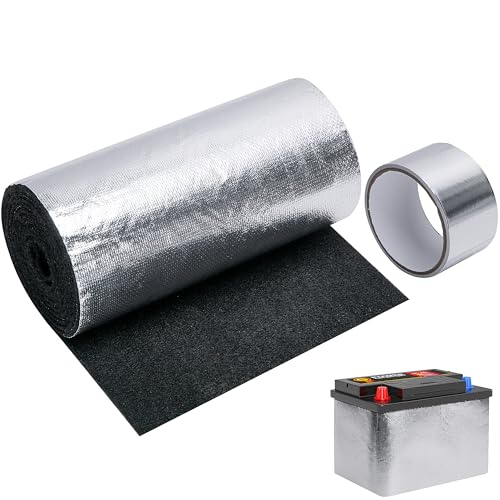

Once safety measures are in place, effectively cleaning battery corrosion can be achieved through several proven methods. Each technique targets the corrosive buildup to restore proper electrical conductivity. Choose the method that best suits your comfort level and the severity of the corrosion.
Utilize Baking Soda
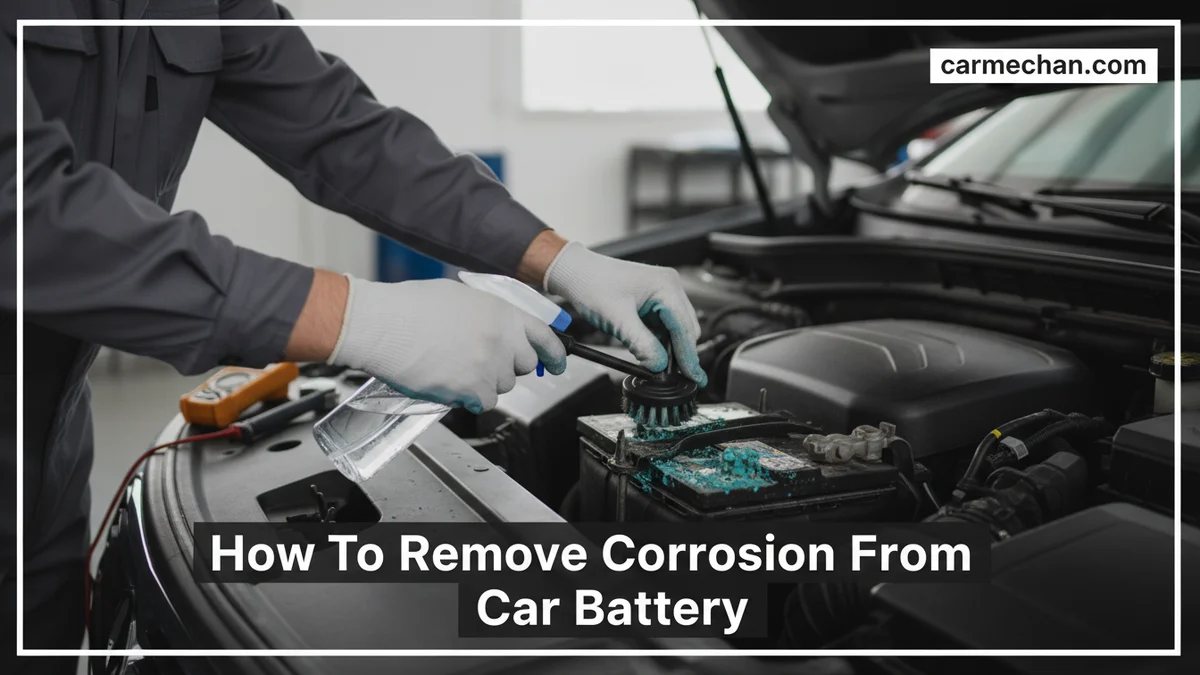
A simple and highly effective method involves creating a paste with baking soda and water. Mix about one tablespoon of baking soda with one cup of water until you have a thick, spreadable consistency. Apply this paste generously to the corroded terminals and battery tray. The baking soda acts as a mild alkali, neutralizing the sulfuric acid that forms the corrosion. Allow it to sit for a few minutes while it fizzes, indicating the neutralization process is underway.
Employ a Wire Brush
After applying the baking soda paste, use a stiff wire brush to scrub away the loosened corrosion. A dedicated battery terminal brush with both circular and conical bristles works best for reaching all surfaces. Vigorously scrub the terminals, cable clamps, and any affected areas of the battery tray. The mechanical action of the brush, combined with the neutralizing paste, will remove even stubborn deposits. Continue brushing until all visible corrosion is gone and the metal surfaces appear clean.
Consider Specialized Products
For severe corrosion or for those preferring a commercial solution, specialized battery terminal cleaners are available. These products often come in a spray form that changes color upon contact with acid, indicating neutralization. They are designed to quickly dissolve and lift corrosion. Follow the product’s specific instructions for application and dwell time. These cleaners can be a convenient alternative to the baking soda method, offering a quick and effective clean.
After successfully removing the corrosion, the next crucial steps involve proper rinsing, drying, and reassembly to ensure optimal battery performance and protection.
How to Reassemble and Protect in 4 Steps
After the corrosion has been thoroughly cleaned, meticulous reassembly and protection are vital for lasting results. Properly reattaching the battery and applying protective measures will prevent future buildup and ensure your vehicle runs smoothly in 2026. This careful completion of the task is just as important as the cleaning itself.
Rinse and Dry Parts
Once all corrosion has been removed, thoroughly rinse the battery terminals and cable clamps with clean water. This washes away any remaining baking soda residue or loosened corrosion. Be careful not to let water get into the battery cells. After rinsing, use a clean rag to meticulously dry all components. Ensure every part is completely dry before proceeding to prevent new corrosion or electrical issues.
Reconnect the Terminals
When reconnecting, always start with the positive (+) cable first, then attach the negative (-) cable. This sequence minimizes the risk of accidental short circuits. Make sure the cable clamps are firmly seated on the battery posts. Tighten the nuts with your wrench until the connections are secure but do not overtighten, as this can damage the battery posts.
Apply Anti-Corrosion
To prevent future corrosion, apply a protective barrier to the cleaned terminals and clamps. You can use an anti-corrosion spray, petroleum jelly, or specialized battery terminal grease. These products create a protective layer that seals out moisture and acid fumes, significantly reducing the likelihood of new corrosion forming. A thin, even coat is sufficient.
Audible Premium Plus — Annual Membership
12 audiobook credits up front, plus the full Audible catalogue.
See Annual PlansTest the Battery
After everything is reconnected and protected, start your car to test the battery’s function. Listen for a strong, quick start. If the engine cranks slowly or struggles, double-check your connections for tightness. A successful start indicates that the corrosion removal and reassembly have improved the battery’s electrical flow. Your car should now operate more reliably.
While cleaning effectively addresses existing issues, understanding how to prevent corrosion from recurring will save you time and trouble in the long run.
How Can You Stop Battery Corrosion From Returning?
Recommended Best Deal Products


Preventing battery corrosion from returning is key to maintaining your car’s reliability and extending your battery’s lifespan. Proactive measures can significantly reduce the chances of future buildup. Incorporating these simple habits into your car maintenance routine will keep your battery terminals clean and efficient.
Regular Visual Checks
Make a habit of regularly inspecting your car battery, perhaps every three to six months. More frequent checks are advisable if you live in a hot climate or if your vehicle frequently experiences stop-and-go driving conditions, which can accelerate corrosion. Look for any powdery buildup on the terminals or cables. Early detection allows for quick, easy cleaning before corrosion becomes severe.
Use Terminal Protectors
Investing in battery terminal protectors can be highly beneficial. These often come as felt washers impregnated with an anti-corrosion chemical. Place them over the battery posts before reattaching the cables. These washers provide an additional barrier against acid fumes and moisture. Another option is rubber or plastic caps that fit over the terminals once the cables are connected, offering physical protection.
Maintain Proper Charge
A well-maintained battery charge helps prevent corrosion. Undercharged or overcharged batteries are more prone to off-gassing, which contributes to corrosion. Ensure your car’s charging system is functioning correctly. If your vehicle sits for extended periods, use a trickle charger or battery maintainer to keep the charge at an optimal level. A healthy battery is less likely to corrode.
Despite your best efforts, sometimes battery issues, including severe corrosion, require a professional’s touch. Knowing when to seek expert help is crucial.
When to Seek Expert Battery Service
While many corrosion issues can be handled at home, certain situations warrant seeking professional battery service. Recognizing these signs can prevent further damage to your vehicle and ensure your safety. Knowing when to call in an expert saves you from tackling problems beyond typical DIY maintenance.
Notice Severe Damage
If you observe extensive damage to the battery casing, bulging sides, or a strong, unusual odor like rotten eggs, it is time to consult a professional. These are indicators of internal battery issues that go beyond simple surface corrosion. Attempting to clean or handle such a battery can be dangerous due to the risk of acid leaks or explosions.
Experience Persistent Issues
Even after thorough cleaning, if you continue to experience starting problems, dim lights, or other electrical malfunctions, the corrosion might be a symptom of a deeper issue. Persistent corrosion could indicate a problem with your vehicle’s charging system or a failing battery that needs replacement. A mechanic can accurately diagnose the underlying cause.
Suspect Electrical Faults
If you suspect there might be an electrical fault contributing to the corrosion or other battery problems, professional diagnosis is essential. Signs like flickering lights, unusual electrical smells, or frequent blown fuses could point to problems within the car’s electrical system, not just the battery itself. A professional can identify and repair these complex issues safely.
Understanding when to call a professional helps you make informed decisions, but many common questions about battery corrosion can be answered directly.
Frequently Asked Questions About Car Battery Corrosion
What Is the White Powder on My Car Battery?
The white powder on your car battery is typically lead sulfate, a byproduct of the battery’s normal chemical reactions. This corrosion accelerates with heat and overcharging, hindering electrical flow. It can also be zinc sulfate, a less common but similar issue.
Can I Use Coca-Cola to Clean Battery Corrosion?
While some suggest using Coca-Cola due to its phosphoric acid content, we do not recommend it. The sugars can leave a sticky residue that attracts more dirt and can further complicate cleaning efforts. Stick to baking soda for safer results.
How Often Should I Check My Car Battery for Corrosion?
You should check your car battery for corrosion every three to six months. More frequent checks are advisable if you live in a hot climate or if your vehicle frequently experiences stop-and-go driving conditions, which can accelerate corrosion.
Is Car Battery Corrosion Dangerous?
Yes, car battery corrosion is dangerous. The white powder is acidic and can cause skin irritation or burns. Breathing its fumes can also be harmful. Always wear protective gear when handling a corroded battery to prevent injury.
Can Battery Corrosion Drain a Car Battery?
Yes, battery corrosion can indeed drain a car battery. The buildup acts as an insulator, impeding the flow of electricity between the battery and the vehicle’s electrical system. This reduced conductivity can lead to slow starts or even a completely dead battery.
Achieve Optimal Battery Performance by 2026
Effectively removing corrosion from your car battery is a straightforward yet crucial maintenance task for any vehicle owner. By following safety protocols, utilizing simple cleaning methods like baking soda, and applying anti-corrosion protection, you can significantly prolong your battery’s life and ensure reliable starts. regular checks and proactive prevention are key to avoiding future issues. Maintain your car’s heart by keeping its connections clean and secure.