Car Struggling To Start In Cold Fix Car Struggling in 2026
Last Updated on September 1, 2026 by Albert Duke
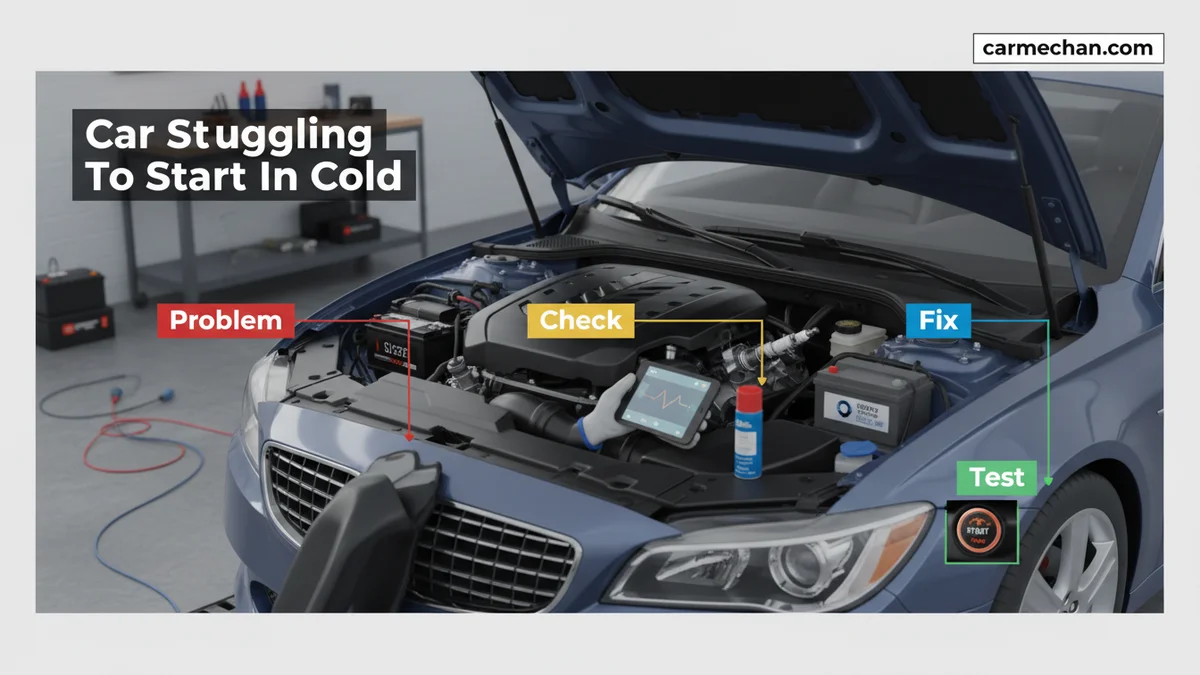
When your car struggles to start in cold weather, it’s often due to a weakened battery, thickened engine oil, or issues within the fuel and ignition systems. We will guide you through diagnosing these common problems and provide actionable solutions to get your vehicle running reliably.

Prime for Young Adults — 6 Months Free
Students and 18–24s get six months of Prime free, then half price.
Start 6 Months FreeWhen your car is struggling to start in cold, it can be a frustrating and often alarming experience, but understanding the root causes empowers you to act effectively. Cold weather significantly impacts your vehicle’s delicate balance of electrical, fluid, and mechanical systems. Temperatures below freezing reduce battery efficiency, thicken engine oil, and can compromise fuel delivery, making the entire starting process more challenging for your engine.
We understand the urgency of a car that won’t start when you need it most. This guide provides comprehensive troubleshooting, specific solutions, and preventative measures designed for the 2026 winter season to help you identify the problem and get back on the road. Let’s explore the most frequent culprits behind cold-start difficulties and how you can pinpoint the problem.
Key Takeaways
Recommended Best Deal Products


- Cold impacts battery and engine performance.
- Slow cranking often points to battery issues.
- Fuel and ignition systems are critical.
- Preventative maintenance saves trouble.
- Know when to seek professional help.
5 Key Battery and Starter Problems in Cold

Electrical components are often the first suspects when a car struggles to start in cold. The frigid temperatures severely affect battery performance and the efficiency of related starting hardware. Understanding these common issues helps narrow down your diagnosis quickly.
Weak Battery Symptoms
A weak battery is a primary cause of cold-start issues. In cold weather, the chemical reactions inside your battery slow down, reducing its ability to produce power. You might hear a slow, sluggish cranking sound, or just a rapid clicking noise without the engine turning over. An average car battery lasts approximately 3-5 years, but this lifespan can be significantly shorter in consistently cold climates . Cold temperatures can reduce a battery’s effective capacity by as much as 50% .
Corroded Terminal Signs
Corrosion on battery terminals creates resistance, hindering the flow of electricity from the battery to the starter. Look for a white, blue, or green powdery substance on the posts or clamps. This buildup can prevent the starter from receiving enough power, leading to a no-start condition even if the battery itself has some charge.
Failing Starter Clues
If your battery is strong but the engine still won’t turn over, the starter motor might be failing. Symptoms include a single click when you turn the key, a grinding noise, or no sound at all. Cold can expose a weakened starter by making it work harder against thickened oil and stiff engine components.
Alternator Charge Worries
While the alternator doesn’t directly start your car, it recharges the battery while the engine runs. A faulty alternator won’t properly replenish battery charge, leading to a weak battery over time, especially in cold conditions where more power is drawn for heating and lights. Dim headlights or dashboard warning lights can indicate charging problems.
Ground Connection Faults
A poor ground connection can mimic battery or starter problems. The engine relies on a strong electrical ground to complete circuits. Inspect the thick black cable running from your battery to the car’s chassis or engine block. A loose or corroded connection here can prevent sufficient current from reaching the starter, resulting in a frustrating no-start situation.
While power issues are frequent, several other mechanical and fluid-related factors also contribute to a car struggling to start in cold.

Audible — Listen Free for 30 Days
One free credit a month and thousands of titles included.
Listen Free for 30 DaysHow to Check Fuel Delivery in Freezing Weather
For your engine to fire up, it needs a precise mix of fuel and air, ignited by a spark. Cold weather can significantly disrupt this delicate balance within your fuel and ignition systems. Diagnosing these issues requires careful observation and some basic checks.
Fuel Filter Clogs
A clogged fuel filter restricts the flow of gasoline to the engine, which is particularly problematic in cold starts. If the engine cranks but struggles to catch, or sputters once started, a dirty fuel filter might be the culprit. Over time, sediment and contaminants accumulate, reducing fuel pressure and delivery.
Frozen Fuel Lines
Water condensation can accumulate in your fuel tank and lines. In freezing temperatures, this water can freeze, blocking the fuel pathway. Symptoms include the engine cranking but not starting, or starting briefly then stalling. Keeping your fuel tank full helps reduce condensation and the risk of frozen lines. Fuel system issues account for of cold start failures.
Spark Plug Condition
Worn or fouled spark plugs deliver a weak or inconsistent spark. In cold weather, engines require a stronger spark to ignite the denser, colder air-fuel mixture. If your engine is misfiring, running rough, or simply won’t start, inspecting your spark plugs is a good step. They should be clean and have the correct gap.
Ignition Coil Health
Ignition coils convert low battery voltage into the high voltage needed for spark plugs. A failing ignition coil can lead to misfires, reduced power, and difficulty starting, especially in cold. You might notice a rough idle or a “check engine” light. Each spark plug often has its own coil in modern vehicles.
Fuel Pump Woes
The fuel pump is responsible for sending fuel from the tank to the engine at the correct pressure. A failing fuel pump may make a loud whining noise from the rear of the vehicle, or the engine might crank but never start. In cold conditions, a struggling pump may not generate enough pressure to deliver fuel effectively. The impact of cold on fuel vaporization can also cause issues .
Beyond the electrical and fuel systems, the very fluids within your engine play a critical role in its cold-weather performance.
What Happens When Oil Thickens in Cold

Automotive fluids are engineered to operate within specific temperature ranges. When temperatures plummet, their physical properties change dramatically, making it harder for your engine to turn over and perform efficiently. Understanding these fluid dynamics is key to cold-weather readiness.
Oil Viscosity Role
Engine oil becomes significantly thicker, or more viscous, in cold temperatures. This increased viscosity makes it much harder for the starter motor to turn the engine over, as it has to push through the sluggish oil. Thicker oil also takes longer to circulate, increasing wear during cold starts. For many common engines, 0W-20 or 5W-30 synthetic oils are recommended for cold-weather performance .
Coolant Levels Impact
Your engine’s coolant, or antifreeze, prevents freezing in cold temperatures and overheating when warm. If the coolant mixture is incorrect, or levels are too low, the fluid can freeze, potentially cracking engine components. A frozen cooling system can prevent the engine from starting or cause catastrophic damage. Always maintain the correct coolant-to-water ratio. Freezing points for common coolants can range from -34°F to -62°F with proper mixture .
Audible Premium Plus — Annual Membership
12 audiobook credits up front, plus the full Audible catalogue.
See Annual PlansTransmission Fluid Effect
Like engine oil, transmission fluid also thickens in the cold. While not directly linked to engine starting, extremely cold, thick transmission fluid can add resistance to the drivetrain components, putting extra strain on the engine and making it harder to shift gears until the vehicle warms up.
Brake Fluid Concerns
Brake fluid is hydraulic, meaning it doesn’t compress and is vital for brake system operation. While its freezing point is very low, old brake fluid can absorb moisture over time. This water can freeze in lines or calipers, impairing brake function. Though it doesn’t prevent starting, ensuring healthy brake fluid is critical for safe winter driving.
Power Steering Thickness
Power steering fluid also thickens in cold, making the steering wheel stiff and difficult to turn immediately after starting. The power steering pump has to work harder against the viscous fluid, adding a minor load to the engine during initial startup. While generally not a direct cause of a no-start, it indicates overall fluid sluggishness in the system.
Once you’ve identified the potential problem, a few smart troubleshooting steps can often resolve the issue, or at least confirm the need for professional help.
When to Jump Start vs Call a Mechanic
Facing a car that won’t start in the cold can be daunting. Knowing what immediate actions you can take, and when to call for professional assistance, is crucial. These steps can help you assess the situation and proceed safely.
Battery Jump Start Steps
If you suspect a dead battery, a jump start is often the first solution.
1. Position a working vehicle close enough for jumper cables to reach both batteries.
2. Connect one red clamp to the dead battery’s positive terminal.
3. Connect the other red clamp to the good battery’s positive terminal.
4. Connect one black clamp to the good battery’s negative terminal.
5. Connect the final black clamp to an unpainted metal surface on the dead car’s engine block, away from the battery.
6. Start the good car and let it run for a few minutes before attempting to start the dead car.
Safety is paramount when jump-starting; always consult your owner’s manual. Official automotive safety bodies provide comprehensive guidelines for safe jump-starting procedures .
Fuel System Priming
Some older vehicles, or those with specific fuel system issues, may benefit from priming. If you hear the fuel pump hum for a few seconds when you turn the key to the “on” position (without starting), it is priming the system. Repeatedly cycling the key “on” and “off” (without starting) a few times can help build pressure if you suspect fuel delivery problems.
Warm up Engine Tips
If your car struggles but eventually starts, avoid immediate high RPMs. Let the engine idle for a few minutes to allow the oil to circulate and warm up. This reduces wear on internal components that are working with thickened fluids. Using a block heater overnight can significantly ease cold-start strain.
Checking Battery Cables
Even if your battery is charged, loose or corroded battery cables can prevent power delivery. Visually inspect the positive and negative cables running from your battery. Ensure they are clean, tight, and free from frays or damage. Gently wiggle them to check for looseness.
Seeking Professional Help
If jump-starting doesn’t work, or if you suspect more complex issues like a failing starter, fuel pump, or major fluid problem, it’s time to call a mechanic. Ignoring these signs can lead to more extensive and costly repairs. A professional diagnostic can accurately identify the root cause, providing a reliable fix.
Preventing these cold-start problems from recurring is just as important as fixing them, requiring a proactive approach to winter car maintenance.
How to Prepare Your Car for Winter Weather
Proactive maintenance is your best defense against your car struggling to start in cold. By taking a few preventative steps before the really frigid temperatures hit, you can significantly increase your vehicle’s reliability and reduce the stress of winter driving.
Battery Health Check
Have your battery tested annually, especially before winter. Most auto parts stores offer free battery checks. Replace any battery that tests weak or is approaching its 3-5 year average lifespan by 2026. Keep terminals clean and check connections.
Proper Oil Selection
Switch to a thinner “winter weight” engine oil, typically a synthetic 0W-20 or 5W-30, as recommended by your vehicle manufacturer. These oils maintain better flow in cold temperatures, reducing engine drag during startup and allowing quicker lubrication. Consult your owner’s manual for the exact specification.
Fuel System Treatment
Add a fuel system cleaner and a fuel line antifreeze product to your tank before winter. These additives help prevent water accumulation from freezing in your fuel lines and can keep injectors clean, ensuring optimal fuel delivery in cold. Follow product instructions carefully.
Block Heater Benefits
Consider installing a block heater if you live in an extremely cold climate. A block heater warms the engine block and oil overnight, making starts significantly easier and reducing wear on engine components. A block heater can reduce engine wear during a cold start by up to 50% . This also allows your cabin heater to provide warmth sooner.
Regular Tune Ups
A comprehensive tune-up, including checking spark plugs, ignition coils, and air filters, ensures your engine is running efficiently. A well-maintained engine is better equipped to handle the demands of cold weather. Also, ensure your tire pressure is checked regularly in winter, as cold temperatures cause pressure drops .
By understanding and addressing these critical areas, you can significantly reduce the chances of your car struggling to start in cold.
Solving Your Cold Start Challenges
When your car is struggling to start in cold, it signals underlying issues that demand attention. We have covered the most common culprits, from weak batteries and frozen fuel lines to thickened engine oils and failing starters. By applying our diagnostic steps and solutions, you can often identify and resolve minor problems yourself, saving time and money. proactive maintenance is your greatest ally against winter’s bite, ensuring your vehicle remains dependable. Don’t hesitate to seek professional help for complex issues. We encourage you to prioritize preventative care for your car in 2026 to enjoy reliable cold-weather performance.
5 Common Questions About Cold Starts
Why Is My Car Battery Weaker in Cold Weather?
Your car’s battery chemicals react slower in low temperatures, reducing its cranking power and ability to hold a charge. This decreased efficiency makes it harder for the battery to deliver the necessary current to start your engine, especially when combined with thicker oil.
Can Old Spark Plugs Cause Cold Start Problems?
Yes, worn or fouled spark plugs can definitely cause cold start problems. They deliver a weaker spark, leading to incomplete combustion, which is exacerbated in cold, dense air. A spark is essential to ignite the fuel-air mixture effectively in chilly conditions.
Does Thick Engine Oil Affect Cold Starting?
Absolutely. Engine oil becomes thicker, or more viscous, in cold temperatures. This increases resistance within the engine, making the starter motor work much harder to turn the crankshaft. It places extra strain on your battery and can prolong the starting process.
What If My Car Cranks but Won’t Turn Over in Cold?
If your car cranks but doesn’t start, the issue is likely with fuel delivery or ignition. This could be due to a clogged fuel filter, frozen fuel lines, a failing fuel pump, or issues with your spark plugs or ignition coils. Electrical power is present, but ignition is failing.
When Should I Use a Block Heater?
You should use a block heater when temperatures consistently drop below freezing, especially below 20°F (-7°C). Plugging it in a few hours before you plan to start your car warms the engine block and oil, significantly easing starting and reducing engine wear.