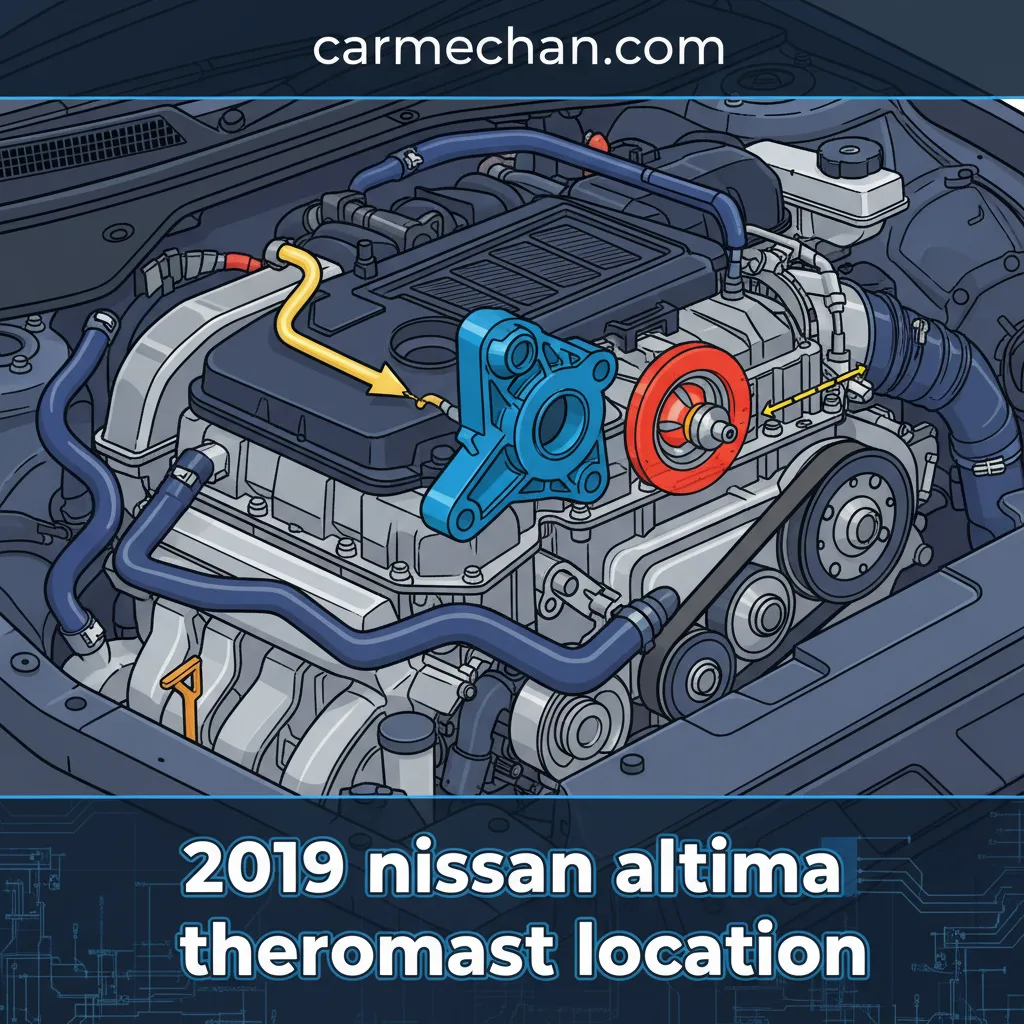
2019 Nissan Altima Thermostat Location: Identification And Access Guidance
The thermostat in your 2019 Nissan Altima plays a pivotal role in ensuring your engine operates at its optimal temperature, crucial for performance and longevity. This unassuming component is a cornerstone of your vehicle’s cooling system, directly impacting everything from fuel efficiency to engine wear. However, locating this essential component can be challenging for both seasoned DIY enthusiasts and those seeking professional assistance, especially when facing diagnostic needs or overheating concerns. This comprehensive guide will precisely detail the 2019 Nissan Altima thermostat location, provide critical insights into its function, outline diagnostic procedures, and offer guidance on local service options, empowering you with the knowledge to maintain your vehicle effectively.
Understanding the 2019 Nissan Altima’s Cooling System and Thermostat Function


📤 Share Image
The cooling system of your 2019 Nissan Altima is a sophisticated network designed to dissipate the immense heat generated during combustion, preventing thermal damage to the engine. Its primary components include the radiator, which sheds heat to the atmosphere; the water pump, responsible for circulating coolant; a series of hoses that transport coolant; the cooling fan, which draws air across the radiator; the coolant itself (an antifreeze/water mixture); and, critically, the thermostat.
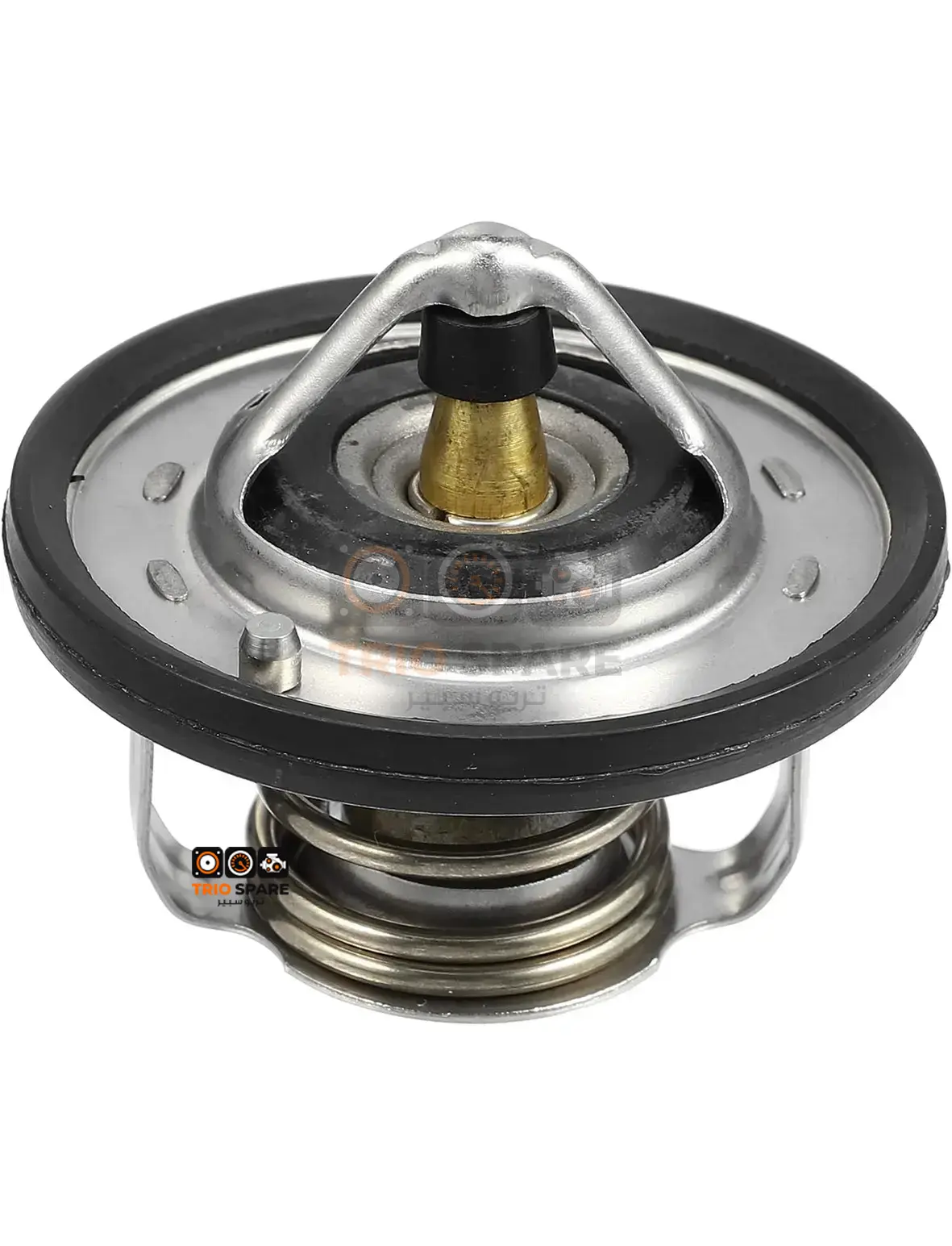
The thermostat acts as the cooling system’s gatekeeper. It is a temperature-sensitive valve that precisely regulates the flow of coolant between the engine and the radiator. When the engine is cold, the thermostat remains closed, allowing the engine to warm up quickly to its optimal operating temperature. As the engine reaches this temperature—typically between 180-195°F (82-90°C) for the 2019 Nissan Altima—the thermostat gradually opens, permitting coolant to flow to the radiator for cooling. This continuous regulation ensures the engine achieves and maintains thermal efficiency, preventing both detrimental overheating and inefficient undercooling.
A malfunctioning thermostat can severely impact engine performance and longevity. A ‘stuck open’ thermostat will cause the engine to run consistently cold, leading to poor heater performance, reduced fuel economy (potentially 5-10% less efficient), and increased engine wear due to extended periods of operation outside optimal thermal ranges. For instance, an Altima’s engine consistently running cold, with the temperature gauge rarely reaching its midpoint, and noticeable reduction in cabin heat, often indicates a stuck open thermostat. Conversely, a ‘stuck closed’ thermostat is a more immediate and severe concern. It prevents coolant from reaching the radiator, leading to rapid temperature spikes on the gauge, engine overheating, and potential catastrophic damage if not addressed promptly. Steam from under the hood or boiling coolant in the reservoir are urgent indicators of this critical failure.
Maintaining proper engine temperature is paramount for your 2019 Altima’s fuel efficiency, emissions control, and the longevity of internal components. An engine operating within its designed thermal window burns fuel more completely, minimizes harmful emissions, and reduces wear and tear on vital parts.
Pinpointing the 2019 Nissan Altima Thermostat Location


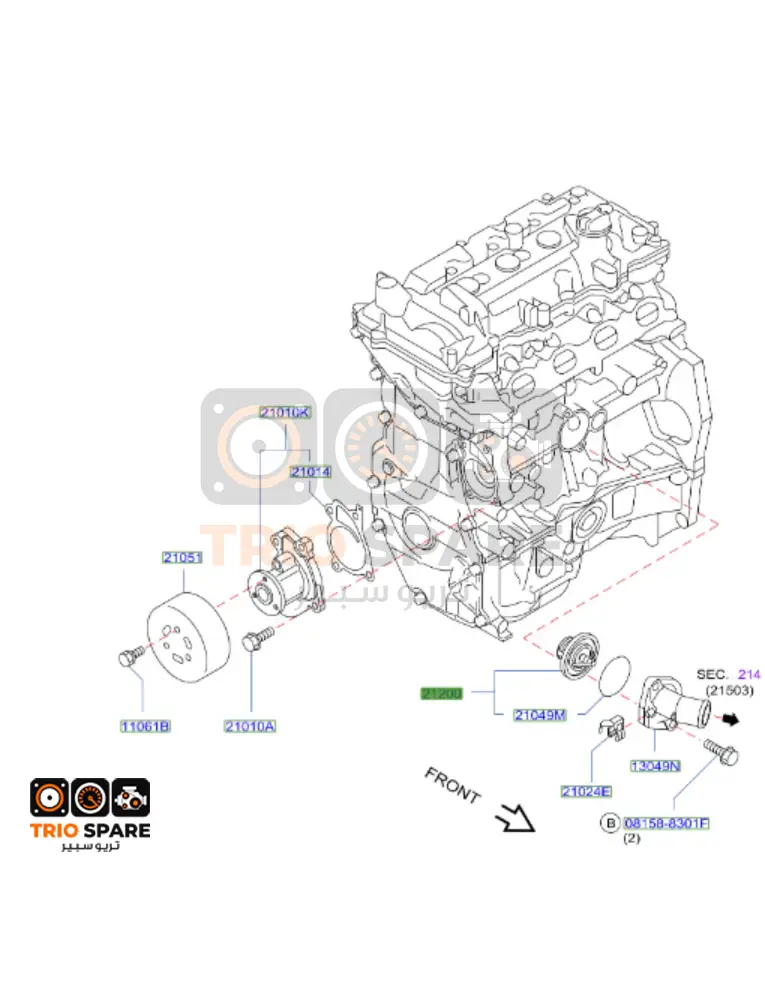
Identifying the precise thermostat location in your 2019 Nissan Altima requires a foundational understanding of its engine layout, as positioning can vary slightly between engine variants. The Altima typically comes with either the 2.5L QR25DE 4-cylinder engine or the 2.0L VC-Turbo KR20DDET engine. Regardless of the engine, the thermostat is universally integrated into the engine’s coolant flow path, often in a housing where the lower radiator hose connects to the engine block or cylinder head.
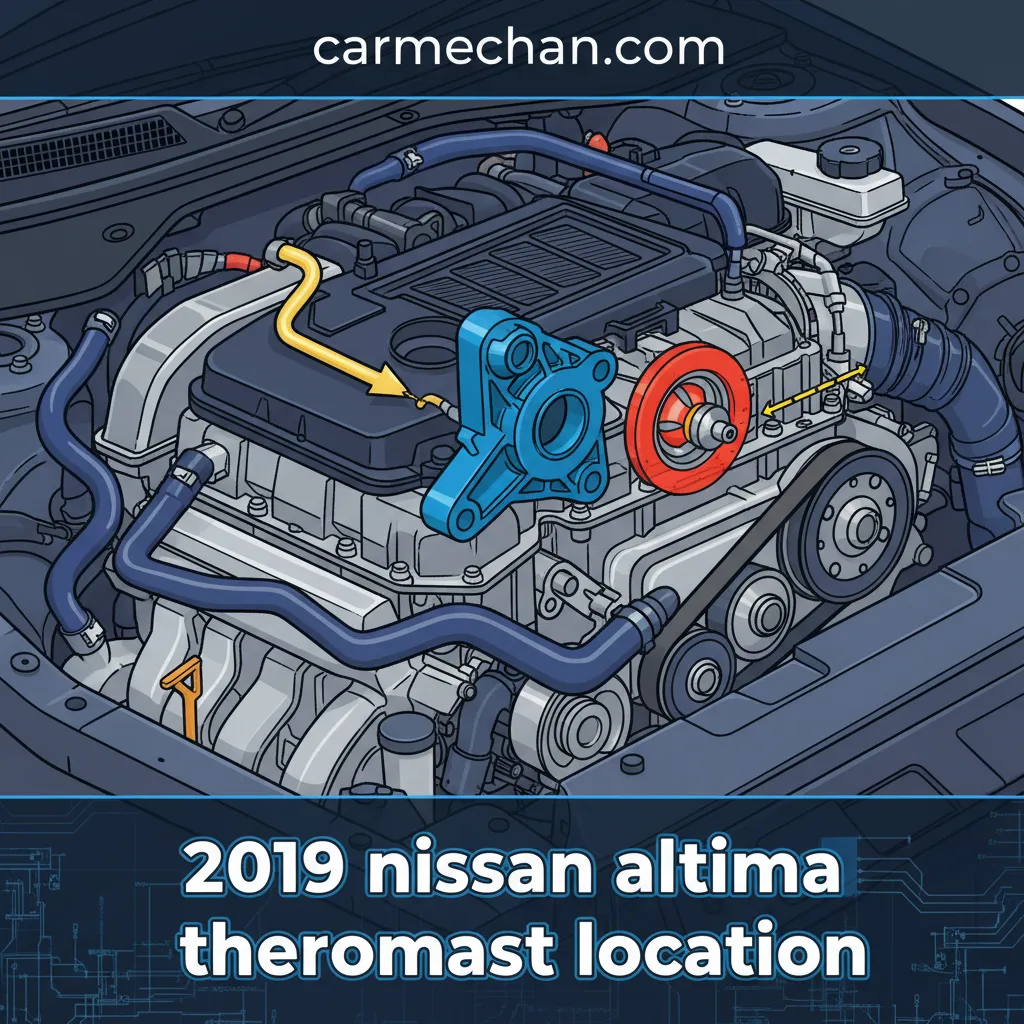
For most Nissan models, including the 2019 Altima, the thermostat housing is a distinctive plastic or metal component that serves as a junction for a primary coolant hose. To locate it, begin by identifying the lower radiator hose. This large rubber hose extends from the bottom of the radiator. Follow this hose back towards the engine. The point where it connects to the engine block, often on the passenger side of the engine compartment, is typically where the thermostat housing is situated. On the 2.5L QR25DE engine, for instance, it’s commonly housed near the water pump assembly, sometimes integrated into its structure or bolted directly adjacent.
Visual identifiers for the thermostat housing include the prominent connection point for the lower radiator hose, a distinct bolt pattern (often secured by two or three bolts), and its proximity to the engine block or cylinder head. You may also observe a coolant temperature sensor threaded into or mounted directly on the thermostat housing, as its function is to measure the coolant temperature at this critical juncture. The housing is sealed with a gasket or O-ring and designed for specific torque specifications (e.g., 8-10 ft-lbs) to prevent leaks.
Always ensure the engine is completely cool before attempting to locate or access any cooling system components. Hot coolant and engine surfaces can cause severe burns. Disconnect the negative battery terminal to prevent accidental electrical shorts and wear appropriate personal protective equipment, including gloves and eye protection.
Preparatory Steps and Accessing the Thermostat Housing


Accessing the 2019 Nissan Altima thermostat for inspection or replacement is a methodical process that demands meticulous preparation and adherence to safety protocols. Rushing this procedure can lead to injury, component damage, or persistent cooling system issues.
Essential Safety Precautions
- Engine Cool Down: Never work on a hot engine. Allow your Altima’s engine to cool completely, ideally for several hours or overnight, to avoid scalding from hot coolant and components.
- Disconnect Battery: Disconnect the negative (black) terminal of the vehicle’s battery to prevent accidental electrical shorts or component activation.
- Personal Protective Equipment (PPE): Always wear safety glasses to protect against coolant splashes and sturdy work gloves to shield hands from hot surfaces or sharp edges.
Required Tools and Supplies
Having the correct tools readily available streamlines the process significantly:
- Socket Wrenches: A standard metric set (e.g., 10mm, 12mm, 13mm) with extensions and universal joints.
- Pliers: For hose clamps (slip-joint or special hose clamp pliers).
- Drain Pan: A large, clean container with a capacity of at least 2 gallons to collect old coolant. The 2019 Nissan Altima’s cooling system capacity is approximately 7-8 quarts (6.6-7.6 liters).
- Funnel: For refilling new coolant.
- Torque Wrench: Critical for reinstalling the thermostat housing bolts to specified tightness, preventing leaks and damage.
- New Thermostat & Gasket/O-ring: Always replace these together.
- New Coolant: Ensure it’s the correct type for Nissan vehicles (e.g., Nissan Long Life Antifreeze/Coolant L250).
📋
Step-by-Step Guide to Draining Coolant and Accessing Housing
Place a large drain pan directly beneath the radiator. Locate the radiator drain cock (a plastic wing nut-like valve) at the bottom of the radiator, typically on the passenger side. If a drain cock isn’t readily accessible or functioning, the lower radiator hose will need to be partially disconnected. Ensure the Altima is on a level surface for thorough draining.
Carefully open the radiator drain cock, allowing the coolant to flow into the drain pan. To expedite draining, open the radiator cap on the expansion tank (only when cool). If using the lower hose method, loosen its clamp and gently pull the hose away from the radiator or engine to allow coolant to drain. Coolant should always be disposed of responsibly at an approved facility, as it is toxic.
Depending on your Altima’s engine and specific layout, certain components might obstruct access to the thermostat housing. This could include the air intake duct (often secured by a 10mm socket), wiring harnesses, or ancillary hoses. Carefully unbolt, unclip, or detach these components, moving them aside to create a clear working area. Label or photograph connections if necessary to aid reassembly.
Once the system is drained and the area clear, use pliers to slide back the hose clamp on the lower radiator hose where it connects to the thermostat housing. Gently twist and pull the hose off the housing. Be prepared for any residual coolant that may leak out.
Using the appropriate socket, carefully unbolt the thermostat housing from the engine block or water pump assembly. Be gentle, as plastic housings can become brittle with age. Keep track of the bolts and note their original positions if they vary in length or type. Once unbolted, the housing can be carefully separated, revealing the thermostat and its gasket or O-ring.
Diagnosing Common Thermostat Issues in Your 2019 Altima
Accurately diagnosing a faulty thermostat in your 2019 Nissan Altima is crucial to avoid unnecessary repairs or, more critically, extensive engine damage. While symptoms can sometimes overlap with other cooling system issues, specific signs are strong indicators of a malfunctioning thermostat.
Beyond these visual and tactile checks, utilizing an OBD-II scanner is highly recommended. Diagnostic trouble codes (DTCs) related to engine temperature are often the clearest indicators. For example, an Altima owner reports the engine temperature gauge never reaching the midpoint, even after 20 minutes of driving, and the OBD-II scanner shows a P0128 code. This scenario definitively points to a thermostat that is stuck open or opening too early, failing to allow the engine to warm up properly.
It is vital to recognize the potential for misdiagnosis. Other cooling system components can mimic thermostat issues. A faulty coolant temperature sensor might send incorrect readings to the ECU and temperature gauge, indicating a problem where none exists with the thermostat. Low coolant levels or air pockets within the cooling system can also lead to overheating or erratic temperature readings. A thorough inspection, potentially including a cooling system pressure test, is crucial before concluding that the thermostat is the sole culprit. Approximately 30% of ‘overheating’ issues are initially misdiagnosed, underscoring the need for comprehensive inspection rather than jumping to conclusions. A faulty thermostat can increase engine wear by up to 15% due to improper thermal expansion cycles.
Local Service Options for 2019 Nissan Altima Thermostat Issues
While a savvy DIY enthusiast might tackle thermostat replacement, complex cooling system diagnostics and repairs are often best left to qualified automotive professionals. Engaging a trusted local auto shop ensures your 2019 Nissan Altima receives expert care, minimizing the risk of complications and maximizing the longevity of the repair.
Expertise & Specialized Tools
Certified technicians possess the in-depth knowledge and specialized diagnostic tools, like thermal imaging cameras and precise pressure testers, to accurately pinpoint the root cause of cooling system issues, going beyond surface-level symptoms. Their expertise ensures correct identification of the thermostat location and proper replacement.
Proper Coolant Management
Professional shops responsibly handle and dispose of old, toxic coolant in an environmentally compliant manner. They also ensure the cooling system is properly refilled and bled of air pockets, which is critical for system efficiency and preventing future issues.
Quality Parts & Warranty
Reputable shops typically use genuine Nissan or high-quality OEM-equivalent parts, backed by a warranty on both parts and labor. This provides peace of mind and protection against premature failure, a convenient offering for ongoing vehicle maintenance.
Locating a Reputable Service Provider in Your Community
To find a highly-rated automotive shop serving your nearby community, consider these steps:
- Online Reviews: Search for ‘Nissan Altima repair nearby’ on local search engines (Google Maps, Yelp). Look for shops with a high rating (4.5+ stars) and specific positive mentions of cooling system expertise.
- Certifications: Prioritize shops with ASE (Automotive Service Excellence) certified technicians, indicating a high standard of competence.
- Recommendations: Ask friends, family, or colleagues for recommendations for reliable mechanics who are accessible and have a reputation for transparency.
- Nissan Specialization: Inquire if they have specific experience with Nissan vehicles, particularly 2019 Altima models, as this indicates familiarity with the thermostat location and common issues.
What to Expect and Key Questions to Ask
When you consult a professional, expect a comprehensive diagnostic service. This includes a visual inspection, cooling system pressure tests to check for leaks, and OBD-II scanning for error codes. Some advanced diagnostics might involve thermal imaging to identify cold or hot spots within the system.
Before committing to repairs, ask the following questions:
- “What is your diagnostic fee, and is it applied towards the repair?”
- “Do you use genuine Nissan parts, or high-quality OEM-equivalent parts?”
- “What warranty do you offer on cooling system repairs?”
- “How long will the repair take, and do you have a shuttle service available if I need transportation?”
By The Numbers
Owners prefer professional complex repairs
Average Altima thermostat replacement cost (parts & labor)
According to industry surveys, over 70% of vehicle owners prefer to have complex repairs performed by certified professionals. The average cost for a 2019 Nissan Altima thermostat replacement, including parts and labor, typically ranges from $250 to $500, depending on your specific location and the prevailing labor rates.
Preventative Maintenance and Longevity for Your Altima’s Thermostat
Proactive maintenance of your 2019 Nissan Altima’s cooling system is the most effective strategy to extend the life of its thermostat and prevent costly future failures. A well-maintained system directly supports the optimal function of all its components, including the thermostat.
Coolant Flushes and Replacements
Adhere strictly to Nissan’s recommended maintenance schedule for coolant flushes and replacements. For the 2019 Altima, this is typically every 5 years or 60,000 miles, whichever comes first. Using the correct type of coolant, such as Nissan Long Life Antifreeze/Coolant L250, is paramount. Coolant degrades over time, losing its crucial corrosion inhibitors and heat transfer properties, which can lead to sediment buildup that clogs the thermostat or accelerates its wear. In fact, 75% of cooling system failures are attributable to poor maintenance.
Regular Component Inspection
Periodically inspect all cooling system components. Check radiator hoses for signs of cracking, bulges, hardening, or softness, which can indicate impending failure. Inspect the radiator for leaks or blockages from debris. Any issues with these components can indirectly force the thermostat to work harder or erratically, shortening its lifespan. A simple visual inspection of the upper and lower radiator hoses quarterly can identify potential problems early.
Consider proactively replacing the thermostat during major cooling system services (e.g., water pump replacement, timing belt service if applicable) or at specific mileage intervals (e.g., every 50,000-100,000 miles), even if no issues are apparent. A thermostat typically lasts 5-10 years or 50,000-100,000 miles, making proactive replacement a cost-effective preventative measure against unexpected breakdowns.
Monitoring Engine Temperature
Pay close attention to your Altima’s engine temperature gauge. Learn what its normal operating position is and address any unusual fluctuations promptly. Early detection of temperature abnormalities can prevent cascading failures throughout the cooling system, ensuring your thermostat and other components continue to function reliably.
In summary, the thermostat is a small yet vital component fundamental to the 2019 Nissan Altima’s engine thermal regulation and overall health. Its location is typically found near the lower radiator hose connection to the engine, often integrated into a specific housing that facilitates its temperature-dependent operation. Accurate diagnosis of thermostat malfunctions, differentiating between ‘stuck open’ and ‘stuck closed’ conditions, is crucial for preventing extensive engine damage and maintaining fuel efficiency. For precise diagnosis, safe access, and effective repair, it is highly recommended to consult with certified automotive technicians serving your local community. Their expertise, specialized tools, and adherence to proper procedures ensure your 2019 Nissan Altima receives expert care to maintain its performance and reliability for years to come.
Frequently Asked Questions
What are the primary symptoms of a failing thermostat in a 2019 Altima?
A failing thermostat in a 2019 Altima often presents as either consistent engine overheating (stuck closed) or the engine taking an unusually long time to reach operating temperature, accompanied by a lack of cabin heat (stuck open). You might also observe fluctuations on the temperature gauge or trigger a ‘check engine’ light with specific temperature-related diagnostic codes.
Is it safe to drive my 2019 Altima with a faulty thermostat?
Driving a 2019 Altima with a faulty thermostat is not recommended. A thermostat stuck closed can rapidly lead to severe engine overheating, causing significant damage to the cylinder head, head gasket, and other critical components. A stuck-open thermostat, while less immediately catastrophic, can reduce fuel efficiency and accelerate engine wear due to prolonged cold operation. Immediate inspection is advised.
What tools are typically required to access the thermostat on a 2019 Altima?
Accessing the thermostat on a 2019 Altima generally requires basic automotive tools, including a socket wrench set, various extension bars, pliers for hose clamps, a drain pan for coolant, and potentially a torque wrench for proper reassembly. Specific socket sizes will depend on the thermostat housing bolts, typically 10mm or 12mm.
How often should the thermostat be replaced on a 2019 Nissan Altima?
While thermostats do not have a strict replacement interval, they are generally considered wear items. It is often recommended to replace the thermostat as part of major cooling system maintenance, such as a water pump replacement or significant coolant flush, typically every 5-10 years or 50,000-100,000 miles. Proactive replacement can prevent unexpected failures.
Can a professional service diagnose thermostat issues quickly in the nearby community?
Yes, professional automotive service centers in your nearby community are equipped to diagnose 2019 Altima thermostat issues quickly and accurately. They utilize specialized diagnostic tools, including OBD-II scanners to read engine codes and infrared thermometers to verify component temperatures, allowing for swift identification of the problem and efficient repair. Many local shops offer same-day diagnostics and service availability.