Keyless Start System Problems In Honda Pilot: Diagnosis And Resolution Strategies
Modern convenience has revolutionized vehicle access, with keyless start systems making daily commutes seamless and effortless. This advanced technology allows drivers to start their Honda Pilot with the push of a button, without ever needing to remove the key fob from their pocket or purse. However, when the ‘push-button start’ in your Honda Pilot suddenly fails to engage, leaving you stranded, this convenience quickly transforms into a frustrating dilemma. This comprehensive guide will meticulously diagnose common keyless start system problems in the Honda Pilot, explain their underlying causes, and provide authoritative troubleshooting and resolution strategies, empowering you to effectively address these issues.
Understanding the Honda Pilot Keyless Start System Architecture
Recommended Best Deal Products


The convenience of a keyless start system in a modern Honda Pilot relies on a sophisticated network of interconnected electronic components. To effectively diagnose and troubleshoot any issues, a foundational understanding of this architecture is paramount.

📤 Share Image
Core Components and Their Roles
- Key Fob (Transmitter): This device, held by the driver, contains a unique transponder chip and a radio frequency (RF) transmitter. It’s the primary interface for authentication.
- Smart Entry ECU (Electronic Control Unit): The central hub for keyless operations. It manages the detection of the key fob and initiates the authentication sequence.
- Engine Start/Stop Button: The user interface inside the cabin. It sends a signal to the Smart Entry ECU when pressed.
- Steering Lock ECU: In some Pilot generations, this module physically locks/unlocks the steering column for security, requiring authorization from the Smart Entry ECU.
- Immobilizer System: A critical security feature integrated into the Smart Entry ECU or a dedicated Immobilizer Control Unit. It verifies the authenticity of the key fob’s transponder chip.
- Body Control Module (BCM): Often works in conjunction with the Smart Entry ECU, managing various body electrical functions and relaying signals.
Communication Protocols and Authentication
The system operates through a precise communication protocol. When the driver approaches the vehicle with the key fob, low-frequency (LF) RF signals (typically 125kHz) are emitted from antennas strategically located within the vehicle, such as those in the front/rear bumper and cabin (e.g., center console, dashboard). These LF signals “wake up” the key fob. The fob then responds with a unique ultra-high-frequency (UHF) RF signal (typically 315MHz or 433MHz, depending on regional regulations) to the vehicle’s receivers, which are part of the Smart Entry ECU. This two-way communication establishes the key fob’s presence.
Upon detection and the user pressing the Engine Start/Stop Button, the Smart Entry ECU initiates the authentication process. It verifies the unique rolling code transmitted by the key fob against its stored data. Most Honda keyless systems utilize a 128-bit rolling code encryption, a robust security feature that changes the code with each use, preventing replay attacks. Concurrently, the immobilizer system performs a handshake with the fob’s transponder chip, ensuring it’s an authorized key. If all checks pass, the Smart Entry ECU signals the Engine Control Unit (ECU) to disengage the immobilizer, release the steering lock (if equipped), and then activate the starter motor, allowing the engine to crank and start.
Understanding this sequence is key to troubleshooting. A failure at any stage—fob detection, immobilizer handshake, or starter motor engagement—will prevent the vehicle from starting. Knowing which step is failing helps narrow down the potential causes.

Identifying Common Symptoms of a Failing Honda Pilot Keyless Start System
When your Honda Pilot’s keyless start system begins to falter, it typically manifests through a series of discernible symptoms. Accurately identifying these signs is the first crucial step in effectively diagnosing the underlying cause and moving towards a viable solution.
Warning Messages and Intermittent Operation
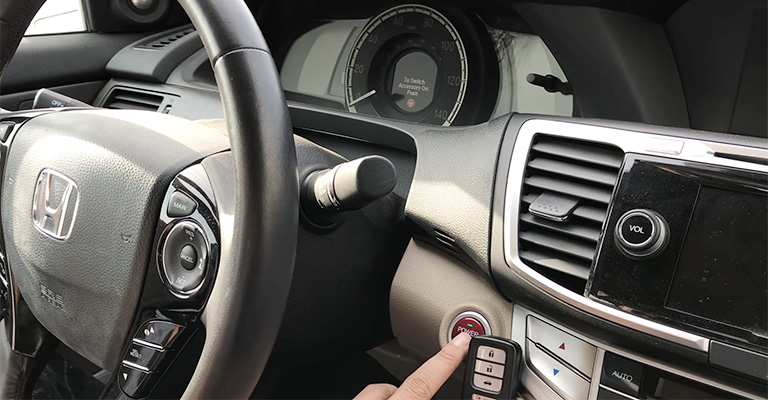
- ‘Key Not Detected’ or ‘No Key’ Warning: This is arguably the most common symptom. The message might appear on the multi-information display (MID) when you attempt to start the engine, even if the key fob is clearly inside the cabin. It could be persistent or appear intermittently, for instance, only when the fob is in a pocket or bag, rather than in the cup holder.
- Intermittent Starting Issues: The engine fails to crank on the first attempt, requiring multiple presses of the start button, or needing you to hold the key fob in a specific location (e.g., against the start button or in the emergency slot) before the engine will engage. The vehicle might crank but fail to start, indicating an issue beyond just key detection.
- Complete No-Start Condition: This is a more severe symptom where pressing the engine start button yields no response from the starter motor. The button may illuminate, indicating it’s receiving power, but the engine simply won’t turn over. In other cases, the button may not illuminate at all.
Related Electrical Anomalies and Fob Responsiveness
Beyond starting issues, problems with the keyless system can ripple through other vehicle functions:
- Malfunctioning Accessories: The radio, interior lights, or other electrical accessories may act erratically or fail to power on, particularly if the problem is rooted in the vehicle’s main battery or general electrical supply.
- Dashboard Warning Indicators: Accompanying the start failure, you might observe other dashboard warnings, such as the battery light, immobilizer warning light, or a general check engine light, which can provide valuable diagnostic clues.
- Key Fob Remote Issues: The remote lock/unlock functions might cease to work, or the trunk release button on the fob fails to respond. This strongly suggests a broader key fob communication problem or a depleted fob battery. This differs from a complete no-start, as a dead fob battery can often still allow emergency starting.
It’s essential to differentiate between a genuinely dead vehicle battery and a keyless system communication failure. A weak vehicle battery often results in slow cranking or rapid clicking sounds, whereas a communication issue typically means no crank at all, despite the dashboard lights illuminating. For Honda Pilot generations, particularly 2016-2022 models, certain modules like the Smart Entry ECU and BCM can be sensitive to voltage fluctuations, contributing to these symptoms.
By The Numbers
‘No Start’ calls due to Fob Battery
Keyless start issues from Vehicle Battery
Step-by-Step Diagnostic Procedures for Honda Pilot Keyless Start Issues
Recommended Best Deal Products


A systematic approach is crucial to accurately diagnose the cause of a keyless start malfunction in your Honda Pilot. This structured guide will help you troubleshoot common issues efficiently, ranging from simple checks to more advanced diagnostics.

Prime for Young Adults — 6 Months Free
Students and 18–24s get six months of Prime free, then half price.
Start 6 Months Free
📋
Step-by-Step Guide
The most frequent culprit for ‘Key Not Detected’ is a depleted key fob battery. Manually replace the CR2032 battery; ensure proper polarity. A new battery should read approximately 3.0V with a multimeter. Also, verify the key fob’s placement: ensure it’s not buried under other items or outside the primary detection zone. If the fob battery is completely dead, use the Pilot’s emergency start procedure by holding the key fob directly against the start/stop button while pressing the brake pedal and then the start button.
A weak main vehicle battery can mimic keyless system failures. Use a multimeter to measure the battery voltage: a healthy battery should read around 12.6V (static). During cranking, the voltage should not drop below approximately 9.6V. Inspect battery terminals for corrosion and ensure they are clean and tightly connected. If accessible, check the alternator output (typically 13.5-14.5V with the engine running) to rule out charging system issues.
Blown fuses can interrupt power to critical components. Consult your Pilot’s owner’s manual for fuse box locations (typically under the hood and inside the cabin). Focus on fuses related to the starter, ignition, Smart Entry ECU, and immobilizer system. For example, check Fuse 29 (IGNITION MAIN) in the under-hood fuse box or fuses related to the Immobilizer/Smart Entry in the interior fuse panel. Use a fuse tester or visually inspect each fuse for a broken filament.
The keyless start system relies on several safety interlocks. Ensure the brake pedal switch is functioning correctly; the brake lights should illuminate when pressed. Also, confirm the gear selector is firmly in Park (P) or Neutral (N) to satisfy the shift lever position sensor. Malfunctions in these sensors can prevent starting, as they act as essential safety measures. Check the steering lock mechanism for any audible or visible signs of binding or failure.

Audible Premium Plus — Annual Membership
12 audiobook credits up front, plus the full Audible catalogue.
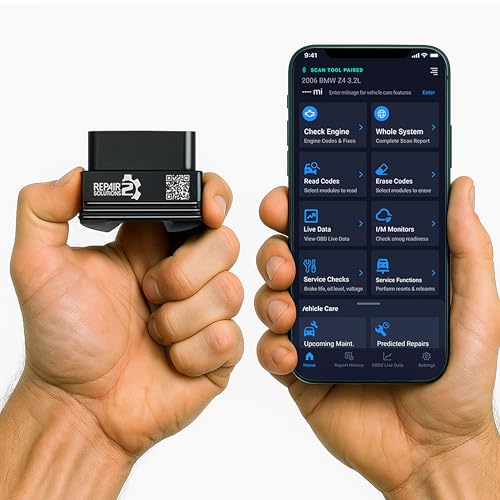
See Annual PlansFor more complex issues, an OBD-II scanner is indispensable. Connect it to your vehicle’s diagnostic port (usually under the dashboard) and retrieve Diagnostic Trouble Codes (DTCs). These codes, particularly from the Smart Entry ECU, Immobilizer ECU, or BCM, can point directly to the failing component. Common Honda-specific codes to look for include B1001 (Immobilizer Failure), B12D6 (Keyless Access Antenna Problem), or powertrain codes like P068A (ECM/PCM Power Relay De-Energized Performance), which can prevent engine start. Interpreting these codes accurately is crucial to isolating the problem and finding the correct solution.
When troubleshooting, always address the simplest potential causes first. Many perceived “keyless start system failures” are quickly resolved by a new key fob battery or by cleaning corroded main battery terminals. Don’t jump to complex module issues without ruling out the basics.
Root Causes: Why Your Honda Pilot Keyless Start System May Fail
Recommended Best Deal Products


Beyond the symptoms, understanding the underlying causes of keyless start system problems in your Honda Pilot is essential for an effective repair. These issues can stem from a variety of sources, from minor component failures to significant electronic module malfunctions.
Key Fob Malfunctions
- Depleted or Faulty Battery: As highlighted, a dead or weak key fob battery is a primary cause of ‘Key Not Detected’ messages or intermittent starting.
- Internal Circuit Board Damage: Key fobs are delicate electronic devices. Drops, impacts, or exposure to moisture (water damage is a leading cause of key fob circuit failure) can damage the internal circuit board, preventing it from transmitting signals correctly. This damage often requires complete fob replacement.
- Software Corruption/Desynchronization: Rarely, the key fob’s internal software can become corrupted or desynchronized with the vehicle, requiring reprogramming or a new fob.
Vehicle Electrical System and Immobilizer Issues
- Weak Main Vehicle Battery: A discharged or failing 12V vehicle battery may not provide sufficient current to energize the starter solenoid, even if dashboard lights illuminate. A significant percentage (estimated 30-40%) of keyless start problems are ultimately traced back to a weak vehicle battery or a failing starter motor.
- Corroded Battery Terminals or Wiring: Poor electrical connections at the battery terminals or along the starter motor wiring can impede current flow, preventing the engine from cranking.
- Failing Starter Motor: The starter motor itself might be mechanically failing or have a faulty solenoid, preventing it from engaging the flywheel.
- Immobilizer System Component Failure: Problems can arise with the transponder chip within the key fob (if not the fob battery), the immobilizer control unit (often integrated into the Smart Entry ECU), or the specific communication pathways designed for the immobilizer handshake.
Sensor, Switch, and Module Failures
- Faulty Brake Pedal Switch: The system requires the brake pedal to be pressed for safety. A malfunctioning brake pedal switch will prevent the start signal from being sent.
- Gear Selector Sensor (P/N Safety Interlock): If the vehicle’s sensor fails to accurately detect that the transmission is in Park or Neutral, the safety interlock will prevent starting.
- Steering Lock Actuator Failure: If the electronic steering lock (present in some models) fails to disengage, the vehicle will not start, even if the key fob is detected.
- Wiring Harness Issues: Damaged, corroded, or chafed wiring harnesses (e.g., due to rodent damage or wear) can lead to communication breakdowns between the various ECUs and sensors, causing intermittent or complete failure.
- Smart Entry ECU, BCM, or Engine Control Unit (ECU) Failure: These complex electronic modules can fail due to internal component degradation, voltage spikes, or software glitches. For instance, Honda service bulletins have addressed certain immobilizer software updates for specific model years, and BCM updates for 2017-2019 Pilot models have resolved various electrical quirks, including starting anomalies. A faulty module can misinterpret signals or fail to send necessary commands, preventing the vehicle from starting.
Attempting to diagnose or replace complex modules like the Smart Entry ECU or BCM without specialized Honda diagnostic tools and technical knowledge can lead to further vehicle damage, component incompatibility, and potentially render the vehicle inoperable. Always consult a professional for advanced module work.
Professional Solutions and Repair Strategies for Keyless Start Systems
Once the root cause of your Honda Pilot’s keyless start system problem has been accurately diagnosed, implementing the correct solution is the next critical step. Solutions range from simple DIY fixes to professional interventions requiring specialized tools and expertise.
Key Fob Repair and Replacement
- Battery Replacement: As the easiest and most common fix, ensure regular replacement of the CR2032 key fob battery (typically every 1-2 years). This is a simple DIY repair.
- Professional Re-shelling/Repair: For physical damage (e.g., broken buttons, cracked casing), a professional automotive locksmith or specialized repair shop might be able to re-shell the fob or repair minor circuit damage, often a more cost-effective workaround than full replacement.
- New Key Fob Programming: If the fob is internally damaged or lost, a new one must be ordered and programmed. This typically requires a Honda dealership or a qualified automotive locksmith who possesses the necessary equipment to program the fob to your vehicle’s immobilizer and Smart Entry system. The average cost for a new Honda key fob and programming can range from $200-$400, depending on the model year and labor rates.
Vehicle Electrical System Repairs
- Main Vehicle Battery Replacement: If the vehicle battery is failing, replace it with a new, high-quality automotive battery. Ensure battery terminals are cleaned and properly tightened during installation.
- Starter Motor/Alternator Service: A failing starter motor or alternator requires professional diagnosis and replacement. These are standard mechanical repairs performed by automotive technicians.
Module Diagnostics and Replacement
- Advanced Diagnostic Scan: For module-related issues, a certified Honda technician will utilize Honda’s HDS (Honda Diagnostic System) or a comparable professional-grade scan tool. This allows for deep communication diagnostics with the Smart Entry ECU, BCM, and other relevant control units to pinpoint specific errors, often allowing them to debug the system.
- Module Replacement and Programming: If a module (Smart Entry ECU, BCM, or immobilizer unit) is deemed faulty, it will need replacement. This is a complex procedure involving installation, followed by extensive programming and often a ‘relearn procedure’ using specialized Honda software to synchronize the new module with the vehicle’s other systems and existing key fobs. Replacing a Smart Entry ECU can cost upwards of $600-$1200, including parts and labor.
Sensor and Wiring Harness Repair
- Sensor Replacement: Faulty brake pedal switches, gear selector sensors, or steering lock actuators can be replaced by a technician. These are generally straightforward component swaps once the faulty part is identified.
- Wiring Harness Repair: Diagnosing a wiring fault requires meticulous tracing using vehicle schematics, often involving continuity testing and visual inspection. Expert repair involves splicing and sealing damaged sections of the harness to resolve communication issues.
Preventative maintenance is the best defense. Regularly replace your key fob battery, keep the fob away from water, extreme temperatures, and strong electromagnetic fields, and adhere to your vehicle’s recommended battery maintenance and inspection schedules. This significantly reduces the likelihood of encountering keyless start issues.
Keyless start system problems in Honda Pilot often stem from key fob, vehicle battery, or module/sensor failures. Systematic diagnosis, including basic checks and OBD-II scans, is crucial for accurate problem identification. Solutions range from simple DIY (fob battery) to professional intervention for module programming or complex electrical repairs. If you are experiencing persistent keyless start issues, utilize the diagnostic steps outlined, and consult a certified Honda technician for professional assessment and repair to ensure the safety and reliability of your vehicle.
Frequently Asked Questions
Can a dead key fob battery really prevent my Honda Pilot from starting?
Absolutely. A depleted key fob battery is a very common cause of keyless start failures. The fob transmits a signal to the vehicle’s system to authorize starting. Without sufficient power, this signal may be too weak or absent, leading to a ‘Key Not Detected’ message and a no-start condition. Always try replacing the fob battery first or using the emergency start procedure.
What does the ‘Key Not Detected’ message in my Pilot mean?
This message typically indicates that the vehicle’s smart entry control unit cannot establish a reliable communication link with your key fob. It could be due to a dead fob battery, interference, a faulty fob, or a problem with the vehicle’s internal antennas or receiver modules. Ensure the fob is inside the cabin and try the emergency start slot.
Is it expensive to fix a keyless start system problem in a Honda Pilot?
The cost varies significantly based on the root cause. A simple key fob battery replacement is inexpensive. Replacing the key fob itself and programming it can range from $200-$400. More complex issues involving the Smart Entry ECU, immobilizer module, or wiring harness can be substantially more, potentially ranging from $600 to over $1500, including labor.
Can I troubleshoot my Honda Pilot’s keyless start issues myself?
Many initial diagnostic steps can be performed by the owner, such as checking the key fob battery, verifying the vehicle’s main battery voltage, and inspecting accessible fuses. However, advanced diagnostics requiring specialized scan tools, module programming, or complex electrical tracing typically require professional expertise from a certified technician or Honda dealership.
How often should I replace my Honda Pilot’s key fob battery?
It is generally recommended to replace your Honda Pilot key fob battery every 2 to 4 years, depending on usage. If you notice a decrease in remote range or intermittent functionality, it’s a good indication that the battery is weakening and should be replaced proactively to prevent being stranded by a no-start condition.