How Far Can An Electric Car Go On One Charge How Far 2026
Last Updated on September 1, 2026 by Albert Duke
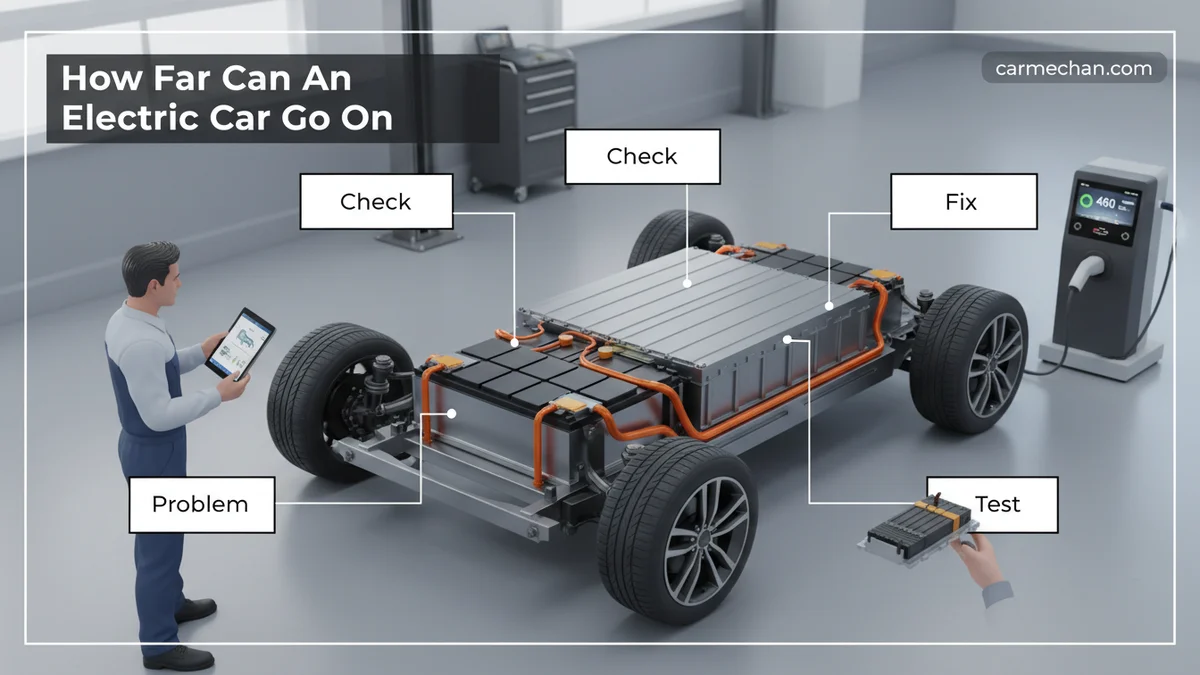
On average, a modern electric car can travel between 250 to 300 miles on a single charge in 2026, though this significantly varies by model, battery size, and driving conditions. We empower you with strategies to understand and optimize your EV’s real-world range.

Prime for Young Adults — 6 Months Free
Students and 18–24s get six months of Prime free, then half price.
Start 6 Months FreeWhen considering how far an electric car can go on one charge, the impressive advancements in battery technology mean that a modern EV in 2026 typically travels between 250 to 300 miles. This range, however, is not a fixed number, as various factors significantly influence actual performance. Our article empowers you with a comprehensive understanding of EV range, from benchmarks and top models to practical optimization strategies. We explore how driving habits, environmental conditions, and vehicle specifications play crucial roles. Ultimately, you will gain actionable insights to confidently navigate your electric vehicle experience.
Key Takeaways
Recommended Best Deal Products


- Average 2026 EV range is 250-300 miles.
- Battery capacity drives maximum distance.
- Weather and speed severely impact range.
- Real-world range often differs from EPA ratings.
- Driving habits greatly extend or reduce range.
Top 7 Longest Range Electric Vehicles Compared

The average electric car range in 2026 comfortably sits between 250 to 300 miles on a single charge. This figure represents a significant leap forward in battery density and efficiency. However, range varies greatly across different models, with premium vehicles pushing boundaries and entry-level options offering increasingly practical distances. Understanding these benchmarks helps in evaluating suitability for your needs.
Premium Models Lead
Luxury EVs continue to set the bar for maximum range. These vehicles often feature larger battery packs and aerodynamic designs optimized for efficiency. The 2026 Lucid Air Grand Touring is expected to lead with an estimated range exceeding 500 miles. The Mercedes EQS 450+ and Tesla Model S also boast impressive figures, often in the 400-mile range. . These top-tier options redefine expectations for long-distance electric travel.
Mid-Tier Options Balance
The mid-range EV market now offers an excellent balance of cost, features, and substantial range. Models like the Hyundai Ioniq 6, Chevrolet Blazer EV, and Kia EV6 are projected to offer ranges well into the 300s by 2026. . These vehicles make long road trips feasible and daily commuting worry-free for most drivers. They represent the sweet spot for many prospective EV buyers.
Entry-Level Choices Advance
Even entry-level electric cars are seeing remarkable range improvements. While not competing with premium models, cars like the Nissan Leaf (longest range variant) are expected to offer more than adequate range for daily use, often surpassing 200 miles. . This expanded capability makes electric vehicle ownership accessible and practical for a wider audience. Despite these impressive figures, various conditions consistently influence the actual driving range you experience.
How 5 Key Factors Impact EV Driving Range?
Recommended Best Deal Products


Many variables influence the actual EV range experienced beyond manufacturer claims. Understanding these factors helps you better predict your vehicle’s performance in real-world scenarios. Each element plays a distinct role in how far an electric car can go on one charge.
Battery Capacity Dictates
The fundamental determinant of an EV’s range is its battery capacity, measured in kilowatt-hours (kWh). A larger battery pack means more stored energy and, consequently, a greater potential driving distance. This is why luxury EVs with larger battery packs typically offer superior range. [INTERNAL LINK: EV battery charging] capabilities also influence how quickly you can replenish this capacity.
Temperature Extremes Reduce
Both very cold and extremely hot temperatures negatively impact EV range. In cold weather, batteries are less efficient, and energy is diverted to cabin heating and battery conditioning. This can reduce range by 20-40% or even more in severe conditions. Similarly, extreme heat requires energy for cabin cooling and battery temperature management, though its impact is generally less severe than cold.

Audible — Listen Free for 30 Days
One free credit a month and thousands of titles included.
Listen Free for 30 DaysHigher Speeds Drain Power
Driving at higher speeds significantly increases energy consumption. Aerodynamic drag becomes a much more dominant force, requiring more power to maintain velocity. Traveling at 75 mph consumes substantially more energy per mile than driving at 60 mph. This effect is particularly noticeable on highways.
Aggressive Driving Decreases
Frequent rapid acceleration and hard braking are energy-intensive driving habits. Each burst of speed drains the battery quickly, and while regenerative braking recovers some energy, it doesn’t fully compensate for aggressive driving. Smooth, consistent driving maximizes efficiency. Anticipating traffic and gentle inputs help conserve precious miles.
Uphill Climbs Consume More
Driving uphill requires substantial energy to overcome gravity, rapidly depleting the battery. While descending hills can recoup some energy through regenerative braking, the net effect of varied terrain is often a reduction in overall range. Long, steep inclines can notably shorten the distance you travel. Awareness of these factors helps in bridging the gap between advertised and actual range, preparing you for practical usage.
Real-World Range Versus Advertised Estimates
Real-world range often differs from official advertised ratings, a common concern for both prospective and current EV owners. Understanding this discrepancy is crucial for managing expectations and planning journeys effectively. These differences stem from varying testing procedures and individual driving conditions.
EPA Ratings Predict Distance
The Environmental Protection Agency (EPA) provides range estimates for EVs in the United States. These ratings are generally considered the most realistic benchmarks compared to other global standards. The EPA uses a combination of city and highway driving cycles under controlled laboratory conditions to simulate real-world usage.
WLTP Standards Differ Globally
The Worldwide Harmonized Light Vehicles Test Procedure (WLTP) is a global standard used in many regions, including Europe. WLTP ratings often appear higher than EPA figures because their testing cycles tend to be less aggressive, with lower average speeds and less acceleration. This means a WLTP range often requires a larger adjustment for real-world driving.
Mitigating Range Anxiety Effectively
Range anxiety, the fear of running out of charge before reaching a charging point, is a common initial concern for EV drivers. However, with average daily commute distances typically around , a modern EV’s 250-300 mile range is more than sufficient for most daily needs. Growing charging infrastructure also lessens this worry. [INTERNAL LINK: Understanding EV charging infrastructure] offers solutions.
Planning Long Journeys Smartly
For longer trips, careful planning is key. Assessing if 200 miles is enough EV range depends on your specific travel habits and access to charging. Most EVs now include sophisticated navigation systems that integrate charging stops into route planning. Pre-planning charging locations and understanding their availability dramatically reduces stress during road trips. Even with real-world variations, proactive steps allow drivers to extend their range and travel confidently.
How to Maximize Your EV Range in 4 Steps
Recommended Best Deal Products


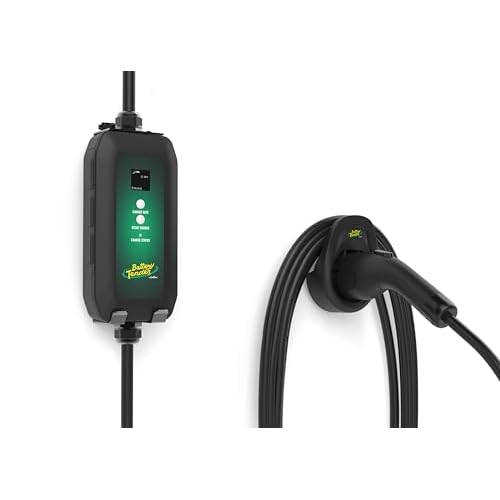
You can significantly extend your electric vehicle’s driving range with a few conscious changes to your habits and vehicle settings. These practical steps empower you to get the most out of every charge, making your EV experience more efficient and enjoyable.
Audible Premium Plus — Annual Membership
12 audiobook credits up front, plus the full Audible catalogue.
See Annual PlansAdopt Efficient Driving Styles
Smooth acceleration and gradual braking are paramount for range optimization. Avoid sudden bursts of speed. Utilizing your EV’s ‘Eco’ or ‘Range’ driving mode, if available, can also adjust power delivery and climate control for maximum efficiency. Anticipating traffic flow reduces unnecessary stops and starts.
Manage Cabin Climate Controls
Heating and cooling the cabin are major energy consumers. Pre-conditioning your car while it’s still plugged in uses grid power instead of your battery. Use seat heaters and steering wheel heaters, which are far more efficient than heating the entire cabin. Setting a comfortable, but not extreme, temperature helps preserve range.
Leverage Regenerative Braking Power
Regenerative braking converts kinetic energy back into electricity, recharging the battery. Maximize this by anticipating stops and coasting, allowing the system to work effectively. In city driving, effective regenerative braking can increase range by . Many EVs allow you to adjust the level of regenerative braking.
Maintain Battery Longevity
Proper battery care contributes to sustained range performance over time. Avoid routinely charging to 100% or letting the battery drop below 10-20% for extended periods. Most manufacturers recommend keeping the state of charge between 20% and 80% for daily use. Using slower charging methods when possible also extends battery life. Following these practical tips can dramatically improve how far an electric car can go on one charge, giving you greater control over your driving experience.
Your Electric Car Range the 2026 Outlook
The journey to understanding how far an electric car can go on one charge reveals a rapidly advancing industry. By 2026, average EV ranges of 250-300 miles are standard, making electric vehicles a practical choice for most drivers. We have seen how leading models push boundaries and how mid-tier options offer significant value. Factors like temperature, speed, and driving style profoundly impact actual distance, bridging the gap between advertised figures and real-world performance. You now possess the insights to not only choose the right EV but also to maximize its potential. By adopting efficient habits and leveraging smart technology, you can confidently embrace the electric driving revolution.
Your Top Questions About Electric Vehicle Range
What Is the Average Range of an Electric Car in 2026?
The average new electric car in 2026 offers an estimated range of 250 to 300 miles on a single charge. This figure represents a significant improvement over previous years, making EVs suitable for most daily commutes and even longer trips. However, individual model performance varies widely.
Does Cold Weather Significantly Reduce EV Range?
Yes, cold weather can significantly reduce an EV’s range, sometimes by 20-40% or more. This is because batteries are less efficient in cold temperatures, and more energy is used for cabin heating and battery conditioning. Planning for reduced range in winter is essential.
How Accurate Are EPA Range Estimates for EVs?
EPA range estimates are generally considered the most realistic benchmarks for EV range in the United States. They account for both city and highway driving. While real-world conditions can still cause variations, EPA figures provide a reliable guide for comparison.
Is 200 Miles of EV Range Enough for Daily Driving?
For most drivers, 200 miles of EV range is more than sufficient for daily driving needs. The average daily commute is much shorter than this. This range comfortably covers errands, work commutes, and local travel without frequent charging stops.
What Is Regenerative Braking and How Does It Help Range?
Regenerative braking is a system that converts kinetic energy, usually lost during deceleration, back into electricity to recharge the battery. By using this system effectively, especially in city driving, you can extend your EV’s range and improve overall efficiency.