2010 Honda Accord Value: How Much Is It Worth Today?
Last Updated on September 1, 2026 by Ryan


A used 2010 Honda Accord typically ranges from $6,000 to $10,000, depending significantly on its condition, mileage, and specific trim level. Factors like maintenance history and regional demand also play a crucial role in determining its final market price.
🎯 Key Takeaways
- Value depends on trim (LX, EX-L), mileage, and condition.
- Consult KBB, NADA, Edmunds for accurate pricing.
- Excellent condition and low mileage fetch top dollar.
- Review maintenance records to assess vehicle health.
- Regional market demand influences the final price.
If you’re looking to buy, sell, or simply understand the asset value of a 2010 Honda Accord, you’re asking a smart question. While this reliable sedan is now over a decade old, its strong reputation for durability keeps it in steady demand on the used car market. Understanding its current worth helps you set a fair price, negotiate effectively, or make informed financial decisions about your vehicle.

The market value of a 2010 Honda Accord isn’t a single, fixed number. Instead, it’s a dynamic range influenced by several crucial factors, primarily its specific trim level, overall condition, and accumulated mileage. We’ll break down what you can expect to pay or receive for this popular model today, citing insights from trusted valuation sources.
Current Market Value for a Used 2010 Honda Accord
Determining the exact value of a used 2010 Honda Accord requires considering several variables, but we can provide clear price ranges based on typical market conditions and data from sources like Kelley Blue Book (KBB) and the National Automobile Dealers Association (NADA). For a privately sold 2010 Accord in good condition with average mileage (roughly 180,000-200,000 miles), you can expect the following approximate private party sale values:
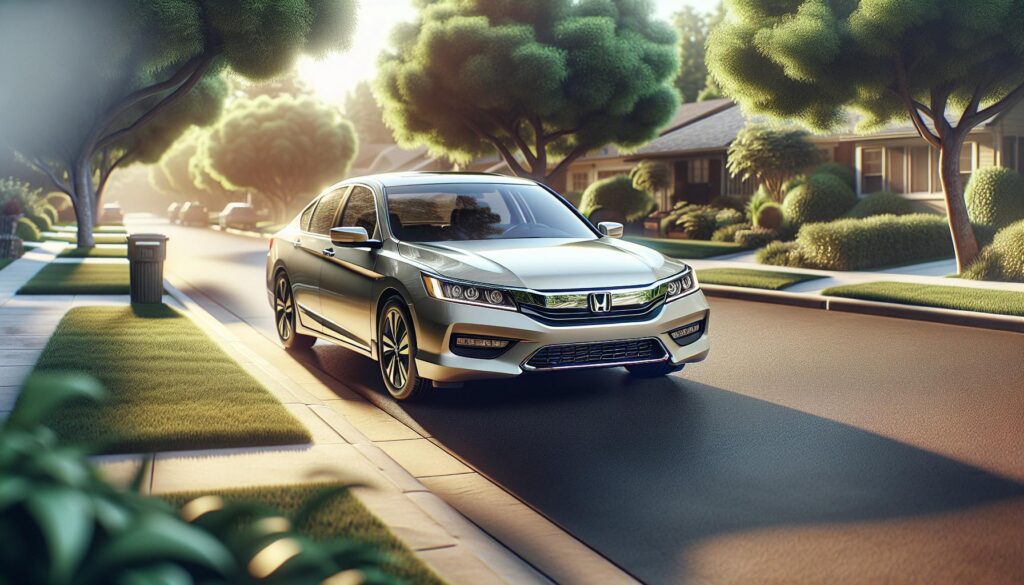
- LX Trim: Generally ranges from $5,500 to $7,500. This is the base model, offering solid reliability without many frills.
- EX Trim: Expect values between $6,500 and $8,500. The EX adds popular features like a sunroof, alloy wheels, and a more robust audio system, enhancing its appeal.
- EX-L Trim: This premium trim often commands $7,500 to $9,800. It typically includes leather seats, automatic climate control, and sometimes navigation, making it more desirable.
- V6 Models (LX V6, EX V6, EX-L V6): These more powerful variants, particularly the EX-L V6, can fetch between $8,000 and $11,500, especially if they are well-maintained and have lower mileage for their age. The V6 engine provides a significant performance upgrade.
Average Price Ranges by Trim and Condition
These ranges are for vehicles in “good” condition. An Accord in “excellent” condition, meaning it’s mechanically sound with minimal cosmetic flaws and a full service history, could add an extra $1,000 to $2,000 to these figures. Conversely, a vehicle in “fair” condition, with noticeable cosmetic wear, minor mechanical issues, or a less complete service record, might reduce the value by $1,000 to $2,000 or more. Lower mileage for the year will almost always push the value towards the higher end of these ranges, as will desirable factory options.
Understanding Valuations from Reputable Sources
When you consult sites like KBB, NADA, or Edmunds, you’ll see different valuation types: trade-in, private party, and dealer retail. Our figures above primarily reflect private party sale values, which is typically what an individual seller can expect from an individual buyer. Dealer retail prices will be considerably higher, often by $2,000 to $4,000, to cover reconditioning, overhead, and profit margins. Trade-in values, what a dealership offers you for your car, will be the lowest.
The Ultimate 2010 Honda Accord Valuation Walkthrough
Determining the fair market value of a used vehicle, especially a popular model like the 2010 Honda Accord, can feel like a daunting task. This comprehensive guide will walk you through a detailed, step-by-step process to accurately assess your car’s worth, whether you’re looking to sell, trade-in, or simply understand its current value. Following these steps meticulously will empower you with the knowledge and data needed to make informed decisions and ensure you get the best possible price for your vehicle.
Step 1: Utilize Online Valuation Tools as a Starting Point
What you need: Your vehicle’s VIN (Vehicle Identification Number), current mileage, accurate trim level (e.g., LX, EX, EX-L, V6), and your zip code.
Instructions: Begin by visiting reputable online valuation websites such as Kelley Blue Book (KBB.com), Edmunds.com, and NADAguides.com. These platforms provide estimated values based on aggregated market data. Input your Accord’s specific details, including year, make, model, trim level, engine type, current mileage, and your local zip code. Crucially, be honest about your vehicle’s condition (e.g., “Fair,” “Good,” “Very Good,” “Excellent”) based on their detailed criteria. You’ll likely receive different values for private party sale, trade-in, and dealer retail. Record these numbers to establish an initial range.
Pro Tip: Don’t just use one site. Comparing values from at least three different major valuation tools will give you a more balanced and realistic initial estimate, as each site uses slightly different algorithms and data sources.
Step 2: Conduct a Thorough Condition Assessment
What you need: A pen and paper or a digital checklist, a flashlight, and a keen eye for detail.
Instructions: This is perhaps the most critical step. Walk around and through your 2010 Accord, meticulously inspecting every aspect. For the exterior, note any dents, scratches, rust spots (common around wheel wells or lower panels), paint fade, and the condition of the tires (tread depth, brand). Inside, check for tears, stains, excessive wear on seats, carpets, and headliner. Test all electronics: power windows, locks, radio, A/C, heater, dashboard lights, and sunroof. Open the hood and trunk to inspect for fluid leaks, excessive dirt, or damage. Be brutally honest; even minor flaws impact value. Document every single issue, no matter how small.
Pro Tip: Imagine you are a picky buyer. What flaws would you notice and use to negotiate a lower price? Address minor issues like excessive dirt or a burnt-out bulb before valuation; these small fixes can yield a better overall impression.
Step 3: Compile and Organize Service and Maintenance Records
What you need: All service receipts, maintenance logs, and repair documentation for your 2010 Honda Accord.
Instructions: Gather every piece of paper related to your car’s history. This includes oil changes, tire rotations, brake replacements, major repairs (e.g., timing belt, transmission service), and any recall work performed. Organize these documents chronologically. A well-maintained vehicle with a clear history commands a higher price because it demonstrates reliability and responsible ownership. If you don’t have physical records, check if your mechanic keeps digital copies, or if the dealership where work was done can provide a printout of service history associated with your VIN. A gap in records, especially for crucial maintenance, can significantly devalue the car.
Pro Tip: Create a digital folder with scanned copies of all records. This makes them easy to share with potential buyers and prevents loss. Highlighting recent major services (e.g., new tires, recent brakes) can be a strong selling point.
Step 4: Research Local Market Comparables
What you need: Internet access, specific search filters for year, make, model, and trim.
Instructions: Dive into your local market to see what similar 2010 Honda Accords are actually selling for. Check popular online marketplaces like Autotrader.com, Cars.com, Facebook Marketplace, and Craigslist within a 50-100 mile radius of your location. Filter your searches strictly by year (2010), make (Honda), model (Accord), and trim level (e.g., EX-L V6). Pay close attention to mileage, overall condition described, and features. Note down the asking prices for at least 5-7 comparable vehicles. Understand that asking prices are not always selling prices, but they provide a good benchmark. Look for patterns in pricing based on mileage, condition, and optional features.
Pro Tip: Be wary of outliers – cars priced significantly higher or lower than the average. These might have unique circumstances (e.g., restored classic, salvage title). Focus on the majority of listings that fall within a reasonable range.
Step 5: Factor in Optional Features and Aftermarket Modifications


What you need: Your original purchase invoice or a detailed list of factory options, and an assessment of any aftermarket additions.
Instructions: Honda Accords came with various trim levels and optional packages that significantly impact value. Identify if your car has desirable features like leather seats, navigation system, premium sound system, sunroof, alloy wheels, or a V6 engine. These factory options add considerable value. For aftermarket modifications, assess their impact. High-quality, professionally installed upgrades (e.g., a reputable brand stereo system, new performance tires) might add minor value, but personalized or poorly installed modifications (e.g., extreme body kits, loud exhaust) typically detract from value or appeal to a very niche buyer, potentially lowering your broad market price. Factor these into your overall assessment.
Pro Tip: While desirable factory options increase value, most aftermarket modifications, especially cosmetic ones, typically do not yield a dollar-for-dollar return and can even reduce the car’s appeal to the average buyer. Stick to highlighting factory features.
Step 6: Understand Regional Demand and Seasonality
What you need: An awareness of your geographic location and the time of year.
Instructions: Vehicle values can fluctuate based on regional demand and seasonality. For example, a reliable sedan like the Accord might hold its value well in metropolitan areas with high commuter populations. Also, spring and summer often see increased car buying activity, potentially leading to slightly higher selling prices, especially for family-friendly vehicles. Conversely, selling during holidays or deep winter in colder climates might result in lower offers due to decreased demand. Consider these external factors when setting your final price. If you’re not in a hurry, waiting for a more favorable selling season could yield better results.
Pro Tip: If possible, aim to list your 2010 Accord between March and August. This period generally sees more active buyers, particularly for fuel-efficient and reliable sedans, which can create a more competitive market for your vehicle.
Step 7: Determine Your Target Price Range
What you need: All the data collected from previous steps (online valuations, condition assessment, service records, local market data, feature list).
Instructions: Consolidate all the information you’ve gathered. Start with the average of your online valuation estimates. Adjust this up or down based on your car’s actual condition compared to the “Good” or “Very Good” criteria, your comprehensive service history, and how your local market comparables are priced. If your Accord is in exceptional condition for its age and mileage, with full records and desirable features, you can aim for the higher end of the range. If it has significant cosmetic flaws or needs major maintenance, you’ll need to price it on the lower end. Aim for a realistic target range, distinguishing between a private sale price (higher) and a trade-in value (lower).
Pro Tip: Always set an asking price slightly above your absolute minimum acceptable price. This leaves room for negotiation, which most buyers expect. Be firm but polite, and have your data ready to justify your price.
✅ Final Checklist
- All online valuation tool estimates (KBB, Edmunds, NADAguides) recorded and compared.
- Thorough physical inspection of exterior, interior, and mechanical components completed and documented.
- Complete service and maintenance records compiled and organized.
- Local market analysis of at least 5-7 comparable vehicles performed.
- Impact of optional features and aftermarket modifications assessed.
- Consideration given to regional demand and selling seasonality.
- A clear and realistic target price range established, including a negotiation buffer.
Important Notes:
- Safety Considerations: When inspecting your vehicle, ensure it’s on a level surface with the parking brake engaged. If you need to get under the car, use proper jack stands and never rely solely on a jack.
- When to Seek Professional Help: If you’re uncertain about the mechanical condition of your vehicle or suspect major issues, it’s wise to have a pre-sale inspection done by a trusted independent mechanic. They can identify hidden problems that could affect value or pose a safety risk.
- Estimated Time and Cost Range: This entire valuation process can take approximately 3-6 hours, depending on how thoroughly you research and inspect. The direct cost is generally minimal (your time, perhaps a small fee for professional appraisal if chosen), but an investment in detailing or minor repairs (e.g., $50-$300) can often yield hundreds or even thousands more in sale price.
Key Factors Influencing a 2010 Honda Accord’s Value
While the trim level sets a base expectation, several other critical elements significantly sway a 2010 Honda Accord’s actual market price. Understanding these factors is essential whether you’re buying or selling.
Mileage and Its Impact
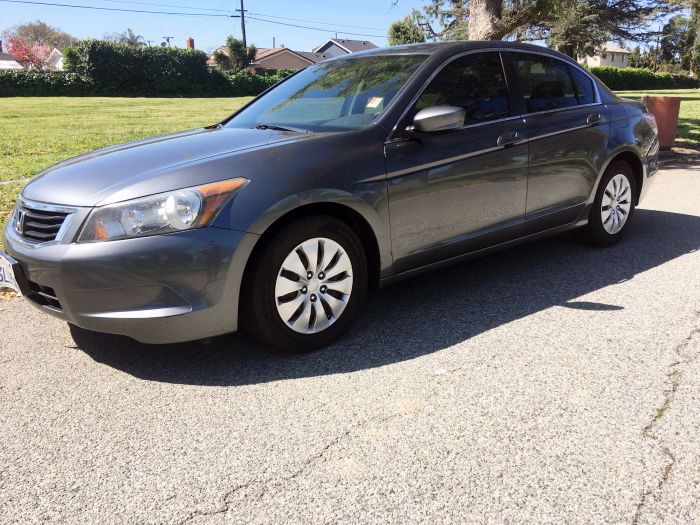
Mileage is often the first number people look at after the year and model. For a 2010 vehicle, an average annual mileage of 12,000 to 15,000 miles means a car with 180,000 to 210,000 miles on the odometer is considered “average” for its age. An Accord with significantly lower mileage (e.g., 120,000-150,000 miles) will almost certainly command a premium, as it suggests less wear and tear and potentially more life left. Conversely, a car with mileage well above the average (e.g., 250,000+ miles) will see its value decrease, despite the Accord’s reputation for longevity. High mileage increases the likelihood of needing major maintenance soon.
Vehicle Condition: Mechanical, Exterior, and Interior
Beyond mileage, the overall condition of the car is paramount. This isn’t just about aesthetics; it encompasses the car’s fundamental health.
- Mechanical Condition: A well-maintained engine, smooth-shifting transmission, functional brakes, and good tires are non-negotiable for a fair price. Evidence of recent major service (timing belt, water pump, transmission fluid change) adds significant value. Any known mechanical issues, even minor ones like a “check engine” light, will severely depress the value and make it harder to sell.
- Exterior Condition: The paint quality, absence of major dents, scratches, and especially rust (a common concern for older vehicles in certain climates) heavily influence buyer perception and value. A clean, shiny exterior signals a car that has been cared for.
- Interior Condition: The state of the seats (no rips, tears, or excessive wear), carpets, dashboard, and working electronics (radio, AC, power windows) directly impacts appeal. A fresh, clean, odor-free interior indicates responsible ownership and makes the car much more inviting.
Getting an Accurate Valuation for Your Specific 2010 Accord
While industry guides and online tools offer excellent starting points, arriving at a truly accurate valuation for your particular 2010 Honda Accord requires a deeper dive into its unique characteristics. No two used cars are exactly alike, and the nuances of condition, history, and even local demand can significantly swing the final price.
The Importance of Vehicle Condition and Maintenance History
The physical state of your Accord is paramount in determining its worth. Buyers and appraisers will meticulously examine both the exterior and interior, looking for signs of wear and tear, neglect, or damage. A car that looks and feels well-cared for immediately inspires more confidence and commands a higher price.
- Exterior Condition: Look for dents, scratches, rust spots, and the overall paint finish. A pristine exterior without major imperfections adds significant value.
- Interior Condition: Assess upholstery for tears, stains, and excessive wear. Check the dashboard, door panels, and headliner for cracks, fading, or damage. Functioning electronics (radio, AC, power windows) are also crucial.
- Mechanical Health: Beyond what you can see, the engine, transmission, brakes, and tires are vital. Recent maintenance, like new tires or a fresh brake job, can increase appeal.
- Service Records: A comprehensive history of maintenance and repairs is a golden ticket. It demonstrates diligence and provides transparency, often leading to a better valuation. For example, an Accord with documented oil changes every 5,000 miles is far more appealing than one with an unknown past.
Factor in Optional Features and Local Market Dynamics
Beyond its core functionality, any extra bells and whistles your 2010 Accord boasts can also contribute to its value. Honda offered various trim levels and optional packages that added convenience and luxury, which are still desirable years later.
- Trim Level: An EX-L model with leather seats and a premium sound system will naturally be worth more than a base LX. If your Accord has a navigation system or a sunroof, these are definite value-adds.
- Desirable Options: Beyond the main trim, features like heated seats, a rear spoiler, or alloy wheels can make a difference. These small touches enhance the driving experience and appeal to potential buyers.
- Local Demand and Supply: Car values aren’t set in stone nationally. In some regions, specific Accord models might be more sought after due to local preferences or climate. Conversely, an oversaturated local market with many similar models could slightly depress prices. Checking local listings for comparable cars will offer immediate insight.
Common Issues and Considerations for the 2010 Accord
Even though the Honda Accord is renowned for its reliability, any vehicle, especially one over a decade old, will have some common quirks and potential maintenance needs. Being aware of these can help you understand realistic repair expectations or factor them into a sale price.
Noteworthy Mechanical and Electrical Concerns
The 8th generation Accord (2008-2012), including the 2010 model year, has a generally strong reputation. However, a few specific issues have been noted by owners over the years. Knowing these helps in understanding a car’s potential future needs or assessing a specific vehicle’s condition.
- Oil Consumption (V6 Models): Some 2010 Accord V6 engines, particularly those with Variable Cylinder Management (VCM), have reported higher-than-normal oil consumption. While not always a major problem, it requires regular monitoring and topping off.
- Power Steering Pump Noise: A common complaint for this generation is a noisy power steering pump, sometimes accompanied by leaks. This is typically a wear-and-tear item that may need attention.
- Vibration Issues: Owners have occasionally reported vibrations, often linked to worn motor mounts or warped brake rotors, which can become more noticeable with age and mileage.
- Airbag Recalls: As with many vehicles of this era, the 2010 Accord was subject to recalls related to Takata airbags. It’s crucial to ensure these safety recalls have been addressed by a Honda dealer.
Maintenance Needs and Future Repair Costs
Older vehicles inherently require more proactive maintenance and budget allocation for potential repairs. While a 2010 Accord can still be a reliable daily driver, anticipating future costs is a smart move for both buyers and sellers.
- Wear Items: Components like tires, brakes, suspension bushings, and battery life naturally degrade over time and mileage. If these items are nearing replacement, their cost should be considered.
- Fluid Services: Transmission fluid, coolant, and brake fluid flushes are critical for longevity and may be due if not recently performed.
- Timing Belt Service (V6 Models): If your 2010 Accord has the V6 engine, the timing belt typically needs replacement around 100,000 to 105,000 miles. This is a significant maintenance expense.
- Unexpected Repairs: Even with excellent maintenance, older cars can have unexpected issues. Budgeting for general repairs, such as sensor failures or exhaust system components, is always wise.
Bringing It All Together: Your 2010 Accord’s True Value


Determining the worth of a used 2010 Honda Accord isn’t a single-number answer. It’s a dynamic figure influenced by a detailed blend of factors: its overall condition, mileage, specific trim level and features, maintenance history, and the current pulse of the local used car market. While its reputation for reliability keeps its value strong, understanding these nuances is crucial.
Whether you’re looking to buy or sell, armed with this comprehensive knowledge, you’re better equipped to make an informed decision. Don’t rely solely on online averages; dig deeper into your specific vehicle or the one you’re considering. Take the time to get a professional inspection, compare similar local listings, and be confident in negotiating a fair price. Your journey with a 2010 Honda Accord, whether as an owner or a buyer, starts with knowing its true worth.
❓ Frequently Asked Questions
What’s the typical price range for different 2010 Honda Accord trims (LX, EX, EX-L)?
The LX trim might range from $5,500-$8,000, while the EX and EX-L models, with more features, typically fall between $7,000-$10,000. V6 versions often reach the higher end of this scale, sometimes exceeding $10,500 for exceptional examples.
How much does a detailed service history impact the valuation?
A comprehensive service history significantly boosts a 2010 Accord’s value by assuring buyers of consistent maintenance and reliability. It demonstrates that potential issues were addressed proactively, instilling confidence and often justifying a higher asking price.
Are there any common issues with the 2010 Accord that could lower its value?
Some 2010 Accords might experience issues like premature brake wear, air conditioning problems, or minor oil leaks, which, if unaddressed, can negatively impact its resale value. Potential buyers often factor in the cost of such repairs when making an offer.
How can I get the most accurate valuation for my specific 2010 Honda Accord?
To get the most accurate valuation, input your vehicle’s specific trim, mileage, condition (using honest self-assessment), and ZIP code into online tools like KBB, NADAguides, or Edmunds. Consider getting a professional inspection for an objective condition report.
Should I consider selling privately versus trading it in for better value?
Selling your 2010 Honda Accord privately will almost always yield a higher market value than trading it into a dealership. Dealerships need to resell the car for a profit, so their trade-in offers are typically lower than what a private buyer would pay.
How does the car’s overall condition (mechanical, cosmetic) affect its worth?
The overall condition profoundly impacts value; excellent mechanical function and flawless cosmetic appearance can add thousands to the price compared to a vehicle with dings, scratches, interior wear, or known mechanical faults. Buyers prioritize well-maintained cars that require fewer immediate repairs.