Honda Cr-V Years To Avoid: A Discerning Buyer’S Guide To Reliability
For many, the Honda CR-V symbolizes the apex of compact SUV utility, renowned for its spaciousness and typically stellar reliability. However, even a marque as trusted as Honda has model years where certain design or manufacturing choices led to notable mechanical and systemic vulnerabilities, warranting careful scrutiny by prospective buyers. This authoritative guide meticulously analyzes specific Honda CR-V model years, detailing documented issues with professional precision to help you navigate the used market, ensuring an informed acquisition and a reliable ownership experience.


Discerning Honda CR-V Reliability: An Overview of Generational Trends and Common Weaknesses

📤 Share Image
Honda has cultivated a long-standing, well-deserved reputation for engineering quality and vehicle longevity. Their compact SUV, the CR-V, often embodies this ethos, making it a trusted choice for families and individuals seeking a reliable and practical daily driver. However, even within such a respected marque, specific model year anomalies have historically deviated from this high standard, presenting notable mechanical and systemic vulnerabilities. Identifying these requires a professional and nuanced understanding of automotive trends.
Our methodology for accurate reliability assessment critically leverages diverse, authoritative data sources. This includes the National Highway Traffic Safety Administration (NHTSA) complaint databases, J.D. Power surveys, extensive owner forums, and independent mechanic reports. This comprehensive approach allows us to triangulate common failure points and quantify their prevalence, moving beyond anecdotal evidence to present a complete picture.
Various factors contribute to accelerated vehicle degradation and the emergence of systemic issues in particular production batches or design iterations. For instance, a shift in manufacturing processes or material sourcing for a specific component, such as transmission clutches in certain 1999-2001 CR-V models, demonstrably led to a surge in reported failures. Similarly, engineering compromises for enhanced fuel efficiency, particularly prevalent in the late 2000s, occasionally impacted engine durability, leading to unforeseen vulnerabilities like excessive oil consumption in some K24Z engines. Evolving automotive emissions standards and the rapid integration of new features and complex electronic systems have also periodically impacted component longevity and system complexity.
While many compact SUVs routinely exceed 200,000 miles with proper maintenance, certain CR-V years present a higher statistical risk of premature failure. Consumer complaint data for these specific model years often show a ‘spike’ significantly above the OEM average, indicating a systemic rather than isolated issue. Our expert analysis aims to highlight these specific periods, providing actionable insights for prospective buyers.
By The Numbers
Miles (Typical SUV Lifespan)
Used Car PPIs Uncover Issues
Higher Resale (Verified Records)
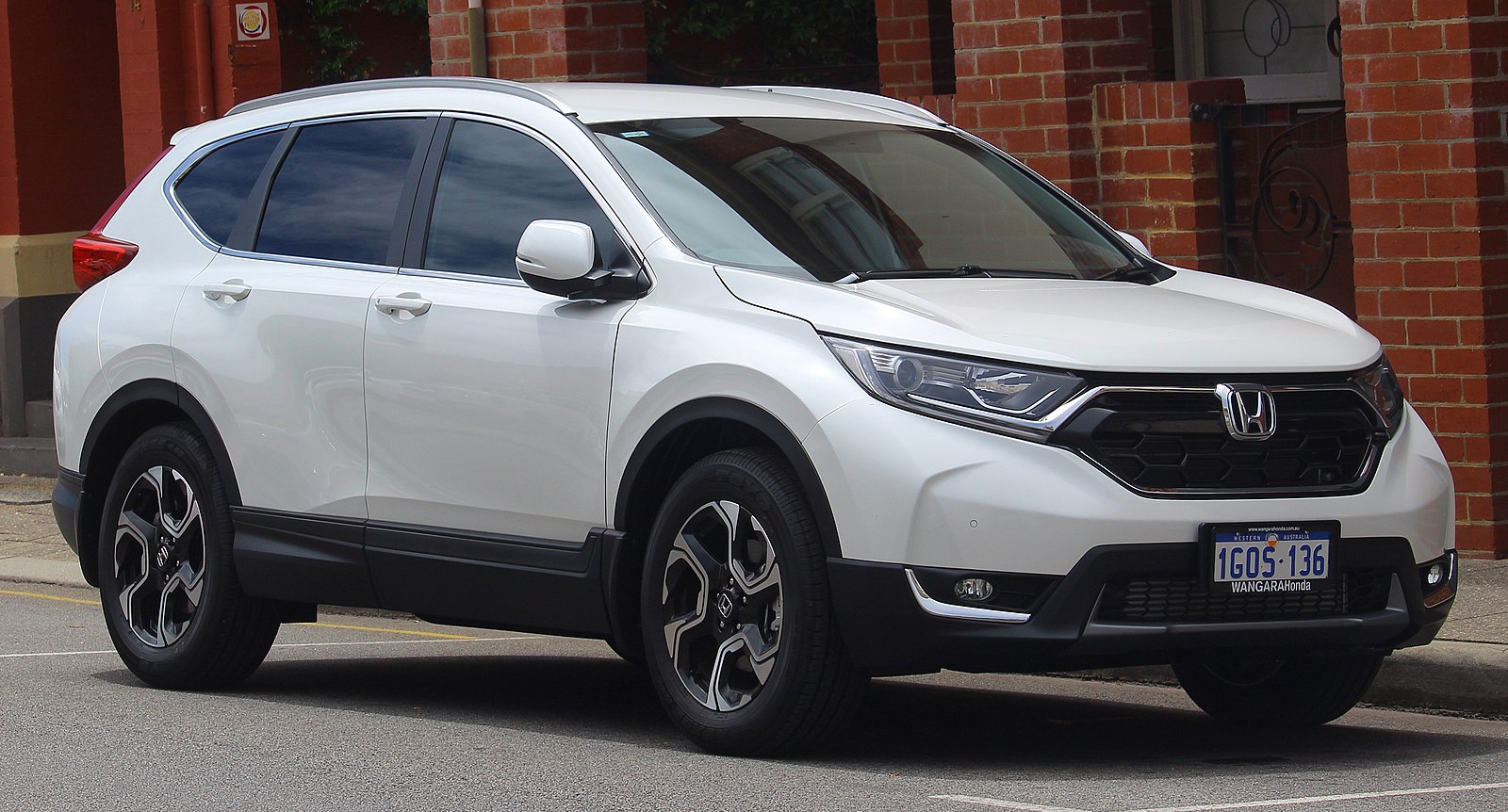
First and Second Generation Honda CR-V Faults: Navigating 1997-2006 Model Year Concerns
The foundational CR-V generations, while lauded for their practicality, were not without their significant mechanical hurdles. Prospective buyers considering these early models must be acutely aware of their distinct weaknesses.
1997-2001 (First Generation) Automatic Transmission Failure
A dominant concern for the first-generation CR-V, particularly between 1999 and 2001, was the inherent design flaw in the 4-speed automatic transmission. This susceptibility led to premature internal component wear, frequently manifesting as inconsistent shifting, noticeable shuddering during gear changes, and ultimately, catastrophic failure. A common scenario involves a 2000 CR-V owner reporting transmission slippage during acceleration or an inability to engage reverse gear. NHTSA complaint data indicates a significantly elevated volume of transmission complaints for 1999-2001 CR-Vs compared to adjacent years, signaling a widespread problem rather than isolated incidents. This makes these specific years particularly risky from a powertrain reliability standpoint.
2002-2004 (Second Generation) AC Compressor Malfunctions
With the second generation, air conditioning system vulnerabilities emerged as a notable pain point. The AC compressor clutch and related components displayed a susceptibility to premature failure, frequently resulting in a complete loss of cooling, particularly problematic in warmer climates. Owners of a 2003 CR-V might suddenly find their cabin air turning warm on a hot day, necessitating expensive component replacement. Repair costs for AC compressor replacement often range from $800-$1500, making this a substantial financial concern for owners.
2002-2006 (Second Generation) Power Steering Pump Issues
Another persistent issue across the second generation was the common occurrence of power steering pump leaks. These leaks were often accompanied by distinct groaning or whining noises, particularly when turning the steering wheel, indicative of seal degradation and impending pump failure. While not immediately catastrophic, a failing power steering pump can lead to stiff steering and ultimately require replacement.
Early Model Rust and Corrosion
For all early CR-V models (1997-2006), professional inspection for prevalent undercarriage, suspension component, and body panel corrosion is critical. Vehicles exposed to road salt or humid climates frequently exhibited rust in areas such as rear wheel arches, rocker panels, subframe mounts, and suspension components, significantly impacting structural integrity and long-term resale value. This is a crucial area for detailed examination for any discerning buyer.
When inspecting older CR-Vs, pay particular attention to the rear wheel wells, rocker panels, subframe components, and suspension mounting points. Significant rust in these areas can compromise structural integrity, lead to costly repairs, and may even render the vehicle unsafe or uninspectable in some regions. Do not underestimate the long-term impact of corrosion.
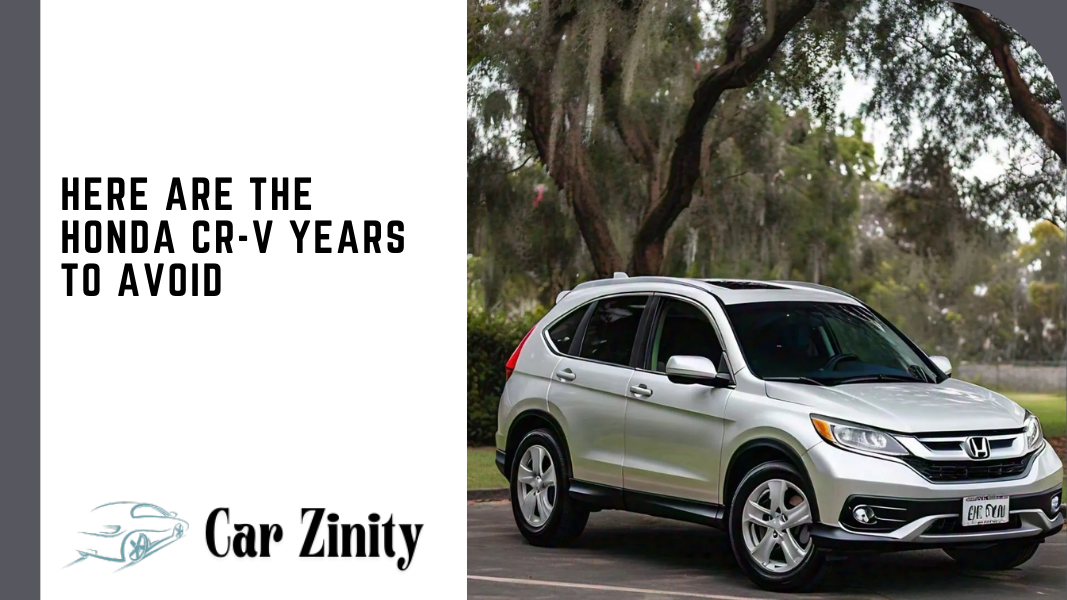
Third Generation Honda CR-V Problems: Focused Review of 2007-2011 Model Year Vulnerabilities
The third generation CR-V saw a shift in design and engineering, but also introduced a new set of issues, primarily centered around its powertrain and accessory systems. These vulnerabilities require a careful assessment for anyone seeking a reliable used model from this period.
2007-2009 (K24Z1 Engine) Excessive Oil Consumption
One of the most concerning and widely reported issues for the 2007-2009 CR-V models equipped with the K24Z1 engine was excessive oil consumption. This stemmed from specific piston ring design flaws that permitted oil bypass, leading to chronically high oil consumption. A typical case involved a 2008 CR-V owner needing to add a quart of oil every 1,000-2,000 miles between oil changes, far exceeding normal allowances. If not vigilantly monitored and replenished, this issue could lead to reduced lubrication, accelerated engine wear, and potential long-term engine damage. Honda did issue extended warranty coverage and technical service bulletins (e.g., Service Bulletin 08-080) related to this known K24Z engine oil consumption problem for affected models.
For any 2007-2009 Honda CR-V, it is absolutely paramount to check the engine oil level at least once a month, or every 1,000 miles. This vigilance is crucial to prevent engine damage due to oil starvation, even if the issue has been addressed by a previous owner. Always carry an extra quart of the recommended oil.
2007-2011 AC System Reliability Concerns
The air conditioning system remained a persistent vulnerability across this entire generation. Issues included recurring compressor failures and refrigerant leaks, continuing the trend seen in earlier models. While frustrating, it’s a known quantity for these years.
2007-2011 Power Door Lock Actuator Failures
A widespread electrical failure affected the power door lock actuators, resulting in doors that failed to lock or unlock remotely or, at times, even manually. Imagine a 2010 CR-V owner struggling with a driver’s side door that cannot be secured via the key fob, presenting a significant inconvenience and security concern. Replacing these actuators can be costly, often requiring door panel removal and specialized tools.
Premature Brake Wear Issues
Some owners of third-generation CR-Vs reported accelerated wear of front brake components, including rotors and pads. This led to more frequent and costly replacements than typically expected, suggesting inadequate brake component sizing or material quality for the vehicle’s weight and intended use.
Fourth Generation Honda CR-V Deficiencies: Scrutinizing 2012-2016 Powertrain and Electronic Issues
The fourth generation CR-V introduced refreshed styling and new technology, yet it also brought a distinct set of challenges, particularly affecting powertrain components, ride quality, and advanced in-cabin electronics. These issues are crucial for a discerning buyer to understand.
2012-2014 VTC Actuator Noise and Failure


A prevalent issue for 2012-2014 models involved the Variable Timing Control (VTC) actuator. This problem was characterized by a distinct, loud grinding or rattling noise during cold engine starts, often referred to by owners as the “death rattle.” This noise indicates oil pressure loss within the actuator or internal component wear, requiring replacement. A 2013 CR-V emitting this pronounced noise upon a cold morning start is a clear sign of this known defect. Honda released specific service bulletins (e.g., 14-034) to address this, and in some cases, extended warranty coverage was provided, underscoring its widespread nature and impact on engine quality.
2015-2016 Infotainment System Glitches and Failures
As automotive technology advanced, so did the potential for electronic complications. The redesigned infotainment systems in 2015-2016 CR-Vs saw an increased prevalence of software bugs, freezing screens, slow responsiveness, Bluetooth connectivity issues, and overall instability. Instances of a 2015 CR-V’s touchscreen navigation system freezing or rebooting spontaneously during a journey were frustratingly common. These issues, while not mechanical, severely impacted the daily user experience and reduced the perceived quality of the vehicle’s interior features.
2015 Drivetrain Vibration (‘Vibragate’)
Perhaps the most notorious issue of this generation was the low-frequency vibration experienced by many 2015 CR-V owners, particularly at idle or low speeds. Dubbed “Vibragate” by the owner community, this drivetrain vibration was often challenging to diagnose and resolve, despite multiple dealer attempts and investigations. Owners described a pervasive “shuddering” or “rumbling” that detracted significantly from ride quality. The volume of online discussions and potential class-action litigation surrounding this issue demonstrates its pervasive nature and significant impact on owner satisfaction and the vehicle’s reliable perception.
CVT Transmission Concerns (2015+)
The Continuously Variable Transmission (CVT) was introduced in later years of this generation (specifically the 2015 refresh onwards). While generally robust when properly maintained, initial owner concerns revolved around its noise characteristics and distinct driving feel compared to traditional automatics. It is critically important for this transmission type to adhere to regular and specialized fluid changes, as deferred maintenance can severely impact its longevity and performance, thus affecting the vehicle’s overall reliability.
Mitigating Risk: Expert Strategies for Purchasing a Used Honda CR-V from Any Model Year
Regardless of a Honda CR-V’s generational reputation, a professional and thorough evaluation process is paramount to ensuring a reliable acquisition. These expert strategies empower prospective buyers to make an informed decision.
📋
Step-by-Step Guide: The Indispensable Pre-Purchase Inspection
Always arrange for a detailed Pre-Purchase Inspection (PPI) by a third-party, certified mechanic. This individual should have no affiliation with the seller. This step is non-negotiable, as industry studies indicate that a professional PPI can uncover undisclosed issues in over 30% of used vehicle transactions, potentially saving thousands in post-purchase repairs. Insist on a comprehensive, bumper-to-bumper check, specifically highlighting known issues for the targeted CR-V model year.
Instruct your mechanic to pay extra attention to the specific vulnerabilities highlighted in this guide for the CR-V year you are considering. For example, a PPI on a 2000 CR-V should include a rigorous transmission fluid inspection and test drive, whereas a 2008 model’s engine oil consumption should be assessed. A scenario where a PPI identified a failing AC compressor on a 2003 CR-V that was not evident during a superficial inspection is common, saving the buyer significant repair costs.
Leveraging Comprehensive Vehicle History Reports (VHRs)
The critical importance of services like CarFax or AutoCheck cannot be overstated. A VHR provides a digital dossier on the vehicle, allowing you to uncover accident history, verify service records, detect odometer discrepancies, and identify prior recalls or significant repairs. A VHR might reveal an undisclosed prior flood damage or a salvage title, information vital to a trusted and transparent transaction.
Uncover Hidden Damage
VHRs reveal accident history, flood damage, or salvage titles that a seller might omit.
Verify Mileage & Ownership
Confirm odometer readings and track previous ownership, crucial for assessing wear and tear.
Review Service Records
Access reported service history, confirming regular maintenance or revealing neglect.
Conducting an Extended Test Drive and Thorough Functional Checks
A test drive must be more than a quick spin around the block. Drive the vehicle under various conditions: city streets, highway speeds, inclines, and even rougher patches if safe. Actively listen for specific engine noises (like the VTC actuator rattle), feel for transmission behaviors (slippage, hard shifts, vibration), assess braking characteristics (pulling, pulsing), and test all electronic functionalities (infotainment, power windows, door locks, HVAC). This complete assessment will reveal issues missed during a static inspection.
Verification of Meticulous Service Records
A complete and well-documented service history is a robust indicator of previous ownership diligence and overall vehicle health and longevity. It shows that the owner invested in proactive maintenance, which directly correlates to a vehicle’s reliable performance. Vehicles with verifiable, consistent service records typically command a 5-10% higher resale value due to perceived reliability and better quality.
Detailed Inspection for Rust and Structural Integrity
This is especially pertinent for older models or vehicles from harsh climates. Outline specific areas to inspect for corrosion, particularly in critical zones like wheel wells, rocker panels, subframes, and suspension mounting points. Use a flashlight and even a small hammer to gently tap areas, listening for changes in sound that might indicate hidden rust beneath paint or undercoating. Compromised structural integrity is a significant safety hazard and a costly repair.
✅ Pros of Buying a Problematic Generation CR-V (with caution)
- Lower initial purchase price due to known issues.
- Potential for a good vehicle if specific issues have already been professionally addressed.
- Opportunity for a mechanically inclined buyer to save on labor costs for repairs.
❌ Cons of Buying a Problematic Generation CR-V
- Higher risk of unexpected and costly repairs, impacting long-term ownership cost.
- Potential for recurring issues, even after repairs, especially if underlying design flaws persist.
- Decreased resale value and increased difficulty in selling later on.
- Compromised daily reliability and potential for significant inconvenience.
By meticulously following this comprehensive guide, buyers can confidently navigate the used Honda CR-V market, armed with the knowledge to identify and avoid potentially problematic years, ultimately securing a vehicle that delivers on Honda’s promise of quality and reliability.
Conclusion
This expert guide has meticulously detailed that while the Honda CR-V holds a strong reputation for quality, certain model years, notably within the 1997-2016 timeframe, exhibited specific mechanical and electronic vulnerabilities. Key issues identified include automatic transmission failures in early generations, excessive oil consumption in 2007-2009 models, persistent AC compressor malfunctions, VTC actuator problems in 2012-2014 vehicles, and significant infotainment glitches and drivetrain vibrations in the 2015 model year. For any prospective buyer, thorough pre-purchase inspections by a certified mechanic, leveraging comprehensive vehicle history reports, and conducting focused test drives are paramount for mitigating risks when considering a used CR-V.


Armed with this professional analysis, approach your next used Honda CR-V acquisition with enhanced confidence and precision. Prioritize a certified mechanic’s pre-purchase inspection and verify all service records before finalizing your decision to secure a reliable asset that truly embodies Honda’s trusted legacy of quality.
Frequently Asked Questions
Which Honda CR-V years are generally considered the most reliable?
Generally, the 2005-2006, 2010-2011, and 2017-present model years of the Honda CR-V are often cited for their robust reliability. These years typically exhibit fewer widespread mechanical or electronic issues compared to some earlier generations, offering a more dependable ownership experience, subject to proper maintenance and individual vehicle history.
What are the most common transmission issues in Honda CR-Vs?
The most common transmission issues in CR-Vs largely pertain to the 1997-2001 automatic transmissions, which were prone to premature failure due to internal wear. Later models with CVTs (2015+) are generally reliable but require diligent fluid changes; occasional concerns regarding noise or feel have been reported, emphasizing consistent maintenance.
How can I check for excessive oil consumption in a used CR-V?
To check for excessive oil consumption, particularly in 2007-2009 models, request comprehensive service records to identify frequent oil top-offs. During a pre-purchase inspection, ensure the engine oil level is accurate, and have a mechanic check for telltale signs like fouled spark plugs or carbon buildup, indicative of oil bypass.
Is it possible to mitigate problems in the ‘years to avoid’ if I find a good deal?
Mitigating problems in ‘years to avoid’ is possible but requires rigorous due diligence. A comprehensive pre-purchase inspection by a Honda specialist is critical. Look for evidence of specific known issues having been addressed with OEM parts or reputable aftermarket solutions, and ensure a complete service history to assess previous preventative maintenance efforts.
What should I specifically look for during a test drive of an older CR-V?
During a test drive of an older CR-V, pay close attention to transmission shifting for smoothness and hesitation, listen for any grinding noises on cold starts (VTC actuator), evaluate AC cooling performance, check for power steering pump noises during turns, and feel for unusual vibrations, especially in 2015 models. Test all electronic components thoroughly.