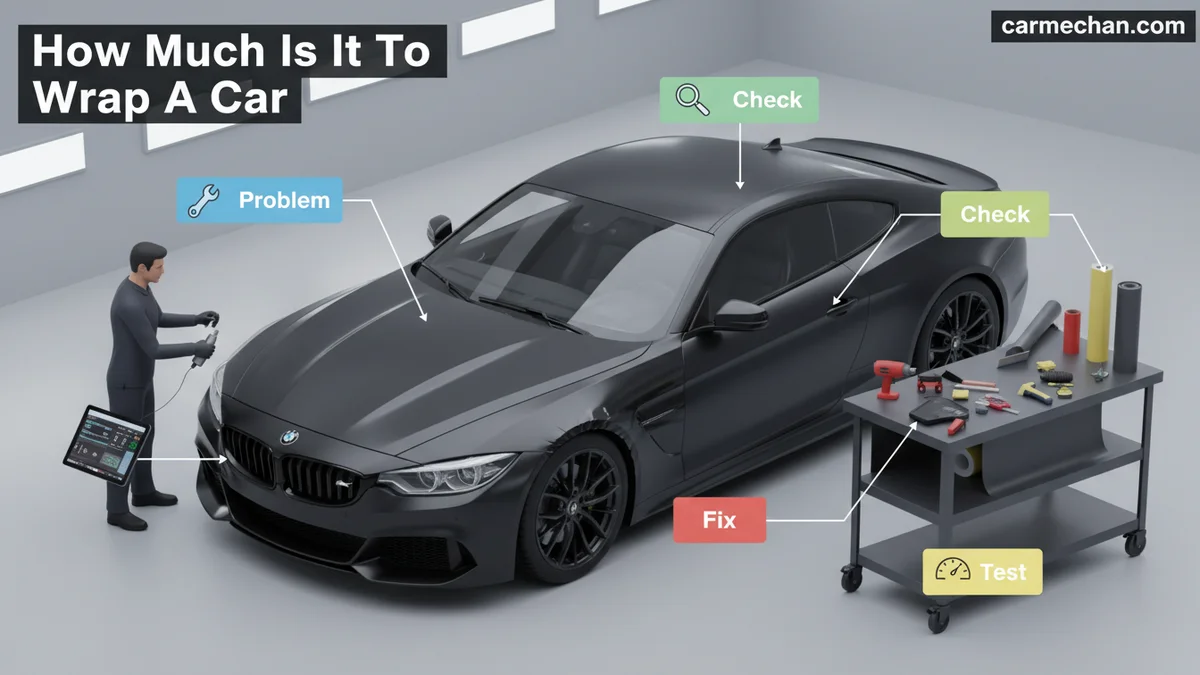
How Much Is It To Wrap A Car Black How Much to Wrap a 2026
Last Updated on September 1, 2026 by Albert Duke
Wrapping a car black in 2026 typically costs between $2,500 and $6,000 for a full vehicle, with factors like vehicle size, vinyl type, and installer expertise significantly influencing the final price. This investment offers a durable, reversible aesthetic change often more cost-effective than a paint job, especially for specific finishes.
Wrapping a car black in 2026 typically costs between $2,500 and $6,000 for a full vehicle, with factors like vehicle size, vinyl type, and installer expertise significantly influencing the final price. This investment offers a durable, reversible aesthetic change often more cost-effective than a paint job, especially for specific finishes.
The question of how much is it to wrap a car black in 2026 is complex, yet we can provide clear, comprehensive insights into this popular vehicle modification. Vehicle owners often seek a sleek, uniform black finish without the permanence or expense of a traditional paint job.
This guide explores the financial of black car wraps, helping you understand what goes into the pricing.
From different finishes like matte or gloss to the specific size of your vehicle, numerous variables contribute to the final investment. Our goal is to equip you with the knowledge to make an informed decision for your car’s aesthetic upgrade in the coming year.
Let’s break down these costs further, starting with how your vehicle’s size influences the investment.
Key Takeaways


- Black wrap costs vary by vehicle size.
- Vinyl finish affects overall pricing.
- Installer expertise impacts final cost.
- Wraps often save money vs. black paint.
- Hidden costs can include prep work.
How Much Do Black Car Wraps Cost by Vehicle Size?


The size of your vehicle stands as a primary determinant for the total cost of a black car wrap. Larger vehicles naturally require more material and labor, leading to higher prices. Understanding these general ranges helps set your initial budget.

Compact Car Wraps
For compact cars, like a Honda Civic or Toyota Corolla, a full black wrap in 2026 typically ranges from $2,000 to $3,500. Their smaller surface area minimizes material usage and installation time, making them the most affordable option.
Sedan Wrap Prices
Mid-size sedans, such as a BMW 3 Series or a Tesla Model 3, usually cost between $2,500 and $4,500 for a comprehensive black wrap. This category represents a common balance between material and labor requirements for many vehicle owners. [INTERNAL LINK: Guide to sedan wrap benefits]
SUV Wrap Budgets
SUVs, including models like a Toyota RAV4 or a Jeep Grand Cherokee, typically fall into the $3,000 to $5,500 price bracket. Their increased height and complex curves demand more skill and material, influencing the overall expense. [EXTERNAL LINK: Latest SUV wrap trends from a reputable automotive blog]
Truck Wrap Estimates
For pickup trucks and large SUVs, such as a Ford F-150 or a Chevrolet Suburban, expect costs to begin around $3,500 and potentially exceed $6,000. These vehicles have the most expansive surfaces and intricate body lines, requiring significant material and advanced installation techniques.
Beyond the sheer size of your vehicle, several other crucial elements contribute to the final invoice for a black car wrap.
What 7 Main Factors Influence Black Wrap Costs?


Understanding the core components that shape the price allows you to budget more effectively for your black car wrap project. Several key variables interact to determine the final investment, extending beyond just the vehicle’s dimensions.
Vinyl Material Quality
The brand and quality of the vinyl film significantly impact the cost. Premium brands like 3M, Avery Dennison, and Hexis offer superior durability, color stability, and ease of installation, commanding higher prices. Basic films are less expensive but may have shorter lifespans and more limited warranties.
Expect a price difference of 15-30% per square foot for premium materials over standard options.
Wrap Finish Selection
As discussed further below, the specific finish you choosematte, gloss, satin, or specialty textures like carbon fibercan affect the material cost. Some finishes require more complex manufacturing or have a higher demand, translating into varied pricing. [INTERNAL LINK: Explore different black wrap finishes]
Installer Expertise Level
The experience and reputation of the wrap installer play a crucial role in pricing. Highly skilled and certified professionals, who guarantee flawless application and attention to detail, often charge more for their labor. Their expertise minimizes the risk of bubbling, peeling, or improper cuts, ensuring a long-lasting, high-quality finish. Labor can account for 50-70% of the total wrap cost.
Vehicle Surface Preparation
A pristine surface is essential for a successful wrap. Extensive cleaning, minor dent removal, or paint correction before wrapping will add to the overall cost. Shops may charge an hourly rate for this preparatory work if your vehicle requires more than a standard wash and decontamination. [INTERNAL LINK: Importance of proper car wrap preparation]
Regional Price Differences
Geographic location influences pricing, with metropolitan areas and regions with higher costs of living typically having higher wrap service rates. Labor costs, overheads, and material shipping expenses vary significantly from one state or city to another. For instance, a wrap in New York City might be 10-20% more expensive than in a rural area.
[EXTERNAL LINK: Regional cost of living data from a government statistical site]
Warranty Coverage Impact
The length and comprehensiveness of the warranty offered by the installer and vinyl manufacturer can also affect the price. Longer warranties, covering both material defects and installation errors, may be bundled into a slightly higher initial fee but offer greater peace of mind. Discuss warranty details upfront.
Additional Service Needs
Opting for coverage of door jambs, interior trim pieces, or complex body kits will increase the price. These additional areas require meticulous trimming and extra material, extending the labor time significantly. Each add-on service contributes to the final price. [INTERNAL LINK: Understanding car wrap customization options]
As we explore these factors, the specific type of black finish you choose also plays a significant role in your total investment.
Which Black Wrap Finishes Offer Best Value?
The aesthetic appeal of a black car wrap is undeniable, but your choice of finish directly influences the final cost. Each type of black vinyl offers a distinct look and comes with its own pricing considerations.
Matte Black Options
Matte black wraps provide a non-reflective, stealthy, and sophisticated look. They have been incredibly popular for years due to their unique understated elegance. Matte finishes are generally in the mid-range for pricing, offering good value for their distinctive appearance. Maintenance can be slightly more demanding to avoid scuffs.
Gloss Black Pricing
Gloss black wraps mimic the look of a high-quality paint job, offering a deep, reflective shine. This finish is often one of the most accessible and cost-effective options in black vinyl. Its widespread availability and straightforward application contribute to its value. Gloss finishes are easier to clean and maintain their luster.
Satin Black Costs
Satin black sits elegantly between matte and gloss, providing a subtle sheen without being overly reflective. It delivers a luxurious and modern aesthetic that has gained significant popularity. Satin wraps typically fall into the higher end of the mid-range pricing, reflecting their unique visual appeal and growing demand. [INTERNAL LINK: Advantages of satin car wraps]
Carbon Fiber Estimates
Textured black wraps, such as carbon fiber patterns, often represent the highest price point among black finishes. The specialized manufacturing process for these textured films, which simulate the weave of carbon fiber, makes them more expensive. They offer a sporty and high-tech appearance but require careful installation due to their directional patterns.
[EXTERNAL LINK: Carbon fiber vinyl wrap product details from a manufacturer]
While a black wrap offers diverse aesthetic choices, it’s essential to weigh its costs and benefits against the traditional option of painting your car black.
Black Car Wrap vs Paint for Your Vehicle
Deciding between a black car wrap and a black paint job involves more than just aesthetics; it’s a critical financial and practical decision. Both options can transform your vehicle, but they differ significantly in cost, durability, and flexibility.
Initial Cost Comparison
A professional, high-quality black paint job typically costs between $3,000 and $10,000+ in 2026, depending on the paint type, bodywork needed, and shop reputation. In contrast, a full black car wrap usually ranges from $2,500 to $6,000. For a complete color change, wrapping often presents a more budget-friendly initial investment.
Durability Considerations
Modern car wraps are durable, lasting typically 5-7 years with proper care. They protect the original paint from minor abrasions, stone chips, and UV damage. Paint, however, can last the lifetime of the vehicle if well-maintained, though it is susceptible to chipping and scratching that requires professional repair.
Maintenance Requirements
Wraps require specific cleaning products and techniques to maintain their finish, avoiding harsh chemicals or abrasive brushes. Painted vehicles can be washed and waxed more traditionally, though a ceramic coating can offer additional protection. Neither option is maintenance-free, but wraps demand particular attention to avoid damage.
Resale Value Impact
A high-quality wrap can actually preserve your original paint underneath, which can be a significant benefit for resale. If the original paint is in good condition, removing the wrap restores the vehicle to its factory finish. A custom paint job, while potentially enhancing value to a niche buyer, can sometimes deter mainstream buyers if the color is unusual or the quality is poor.
[INTERNAL LINK: How car wraps affect resale value]
Installation Time Differences
Wrapping a car black typically takes 2-5 days, depending on the vehicle and complexity. A full paint job, however, can take weeks due to extensive preparation, multiple paint layers, and drying times. If time is a critical factor, wrapping offers a quicker transformation.
Regardless of whether you choose a wrap or paint, understanding the full scope of costs, including those sometimes overlooked, is crucial.
What Hidden Costs Can Black Car Wraps Incur?
While the initial quote for a black car wrap covers the primary installation, other expenses can arise that are important to factor into your budget. Being aware of these potential additional costs prevents unwelcome surprises.
Pre-Wrap Bodywork
Any dents, deep scratches, or significant paint imperfections must be addressed before applying a wrap. Vinyl conforms to the surface, meaning it will highlight any underlying flaws. Repairing bodywork prior to installation will be an additional charge, often handled by a body shop, ranging from minor touch-ups to full panel repairs. [INTERNAL LINK: Pre-wrap inspection checklist]
Door Jamb Coverage
A standard full wrap typically covers only the exterior visible surfaces when doors are closed. Wrapping door jambs and inner edges requires extra material and significantly more labor, increasing the cost by approximately 10-25%. If you desire a seamless color change when opening doors, this is an essential consideration.
Post-Installation Care
To maximize the lifespan and appearance of your black wrap, specialized cleaning and care products are often recommended. Investing in specific wrap-safe cleaners, sealants, and microfiber towels helps prevent damage and preserve the finish. While not a direct installation cost, these maintenance items are a necessary ongoing expense.
Future Removal Expenses
When you eventually decide to remove the wrap, especially after many years, professional removal services can cost between $300 and $700. Proper removal prevents damage to the underlying paint and ensures no adhesive residue is left behind. Attempting DIY removal without expertise can lead to costly paint repairs.
Warranty Activation Fees
Some premium vinyl manufacturers or installers might require a small fee for formal warranty registration or periodic inspections to keep the warranty valid. Always clarify the terms and conditions of both the material and labor warranty before committing to the service. [EXTERNAL LINK: Example vinyl manufacturer warranty details]
Armed with knowledge about potential hidden costs, your next step is to ensure you secure an accurate and comprehensive quote for your specific black wrap project.
How to Get Accurate Black Wrap Quotes
To ensure you receive a fair and accurate price for your black car wrap, a strategic approach to obtaining quotes is essential. Doing your homework and being clear about your needs will prevent misunderstandings and unexpected expenses.
Research Reputable Shops
Begin by researching local wrap shops with a strong reputation for quality work and customer service. Look for installers certified by major vinyl manufacturers like 3M or Avery Dennison. Online reviews, portfolios, and word-of-mouth recommendations are excellent starting points for identifying reliable professionals. [INTERNAL LINK: How to choose a car wrap installer]
Detail Your Expectations
When contacting installers, be precise about your requirements. Specify your vehicle’s make, model, and year, along with the exact black finish you desire (matte, gloss, satin). Discuss whether you want door jambs wrapped, or if there are any specific body kit elements. Providing photos of your vehicle can also be very helpful.
Request Written Estimates
Always ask for a detailed written estimate that itemizes material costs, labor fees, and any additional services like paint correction or door jamb wrapping. A comprehensive quote protects you from hidden fees and allows for direct comparison between different installers. Do not hesitate to ask questions to clarify any part of the quote.
[EXTERNAL LINK: Consumer guide on getting service estimates]
Making Your Black Wrap Decision
Investing in a black car wrap offers a striking aesthetic upgrade and practical benefits for your vehicle. By understanding the various factors influencing the cost, from vehicle size and vinyl type to installer expertise and potential hidden expenses, you can approach this modification with confidence.
Remember that prices in 2026 will reflect evolving material costs and labor rates, making informed comparisons vital. A black wrap provides a reversible, protective, and often more cost-effective alternative to a paint job, delivering a bold new look that protects your original finish. Carefully consider your budget, desired finish, and the reputation of your chosen installer to ensure a satisfying outcome.
5 Common Black Wrap Questions Answered
How Long Does a Black Car Wrap Typically Last?
A professionally installed black car wrap typically lasts between 5 to 7 years. Its lifespan depends on the quality of the vinyl, environmental exposure, and how well it is maintained through regular cleaning and care. Proper installation also greatly extends its durability.
Is a Black Car Wrap Cheaper Than a Paint Job?
Yes, in most cases, a high-quality black car wrap is considerably cheaper than a professional black paint job. Paint jobs often cost $3,000 to $10,000+, while a full black wrap usually falls within the $2,500 to $6,000 range, making it a more economical choice.
Can I Choose Different Shades of Black for My Wrap?
Absolutely, vinyl manufacturers offer a wide variety of black shades and finishes. You can choose from deep gloss black, sophisticated matte black, elegant satin black, or even textured options like carbon fiber black. Each offers a unique aesthetic for your vehicle.
Does a Black Car Wrap Protect the Original Paint?
Yes, a black car wrap acts as a protective layer over your vehicle’s original paint. It guards against minor scratches, stone chips, and the damaging effects of UV radiation. This protection can help preserve the factory finish, which benefits resale value.
How Do I Maintain a Black Wrapped Car?
Maintaining a black wrapped car involves regular hand washing with pH-neutral, wrap-safe cleaners. Avoid abrasive brushes, high-pressure washers, and harsh chemicals. Using specialized sealants can further protect the wrap’s finish and extend its life, keeping it looking fresh.