How to Know If You Have GAP Insurance: Real Guide 2026
Last Updated on May 21, 2026 by Ryan
To find out if you have GAP insurance, start by reviewing your original auto loan contract and your car insurance declarations page. These documents are the primary sources for identifying if you purchased or were provided GAP coverage. You can also directly contact your auto lender or insurance provider for confirmation.
🎯 Key Takeaways

- Review your auto loan contract thoroughly.
- Examine your insurance declarations page.
- Contact your auto loan lender directly.
- Speak with your auto insurance provider.
- Look for specific ‘GAP’ or ‘loan payoff’ terms.
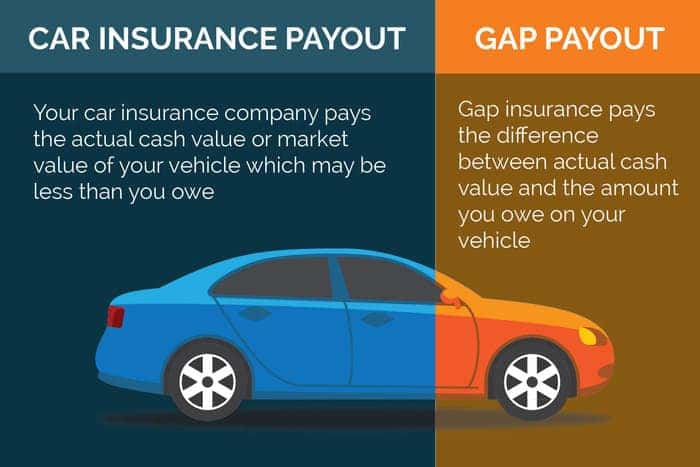
Knowing whether you have GAP insurance doesn’t have to be a mystery. To quickly verify your coverage, you need to consult your auto insurance declarations page, your original auto loan agreement, or directly contact your insurance provider or loan lender. This information is critical because GAP (Guaranteed Asset Protection) insurance covers the “gap” between your vehicle’s actual cash value and the remaining balance on your auto loan if your car is declared a total loss.

Confirming your GAP coverage proactively prevents potential financial surprises in an unfortunate event. If your car is stolen or totaled, and you discover you don’t have GAP coverage, you could be left owing thousands to your lender for a car you no longer possess. A quick check now provides invaluable peace of mind and financial security.
Primary Documents for GAP Coverage Verification
Your Auto Insurance Declarations Page
Your auto insurance declarations page is often the fastest way to check for GAP coverage, especially if you added it through your standard car insurance policy. This document is a summary of your policy, outlining all your coverages, limits, and premiums. You typically receive this page annually via email or mail, and it’s almost always accessible through your insurance company’s online portal or mobile app.
When reviewing this page, look for specific line items or endorsements. Keywords to identify include “GAP,” “Guaranteed Asset Protection,” “Loan/Lease Gap Coverage,” or a specific endorsement number described as such in your full policy booklet. It might be listed under an “Additional Coverages” or “Endorsements” section, separate from your collision and comprehensive coverages. For instance, you might see a line like “ADDITIONAL COVERAGES: GAP PROTECTION – $X.XX/premium“ or an endorsement number such as “ENDRSMNT: GAP-100“. Keep in mind that not all auto insurance providers offer GAP coverage, so its absence on this page doesn’t automatically mean you lack it entirely.
Your Auto Loan or Financing Agreement
Many drivers acquire GAP insurance directly through the dealership or their lender when financing a vehicle. In this scenario, the coverage is typically integrated into your auto loan agreement. This comprehensive document details the full terms of your loan, including all charges and financed amounts.
Retrieve the thick packet of papers you signed at the dealership, or access your loan documents through your lender’s online portal. Carefully examine the itemized breakdown of costs. Look for phrases such as “GAP,” “Guaranteed Asset Protection,” “Debt Cancellation Agreement,” “Loan/Lease Payoff Protection,” or “Credit Protection.” These items will usually be listed with a distinct cost, indicating they were either paid upfront or rolled into your total financed amount. An example might appear as: “Vehicle Price: $28,500.00, Sales Tax: $1,710.00, GAP Coverage: $695.00, Total Financed: $30,905.00“. This contract is definitive proof if you financed GAP coverage through your lender.
Everything You Need to Know About Your GAP Insurance Status
Navigating the intricacies of auto financing and insurance can be a maze, and determining if you’re covered by Guaranteed Asset Protection (GAP) insurance is a crucial step for your financial peace of mind. This comprehensive guide will walk you through a series of practical, step-by-step actions to confidently ascertain whether you have GAP insurance. Following these instructions meticulously can save you significant stress and potential financial burden in the event of a total loss of your vehicle. Let’s dive in and uncover your GAP insurance status together!
Step 1: Gather Your Initial Vehicle Financing & Insurance Documents
What you need: Your original vehicle purchase or lease agreement, your auto loan contract (if applicable), and your most recent auto insurance policy declaration pages.
Instructions: Before you start digging, consolidate all relevant paperwork in one accessible location. This includes any documents signed at the dealership, such as the buyer’s order or lease agreement, the formal loan contract from your bank or credit union, and the full policy documents or declarations page from your primary auto insurance provider. Having these on hand will streamline your search and prevent you from having to hunt for them midway through the process. Ensure you have the most up-to-date versions of these documents.
Pro Tip: Many lenders and insurers now provide digital access to documents through online portals. If you prefer a paperless approach, log into your accounts and download or print these documents for easier review.
Step 2: Scrutinize Your Auto Loan or Lease Agreement
What you need: Your physical or digital copy of the auto loan contract or lease agreement.
Instructions: Carefully read through every page of your loan or lease agreement. Look for specific line items, sections, or clauses that explicitly mention “GAP,” “Guaranteed Asset Protection,” “Vehicle Protection Plan,” or similar terminology. GAP insurance is often bundled into the financing by the dealership or lender. You’ll typically find it listed as a separate charge, usually a one-time fee added to your total loan amount, or sometimes as a recurring charge. Note down the exact wording, the cost, and the effective dates if you find such an entry.
Pro Tip: Pay close attention to the “Itemization of Amount Financed” or “Financial Details” sections, as these are common places for additional products like GAP insurance to be itemized separately from the vehicle price.
Step 3: Review Your Vehicle Purchase Order or Buyer’s Agreement
What you need: The original purchase order or buyer’s agreement provided by the dealership.
Instructions: This document, often signed during the final stages of your vehicle purchase, details all the components of your deal, including the vehicle price, taxes, fees, and any add-ons. Look for sections detailing “Extended Warranties,” “Service Contracts,” “Insurance Products,” or “Miscellaneous Charges.” GAP insurance, when purchased through the dealership, is frequently listed here. The charge might appear as a distinct line item with a monetary value, separate from the vehicle’s base price. Cross-reference any findings with what you saw in your loan agreement.
Pro Tip: Dealers sometimes use slightly different names for GAP coverage (e.g., “Equity Advantage,” “Total Loss Protection”). If you see any charge that seems related to protection against negative equity or total loss, investigate it further.
Step 4: Examine Your Auto Insurance Policy Declaration Pages
What you need: Your current auto insurance policy declaration page or full policy documents.
Instructions: While many purchase GAP through their lender or dealer, some primary auto insurance companies offer it directly as an optional add-on to your comprehensive and collision coverage. Review your declaration page, which summarizes your coverages, deductibles, and premiums. Look for specific endorsements or line items titled “GAP Coverage,” “Loan/Lease Payoff,” or similar. If it’s included, it will usually be listed alongside your other coverage types (e.g., liability, collision, comprehensive) with an associated premium. Ensure you’re looking at the declarations page for the vehicle in question.
Pro Tip: Don’t just scan; read the “Endorsements” or “Additional Coverages” sections carefully, as GAP may be detailed there even if not explicitly named on the main summary page.
Step 5: Contact Your Auto Loan Lender Directly
What you need: Your loan account number, vehicle VIN, and a phone (or internet access for online chat/email).
Instructions: If you’re still unsure after reviewing your documents, the most definitive way to confirm is to contact your auto loan provider (bank, credit union, or captive finance company) directly. Call their customer service line and be prepared to provide your account number and vehicle identification number (VIN). Clearly state that you are calling to inquire if GAP insurance was included in your financing package. They have detailed records of your loan structure and any associated products. Ask for an email confirmation or a printout of their findings for your records.
Pro Tip: When speaking with a representative, ask for the specific cost of the GAP coverage, the date it was added, and if there’s any way to cancel it (even if you don’t plan to) to confirm its existence.
Step 6: Reach Out to Your Primary Auto Insurance Company
What you need: Your insurance policy number, vehicle VIN, and a phone (or internet access).
Instructions: Even if you didn’t find GAP on your declaration page, it’s worth a quick call to your primary auto insurance carrier’s customer service. Explain that you’re checking to see if you have GAP coverage included in your policy or as a separate add-on. Provide your policy number and VIN. They can quickly look up your exact coverages and confirm whether “Loan/Lease Payoff” or “GAP Coverage” is active on your policy. This step is particularly important if you frequently update your policy or switched insurers at some point after purchasing the vehicle.
Pro Tip: If you use an independent insurance agent, contact them first. They often have a comprehensive understanding of all your policies and can provide the most personalized and accurate information.
Step 7: Analyze Your Monthly Payment Statements
What you need: Several recent monthly loan statements (at least 3-6 months worth).
Instructions: Sometimes, GAP insurance is financed as a separate line item within your monthly loan payment, especially if it was purchased directly from the lender or a third-party administrator and not explicitly rolled into the initial loan principal. Review the detailed breakdown on your monthly statements. Look for any recurring fees or charges that are not principal or interest. While less common for standalone GAP to be billed this way, it can provide a final clue, particularly if you’re checking for a policy purchased post-financing. Compare statements to see if any mysterious charges appear.
Pro Tip: Note if your initial loan balance, as per the first statement, aligns exactly with the vehicle price plus any known taxes/fees. A discrepancy might indicate a hidden add-on like GAP.
✅ Final Checklist
- Confirmed the presence or absence of “GAP” or “Guaranteed Asset Protection” on your loan/lease agreement.
- Verified your purchase order for any GAP-related charges or add-ons.
- Checked your auto insurance declaration pages for “Loan/Lease Payoff” or GAP coverage.
- Spoke directly with your auto loan lender and received a definitive answer.
- Contacted your auto insurance provider for confirmation regarding your policy.
Important Notes:
- Don’t Assume: Never assume you have GAP insurance, even if you remember discussing it. Always verify its presence through official documentation or direct contact with your providers.
- Seek Professional Help: If, after completing all these steps, you are still uncertain about your GAP insurance status, or if you find conflicting information, consider consulting with a financial advisor or an independent insurance agent. They can help interpret complex documents.
- Estimated Time and Cost Range: This entire verification process should take approximately 30-90 minutes of your time, depending on how easily you can access your documents and reach customer service representatives. The cost is $0, beyond any potential phone charges for calls.
Identifying GAP Coverage on Loan and Insurance Papers
Specific Keywords and Line Items to Spot
When scrutinizing your documents, paying close attention to specific terminology is essential for accurate verification. On your auto insurance declarations page, GAP coverage is often clearly labeled. Beyond “GAP” or “Guaranteed Asset Protection,” you might also find it under terms like “Loan/Lease Coverage” or a unique endorsement number (e.g., “Endorsement A-17 for Loan Payoff“) that your full policy booklet would clarify as GAP. Confirm that any listed item directly addresses the “gap” between your vehicle’s value and loan balance, not just extended warranties or roadside assistance.

For your auto loan or financing agreement, the language can sometimes vary. Search diligently for dedicated line items that explicitly refer to “GAP,” “GAP Waiver,” “Asset Protection,” or “Loan/Lease Payoff Protection.” These entries will usually be accompanied by a specific monetary amount, indicating the premium or cost associated with the coverage. It’s crucial not to confuse GAP with other add-ons often sold at dealerships, such as extended service contracts, tire and wheel protection, or paint protection. While valuable, these are distinct from GAP insurance’s purpose.
What to Ask Your Providers Directly
If reviewing your documents doesn’t provide a clear answer, direct communication with your providers is the most definitive step. When contacting your auto insurance company, clearly state your purpose. Ask, “Do I currently have GAP coverage included in my auto insurance policy for my [Year, Make, Model] vehicle, VIN [Your VIN]?” If they confirm it, request the specific policy or endorsement number for the GAP coverage, along with its effective dates and any associated deductible information. Document the name of the representative and the date of your call.
Similarly, contact your auto loan lender or the financing department of the dealership where you purchased the car. Ask, “Was GAP insurance or a GAP waiver included in my original loan agreement for my [Year, Make, Model] vehicle, loan account number [Your Loan Account Number]?” If they confirm its inclusion, ask them to provide you with the exact section of your contract where it’s listed, or send you a copy of the GAP agreement itself. Inquire about the premium paid for the GAP coverage and whether it was financed into the loan or paid separately. Always have your vehicle identification number (VIN) and relevant account numbers ready to expedite the process.
Confirming Coverage Through Lenders and Insurers
Once you’ve checked your immediate paperwork, the most reliable way to confirm your GAP coverage status is by going straight to the source: your financial lender and/or your auto insurance provider. They hold the definitive records that will tell you exactly what coverage you have in place.
Reaching Out to Your Lender
If you financed or leased your vehicle, your lender is a primary source of information, especially if you purchased GAP insurance directly through the dealership or bank at the time of financing. Many dealerships bundle GAP coverage into the loan agreement itself, making the lender the administrator of this specific protection.
- Review Loan Documents: Take another look at your original loan or lease agreement. Sometimes, GAP insurance is itemized there, even if it wasn’t a separate policy document.
- Contact Lender’s Finance Department: Call the customer service line for your auto loan provider. Have your loan account number handy. Explain that you need to verify if GAP insurance was included in your financing package and request a copy of any associated documentation.
- Dealership Finance Office: If you bought the car recently, the finance manager at the dealership might still have your records. This is often the quickest route for new purchases.
Checking with Your Auto Insurer
While often purchased through a lender, some drivers opt to buy GAP coverage directly from their existing auto insurance company. This means it would be an add-on to your standard car insurance policy.
- Examine Your Policy Declarations Page: Your “dec page” summarizes all the coverages on your auto insurance policy. Look for terms like “GAP Coverage,” “Loan/Lease Payoff,” or similar wording.
- Log into Your Online Insurance Portal: Many insurance companies offer secure online accounts where you can view your policy details, coverage limits, and endorsements. Navigate to your auto policy section and review the listed coverages.
- Call Your Insurance Agent or Provider: If in doubt, a quick call to your insurance agent or the company’s customer service will clarify your status. They can pull up your policy and confirm whether GAP insurance is active. Be ready with your policy number.
Interpreting Your GAP Coverage Status and Next Steps
After you’ve done your due diligence and contacted both your lender and insurer, you should have a clear answer about whether you possess GAP insurance. Understanding what that answer means for your financial protection is crucial, along with knowing what to do next based on your status.
Understanding “Yes,” “No,” and “Unsure”
Each outcome from your investigation carries different implications:
- “Yes, I have GAP insurance!” Congratulations! You have taken a vital step toward protecting your investment. Make sure to keep any confirmation documents (policy number, effective dates, provider details) in a safe, accessible place. This peace of mind is invaluable, especially if your vehicle’s value is less than what you owe.
- “No, I don’t have GAP insurance.” This means you would be personally responsible for the “gap” if your car were totaled or stolen and your insurance payout didn’t cover your outstanding loan balance. It’s not necessarily a bad thing, depending on your vehicle’s age, your loan balance relative to its market value, and your personal risk tolerance.
- “I’m still unsure/can’t confirm.” If you’ve tried all avenues and still can’t get a definitive answer, don’t give up. Reach out to a financial advisor or a trusted insurance professional who might be able to help you navigate your specific documents and contacts. Avoid assuming you have it if you can’t verify it.
What to Do if You Don’t Have It (But Think You Need It)
If you’ve discovered you lack GAP coverage and believe your financial situation warrants it – perhaps you have a new car, a long loan term, or a significant outstanding balance – you still have options. The good news is that GAP insurance isn’t a one-time purchase tied only to your car buying experience. You can often purchase it later.
- Assess Your Need: Consider your loan balance, the car’s depreciation rate, and your personal finances. Is there a substantial “gap” risk for you?
- Explore Providers: You can typically add GAP coverage through your current auto insurance provider, or sometimes through credit unions or specialized third-party insurers. Research different providers to find coverage that fits your needs.
- Understand the Terms: Always read the policy details carefully. Understand the coverage limits, deductibles, and any exclusions before committing.
Bringing It All Together
Understanding whether you have GAP insurance doesn’t have to be a mystery. By systematically reviewing your loan and insurance documents, and by directly contacting your lender and auto insurer, you can quickly gain clarity. This proactive step helps you manage your financial risk and prepares you for potential unforeseen circumstances, like your vehicle being totaled or stolen.
If you’ve confirmed you have it, keep those documents handy for peace of mind. If you find you don’t, and your situation suggests you might benefit from it, take the time to explore your options. Don’t wait for an unfortunate incident to discover your coverage status. A few moments of investigation now can save you significant financial stress later.
❓ Frequently Asked Questions
What’s the absolute first document I should check for GAP insurance?
The absolute first document to check is your original auto loan or financing contract. Look for specific line items, addendums, or disclosures detailing “Guaranteed Asset Protection,” “GAP waiver,” or “debt cancellation.”
How do I specifically identify GAP coverage on my car insurance policy?
On your car insurance policy, refer to the declarations page. Look for an endorsement or rider that explicitly states “GAP coverage,” “loan/lease payoff,” or “auto loan/lease gap coverage” and specifies a premium for it.
If I’ve checked my documents and am still unsure, who should I contact first?
If your documents are inconclusive, your auto loan lender is typically the best first point of contact, as GAP coverage is often purchased through or tied directly to the loan. They can review your financing agreement details.
What if I believe I paid for GAP at the dealership, but it’s not clear on my paperwork?
If you recall paying for GAP at the dealership, request a detailed breakdown of your financing agreement from both the dealer and your loan lender. Look for any charges that might be vaguely worded but correspond to a GAP product.
Is it possible for GAP insurance to be included without my explicit knowledge?
While less common, sometimes GAP coverage can be bundled into your loan package by the dealer, or an insurance endorsement could be added that you might have overlooked. Always review all signed documents carefully.
What should I do if I find out I don’t have GAP insurance, but want it?
If you discover you lack GAP coverage and wish to obtain it, you can typically purchase it from your auto insurance provider, an independent insurance agent, or directly from some banks or credit unions, often at a lower cost than through a dealership.