VW Atlas Reliability: Avoid These Model Years & Their Problems
Last Updated on September 1, 2026 by Ryan
To avoid potential issues, consumers should be particularly wary of early VW Atlas models, specifically the 2018 and 2019 model years. These early iterations frequently reported problems with transmission, infotainment systems, and various recalls. While improvements have been made, later models generally offer enhanced reliability.
🎯 Key Takeaways


- Avoid 2018 and 2019 VW Atlas model years.
- Early models faced transmission and electrical issues.
- Later Atlas years generally show improved reliability.
- Always check service history and active recalls.
- Obtain a pre-purchase inspection on any used Atlas.
When considering a used Volkswagen Atlas, knowing which model years to approach with caution is critical for your peace of mind and wallet. For maximum reliability, we strongly advise potential buyers to be particularly wary of the 2018 and 2019 VW Atlas models. These early production years, while offering attractive features, consistently exhibit a higher incidence of significant electrical, mechanical, and structural issues compared to their successors.

Understanding these specific problematic years and their common failure points allows you to make an informed decision. Avoiding models with known, expensive defects can save you from unexpected repair bills and the frustration of dealing with a less-than-reliable vehicle. This focused approach ensures you get the most dependable Atlas for your investment, rather than inheriting someone else’s problems.
Identifying Problematic VW Atlas Model Years
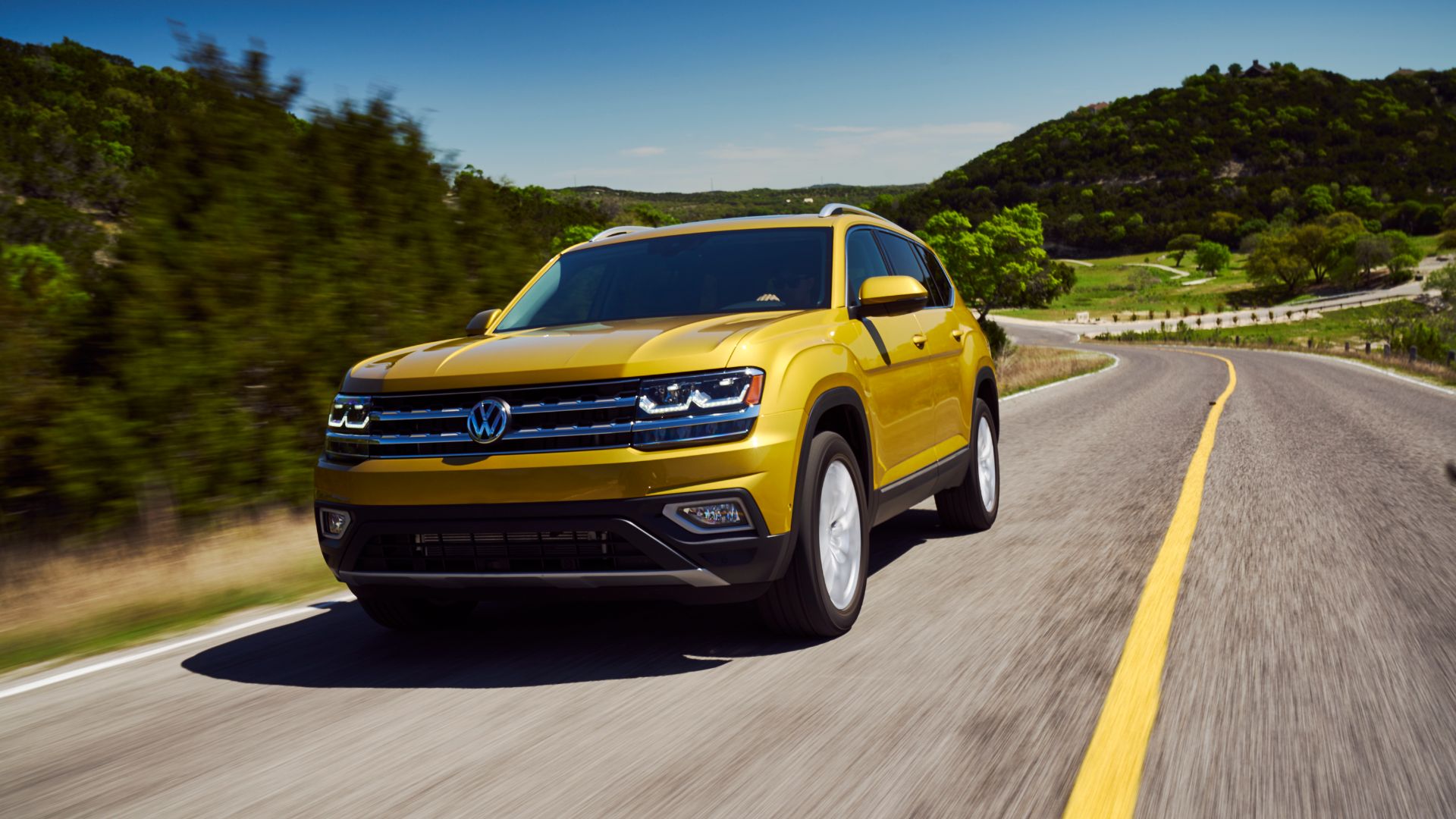
The primary VW Atlas model years to approach with significant caution are the 2018 and 2019 versions. These represent the initial offerings of the Atlas in the North American market, and like many first-generation vehicles, they were prone to certain “teething problems” that Volkswagen subsequently addressed in later iterations.
The 2018 and 2019 Atlas: Early Production Woes
The 2018 Atlas, being the inaugural model year, naturally carries the highest risk. Manufacturers often refine designs and processes in subsequent years based on real-world feedback and warranty claims. The 2019 model year, while seeing some minor improvements, still shares many underlying components and design characteristics with the 2018, meaning many of the initial issues persisted. Consumer reports, owner forums, and data from organizations like J.D. Power and RepairPal consistently highlight these two years as having a higher volume of complaints across various critical systems. You’ll find a concentration of Technical Service Bulletins (TSBs) and recalls specifically targeting components used in these initial production runs. Opting for a 2020 Atlas or newer generally provides a more reliable experience, as VW had more time to iron out these early kinks.
Common Issues & Reported Problems in Early Atlas Models
The issues plaguing the 2018 and 2019 VW Atlas models are diverse, ranging from irritating electrical glitches to more serious mechanical concerns that can lead to costly repairs. Understanding these specific vulnerabilities is key to avoiding a problematic purchase.
Electrical System Glitches and Infotainment Troubles
Owners of early Atlas models frequently report a litany of electrical problems. These issues often manifest as intermittent and frustrating failures that are difficult to diagnose and repair.
- Infotainment System Malfunctions: Many users experience frozen screens, unresponsive touch controls, random reboots, and complete blackouts of the central display. This can also affect navigation and Apple CarPlay/Android Auto functionality.
- Random Warning Lights: False alarms for check engine lights, airbag warnings, and various driver-assist system faults are common. These often appear without an actual underlying mechanical issue, but require diagnostic scans to rule out serious problems.
- HVAC System Failures: Issues include erratic blower motor operation, incorrect temperature regulation, and complete failure of the heating or air conditioning system.
- Keyless Entry and Start Problems: Some owners report difficulties with passive entry not working consistently, or the push-button start failing to engage the engine without multiple attempts.
- Battery Drain: A persistent electrical draw can lead to a dead battery, even after short periods of the vehicle being parked. This points to underlying component failures or software glitches.
Engine and Transmission Concerns
Beyond the electrical woes, the powertrain in the 2018 and 2019 Atlas models also presented some notable points of concern for owners, particularly regarding the 8-speed automatic transmission and the 2.0L turbocharged engine.
- Transmission Harshness or Hesitation: Many drivers have reported clunky shifts, jerking, or hesitation from the 8-speed automatic transmission, especially during low-speed maneuvers or when shifting between gears. This can detract significantly from the driving experience and raise concerns about long-term durability.
- Coolant Leaks: A recurring issue has been coolant leaks, frequently originating from the water pump housing or associated coolant lines. This can lead to engine overheating if not promptly addressed and can be an expensive repair due to parts and labor.
- Engine Misfires and Rough Idling: While less widespread, some 2.0L turbocharged engines have shown symptoms of misfires or rough idling, sometimes attributed to premature failure of ignition coils or spark plugs. This can impact fuel economy and overall engine smoothness.
- Excessive Oil Consumption (2.0L Turbo): A smaller subset of owners with the 2.0L engine have reported higher-than-normal oil consumption, requiring frequent top-offs between scheduled oil changes. This can indicate issues with piston rings or valve seals.
What to Look For: Pre-Purchase Inspection & Due Diligence
Key Areas for Mechanical Scrutiny
When eyeing a used VW Atlas, a thorough inspection is paramount, especially for models from the early production years. Pay close attention to these critical areas during your evaluation:
- Transmission Performance: During a test drive, listen for any clunks, hesitations, or rough shifts. Smooth gear changes are essential, particularly when accelerating from a stop or shifting through lower gears.
- Fluid Leaks: Visually inspect underneath the vehicle for any signs of leaks, particularly around the transmission housing, water pump, or cooling system components. Fresh fluid stains can indicate active problems.
- Electrical Functionality: Test every single button, switch, and system. Check for flickering dashboard lights, unresponsive infotainment screens, erratic power window operation, and inconsistent sensor readings. Don’t forget to test climate control and all lighting.
- Engine Noises (2.0T): For the 2.0T engine models, listen for any unusual rattles or chain noise, especially on cold starts. This sound could signal potential timing chain wear, a costly repair if neglected.
Beyond these, a professional mechanic can perform diagnostic scans to check for hidden fault codes that might not trigger a dashboard warning light but indicate underlying issues. They can also assess brake wear, tire condition, and suspension components.
Uncovering the Vehicle’s History
Never skip a comprehensive vehicle history report from services like CarFax or AutoCheck. These reports are invaluable, revealing critical information about past accidents, odometer discrepancies, flood damage, and crucial service records. Look for consistent maintenance entries, especially for major components, and verify that any known recalls have been addressed. Even better, request detailed service records directly from the seller or a dealership – a transparent seller should provide these readily. Finally, a pre-purchase inspection (PPI) by a trusted, independent mechanic specializing in German cars is non-negotiable. They can spot issues that an untrained eye might miss, like worn suspension components, failing bushings, or hidden rust, giving you either peace of mind or a clear reason to walk away from a problematic vehicle.
Recommended VW Atlas Years and Alternatives
More Reliable Atlas Model Years
If your heart is set on an Atlas, consider focusing your search on 2021 models and newer. Volkswagen has had several years to refine the Atlas platform since its debut, addressing many of the initial kinks and engineering challenges that plagued earlier models. The 2021 model year saw a significant refresh, which wasn’t just cosmetic; it included updated styling, improved interior materials, and crucially, iterative mechanical and software refinements. These ongoing improvements generally lead to better long-term reliability. While no vehicle is perfectly fault-free, these later models typically show improved reliability trends and fewer widespread complaints compared to their predecessors. Always prioritize models with detailed service histories, indicating proactive and regular maintenance, which is absolutely crucial for the longevity of any modern vehicle, especially one with complex German engineering.
Considering Other Mid-Size SUVs
If the potential reliability concerns of early Atlas models give you pause, several other mid-size SUVs offer compelling packages with potentially stronger long-term reliability track records. Consider the Kia Telluride or Hyundai Palisade for their excellent value, spacious and feature-rich interiors, and robust warranty coverage. The Honda Pilot and Toyota Highlander remain perennial favorites, renowned for their long-term durability, impressive resale value, and proven drivetrains that consistently rank high in consumer satisfaction. For those valuing standard all-wheel drive and a comfortable ride with a good safety reputation, the Subaru Ascent is another strong contender. These alternatives often provide a similar family-friendly experience with potentially fewer unexpected maintenance surprises down the road, making them worthy options in your search for a dependable three-row SUV.
Conclusion
The Volkswagen Atlas offers an attractive blend of space, comfort, and European styling, making it a popular choice for families needing three rows. However, like many new models, its early years saw a share of reliability challenges. Specifically, the 2018, 2019, and early 2020 models faced documented issues ranging from transmission troubles to frustrating electrical glitches and water pump failures. By understanding these potential pitfalls and exercising diligent pre-purchase scrutiny, you can make a much more informed decision. Focus your search on later model years, like 2021 and beyond, which have benefited from refinements, or confidently explore equally capable alternatives for a potentially smoother, more reliable ownership experience. Your careful research today will undoubtedly save you headaches and expenses tomorrow, ensuring your family finds a vehicle that serves them well for years to come.
❓ Frequently Asked Questions
Why are the 2018 and 2019 VW Atlas models often recommended to avoid?
These initial production years faced more frequent complaints regarding transmission hesitation and rough shifts, infotainment system glitches, and various electrical issues, making them less reliable compared to subsequent model years. Several recalls were also issued for these early models.
What specific transmission problems are associated with the early VW Atlas?
Early models often experienced issues like jerky shifts, hesitation when accelerating, and occasional clunking noises, particularly with the 8-speed automatic transmission. While some were addressed by software updates, others required more significant repairs, indicating design flaws.
Beyond mechanicals, what other issues should I watch for in older Atlas models?
Beyond transmission, owners frequently reported problems with the infotainment system (freezing, connectivity), unexpected electrical gremlins (sensors, warning lights), and occasional concerns with power liftgates or panoramic sunroofs, which can be costly to repair.
How does the reliability of a 2020 Atlas compare to earlier models?
The 2020 Atlas generally shows improved reliability compared to its 2018 and 2019 predecessors, benefiting from minor revisions and software updates addressing some initial bugs. However, it’s still prudent to check its specific service history and known issues for that particular year.
What steps should I take if considering a “problematic” year Atlas due to budget?
If considering a 2018-2019 Atlas, insist on a comprehensive pre-purchase inspection by an independent VW specialist, review all service records meticulously, and verify that all outstanding recalls have been completed. Factor in potential repair costs for common issues.
Are there any VW Atlas years considered particularly reliable?
Generally, the 2021 and newer VW Atlas models are considered more reliable, as Volkswagen has had several years to refine the platform and iron out earlier issues. These later models tend to have fewer widespread complaints from owners and benefit from updated technology.