2006 Honda Pilot TPMS Reset Button Location: Debunked & Explained
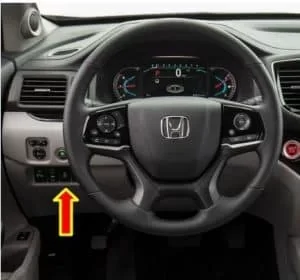
Are you staring at your dashboard, searching in vain for a 2006 Honda Pilot TPMS reset button that simply doesn’t exist? Many owners find themselves frustrated, scouring the glove box, the steering column, and the under-dash area for a switch to clear that nagging tire pressure light, only to come up empty-handed. The reality is that the 2006 Honda Pilot operates on a fully automated system that requires no manual intervention from the driver to “reset” the alert once the underlying issue is resolved. This guide will walk you through the actual self-calibration process and help you diagnose whether your TPMS light is signaling a simple pressure drop or a more complex component failure.
Debunking the 2006 Honda Pilot TPMS Reset Button Location Myth



📤 Share Image

Why the Manual Reset Button Does Not Exist
The search for a 2006 Honda Pilot TPMS reset button is a common rite of passage for many owners. However, you will find absolutely no mention of such a button in the original Honda service manual. Unlike modern aftermarket systems or specific luxury vehicles that require a manual “reboot” to learn new sensor positions, the 2006 Pilot relies on an integrated TPMS control module that constantly polls the sensors located within each wheel assembly.
The dashboard warning light acts strictly as a diagnostic indicator. When it illuminates, it is not asking you to “acknowledge” the fault via a button press; it is reporting a discrepancy between the measured pressure and the vehicle’s established baseline. Expecting a hidden switch is a misunderstanding of how this generation of Honda safety technology was engineered.

Understanding the TPMS Control Module Workflow
The system functions through a cycle of detection and validation. When you start your ignition, the control module performs a self-test of the sensors. If the signal received from a valve stem sensor falls below the programmed threshold—typically 25% or more below the recommended placard pressure—the light triggers. Because the logic is ECU-driven, there is no manual “fresh start” needed. Once the sensors transmit a pressure reading within the acceptable range, the ECU automatically extinguishes the light.

How to Properly Initialize Your 2006 Honda Pilot TPMS Sensors


📋
Step-by-Step Guide to System Initialization


Ignore your eyes. Use a high-quality tire pressure gauge to check each tire. Consult the sticker located on the driver’s side door jamb for the specific PSI requirement—typically 30–35 PSI. Ensure all four tires match these specifications perfectly.
Once pressure is corrected, the sensors need to “wake up” to report the new data to the ECU. Drive the vehicle for at least 5–10 minutes at speeds consistently above 20 mph. This movement provides the rotation necessary for the internal sensor batteries to broadcast the pressure update.
Understanding Cold Inflation Pressure Specs
Tire pressure is dynamic. It is critical to perform these checks when the tires are “cold”—meaning the vehicle has been parked for at least three hours or driven less than one mile. Measuring pressure on hot tires (after highway driving) will result in artificially high readings, which may lead to an under-inflated condition once the tires cool down, causing the light to reappear.
By The Numbers
Loss per 10°F drop
Minimum speed for sensor update
Troubleshooting 2006 Honda Pilot TPMS Light Fault Indicators
If your TPMS light refuses to turn off despite your best efforts to properly inflate the tires, you may be dealing with a component fault rather than a pressure issue. Understanding the behavior of the light is key to effective diagnosis.
- Solid Light: This almost always indicates that one or more tires are below the recommended PSI. Check all tires, including the spare (if equipped with a sensor).
- Flashing Light: If the TPMS indicator flashes for approximately 60 seconds upon starting the vehicle and then remains illuminated, this is a diagnostic code for a system fault. It typically signals a dead or failing sensor battery.
- Sensor Age: The original sensors in a 2006 model have long exceeded their expected battery life. When a battery fails, the sensor can no longer transmit data, forcing the system into a fail-safe state that illuminates the warning light.
- OBD-II Scan Tool: To isolate the problem, connect an OBD-II scan tool capable of reading chassis codes. A professional-grade scanner can identify exactly which wheel has the faulty sensor, saving you the trouble of guessing which unit requires replacement.
Do not attempt to ignore a flashing TPMS light by simply inflating the tires. A flashing light confirms a hardware failure in the sensing circuit. You will need to visit a tire shop to have the specific, non-responsive sensor replaced and the system refreshed.
Maintenance Tips for the 2006 Honda Pilot TPMS System
Seasonal Pressure Fluctuations Explained
Tires are sensitive to ambient temperature changes. For every 10-degree drop in outside temperature, tire pressure typically drops by 1 to 2 PSI. This is the most common cause of “phantom” TPMS alerts in autumn. If the system triggers, perform a full check of all four tires and top them off to the cold-inflation pressure specified on your door sticker.
Why Ignoring the Spare Tire Causes Persistent Alerts
Many owners focus only on the four tires touching the road. However, on specific trims of the 2006 Pilot, the spare tire may be equipped with an active sensor. If that spare is significantly under-inflated, it can trigger the system. Always verify your spare tire’s pressure whenever you perform a full-vehicle check.
Clean Valve Stems
Ensure your valve stems are free of debris or heavy corrosion. A clean contact point is essential for the valve stem sensor to transmit a clear signal to the receiver.
By understanding that there is no manual “reset” path, you can stop searching for non-existent buttons and focus on the practical maintenance required to keep your system happy. Properly inflating your tires to factory specifications is the only manual step required. If the light persists, treat it as a genuine mechanical indicator—use an OBD-II tool to identify which specific sensor is failing, and have it serviced to restore your vehicle’s factory-intended safety monitoring.
2006 Honda Pilot Tpms Reset Button Location: Frequently Asked Questions
Where is the TPMS reset button on a 2006 Honda Pilot?
There is no TPMS reset button on the 2006 Honda Pilot. Unlike newer vehicles that feature a menu-based or physical button reset, the 2006 model uses a passive monitoring system. It automatically resets itself once the control unit detects that all four tires are inflated to the correct pressure and the vehicle is driven for a short period.
Why won’t my TPMS light turn off after adding air?
If your tires are properly inflated but the light persists, it is likely due to a faulty TPMS sensor battery or a damaged sensor. These batteries typically last 7 to 10 years, and since a 2006 model is well beyond that, sensor failure is common. Alternatively, the system may have stored a fault code that requires an OBD-II scan tool to clear.
Can I use a scan tool to reset the light?
You can use an automotive scan tool to read and clear TPMS diagnostic trouble codes (DTCs). While a basic code reader may turn off the dashboard indicator temporarily, it will return immediately if the underlying issue—such as a dead sensor or low tire pressure—is not rectified. A professional scan tool can identify exactly which wheel sensor is failing.
Does cold weather affect my TPMS light?
Yes, ambient temperature significantly impacts tire pressure. For every 10-degree drop in temperature, tire pressure typically drops by about 1 PSI. On a 2006 Pilot, if your tires were near the minimum threshold during the summer, the first cold snap of autumn can cause the pressure to drop enough to trigger the TPMS light. Always adjust pressure when tires are cold.
Will replacing the battery fix the TPMS sensor?
Unfortunately, TPMS sensors are hermetically sealed units; the internal battery is not replaceable. Once the battery inside the sensor dies, the entire sensor must be replaced. After installing a new sensor, the vehicle’s computer must be programmed or driven to recognize the new sensor’s unique ID, ensuring the system communicates effectively to turn off the warning light.