Toyota Tundra Years to Avoid: Problematic Models & Issues
Last Updated on September 1, 2026 by Ryan
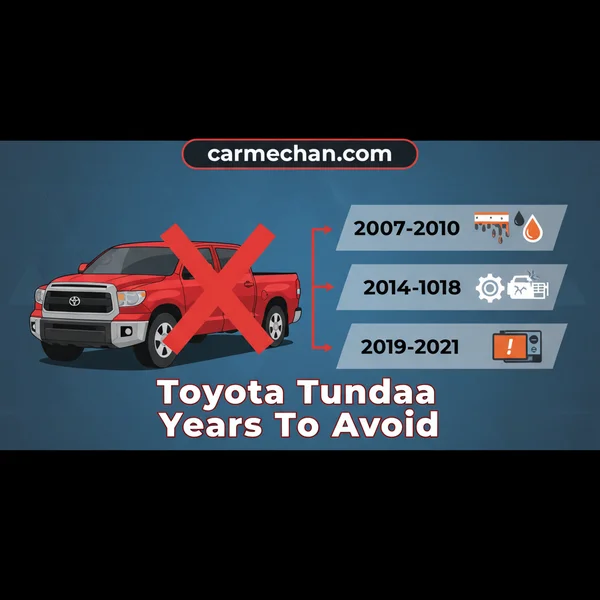
When considering a used Toyota Tundra, it’s crucial to know which model years have documented widespread issues, such as severe frame rust in early first-gen models or secondary air injection pump failures in certain second-gen trucks. Avoiding these specific years can save significant repair costs and ownership headaches, ensuring you invest in a truly reliable Tundra.
🎯 Key Takeaways

- Avoid 1st gen Tundras (1999-2006) for frame rust.
- Beware 2007-2010 Tundras for secondary air pump issues.
- Inspect exhaust manifolds on 4.7L V8 Tundras.
- Check all fluids and warning lights on used Tundras.
- Always get a thorough pre-purchase inspection.
If you are considering a used Tundra History and Generations Overview”>Toyota Tundra, certain model years stand out for significant, recurring issues that could lead to costly repairs and ownership headaches. While the Tundra generally enjoys a strong reputation for reliability, specific generations and years have known mechanical, structural, and electrical problems you absolutely need to be aware of. Understanding these pitfalls upfront can save you substantial money and frustration, ensuring you don’t inadvertently buy into a truck with a compromised service history or inherent design flaws.
Your goal is to find a dependable workhorse, not a money pit. This guide focuses directly on identifying the problematic Tundra years and detailing their specific vulnerabilities. Knowing precisely what to inspect, what questions to ask, and what repair costs to anticipate will empower your purchasing decision.
Identifying Problematic Toyota Tundra Generations and Years

While the Toyota Tundra is often lauded for its robust nature, not all years are created equal in terms of reliability and potential ownership costs. Two distinct periods in the Tundra’s history have garnered attention for prevalent and often expensive issues. These are primarily the first generation and the early years of the second generation.
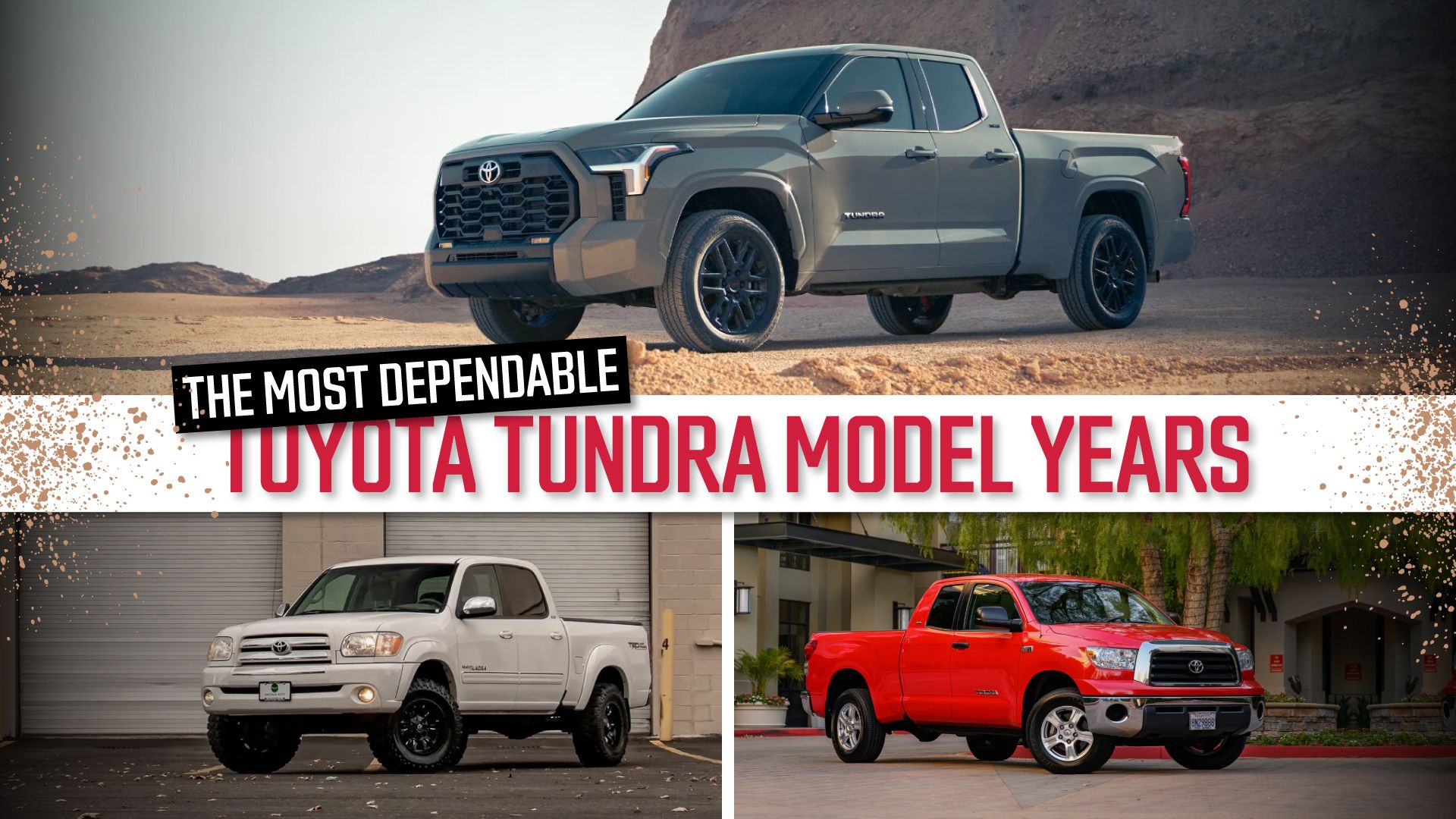
The First Generation (2000-2006): Frame Rust Catastrophe
The original Toyota Tundra, produced from 2000 through 2006, is the most notorious for a severe structural flaw: pervasive and often debilitating frame rust. This isn’t just surface rust; it’s severe, internal corrosion that affects the integrity of the frame itself. While Toyota issued a substantial recall and buyback program, many affected vehicles remain on the road, often with insufficient repairs or without ever having been addressed. The problem originated from inadequate rust proofing during manufacturing, allowing moisture and salt to penetrate and accelerate corrosion from the inside out. This issue is most pronounced in regions that use road salt, but it can appear anywhere.
- Model Years Affected: Primarily 2000-2006.
- Primary Issue: Severe frame rust, leading to structural compromise.
- Secondary Issue: Lower ball joint failure due to design flaws (though a separate recall was issued).
- Impact: Major safety hazard, potential frame collapse, expensive or impossible repairs.
Early Second Generation (2007-2011): Secondary Air Injection Pump Woes
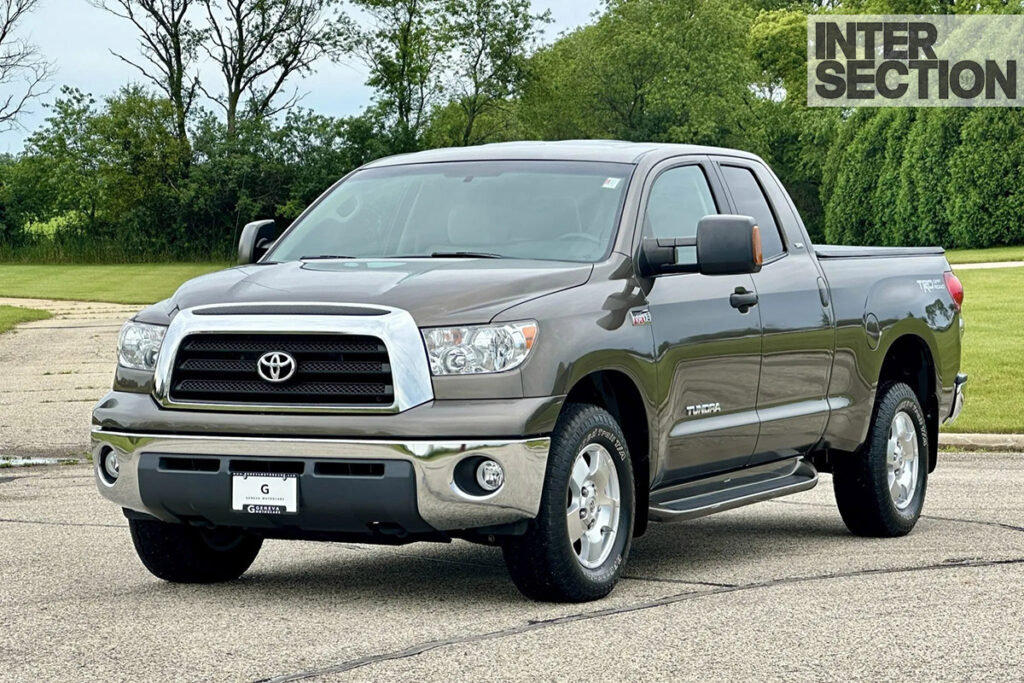
The second-generation Tundra, launched in 2007, marked a significant redesign with larger engines and increased capabilities. However, the early years of this generation, particularly those equipped with the 5.7L 3UR-FE V8 engine, became known for recurring problems with the Secondary Air Injection (SAI) pump system. This emissions control component is designed to pump air into the exhaust during cold starts to help the catalytic converter warm up faster. Unfortunately, the pumps and associated valves frequently fail, leading to dashboard warning lights and, in some cases, power limitations or “limp mode.”
- Model Years Affected: Predominantly 2007-2011, especially with the 5.7L V8.
- Primary Issue: Secondary Air Injection (SAI) pump and valve failure.
- Secondary Issue: Ticking noise from exhaust manifold/cracked manifolds (less common but present).
- Impact: Check engine light, reduced engine power, costly repairs, potential emissions test failures.
Common Mechanical and Structural Flaws to Watch For


Delving deeper into the specific mechanics and structural vulnerabilities of these problematic Toyota Tundra years provides a clearer picture of the risks involved. These aren’t minor inconveniences; they represent significant repair expenditures and, in some cases, serious safety concerns that you must prioritize when evaluating a used Tundra.
First-Gen Structural Integrity: Frame Rust & Ball Joints
The structural issues plaguing the 2000-2006 Tundra are particularly concerning. The frame rust problem often manifests as large holes or severe delamination, especially around the rear leaf spring mounts, engine cradle, and suspension mounting points. This isn’t just cosmetic; a compromised frame severely impacts the vehicle’s structural integrity, making it unsafe in a collision and potentially leading to catastrophic failure of suspension components or the entire chassis. Inspection is critical: get underneath with a flashlight and a small hammer or pick. Tap suspect areas; if it sounds hollow or flakes easily, walk away. Repairing a severely rusted frame is often cost-prohibitive, sometimes exceeding the vehicle’s value. You are essentially buying a truck with a ticking time bomb if the frame is severely compromised.
- Nature: Internal corrosion of the boxed frame sections, often hidden until advanced.
- Severity: Extremely high; a significant safety hazard and structural failure risk.
- Commonality: Widespread in rust-belt states, but observed elsewhere. Many vehicles were recalled, but inspection remains paramount.
- Cost Impact: Repairs can easily run into thousands of dollars, often requiring frame replacement or extensive welding, which is rarely a permanent fix.
- Also Watch For: Lower ball joint failures. These were subject to a separate recall, but ensure the repair was performed. A failing ball joint can cause the wheel to separate from the suspension, leading to a complete loss of control.
Second-Gen Engine & Exhaust Woes: SAI Pumps and Camshafts
For the early second-generation Tundras (2007-2011), the Secondary Air Injection (SAI) system is the primary Achilles’ heel. The system consists of two air pumps and two air switching valves (ASVs). Moisture can get into the pumps, causing them to seize, or carbon buildup can clog the ASVs, preventing them from opening or closing properly. When the system fails, it triggers the “Check Engine” light, “Traction Control” light, and “VSC OFF” light on the dashboard. The repair involves replacing the pumps and/or valves, which can cost anywhere from $1,500 to $3,000 or more at a dealership due to part costs and labor. Some owners opt for aftermarket bypass modules to trick the ECU, but this is an emissions defeat device and may not pass inspections. Listen for a loud jet-engine-like whine from under the hood on a cold start, which is a symptom of the SAI pump working overtime or failing.
- Nature: Electromechanical failure of the air injection pumps and/or seized air switching valves due to moisture or carbon.
- Severity: Moderate; primarily an emissions and “nuisance” issue, but can put the truck into limp mode and prevent passing inspections.
- Commonality: Very common on 5.7L V8 models within these years.
- Cost Impact: Significant, ranging from $1,500 to $3,000+ for parts and labor.
- Less Common, But Present: Some 2007-2009 5.7L Tundras also experienced issues with camshafts and/or cam tower leaks, leading to costly engine disassembly for repair. Listen for ticking or tapping noises from the engine.
Understanding the Impact of Known Issues on Ownership
Understanding the common issues associated with certain Tundra years isn’t just about identifying problems; it’s about grasping their real-world impact on your ownership experience. These aren’t minor annoyances; they can translate into significant headaches and expenses.
📤 Share
💾 Download
Cost Implications of Repairs
When you encounter a known Tundra issue, the financial burden can be substantial. For instance, addressing severe frame rust might require extensive sandblasting, welding, and protective coating, often costing thousands of dollars if not covered by a recall. Similarly, a failing secondary air injection pump, common in certain 2nd generation models, isn’t a cheap fix, with replacement parts and labor easily running into four figures. A worn starter motor, especially challenging to access in the "hot V" configuration, also commands a premium in labor costs. These aren’t just one-off expenses; they can become recurring if not properly addressed, severely impacting your budget and the overall value proposition of your truck.
Resale Value and Reliability Perception
Even if you meticulously maintain your Tundra, widespread knowledge of specific year issues can affect its market value. While the Tundra generally boasts impressive resale value, models known for particular flaws might fetch less or take longer to sell. Potential buyers, aware of these common pitfalls, will often factor in potential repair costs when making an offer. An Tundra with a documented history of secondary air injection pump failure or significant frame corrosion, even if repaired, may be viewed with more skepticism than a problem-free counterpart. This perception of compromised long-term reliability can erode the intrinsic value and desirability of your otherwise robust truck.
Tips for Inspecting Used Tundras and Mitigating Risks
Buying a used Toyota Tundra, even from a potentially problematic year, doesn’t have to be a gamble. With careful inspection and due diligence, you can significantly mitigate your risks and make an informed decision.
Key Areas to Scrutinize During Inspection
When you’re looking at a used Tundra, be thorough. Pay close attention to the underside of the truck. Inspect the frame for any signs of excessive rust, particularly around welds and suspension mounting points. Look for bubbling paint or flaking metal. Under the hood, listen carefully for any loud whirring or rattling noises, especially on a cold start, which could indicate a failing secondary air injection pump. Check for any dashboard warning lights, particularly the “Check Engine” light, which could mask underlying issues. Test the transmission by driving and feeling for smooth shifts without hesitation or jerking. Finally, examine the steering for excessive play or unusual noises, and check all four tires for uneven wear, which could signal alignment or suspension problems.
Leveraging Professional Help and Documentation
Never rely solely on your own inspection, especially for larger purchases like a vehicle. Always insist on a pre-purchase inspection by an independent, trusted mechanic. They have specialized tools and expertise to uncover issues you might miss, including hidden rust or engine diagnostic codes. Furthermore, request a comprehensive service history. Look for evidence of regular maintenance and any documented repairs related to known issues. A detailed VIN report (like Carfax or AutoCheck) is also crucial. It can reveal accident history, flood damage, mileage discrepancies, and often, prior maintenance records or recall completion status. Cross-referencing these resources provides a holistic view of the truck’s past and helps you make a confident decision.
Conclusion
The Toyota Tundra is a formidable truck known for its durability, but like any vehicle, certain model years have encountered specific challenges. By understanding the common issues associated with particular generations, such as frame rust in some early 2nd-gen models or air injection pump failures, you empower yourself as a buyer. While Tundras generally hold their value remarkably well, being aware of these potential pitfalls helps you avoid costly surprises and ensures a smoother ownership experience. Remember, thorough research and meticulous inspection are your best allies.
Armed with this knowledge, you’re better prepared to navigate the used Tundra market. Don’t hesitate to consult a trusted mechanic for a pre-purchase inspection and always verify service records. With due diligence, you can confidently choose the right Toyota Tundra that will serve you reliably for years to come.
❓ Frequently Asked Questions
Why are the first-generation Toyota Tundras (1999-2006) often cited as years to avoid?
These models, particularly those in rust-belt regions, are notorious for severe frame rust, which can compromise structural integrity and be extremely costly, if not impossible, to repair safely. Toyota even initiated a recall/buyback program for severely affected vehicles due to this issue.
What specific issues plague the early second-generation Tundras (2007-2010) that make them less desirable?
The most significant problem is the secondary air injection pump failure, which triggers check engine lights, impacts emissions, and often requires expensive replacement of the pump and associated valves. Early models also had some minor reports of camshaft tower leaks and exhaust manifold cracks on the 5.7L V8.
Are there any particular engine issues across various Tundra generations that buyers should be aware of?
Beyond the secondary air pump on 2007-2010 5.7L V8s, the 4.7L V8 in older models (first and early second gen) can develop exhaust manifold leaks, causing an annoying ticking noise. The 4.0L V6 is generally robust but less common in the Tundra lineup.
How do transmission problems factor into Tundra years to avoid, if at all?
Tundra transmissions are generally very durable and considered a strong point, but consistent maintenance with fluid changes is crucial for longevity. While widespread catastrophic failures are rare, some owners of higher-mileage early 2nd gen models might report minor shifting irregularities if maintenance has been neglected.
What are the most crucial inspection points for someone considering a Tundra from a potentially problematic year?
Thoroughly inspect the entire frame for rust, especially near welds, leaf spring mounts, and suspension points. Listen for ticking noises from the engine (exhaust manifold), check for any active warning lights on the dashboard (e.g., check engine light for secondary air pump), and examine for fluid leaks under the vehicle. A pre-purchase inspection by a trusted mechanic is invaluable.
Are later Tundra models (post-2010 second generation or third generation) considered problem-free?
While no vehicle is entirely problem-free, later second-generation Tundras (2011 onwards) largely resolved the major issues of earlier models and are highly regarded for reliability. The third-generation (2022+) introduced new powertrains, and while early adopters might report minor new vehicle quirks, no widespread ‘avoid’ issues have emerged yet.