How Much Does a Used Mercedes GLK 350 Cost in 2024?
Last Updated on September 1, 2026 by Ryan
The current market value for a used Mercedes-Benz GLK 350 typically ranges from $10,000 to $25,000, depending heavily on its model year, mileage, and overall condition. Key factors like trim level, optional packages, and maintenance history significantly influence its final price, as it is no longer produced.
🎯 Key Takeaways

- Used GLK 350 prices vary widely based on year, mileage, and condition.
- Expect to pay $10,000-$25,000 for a well-maintained model.
- Model year (2010-2015) is a primary determinant of value.
- Always check reputable sources like KBB or Edmunds for valuations.
- Factor in potential maintenance costs typical for luxury SUVs.
If you are wondering how much a Mercedes-Benz GLK 350 costs in today’s used market, you’ve come to the right place. In 2024, typical prices for a used GLK 350 generally fall between $10,000 and $22,000. This range largely depends on the specific model year, the vehicle’s mileage, and its overall condition.
Understanding these variables is crucial for setting a realistic budget and identifying a good deal. We will help you navigate the current market value of this popular compact luxury SUV, ensuring you are well-informed before making a purchase.
Understanding Mercedes GLK 350 Market Value in 2024
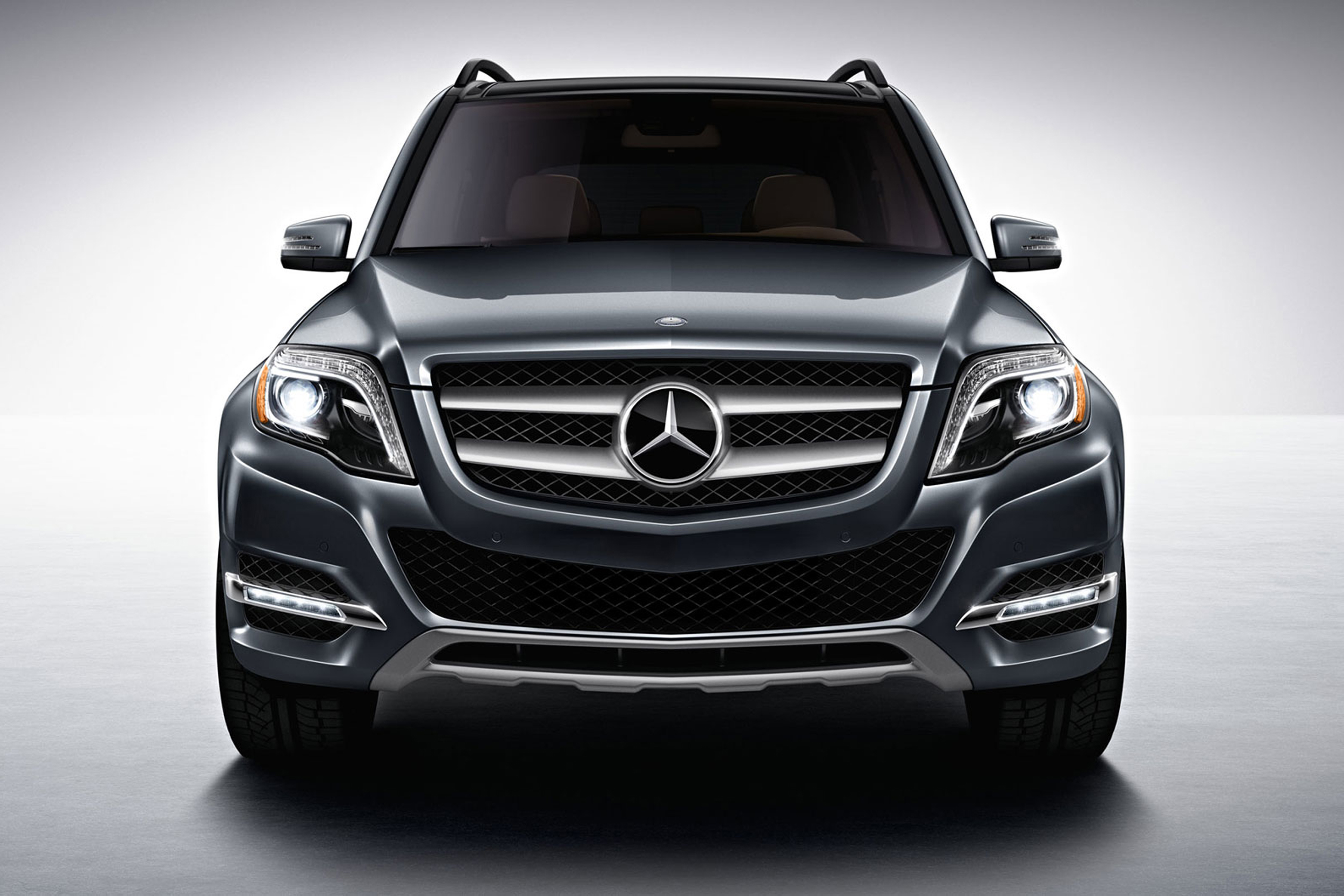
The Mercedes-Benz GLK 350, produced from 2010 to 2015, remains a desirable option for those seeking an affordable luxury SUV. Its robust V6 engine and classic Mercedes styling maintain its appeal. However, prices fluctuate significantly based on several key attributes. We will break down what you can expect to pay.
Typical Price Ranges by Model Year and Mileage
As with any used vehicle, the model year and odometer reading are primary price drivers. Newer GLK 350s with lower mileage will always command a premium. Here’s a general breakdown:
- 2010-2012 Models: You can expect to find these in the $10,000 to $15,000 range. These typically have higher mileage, often between 70,000 and 120,000 miles. They represent an entry point into luxury SUV ownership.
- 2013-2015 Models: These later models often range from $14,000 to $22,000. They generally feature lower mileage, commonly between 40,000 and 90,000 miles. The 2013 refresh brought updated styling and technology, boosting their value.
Remember, these are average price ranges. An exceptionally low-mileage example or a rare, fully-loaded trim will push the upper limits.
Price Adjustments for Condition
Vehicle condition plays a significant role beyond just age and mileage. A GLK 350 in “excellent” condition will fetch a higher price. This means immaculate exterior and interior, perfect mechanicals, and a complete service history. Such a vehicle could add 10-20% to the average price. Conversely, a vehicle in “fair” condition, with noticeable cosmetic flaws, interior wear, or minor mechanical issues, will be priced lower. Expect a potential deduction of 10-20% from the average. Always factor in potential repair costs when considering a lower-priced vehicle with condition issues. A pre-purchase inspection is a wise investment.
Everything You Need to Know About the Mercedes-Benz GLK 350 Price
Understanding the true cost of a used Mercedes-Benz GLK 350 goes beyond just the sticker price. This comprehensive, step-by-step guide is designed to walk you through all the crucial factors and processes involved in determining “how much is a GLK 350” in today’s market. By following these detailed instructions, you’ll gain the knowledge and confidence to make an informed purchase, avoiding common pitfalls and ensuring you get fair value for your investment.
Step 1: Get to Know Your GLK 350 – Model Years & Core Specifications
What you need: Reliable internet access.
Instructions: Begin by familiarizing yourself with the Mercedes-Benz GLK 350’s production timeline and standard features. In the U.S. market, the GLK 350 was primarily sold from model year 2010 through 2015. All models came with a robust 3.5-liter V6 engine (initially 268 hp, updated to 302 hp from 2013 onwards) paired with a 7-speed automatic transmission. Key changes to note include a significant facelift for the 2013 model year, which brought updated exterior styling, a more modern interior, and the more powerful engine. Understanding these core specifications and model year differences is fundamental, as they directly impact pricing and desirability.
Pro Tip: Researching the GLK 350’s common optional packages (e.g., Premium 1, Multimedia, Lighting, Driver Assistance) will help you identify what features significantly add to a vehicle’s value, such as navigation, panoramic sunroof, or advanced safety aids.
Step 2: Define Your Ideal GLK 350 & Budget Range
What you need: Pen, paper, calculator, internet access for initial research.
Instructions: Before diving into specific listings, establish your personal criteria for the GLK 350. Decide on your preferred model year range (e.g., pre-facelift 2010-2012 or post-facelift 2013-2015), the maximum acceptable mileage (typically lower mileage commands a higher price), desired trim level or specific options, and the general condition you expect (excellent, good, fair). Most importantly, set a firm budget range that includes not just the purchase price but also potential taxes, fees, and initial maintenance. Having these parameters defined will streamline your search and prevent emotional overspending.
Pro Tip: Consider the trade-off between age and mileage. A slightly older model with significantly lower mileage might be a better value than a newer one with many more miles, especially for a luxury vehicle where wear and tear can accumulate faster.
Step 3: Leverage Online Valuation Tools for Baseline Pricing
What you need: Internet access, specific vehicle details (model year, estimated mileage, condition, major features).
Instructions: Utilize industry-standard online valuation tools such as Kelley Blue Book (KBB.com), Edmunds.com, and NADAguides.com. These platforms allow you to input the exact specifications of the GLK 350 you’re looking for (year, mileage, condition, optional equipment, and even your ZIP code) to generate estimated private party, trade-in, and retail values. Use these figures to establish a realistic baseline for what you should expect to pay for a GLK 350 in various conditions. Compare values across all three sites for a more rounded perspective.
Pro Tip: Be honest and critical when assessing the vehicle’s condition for these tools. Most people overestimate their car’s condition, which can lead to an inaccurate valuation. A “good” condition usually means minor flaws, not perfect.
Step 4: Scout Major Online Marketplaces
What you need: Internet access, effective search filters.
Instructions: Now it’s time to see what’s actually available. Head to popular online car marketplaces like AutoTrader.com, CarGurus.com, Cars.com, and local dealership websites. Filter your searches specifically for “Mercedes-Benz GLK 350,” applying your desired year range, maximum mileage, and geographical location. Pay close attention to the asking prices of vehicles that closely match your criteria. Note down outliers (both very low and very high) and try to understand why they differ from the average. This step helps you understand the current supply and demand.
Pro Tip: Use CarGurus’ “deal rating” filter as a quick reference, but always cross-reference with other listings and your KBB/Edmunds research. Also, expand your search radius slightly; sometimes driving an extra 50-100 miles can yield a significantly better deal.
Step 5: Factor in Location, Condition, and Vehicle History
What you need: Internet access, VIN (Vehicle Identification Number) for history reports, budget for reports.
Instructions: Pricing can fluctuate based on regional demand and local economic factors. A GLK 350 in a cold-weather state might have more wear from road salt, while one in a high-income area might be priced higher. Obtain a vehicle history report (e.g., CARFAX or AutoCheck) using the car’s VIN. These reports reveal crucial information like accident history, service records, number of owners, and title status. Visually inspect photos for interior wear, exterior dents, and tire condition. Any red flags in the history report or significant cosmetic flaws should prompt further investigation or negotiation.
Pro Tip: A vehicle with a clean title (no salvage, flood, or fire history) and a consistent service record, especially at a Mercedes-Benz dealership or reputable European specialist, commands a higher price and offers greater peace of mind.
Step 6: Account for Additional Costs and Negotiation
What you need: Calculator, knowledge of local sales tax rates, negotiation skills.
Instructions: The listed price is never the final price. You must budget for several additional costs: state sales tax (which can range from 0% to over 10% depending on your state), registration fees, license plate fees, and title transfer fees. If buying from a dealership, expect documentation fees (often $200-$800) and possibly other add-ons. Always be prepared to negotiate the asking price. Use comparable listings, any identified flaws, or findings from a pre-purchase inspection (see Step 7) as leverage. Aim to have all-in costs, including taxes and fees, within your pre-defined budget.
Pro Tip: Research common negotiation tactics online. Don’t be afraid to walk away if the seller isn’t willing to meet a reasonable price. Be firm but polite, and always have your target price in mind.
Step 7: Arrange a Pre-Purchase Inspection (PPI)
What you need: Contact information for an independent mechanic specializing in European cars, permission from seller, budget for inspection fee (typically $100-$200).
Instructions: This is arguably the most critical step for any used luxury vehicle purchase. Before finalizing the deal, insist on a pre-purchase inspection (PPI) by an independent, trusted mechanic who has experience with Mercedes-Benz vehicles. The mechanic will thoroughly examine the car’s mechanical components, electrical systems, suspension, brakes, tires, and overall structural integrity. They can uncover hidden issues (e.g., fluid leaks, worn bushings, transmission problems, error codes) that are not apparent during a test drive or visual inspection. This report can serve as a powerful negotiation tool or help you avoid a costly mistake.
Pro Tip: If the seller refuses a PPI, consider it a major red flag and likely move on to another vehicle. A good PPI can save you thousands of dollars in unforeseen repairs down the line.
✅ Final Checklist
- Confirmed desired GLK 350 model year, mileage, and features against personal budget.
- Researched fair market value using multiple reputable online valuation tools (KBB, Edmunds, NADA).
- Scouted numerous online marketplaces and dealership listings for comparable vehicles.
- Obtained and thoroughly reviewed a comprehensive vehicle history report (e.g., CARFAX or AutoCheck).
- Accounted for all additional purchase costs including sales tax, registration, fees, and potential initial maintenance.
- Arranged and reviewed findings from an independent pre-purchase inspection by a qualified mechanic.
- Successfully negotiated the final purchase price to align with market value and vehicle condition.
Important Notes:
- Safety Considerations: Always perform a thorough test drive to ensure all safety features (brakes, steering, lights) are fully functional. Never compromise on safety for a lower price. If any safety defect is identified, ensure it is professionally repaired before purchase, or walk away.
- When to Seek Professional Help: If you’re uncomfortable evaluating a vehicle’s mechanical condition, budgeting for unexpected repairs, or negotiating prices, seeking assistance from a trusted mechanic or a car-buying service can be highly beneficial. For financing, consult a financial advisor or your bank.
- Estimated Time and Cost Range: Expect to spend 2-4 weeks on thorough research, scouting, and inspection to find the right GLK 350. The purchase price for a well-maintained Mercedes-Benz GLK 350 typically ranges from $8,000 to $20,000 USD, depending heavily on model year (older/higher mileage vs. newer/lower mileage), condition, and optional features. Be prepared for an additional 10-15% on top of the selling price for taxes, registration fees, and initial recommended maintenance items (e.g., fluid changes, tire rotation, or minor repairs identified during PPI).
Key Factors Influencing GLK 350 Pricing
Beyond the basics of age and mileage, several other elements directly impact the final asking price of a used GLK 350. Understanding these will help you recognize value and negotiate effectively. Don’t assume all GLK 350s are created equal.
The Impact of Trim Levels and Optional Packages
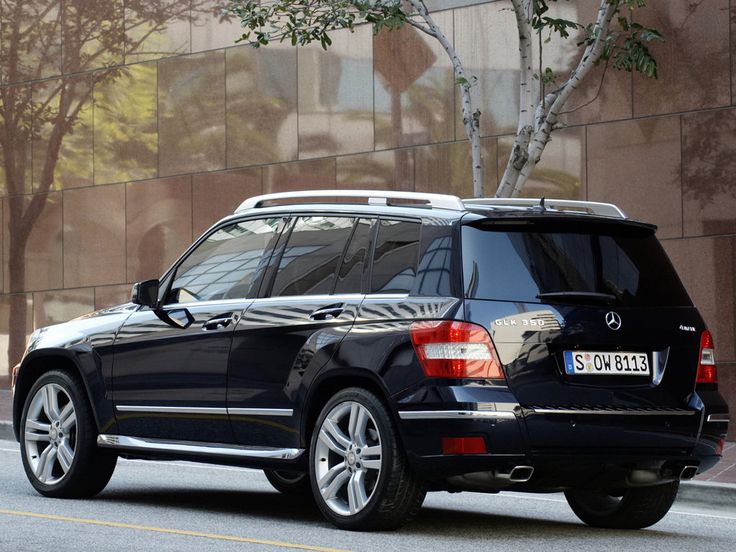
While all GLK 350s come with the same capable 3.5L V6 engine, Mercedes offered numerous optional packages. These add significant value and desirability. Look for vehicles equipped with:
- Premium 1 Package: This is a highly sought-after package. It often includes a panoramic sunroof, a power liftgate, heated front seats, auto-dimming mirrors, and more. It noticeably enhances comfort and convenience.
- Multimedia Package: Essential for tech-savvy buyers, this typically adds the COMAND navigation system, a rearview camera, and an upgraded audio interface. It makes daily driving much more pleasant.
- Lighting Package: Features Bi-Xenon headlamps with active curve illumination and LED daytime running lights. This improves safety and gives a premium look.
- Sport Appearance Package: Includes larger alloy wheels (19″ or 20″), aluminum roof rails, and unique styling cues. This is primarily aesthetic but adds to curb appeal.
A GLK 350 with multiple desirable packages can easily command a price thousands higher than a base model of the same year and mileage. Always check the original window sticker or a detailed vehicle history report for these options.
Regional Demand and Vehicle History
Where you buy your GLK 350 can affect the price. Markets with higher demand for luxury SUVs, particularly in metropolitan areas, may see slightly elevated prices. Conversely, you might find better deals in areas with less demand or an abundance of inventory. Always compare prices across different regions if you are willing to travel.
Crucially, the vehicle’s history report is paramount. A clean CarFax or AutoCheck report showing no accidents is non-negotiable for preserving value. Any reported damage, even minor, will significantly reduce the vehicle’s market worth. Look for a strong service history, indicating diligent maintenance. This adds confidence and value for any prospective buyer.
Where to Find Accurate GLK 350 Price Estimates
Once you have a general idea of the market, it’s time to dig into more specific pricing tools and real-world listings. Getting accurate estimates involves looking at both aggregate data and individual vehicles currently for sale.
Online Marketplaces and Valuation Tools
The internet is your best friend when it comes to researching used car prices. Several reputable platforms offer excellent valuation tools and extensive listings:
- Kelley Blue Book (KBB): KBB is a long-standing authority. Visit their website, input the year, mileage, condition (e.g., good, very good), and features of the GLK 350 you’re interested in. They provide a range of values, including “Fair Purchase Price,” “Private Party Value,” and “Trade-in Value.” Remember, these are estimates and can vary by region.
- Edmunds: Similar to KBB, Edmunds offers a valuation tool that calculates estimated market values based on recent sales data. Their “True Market Value” provides a realistic price range. They also have an extensive database of used listings.
- NADAguides: NADAguides (now powered by J.D. Power) provides another reliable source for vehicle valuations, often used by dealerships and lenders.
- Used Car Listing Sites: Beyond valuation tools, visit sites like AutoTrader, Cars.com, CarGurus, and even eBay Motors. Here, you’ll find actual GLK 350s for sale in your area (or nationwide). Pay close attention to the asking prices for vehicles that match your desired year, mileage, and trim. This gives you a real-time snapshot of the market.
Cross-referencing these sources will give you a robust understanding of the current price landscape for the GLK 350.
Local Dealerships and Independent Sellers
While online tools are crucial, don’t underestimate the value of checking local sources. Physical dealerships and private sellers offer different advantages:
- Authorized Mercedes-Benz Dealerships: These typically offer Certified Pre-Owned (CPO) GLK 350s. CPO vehicles undergo rigorous inspections, come with an extended warranty, and often have detailed service histories. While generally more expensive than non-CPO cars, the peace of mind can be worth the premium.
- Independent Used Car Lots: These dealerships offer a wider variety of models and prices. Their pricing might be more competitive than authorized dealers, but the level of inspection and warranty coverage can vary significantly. Always inquire about their inspection process and any warranties they offer.
- Private Sellers: You can often find the lowest prices from private sellers on platforms like Craigslist, Facebook Marketplace, or local classifieds. However, these sales are typically “as-is,” meaning no warranty and potentially higher risk. This route requires the most due diligence, but can yield excellent deals for savvy buyers.
By comparing prices from a mix of online and local sources, you can establish a strong baseline for negotiation and identify potential outliers.
Expert Considerations When Buying a Used GLK 350
Beyond the price tag, a smart buyer looks deeper. The true cost of ownership includes potential maintenance and unexpected repairs. These expert tips will help you secure a reliable GLK 350 and avoid costly surprises.
The Importance of a Pre-Purchase Inspection (PPI)
This cannot be stressed enough: always get a Pre-Purchase Inspection (PPI) before finalizing your purchase, especially for a luxury vehicle like a Mercedes-Benz. A PPI is a thorough, independent inspection performed by a mechanic you trust, ideally one specializing in German cars.
- What it covers: A good PPI will check everything from the engine and transmission (for leaks, smooth shifting, strange noises) to the suspension components (bushings, struts, shocks), brakes (pad and rotor wear), tires, electrical systems, and body condition. They’ll also scan for diagnostic trouble codes, even if the check engine light isn’t on.
- Why it matters: A PPI can uncover hidden issues that aren’t apparent during a test drive or visual inspection. It can reveal minor problems that need attention soon, or major ones that could lead to thousands in repairs. This information isn’t just for your peace of mind; it’s powerful negotiation leverage. If issues are found, you can ask for the price to be lowered or for the seller to fix them.
- Who performs it: Never rely solely on an inspection from the seller’s mechanic. Take the vehicle to your own trusted independent shop.
Think of a PPI as a small investment that could save you a fortune down the road.
Understanding Maintenance Records and Service History
A comprehensive service history is arguably as important as the PPI, especially for a luxury car that requires specific maintenance. Always request and thoroughly review the vehicle’s maintenance records.
- What to look for:
- Regularity: Has the car been serviced consistently according to Mercedes-Benz’s recommended schedule (e.g., “Service A” and “Service B” at specific mileage intervals)?
- Key Services: Look for evidence of critical fluid changes (engine oil, transmission fluid, brake fluid), spark plug replacements, and filter changes. For 4MATIC models, inquire about transfer case fluid changes.
- Specialized Care: Were repairs and maintenance performed by a Mercedes-Benz authorized service center or a reputable independent German car specialist?
- Common GLK 350 Points: Specific areas to inquire about service history for include suspension components (control arm bushings, ball joints), power steering pump, and any common sensor replacements (e.g., cam position sensors).
- What a good history tells you: A well-maintained vehicle suggests a responsible owner and can indicate a longer, more reliable lifespan. Conversely, a spotty or absent service history is a major red flag, potentially signaling deferred maintenance that you’ll have to pay for.
Combine a thorough PPI with a complete service history review, and you’ll be well-equipped to make an informed decision on your GLK 350.
Conclusion
The Mercedes-Benz GLK 350 remains an attractive option for those seeking luxury, performance, and the distinct Mercedes-Benz driving experience at a more accessible used price point. In 2024, you can expect to find models ranging from roughly $9,000 to $20,000, heavily influenced by the year, mileage, condition, and optional features.
To find your ideal GLK 350, start by leveraging online valuation tools and comparing actual listings across various platforms. Once you’ve identified potential candidates, always prioritize a pre-purchase inspection by an independent mechanic and meticulously review the vehicle’s service history. These crucial steps will safeguard your investment and ensure you drive away with a reliable and enjoyable luxury SUV. With careful research and due diligence, you can confidently find a fantastic GLK 350 that perfectly fits your budget and lifestyle.
❓ Frequently Asked Questions
What is the typical price range for a used Mercedes GLK 350 today, considering different model years?
For a 2010-2012 GLK 350, prices typically fall between $10,000-$15,000, while 2013-2015 models with lower mileage and better condition can range from $15,000 to $25,000. These figures are estimates and can fluctuate based on regional markets and specific vehicle features.
What are the main factors that determine a GLK 350’s value beyond model year and mileage?
Beyond model year and mileage, a GLK 350’s value is significantly influenced by its overall mechanical and cosmetic condition, trim level (e.g., Luxury, Sport), optional packages (e.g., Premium 1, Multimedia, AMG Styling), accident history, and consistent maintenance records. The demand in your local market also plays a role.
How does the GLK 350’s depreciation rate compare to other luxury compact SUVs from its era?
The GLK 350 generally has a depreciation rate comparable to other luxury compact SUVs from brands like BMW or Audi, maintaining a decent residual value due to its Mercedes-Benz badge and robust engineering. However, like all luxury vehicles, it depreciates faster than mainstream brands, and potential repair costs can impact its perceived long-term value.
Are there specific optional features or packages that significantly increase a GLK 350’s resale value?
Yes, desirable features like the panoramic sunroof, COMAND navigation system, premium sound system (Harman Kardon), advanced driver-assistance features (like Blind Spot Assist), and genuine leather upholstery tend to add more value. The 4MATIC all-wheel-drive system is also highly sought after in many regions, boosting its appeal and price.
What additional costs should I budget for when purchasing a used GLK 350, beyond the purchase price?
When buying a used GLK 350, always factor in potential costs for a pre-purchase inspection by an independent mechanic, sales tax, registration fees, and a robust insurance policy. Furthermore, be prepared for typical Mercedes-Benz maintenance expenses, which are higher than average, and potential repair costs for wear-and-tear items.
Where is the best place to search for a used GLK 350 to ensure a fair price and reliable condition?
The best places to search include large online used car marketplaces like Autotrader, CarGurus, and Edmunds, which offer a wide selection and pricing comparisons. Certified pre-owned programs at Mercedes-Benz dealerships can offer more peace of mind with warranties, though at a higher price. Independent used car dealerships and private sellers are also options, but always prioritize a thorough pre-purchase inspection.