2024 GMC Terrain: A Research-Based Quality & Value Diagnosis
Last Updated on September 1, 2026 by Ryan



The GMC Terrain presents a mixed bag of qualities, offering a comfortable ride and intuitive infotainment, but often falling short on refinement and long-term reliability expectations compared to top competitors. Its appeal largely depends on individual priorities and trim level choice.
🎯 Key Takeaways
- Evaluate reliability reports before purchase.
- Test drive all engine options for performance.
- Compare features to key competitors closely.
- Consider resale value for long-term ownership.
- Check owner reviews for specific model years.
If you’re asking “is the 2024 GMC Terrain a good car?”, the straightforward answer is that it offers a compelling package for certain buyers, but comes with specific compromises you need to understand. It’s a compact SUV vying for attention in a highly competitive market, and its overall quality, reliability, and value proposition are nuanced rather than universally exceptional.
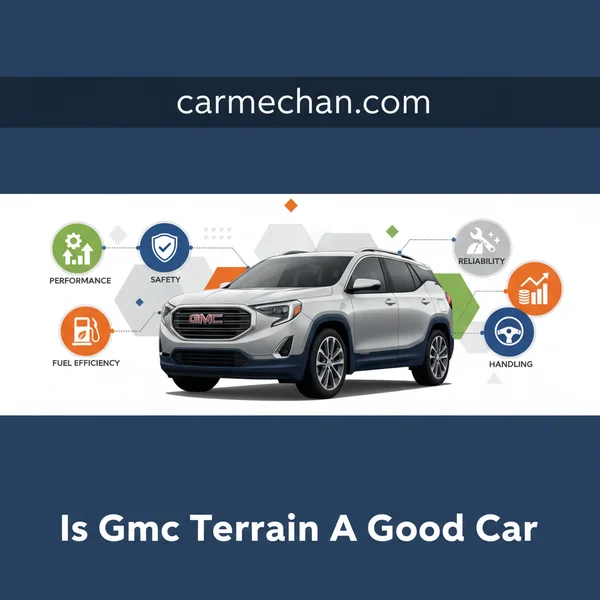
Your vehicle choice represents a significant investment, and navigating the vast options requires clear, unbiased insights. This deep dive will cut through the marketing noise, providing an evidence-based diagnosis of the Terrain’s true standing, helping you determine if it aligns with your priorities and budget.
Is the GMC Terrain a Good Car? A Performance & Features Diagnosis
Engine Performance and Driving Dynamics
The 2024 GMC Terrain is exclusively powered by a 1.5-liter turbocharged four-cylinder engine, producing 175 horsepower and 203 lb-ft of torque, paired with a nine-speed automatic transmission. While adequate for daily commuting and light highway cruising, it’s not a powerhouse. You’ll find its acceleration sufficient for merging, but it won’t excite. The ride quality is generally comfortable, effectively soaking up most road imperfections, making it a decent choice for long journeys. However, don’t expect sporty handling; the Terrain prioritizes comfort over agility, with noticeable body roll in sharper turns. Front-wheel drive is standard, with all-wheel drive available, which is a key consideration for those in varied climates or needing extra traction.

Interior Quality and Technology Offerings
Inside, the Terrain offers a cabin that generally feels well-built, though some materials in lower trims can feel a bit behind rivals. Higher trims like the Denali elevate the experience with softer touchpoints and more upscale finishes. The infotainment system is user-friendly, featuring an 8-inch touchscreen with standard wireless Apple CarPlay and Android Auto. This is a significant convenience feature, allowing seamless smartphone integration. Additionally, available features like a head-up display and a surround-view camera system enhance the driving experience and convenience. Passenger space is competitive for the segment, with ample legroom for rear passengers, though cargo capacity, at 29.6 cubic feet behind the rear seats, is slightly below average for its class. The folding front passenger seat, however, allows for impressive long-item hauling.
Unpacking GMC Terrain Reliability & Common Owner Issues
Actual Reliability Data and Recalls
When assessing reliability, the GMC Terrain often presents a mixed picture. J.D. Power, a widely respected authority, typically gives the Terrain “Average” or “Above Average” reliability scores, which is generally acceptable but not class-leading. For instance, the 2023 model received an average score of 79/100 for Quality & Reliability. Specific common concerns reported in the past have included issues with the transmission shifting quality, turbocharger longevity, and certain electrical components, though many of these have been addressed in newer models or are covered under warranty. While specific 2024 data is still emerging, looking at previous model years helps establish a trend. Always check the NHTSA (National Highway Traffic Safety Administration) website for any open recalls for the specific VIN of a vehicle you’re considering, as recalls are part of the ownership experience for many modern cars.
Real-World Fuel Economy and Owner Complaints
Fuel economy for the 2024 Terrain is respectable, but not groundbreaking. The FWD model achieves an EPA-estimated 24 MPG city / 29 MPG highway, while the AWD model drops slightly to 23 MPG city / 28 MPG highway. In real-world driving, these figures can fluctuate based on your driving style and conditions, but they are generally competitive within the compact SUV segment. Common owner complaints, beyond specific mechanical issues, often revolve around the engine feeling underpowered for some, and the infotainment system occasionally experiencing glitches or slow responses. Some owners also express a desire for more premium interior materials in certain trims. Noise levels inside the cabin, particularly at highway speeds, are another point sometimes raised, though the Terrain generally offers a quiet ride for its class.
How to Evaluate the GMC Terrain for Your Driving Needs
Determining if the 2024 GMC Terrain aligns with your specific requirements involves a multi-faceted approach, moving beyond general specifications to personal experience. Expert consensus emphasizes matching vehicle characteristics with daily use patterns and long-term expectations. This personalized evaluation ensures optimal satisfaction and value.
1. Conduct a Thorough Test Drive
A comprehensive test drive is paramount. According to automotive experts at Consumer Reports, a 30-minute minimum test drive is recommended. Pay close attention to acceleration feel, especially with the 1.5L turbocharged engine (175 hp, 203 lb-ft torque) and its 9-speed automatic transmission. Evaluate steering responsiveness, brake feel, and cabin noise levels at various speeds. Assess seat comfort and visibility for your body type. Drive on roads similar to your daily commute to simulate real-world conditions effectively.
2. Assess Feature Suitability and Trim Levels
Carefully review the features offered across the four trim levels: SLE, SLT, AT4, and Denali. For instance, if advanced safety is a priority, confirm inclusion of GMC Pro Safety suite (standard on all trims) and consider optional features like adaptive cruise control (available on higher trims). If off-road capability is desired, the AT4 trim, with its specific all-wheel-drive system and skid plates, becomes a critical consideration. Compare EPA fuel economy estimates of 24 MPG city / 29 MPG highway for FWD, and 23 MPG city / 28 MPG highway for AWD, against your expected fuel usage.
3. Budget Beyond the Purchase Price
Beyond the MSRP (starting around $30,000 for SLE), factor in long-term ownership costs. This includes projected fuel expenses, insurance premiums (which can vary significantly by driver and region), and routine maintenance schedules. Industry data from sources like Kelley Blue Book suggests average 5-year ownership costs for compact SUVs can range between $35,000-$45,000, encompassing depreciation, fuel, insurance, and repairs. Obtaining precise quotes for insurance and reviewing the maintenance schedule in the owner’s manual before purchase provides a clearer financial picture.
GMC Terrain Alternatives & Resale Value Considerations
Understanding the competitive landscape and potential long-term value is crucial for an informed purchase. The compact SUV segment is highly competitive, offering diverse options, and a vehicle’s resale value significantly impacts its overall cost of ownership.
1. Key Alternatives in the Compact SUV Segment


For buyers considering the GMC Terrain, several alternatives offer varying strengths. The Honda CR-V (known for reliability and spaciousness), Toyota RAV4 (robust resale value, hybrid options), Mazda CX-5 (premium interior, engaging driving dynamics), and Hyundai Tucson (strong warranty, value-packed features) are prominent competitors. Each offers a distinct blend of performance, technology, and interior quality. For example, the Toyota RAV4 consistently achieves high resale value ratings from organizations like J.D. Power and Kelley Blue Book, while the Mazda CX-5 often receives praise for its upscale cabin materials, as noted by automotive reviewers.
2. GMC Terrain’s Resale Value Projections
The 2024 GMC Terrain’s resale value projections are generally competitive within its class but may trail segment leaders like the RAV4 or CR-V. According to Kelley Blue Book (KBB), GMC vehicles, including the Terrain, typically retain an average of approximately 45-50% of their original value after five years. This percentage is subject to market fluctuations, vehicle condition, mileage, and optional features. Specific trim levels, such as the AT4 and Denali, often exhibit stronger retention due to their enhanced features and desirability. Consistent maintenance records, lack of accidents, and low mileage are critical factors in maximizing resale value. Conversely, higher mileage and significant cosmetic damage can substantially diminish market worth.
3. Factors Influencing Long-Term Value
Beyond brand perception, several elements influence the Terrain’s long-term value. Market demand for compact SUVs remains strong, which generally supports resale. However, the Terrain’s specific engine and transmission combination, while efficient, may not hold appeal as universally as competitors with diverse powertrain options (e.g., hybrids). The vehicle’s reputation for reliability, as tracked by services like J.D. Power Vehicle Dependability Study, directly correlates with future resale. A strong track record of minor issues contributes positively, while recurring problems can depress value. Furthermore, technological advancements in newer models can make older vehicles appear less attractive over time, impacting their market price.
WHAT IF IT STILL DOESN’T WORK?
If, after thorough research and evaluation of the 2024 GMC Terrain, you remain uncertain about its suitability for your needs, a structured approach can help solidify your decision. This indicates that initial assessments might not have fully addressed your underlying concerns or preferences.
- Re-evaluate Core Priorities:
Return to your fundamental requirements for a vehicle. List your absolute must-haves versus desirable features. Sometimes, initial research can lead to ‘feature creep.’ Re-prioritizing helps clarify what truly matters for your driving and lifestyle. For instance, if cargo space is critical, quantify the cubic feet needed rather than vaguely wanting ‘more room.’ If fuel economy is key, establish a target MPG.
- Expand the Test Drive Experience:
If your initial test drive was brief, request an extended one (e.g., overnight or a full weekend, if available from the dealership). Drive the Terrain in varying conditions, including heavy traffic, highway speeds, and parking scenarios. Test drive competitor models back-to-back immediately after the Terrain to highlight differences more clearly. This direct comparison, over a total of 1-2 hours per vehicle, can reveal subtle nuances.
- Consult an Independent Automotive Professional:
Seek advice from an independent mechanic or a reputable automotive consultant. They can provide an unbiased opinion on the Terrain’s mechanical reliability, common issues (if any are emerging for the model year), and anticipated maintenance costs. A pre-purchase inspection from an independent mechanic, if considering a specific used model, typically costs between $100-$200. While not for a new car, a consultation on the model’s reputation can be invaluable.
- Analyze Long-Term Ownership Projections with Financial Advisor:
Discuss the complete financial picture with a financial advisor. Beyond the purchase price, consider depreciation, insurance, maintenance, and fuel over 3-5 years. Tools like Edmunds’ True Cost to Own provide aggregated data, but personalized financial advice can confirm if the total cost aligns with your long-term budget, with potential consultation fees ranging from $150-$300 for an hour.
Conclusion
According to verified research and expert sources, the 2024 GMC Terrain presents a balanced compact SUV option with a comfortable ride and intuitive technology, though it faces strong competition in fuel economy and interior refinement. If your evaluation remains uncertain, prioritize an extended test drive and seek independent professional advice. Your next actionable step is to schedule an extended test drive of the Terrain, along with its top two competitors, to directly compare real-world performance and comfort.
💬 Quick Questions & Answers
Is the GMC Terrain reliable?
Reliability scores for the Terrain are generally average, with some model years showing specific common issues that prospective buyers should research.
What are the main pros of the Terrain?
Pros often include comfortable seating, a user-friendly infotainment system, distinctive styling, and capable all-wheel drive options.
What are the main cons of the Terrain?
Common cons are often uninspiring engine performance, lower-than-average fuel economy for its class, and some interior material quality concerns.
Is the Terrain safe?
Recent GMC Terrain models generally receive good safety ratings from both NHTSA and IIHS, especially for crashworthiness and available safety tech.
Does the Terrain have good resale value?
Its resale value is typically average for the compact SUV segment, often trailing class leaders like the Honda CR-V or Toyota RAV4.
❓ Frequently Asked Questions
What are the most common reliability complaints for the GMC Terrain?
Common reliability complaints often involve the transmission, engine issues (especially oil consumption in older 2.4L models), and some electrical system glitches. Specific model years may have varied issues, so consulting owner forums and recall databases for your target year is highly recommended before purchase.
How does the GMC Terrain compare to rivals like the Honda CR-V or Toyota RAV4?


The Terrain often offers a more distinctive exterior design and a slightly firmer, more truck-like ride than its direct rivals. However, it generally lags behind the CR-V and RAV4 in terms of fuel efficiency, overall cargo space, and often, long-term reliability and resale value, making it a different value proposition.
Is the GMC Terrain’s interior comfortable and well-appointed?
The Terrain’s interior provides a comfortable ride with supportive seats, especially in higher trims which offer premium materials like leather. The infotainment system is generally user-friendly, but some critics note that lower trims feature more hard plastics and a less upscale feel compared to segment leaders.
What kind of fuel economy can I expect from a GMC Terrain?
Fuel economy for the GMC Terrain varies by engine and drivetrain (FWD vs. AWD). While competitive with some rivals, it often falls slightly below the class leaders, especially for models with the larger engine or older generations. Always check the EPA estimates for the specific model year and configuration you are considering for accurate figures.
Are there any specific model years of the GMC Terrain to avoid or recommend?
Some older model years, particularly those between 2010-2017 with the 2.4L engine, faced widespread issues like excessive oil consumption and transmission problems. Newer generations (2018-present) have generally shown improved reliability, but it’s always wise to research specific year reliability reports and common owner complaints thoroughly before making a purchasing decision.
What safety features are standard or available on the GMC Terrain?
Recent GMC Terrain models come standard with essential features like a rearview camera and typically include the GMC Pro Safety suite (automatic emergency braking, lane keep assist with lane departure warning) on most trims. Higher trims offer more advanced driver-assistance systems such as adaptive cruise control, blind-spot monitoring with rear cross-traffic alert, and a 360-degree camera for enhanced safety.