How to Use an Ozone Generator to Remove Cigarette Smell From a Car
Last Updated on September 1, 2026 by Albert Duke
An ozone generator can permanently remove cigarette smell from a car, but only when it is paired with cleaning first. Running ozone alone into a smoked-in cabin often knocks the smell down temporarily, then the odor creeps back within a day or two once the car sits sealed in the sun.

Prime for Young Adults — 6 Months Free
Students and 18–24s get six months of Prime free, then half price.
Start 6 Months FreeThe fix is a specific sequence: clean the source, run the ozone cycle with the right placement, use the HVAC recirculate trick to hit the AC system, then verify the smell is actually gone rather than just masked. This guide walks through each step for cigarette smoke specifically, which behaves differently than food or mild odors and typically needs more attention at every stage.
Skipping any one of these steps is the most common reason people run an ozone generator two or three times and still smell smoke afterward. Following the full sequence once usually beats repeating a partial process several times.
Why Cigarette Smell Needs More Than A Standard Ozone Cycle
Recommended Best Deal Products


Tobacco smoke does not stay in the air. It clings to fabric, foam padding under the seats, the headliner, and the inside of the HVAC ductwork, which is why the smell often survives a basic wipe-down and even a single ozone cycle when other odor types would already be gone.
Industry sources on tobacco odor removal note that simply ozonating a car’s interior usually will not fully eliminate cigarette smell unless the upholstery, carpet, and fans are also deep cleaned, since the residue keeps re-releasing odor otherwise. This is consistent across most professional detailing sources, not just a single opinion.
This is the main reason cigarette smell is one of the harder odors to fully clear, and why the steps below matter more here than for a mild food or pet smell.
Step 1 Clean The Source Before Ozone Treatment
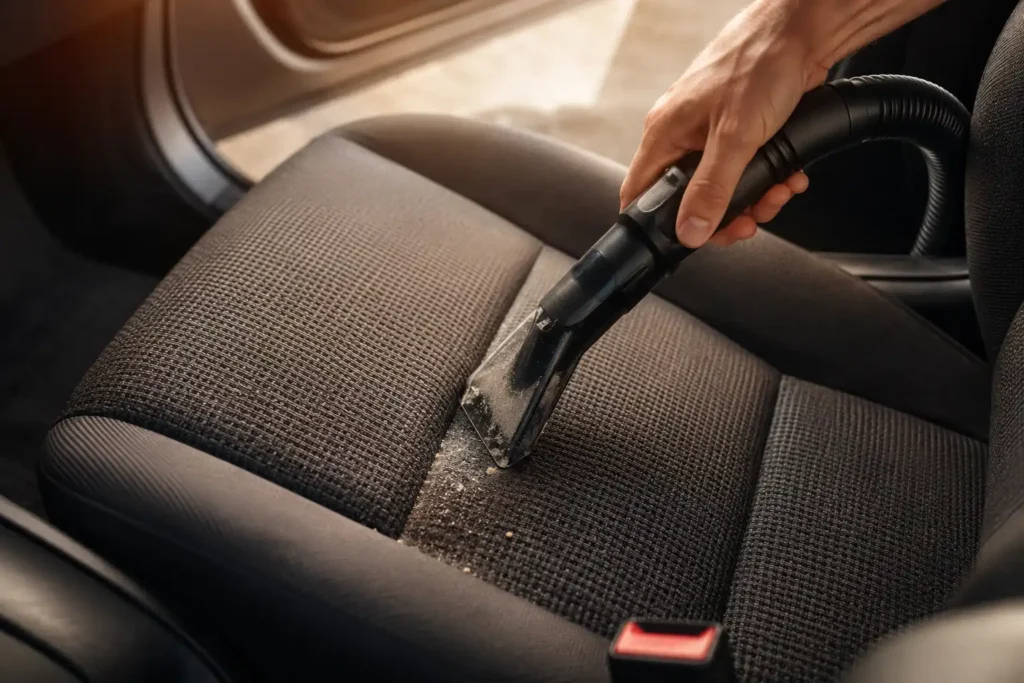
Vacuum the carpet, seats, floor mats, and trunk thoroughly, paying extra attention to seams and under-seat areas where ash and residue settle. Wipe down the dashboard, door panels, headliner, and center console with a mild all-purpose cleaner to lift surface residue.
If the vehicle was smoked in regularly over a long period, check and replace the cabin air filter, since it can trap smoke particles that continue releasing odor through the vents every time the fan runs. A clogged, smoke-saturated filter is easy to overlook because it sits out of sight, but it can undo the rest of the cleaning if left in place.
Skipping this cleaning step is the single biggest reason ozone treatments fail on smoke odor. Ozone treats what is in the air during the cycle, not residue baked into fabric and foam that a proper cleaning pass would have already removed.

Audible — Listen Free for 30 Days
One free credit a month and thousands of titles included.
Listen Free for 30 DaysStep 2 Position And Run The Ozone Generator
Recommended Best Deal Products


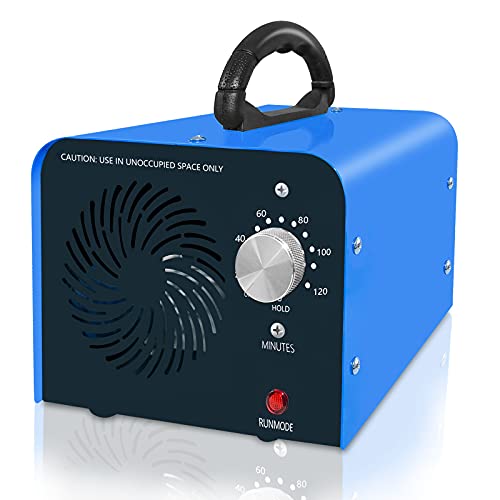
Place the ozone generator on a stable, elevated surface such as the center console or a folded-down rear seat, then close all doors and windows before starting the cycle. Elevating the unit helps ozone, which is heavier than air, circulate more evenly through the cabin, including footwells and lower seat areas.
For cigarette smoke specifically, plan on a longer run time than you would for a mild odor, typically 1 to 8 hours depending on machine output and how deeply the smoke has settled in. Choosing the right output for your vehicle size matters here too, and our best ozone generator for car guide breaks down which units handle tougher odors like smoke.
Never leave anyone inside the vehicle while the generator runs, and remove pets and plants from the cabin as well, since ozone is unsafe to breathe at treatment concentrations.
Step 3 Use The Recirculate Trick For HVAC Odor
About 15 to 60 minutes before the cycle ends, if your ozone generator allows access to the ignition or you’re using a plug-in unit, switch the climate control fan to recirculate mode. This pulls ozone-treated air through the AC and heating ductwork instead of only treating the open cabin air.

One vehicle ozone treatment provider specifically recommends this step, noting that turning on the fan and selecting recirculate mode 15 minutes to an hour before the end of treatment helps thoroughly remove smoke that has penetrated the air conditioning system, not just the surfaces you can see and clean by hand.
Smoke residue commonly settles inside the HVAC system itself, and skipping this step means the smell can return every time the fan runs even after the rest of the cabin smells clean. This single step is one of the most overlooked parts of a proper smoke-odor ozone treatment, and it costs nothing extra since you are already running the cycle.
Step 4 Ventilate And Check For Returning Odor
Recommended Best Deal Products


Once the cycle ends, open all doors and windows and let the cabin air out fully before anyone gets back in. For the exact wait time based on how long your cycle ran and your vehicle size, our guide on ozone generator wait times breaks down the safe ventilation window in detail.
Check the car again after it has sat sealed in the heat for a day, since this is when residual smoke odor most commonly resurfaces if cleaning was incomplete. Detailer forum reports back this pattern up, with owners noting the smell fading after airing out only to return once the car sat closed up in direct sun.
If the smell returns at that point, it points to surfaces that still need deeper cleaning, not a longer ozone cycle. Running the generator again without addressing the actual residue just repeats the same temporary result.
Audible Premium Plus — Annual Membership
12 audiobook credits up front, plus the full Audible catalogue.
See Annual PlansHow Many Treatments Heavy Smoke Odor Usually Needs
- Light or occasional smoking: One treatment cycle paired with a thorough cleaning is usually enough, since the residue hasn’t had time to fully soak into padding and ductwork.
- Moderate, regular smoking over months: Plan on two sessions spaced a day or two apart, with a fresh cleaning pass before the second cycle to catch anything the first round missed.
- Heavy, long-term smoker vehicle: Three or more sessions are common, and professional detailing or a professional ozone service is often worth considering at this point rather than repeated DIY cycles that eat up an entire weekend with mixed results.
Cigarette Smell Ozone Treatment Quick Reference
| Smoke Severity | Pre-Clean Needed | Run Time | Sessions Needed |
|---|---|---|---|
| Light or occasional | Vacuum and wipe-down | 1 to 2 hours | 1 session |
| Moderate, regular over months | Full interior clean plus cabin filter check | 2 to 4 hours | 2 sessions |
| Heavy, long-term | Deep clean, filter replacement, HVAC recirculate | 4 to 8 hours | 3 or more sessions |
Ozone For Cigarette Smell FAQ
Does ozone permanently remove cigarette smell?
Yes, when the odor source is cleaned first. Ozone breaks down the odor-causing molecules at the source rather than masking them, but it cannot reach residue that cleaning should have removed, which is why the two steps work together rather than as substitutes for each other.
Can I skip cleaning and just run ozone longer instead?
No. A longer cycle on a dirty interior treats the air but leaves the residue in the fabric and vents to keep releasing odor. Cleaning first is what makes the ozone treatment actually stick.
Will ozone damage a smoked-in interior?
Short, properly ventilated treatments pose minimal risk to most interiors. Repeated long cycles without adequate breaks between sessions can dry out rubber seals and trim over time, so space out multiple sessions rather than running back-to-back cycles, and never leave a unit running unattended for more than the manufacturer’s recommended maximum.
How do I know if the smell is gone or just masked?
Let the car sit sealed in the sun for a full day after treatment, then check again with the doors closed for a few minutes before opening them. If the smell returns at that point, residue is still present somewhere and needs another cleaning pass before a repeat ozone cycle.
Is professional ozone treatment worth it for heavy smoke?
For vehicles smoked in regularly over a long period, professional treatment is often worth the cost. Industry pricing generally runs $80 to $150 for a standard professional session in most U.S. markets, and a professional setup can reach areas a consumer unit and DIY cleaning may miss, including full HVAC access and higher-output equipment than most portable home units.
Removing cigarette smell with an ozone generator comes down to sequence, not just run time. Clean the source first, run the ozone cycle at the right output, use the HVAC recirculate trick, then verify the smell is actually gone after a day in the heat rather than assuming one cycle solved it. Skipping steps to save time is usually what leads to running the whole process over again a week later.
If the smell keeps coming back after multiple attempts, our guide to the best deodorizer for cigarette smoke covers enzyme-based and other non-ozone options that can finish the job, or it may be time to consider a professional session for a truly saturated interior.