How to Use an Ozone Generator in a Car the Right Way
Last Updated on September 1, 2026 by Albert Duke
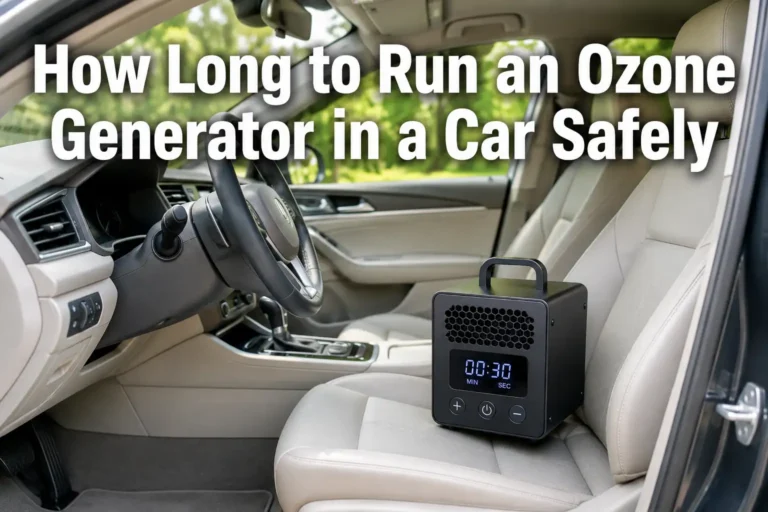
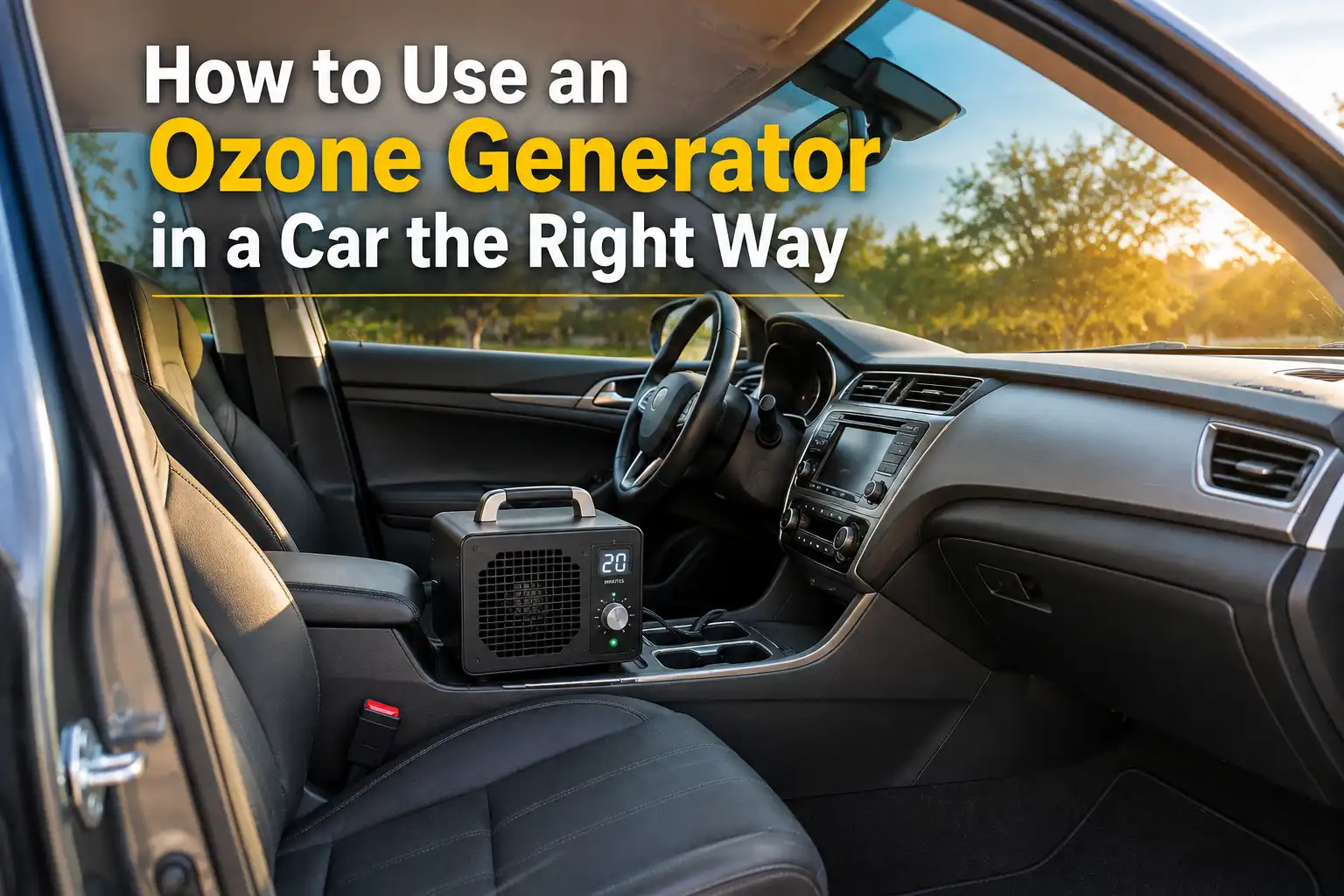
Using an ozone generator in a car comes down to four steps: clean the interior first, place the device correctly, run it for the right amount of time, then ventilate before anyone gets back in. Getting the order right matters as much as the individual steps themselves, skipping prep or rushing ventilation is where most treatments fall short. This guide walks through the full process from start to finish. For the detailed run-time breakdown by odor severity, see our full guide on how long to run an ozone generator in a car.

Prime for Young Adults — 6 Months Free
Students and 18–24s get six months of Prime free, then half price.
Start 6 Months FreeWhat You Will Need Before Starting
Recommended Best Deal Products
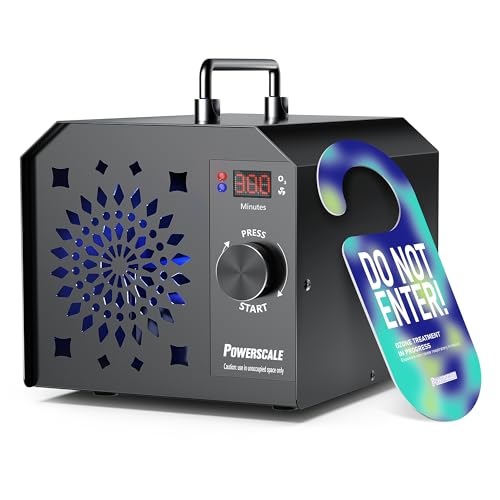

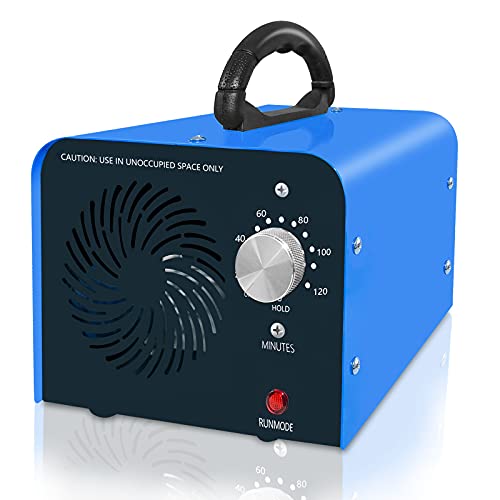
A basic ozone treatment doesn’t require much equipment, but having the right items ready before you start makes the process smoother.
- An ozone generator sized for your vehicle’s cabin volume, larger SUVs and vans generally need a higher milligram-per-hour output than a compact sedan.
- A vacuum and an enzyme-based or upholstery-safe cleaner for pre-treatment cleaning.
- An extension cord if you’re using the hose method or plugging the device into a nearby outlet rather than a 12V adapter.
- A way to keep track of time, most consumer units have a built-in timer, but a phone timer works as a backup.
- Optional PPE like a basic dust mask if you’ll be nearby during setup or need to briefly re-enter mid-treatment for any reason, though re-entering during an active session should be avoided whenever possible.
How to Prepare Your Car Before Ozone Treatment
Ozone only neutralizes odor molecules in the air, it does not clean dirt, stains, or debris. Skipping prep is the most common reason a treatment fails to fully remove a smell.
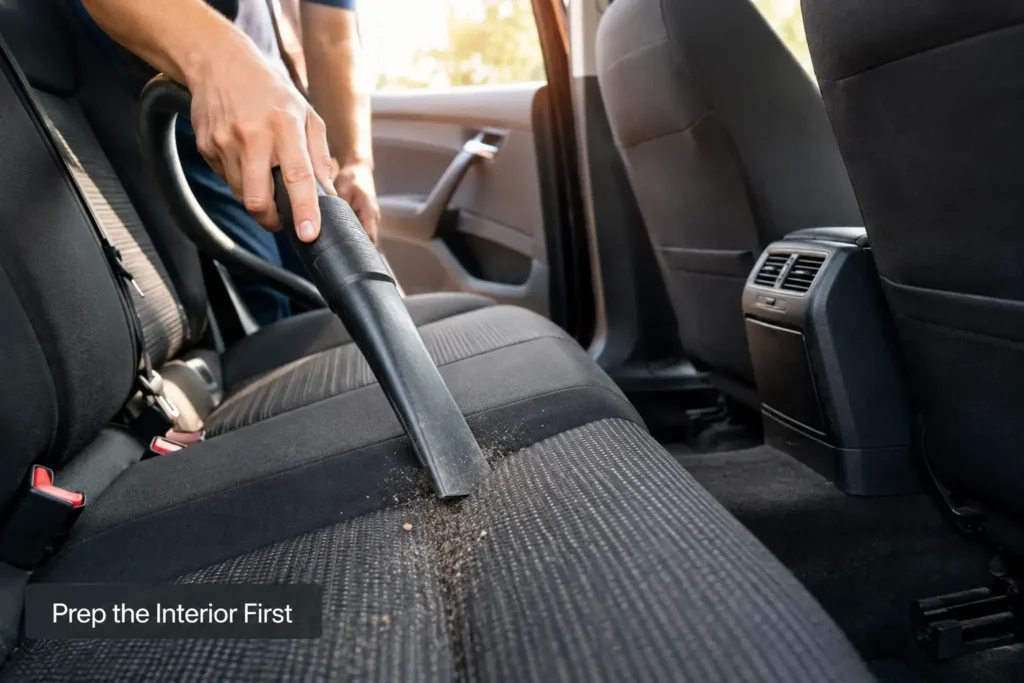
- Remove all trash, personal items, and anything that could block airflow through the cabin.
- Vacuum the carpets, seats, and hard-to-reach areas thoroughly.
- Clean and spot-treat any stains, then let the interior dry completely before starting treatment.
- Confirm the interior is fully dry, since ozone can react with moisture to create different byproducts rather than simply neutralizing the odor.
A car interior detailing kit covers the vacuuming and stain-cleaning step in one pass before you bring the ozone generator into the picture.
Where to Place an Ozone Generator in Your Car
Recommended Best Deal Products

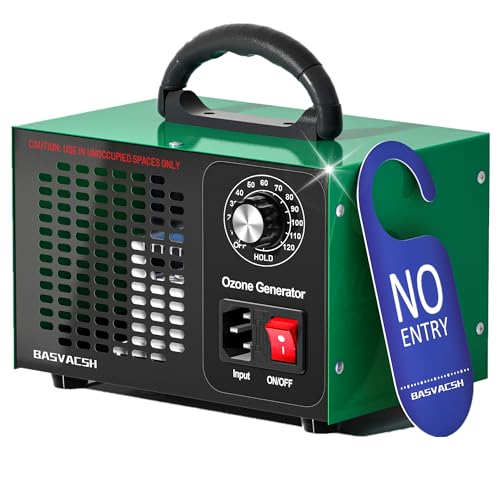

There are two common placement methods, and which one makes sense depends on how you’re using the device.
| Method | Best For | Setup | Contact Risk With Interior |
|---|---|---|---|
| Inside Cabin Placement | Personal use, portable consumer units | Place on center console or passenger seat, close all windows and doors | Higher, device sits directly on interior surfaces |
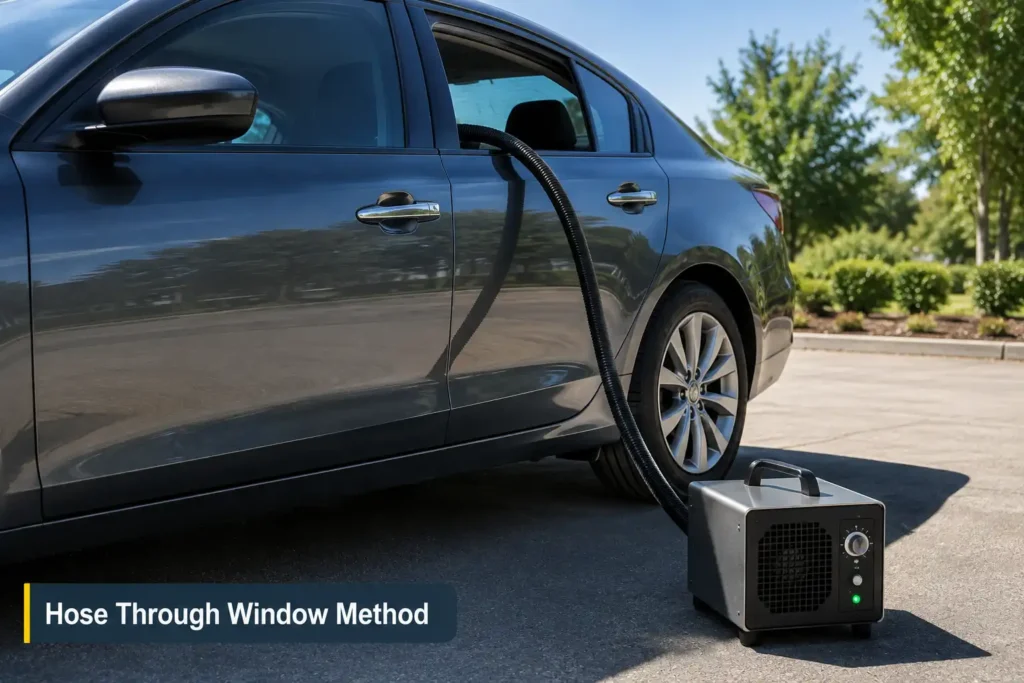
| Hose Through Window | Detailers, high-volume or repeated treatments | Device stays outside, hose feeds ozone in through a cracked window | Lower, no direct contact between device and interior |
Placing the device inside the cabin is typical for small portable models and ensures even ozone circulation, which works well for occasional personal use. The hose method keeps the machine itself outside the vehicle, which is why professional detailers favor it for repeated, high-volume treatments where minimizing wear on the equipment and avoiding direct surface contact both matter.
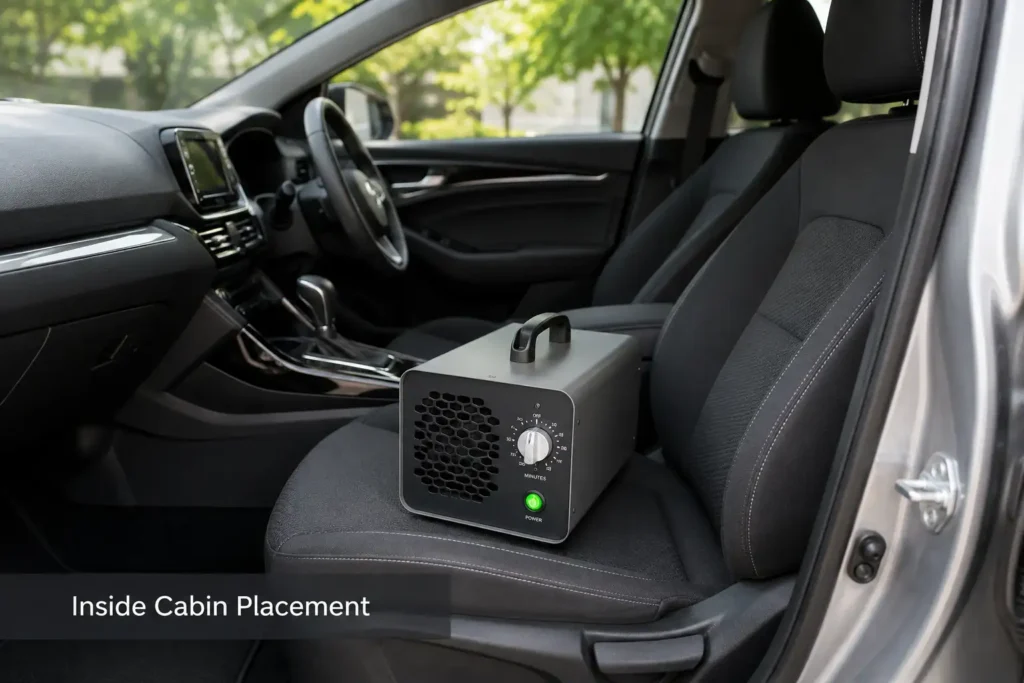
If you only plan to treat your own car occasionally, inside-cabin placement is simpler and works fine for most odor situations. If you’re treating vehicles regularly, such as flipping used cars or running a mobile detailing side business, the hose method reduces wear on the device itself and keeps ozone away from direct contact with your equipment’s own housing and cord.
Step by Step Ozone Generator Process for Your Car
Once the car is clean, dry, and the device is placed, the actual treatment follows a simple sequence.
- Set the generator’s timer based on odor severity, light odors need less time than heavy smoke or mold. Our dedicated run time guide, linked in the introduction above, breaks this down by severity and vehicle size.
- Close all windows and doors completely before starting the timer.
- Make sure no people or pets are inside the vehicle and none will re-enter during the session.
- If the vehicle can run safely with accessory power on, switching the HVAC to recirculate mode partway through helps push ozone through the vents and evaporator.
- Do not open the doors or re-enter the vehicle until the treatment cycle and ventilation window are both complete.
What Happens After the Ozone Treatment Ends
Recommended Best Deal Products


Once the timer goes off, open every door and window and let the cabin air out for 15 to 30 minutes with the fan on fresh air mode before anyone gets back in. Ozone breaks down relatively quickly once fresh airflow moves through the cabin, but don’t judge safety by smell alone, a faint chemical scent can still mean concentration is above a safe breathing level even after the strongest smell fades.

Audible — Listen Free for 30 Days
One free credit a month and thousands of titles included.
Listen Free for 30 DaysWhat to Watch For So Ozone Does Not Damage Your Car
Short, properly timed sessions rarely cause visible damage, but ozone is reactive by design, and that same reactivity can attack rubber seals, leather, and certain plastics if a session runs too long or too often. No federal agency has approved ozone generators for use in occupied spaces, which is part of why keeping sessions short and controlled matters for both your car and your health.
If you’re seeing cracked seals, faded trim, or brittle leather and suspect a past ozone session is the cause, our full breakdown of ozone damage signs and repair costs covers exactly what to check and what it costs to fix.
When to Use an Ozone Generator vs When to Skip It
An ozone generator is a good fit for an unoccupied vehicle with a severe smoke, mold, or biohazard odor, or as a one-time treatment before selling or detailing a car. It also works well for killing airborne mold spores once the actual moisture source has been fixed, though it will not remove mold hidden behind trim or under carpet padding.
Skip it for daily drivers with leather interiors that need frequent treatment, or any car where you would need to run sessions often just to keep up with odor. Repeated exposure adds up over time even when each individual session stays within the safe range, so a car that needs ozone treatment every week likely has an odor source that needs to be physically removed rather than repeatedly masked with more ozone.
If you don’t own one yet, our best ozone generator for car guide covers models built with reliable timers and safer output levels.
How to Tell If the Ozone Treatment Actually Worked
Right after ventilation, the cabin should smell neutral, not fragranced, just clean with no lingering odor and no strong chemical scent either. A faint ozone smell that fades within the ventilation window is normal, but a smell that lingers well past 30 minutes usually means the session ran too long or too concentrated for the cabin size.
Wait a full day before judging final results. Some odors that seem gone immediately after treatment can reappear once the cabin returns to normal temperature and humidity, especially with smoke or pet odors that were deeply embedded in foam or padding. If the smell returns, a second short session is safer and usually more effective than one longer initial treatment.
Frequently Asked Questions
Do I need to remove the car battery before using an ozone generator
No, removing the battery is not necessary for a standard ozone treatment. Just make sure the vehicle is unoccupied, sealed, and that any power cord for the device is routed safely through a slightly cracked window if using the hose method.
Can I use an ozone generator in a car with leather seats
Yes, but leather is more sensitive to ozone than most other interior materials, and it can dry out or crack faster under repeated or extended exposure. Conditioning leather before and after treatment helps reduce that risk, and shorter sessions are safer than one long one.
Audible Premium Plus — Annual Membership
12 audiobook credits up front, plus the full Audible catalogue.
See Annual PlansShould the ozone generator run with the engine on or off
The engine does not need to be running for the treatment itself, but keeping the HVAC in recirculate mode with accessory power on for part of the session helps distribute ozone through the vents. Many owners simply run it with the engine off and accessory power on if their vehicle allows it.
How do I know if my car is fully ventilated after treatment
Air the cabin out for a full 15 to 30 minutes with doors and windows open before judging it safe, rather than relying on smell alone. A faint chemical scent can still mean ozone concentration is above a safe level even after the strongest smell has faded.
Can I use an ozone generator to kill mold in a car
Ozone kills airborne mold spores and surface mold effectively when the moisture source causing the mold has already been fixed. Treatment success rates run high once the underlying moisture problem is resolved first, but ozone will not reach mold hidden behind trim, under carpet padding, or inside the HVAC system, so those areas still need to be physically cleaned or replaced.