What Size Ozone Generator Do You Need for a Car
Last Updated on August 7, 2026 by Albert Duke
Most cars need an ozone generator rated between 600 mg/h and 5,000 mg/h, depending on the size of the interior and how bad the odor is. A sedan with a mild food or pet smell can get by on the low end of that range. A truck or SUV with embedded smoke or mold odor needs the higher end, and often more than one treatment cycle.

Prime for Young Adults — 6 Months Free
Students and 18–24s get six months of Prime free, then half price.
Start 6 Months FreeBuying based on size alone is the most common mistake car owners make. The right output depends on two things working together: how much air your cabin actually holds, and how deep the odor has settled into the seats, carpet, and vents.
Marketing claims add to the confusion. Some listings advertise 30,000 mg/h or higher for a single car cabin, a number more suited to a commercial room than a vehicle interior. This guide focuses on realistic, vehicle-sized output so you buy the right unit the first time instead of paying for power you will never use safely.
What Determines The Right Ozone Generator Size For Your Car
Recommended Best Deal Products

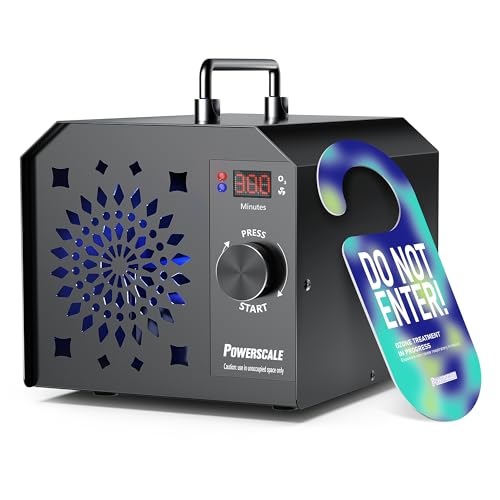
Vehicle Interior Volume
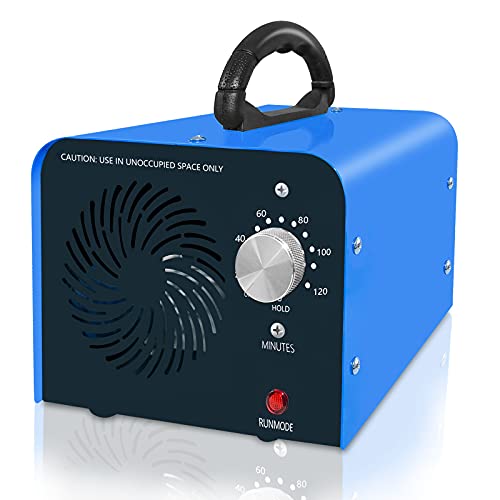
A compact sedan has far less air to treat than a three-row SUV or extended-cab truck. Ozone output is rated in milligrams per hour, and that number needs to match the cubic footage of your cabin, not just the type of vehicle you drive.
A small sedan cabin holds roughly 90 to 110 cubic feet of air, while a full-size SUV or crew-cab truck can hold well over 150 cubic feet once you include the cargo area. That difference is the main reason a truck owner needs meaningfully more output than a sedan owner treating the same type of odor.
Odor Severity And Source
A light food smell clears with a low-output, short cycle. Cigarette smoke, pet accidents, and mold have soaked into fabric and foam, and they need higher output or repeat sessions to break down fully.
How Long You Are Willing To Run It
Higher-output units clear odors faster but cost more and require longer ventilation afterward. Lower-output portable units take longer per cycle but are easier to store in a trunk or garage between uses.
If you only plan to treat your car once or twice a year, a smaller unit that takes an extra hour per cycle is usually the more practical purchase. If you flip used cars, run a rideshare fleet, or deal with odors regularly, a higher-output unit pays for itself in time saved over repeated use.
Sedans And Compact Cars Ozone Output Needed
If you drive a sedan, hatchback, or compact SUV with a mild, recent odor, a 600 to 800 mg/h unit is usually enough to clear the cabin in a single 30 to 60 minute cycle. According to one vehicle care guide, compact cars generally need smaller units in this range for effective treatment, while larger vehicles require more output.

Audible — Listen Free for 30 Days
One free credit a month and thousands of titles included.
Listen Free for 30 DaysIf the smell has lingered for weeks or came from a pet accident, step up toward a 1,000 to 1,200 mg/h portable unit and plan for a longer cycle or a second treatment a day or two later.
SUVs Trucks And Larger Vehicles Ozone Output Needed
Recommended Best Deal Products

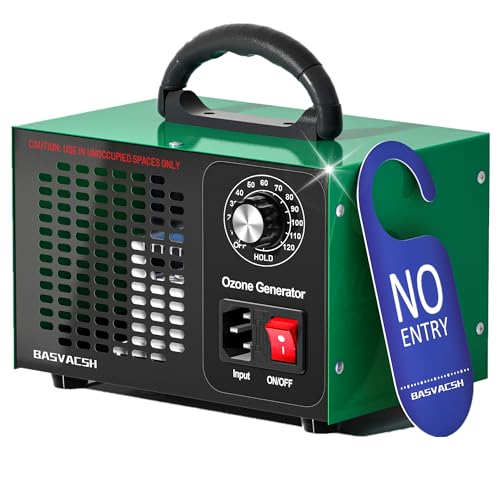

If you drive a midsize or full-size SUV, minivan, or crew-cab truck, plan on a 1,200 mg/h unit or higher for routine odors, since the extra cabin volume needs more coverage than a sedan. A single cycle usually runs 1 to 2 hours.
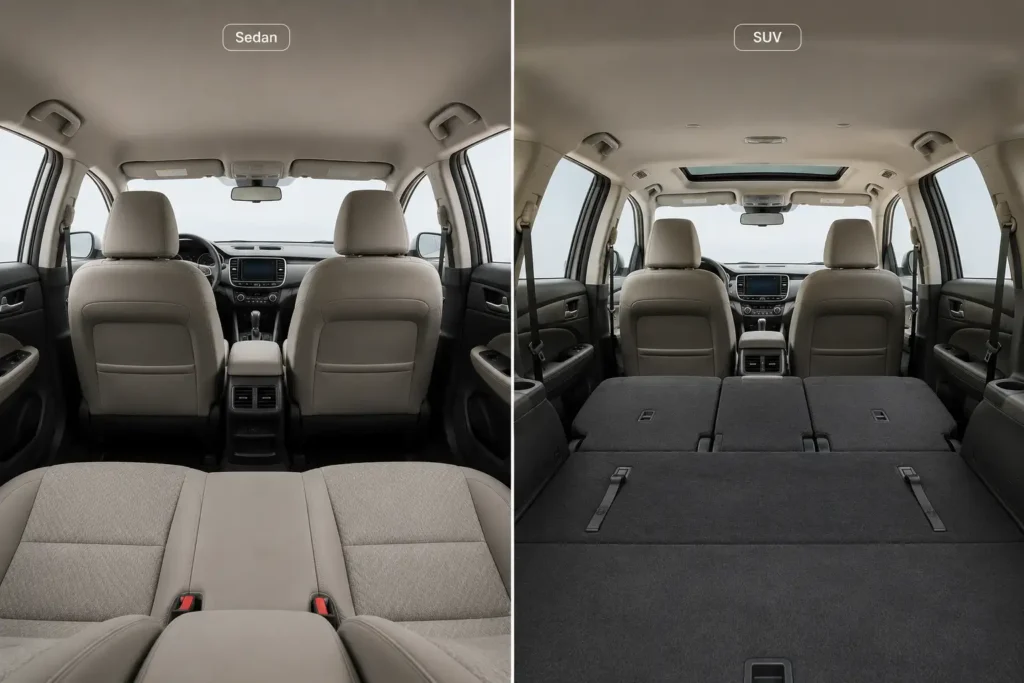
If the odor comes from heavy smoke, long-term pet use, or standing moisture, a 3,000 to 5,000 mg/h portable unit is the range most sizing guidance points to for a truck or large SUV. A dedicated ozone sizing guide puts a 3,000 to 5,000 mg/h unit as generally enough for cars, trucks, and RVs even in tougher cases.
Treat any listing advertising 30,000 mg/h or higher for a single car cabin with skepticism. Ozone output ratings are not standardized across brands, and the same sizing guide warns that unfamiliar brands with unusually high mg/h claims deserve extra scrutiny before purchase, since a small cabin rarely needs commercial-scale output.
How Smoke Pet Or Mold Odors Change The Size You Need
- Food and beverage spills: Low output, a single 30 to 60 minute cycle clears most sedans and SUVs since the odor sits on the surface rather than soaking in.
- Pet odors: Mid to high output, one to two cycles, since urine and dander settle into carpet padding and foam under the seats where a light cycle cannot reach.
- Cigarette or cigar smoke: High output, often two or more cycles, since smoke residue coats the headliner, seat fabric, and every vent in the HVAC system. For odors like this, our guide to the best deodorizer for cigarette smoke covers non-ozone options that work alongside or instead of an ozone treatment.
- Mold or mildew: High output, and the moisture source needs to be fixed first, whether that is a clogged sunroof drain or a leaking window seal, or the smell returns within days.
Prepare Your Car Before Running An Ozone Treatment
Recommended Best Deal Products


Vacuum the carpet, seats, and trunk before running any ozone cycle. Ozone breaks down odor molecules in the air and on surfaces, but it does not remove crumbs, spilled liquid, or visible mold, so a dirty cabin will absorb the odor again quickly.

Wipe down hard surfaces like the dashboard, door panels, and center console with a mild cleaner. For pet odor or mold, find and fix the moisture source first. Running ozone over a still-wet spot only masks the smell until it returns within a few days.
Close all doors, windows, and the sunroof, and turn the climate control to recirculate mode with the fan on low if the unit is placed inside the cabin. This keeps the ozone concentrated in the space you are treating instead of leaking out through the vents.
Ozone Generator Run Time And Ventilation By Vehicle Size
Run time scales with both output and vehicle size. A small sedan on a 600 to 800 mg/h unit typically finishes in under an hour, while a truck on a 3,000 to 5,000 mg/h unit for heavy smoke can run for several hours.

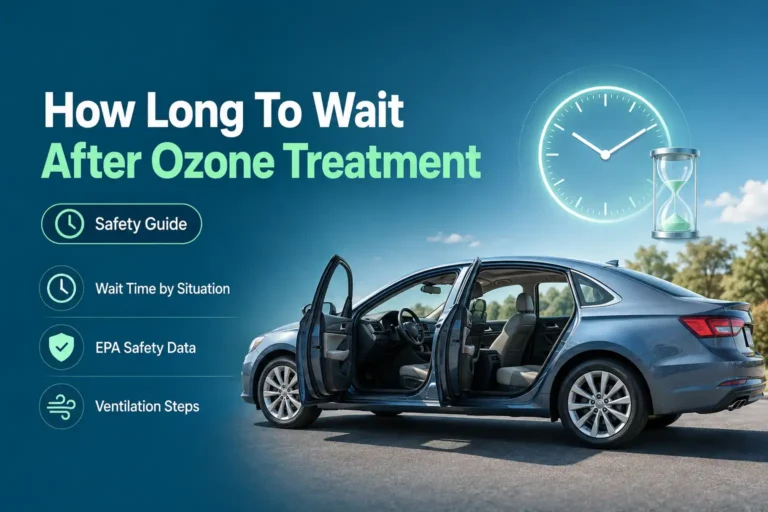
The cabin must stay empty for the entire cycle. Ozone reacts with the oxygen you breathe, and a detailing industry guide confirms that the vehicle should be closed and unoccupied during treatment, then ventilated for at least 30 minutes afterward before anyone gets back in.
Audible Premium Plus — Annual Membership
12 audiobook credits up front, plus the full Audible catalogue.
See Annual PlansNever sit inside the car during a cycle, even to check progress. Crack the windows and run the fan on fresh air mode after the timer ends, and repeat the cycle if the smell is still noticeable once the car has fully aired out.
Ozone Generator Sizing Chart By Vehicle Type
| Vehicle Type | Recommended Output | Typical Run Time | Best For |
|---|---|---|---|
| Sedan or Compact SUV | 600 to 800 mg/h | 30 to 60 minutes | Mild, recent odors |
| Sedan or Compact SUV | 1,000 to 1,200 mg/h | 1 to 2 hours | Pet odors, lingering smells |
| Midsize or Full-Size SUV, Minivan | 1,200 to 3,000 mg/h | 1 to 2 hours | Routine odors, larger cabin |
| Truck or Large SUV | 3,000 to 5,000 mg/h | 2 to 4 hours | Smoke, mold, embedded odors |
For a full breakdown of specific machines by output level, see our ozone generator buying guide for cars, which ranks models across each of these output ranges.
Ozone Generator Size FAQ
Can an ozone generator be too powerful for a car?
Yes. A unit rated well above 5,000 mg/h can shorten cycle time but increases the risk of damaging rubber seals, plastic trim, and headliner fabric if left running too long in a small cabin.
How often should I re-treat a car with an ozone generator?
Mild odors usually clear in one cycle. Smoke, mold, and pet odors often need two or three sessions spaced a day or two apart to fully break down.
Is a small portable or cup-holder ozone unit enough?
Compact units under 800 mg/h work for light, occasional odors but take longer per cycle and struggle with smoke or mold in larger vehicles.
Does ozone treatment damage a car’s interior?
Extended or repeated high-output cycles can dry out and crack leather or vinyl over time. Condition leather and vinyl surfaces before and after treatment to reduce this risk.
Do I need a professional-grade ozone generator for personal use?
Most car owners do not. Professional units built for detailers and dealerships cost significantly more and are sized for treating multiple vehicles back to back, not a single personal car.
The right ozone generator size for your car comes down to cabin volume and odor severity, not the highest mg/h number on the box. Match the output to your vehicle type and the odor you are treating using the chart above, run the recommended cycle time, and ventilate fully before getting back in. Once the ozone treatment is done, an air freshener review like this one can help you decide whether to follow up with a scent product or leave the cabin neutral.