Nissan Juke Years To Avoid: Identifying Models Prone To Critical Issues
Nissan Juke Years To Avoid: Identifying Models Prone To Critical Issues
The Nissan Juke, with its distinctive styling and spirited performance, captured a unique segment of the compact crossover market from its debut. Its bold aesthetics and agile handling offered a fresh alternative to more conventional offerings, attracting buyers looking for something different. Yet, despite its initial appeal, the Juke’s long-term reliability has been a subject of considerable debate among owners and automotive experts. Prospective buyers often face a critical dilemma: which Nissan Juke model years carry significant risks of mechanical failure, particularly concerning the powertrain, making them ‘years to avoid’? This expert guide provides a professional and detailed analysis of the Nissan Juke’s reliability across its production run, meticulously outlining problematic model years, common critical issues, and offering trusted strategies for making an informed purchase decision. Our comprehensive review aims to equip you with the complete knowledge needed to navigate the used Juke market confidently.

Understanding the Nissan Juke’s Market Position and Key Considerations
Recommended Best Deal Products



📤 Share Image
The Nissan Juke burst onto the automotive scene with a distinct, often polarizing, personality. Introduced in Europe and other global markets in 2010, it arrived in North America for the 2011 model year, immediately carving out a niche with its bold, unconventional styling and compact footprint. Designed to appeal to a younger, urban demographic seeking a quirky yet functional vehicle, the Juke stood in stark contrast to more traditional subcompact SUVs like the Honda HR-V or Mazda CX-3, which typically prioritize practicality and conservative design. Its unique crossover design, merging elements of a sports car and an SUV, positioned it as an adventurous choice in a rapidly expanding segment.
Initial market reception was a mixed bag, yet the Juke’s nimble handling and spirited performance from its turbocharged engine were frequently cited as selling points. Its polarizing aesthetics, however, meant it wasn’t for everyone. While some adored its expressive front fascia and coupe-like profile, others found it challenging. Despite the design debate, the Juke achieved notable sales in its early years, for instance, selling over 35,000 units in its first full year in the U.S. market, demonstrating a significant initial draw. However, consumer satisfaction scores, averaging around 3.5 out of 5 on platforms like Edmunds during its early production life, often hinted at underlying concerns.
A critical factor for understanding the Juke’s long-term reliability is its predominant powertrain. Most Juke models were equipped with Nissan’s Continuously Variable Transmission (CVT), specifically the Xtronic CVT. This transmission, lauded for its efficiency and smooth power delivery, became a central point of contention concerning durability. Paired mainly with a 1.6-liter turbocharged direct-injection engine (MR16DDT), this combination provided adequate power, but its integrity proved inconsistent across model years. The evolution of Juke models saw minor engine variations and trim levels, but the core CVT and 1.6L turbo engine largely remained throughout its production run, making their inherent design and material quality crucial to overall vehicle integrity. Early reliability ratings and consumer reports flagged powertrain and minor electrical issues, setting the stage for more serious concerns that would emerge as these vehicles aged.
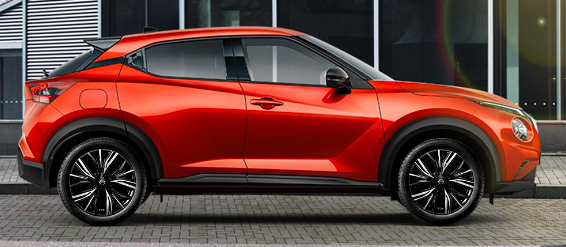
Critical Drivetrain Concerns: Focus on Nissan’s Xtronic CVT Transmission
At the heart of many Nissan Juke’s long-term reliability challenges lies the Xtronic Continuously Variable Transmission (CVT). Nissan was an early and prolific adopter of CVT technology, aiming to enhance fuel economy and provide a smoother, gearless driving experience. The Xtronic CVT operates using two pulleys and a steel belt, varying their effective diameters to achieve an infinite number of gear ratios. While this design can be highly efficient, the inherent challenges, particularly in early iterations, led to reduced lifespan and common failure modes in numerous Nissan vehicles, including the Juke.
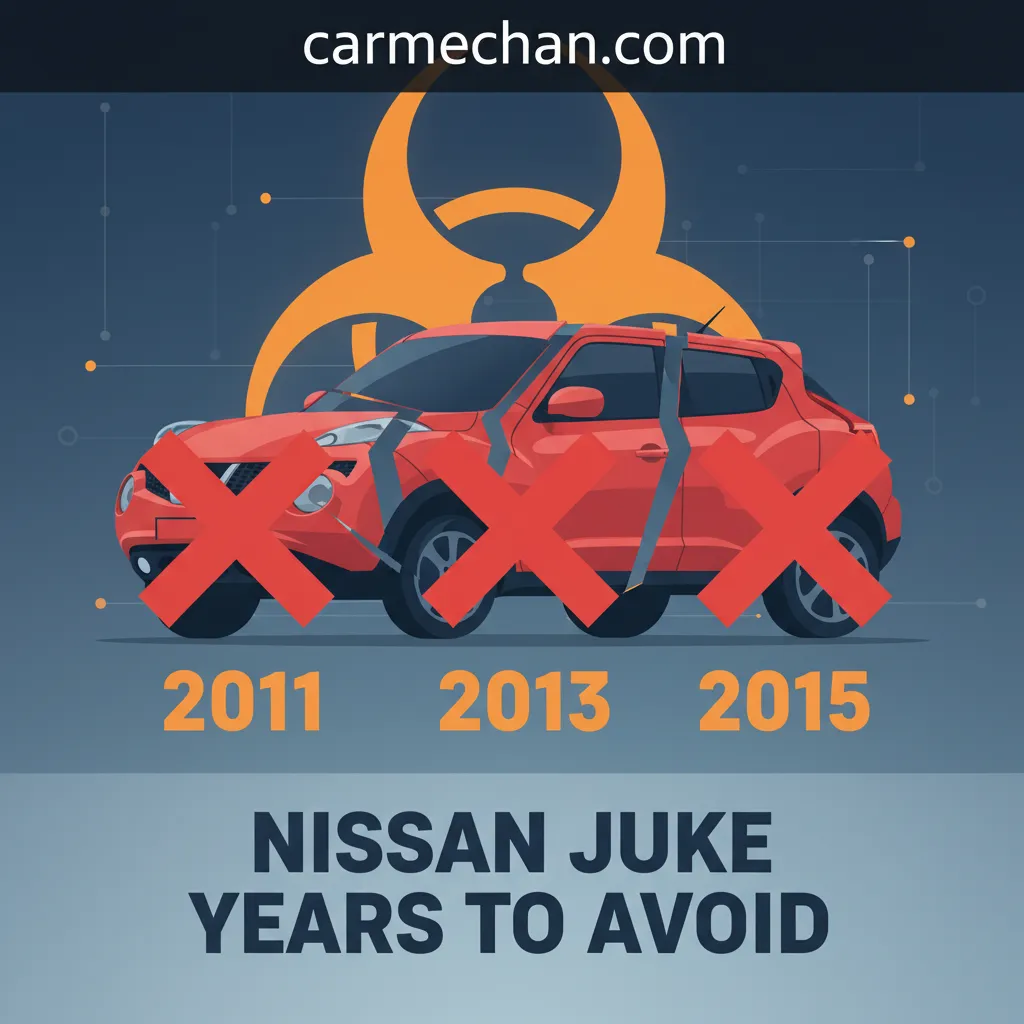
From our expert perspective, the 2011 to 2014 Nissan Juke model years are most significantly impacted by premature CVT failure. While issues can extend into later models, these initial years saw a pronounced incidence of transmission problems. Common CVT failure symptoms are highly indicative and include:
- Jerking or Shuddering: Especially during acceleration or at consistent speeds.
- Loss of Power: The vehicle feels sluggish, struggles to accelerate, or enters a ‘limp mode’ where power is severely restricted.
- Whining or Grinding Noises: A distinct mechanical whine that increases with speed, or grinding sounds indicating internal component wear.
- Overheating: The CVT warning light illuminates, often accompanied by a burning smell. This is frequently a precursor to complete failure.
- Complete Transmission Failure: The vehicle ceases to move, or the transmission slips excessively, rendering it undrivable.
These issues present significant safety and operational hazards, potentially leaving drivers stranded or in dangerous situations.
Analysis of potential causes for CVT degradation points to several factors. Inadequate cooling is a primary culprit, as the CVT generates substantial heat, and early designs struggled to dissipate it effectively. This leads to fluid breakdown, where the specialized CVT fluid loses its lubrication properties, accelerating wear on the belt and pulleys. Furthermore, internal component wear due to design flaws, specifically the materials used for the steel belt and pulley surfaces, contributed to their reduced durability. NHTSA records show a significant volume of powertrain complaints for Nissan models from 2011-2015, highlighting the widespread nature of these CVT concerns. Many of these Xtronic CVTs were observed failing between 60,000 to 100,000 miles, a lifespan significantly shorter than conventional automatic transmissions.
The financial implications of a failing CVT are severe. Replacement or major repair often costs thousands of dollars, easily ranging from $3,500 to $7,000, sometimes exceeding the market value of the older Juke models. For example, a 2012 Juke owner experiencing a ‘limp mode’ activation or grinding noises at 70,000 miles is likely facing a costly transmission overhaul. This makes a comprehensive inspection of the CVT’s health a critical consideration for prospective buyers of these problematic model years. Ensuring the Juke you’re considering has a robust service history, particularly concerning CVT fluid changes, is essential.

Audible — Listen Free for 30 Days
One free credit a month and thousands of titles included.
Listen Free for 30 DaysWhen considering a Nissan Juke from the 2011-2014 model years, assume a high risk of Xtronic CVT failure. Even without immediate symptoms, the history of these transmissions suggests a limited lifespan. Factor in potential replacement costs as a significant part of your ownership budget, or prioritize models with documented CVT replacement or rigorous maintenance history.
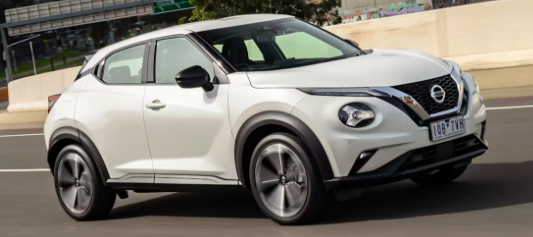
Engine and Turbocharger Vulnerabilities in Early Nissan Juke Models
Recommended Best Deal Products


Beyond the CVT, the Nissan Juke’s 1.6-liter turbocharged direct-injection engine, internally designated MR16DDT, also presented specific vulnerabilities, particularly in its earlier production years. This engine was chosen for its blend of performance and efficiency, delivering a peppy driving experience thanks to its turbocharger. However, the complexity of direct injection combined with forced induction introduced several potential failure points that affected its long-term reliability.
Common engine problems observed, especially in 2011-2013 model years, include:
- Excessive Oil Consumption: A notable issue, often stemming from piston ring design or PCV system performance. This can lead to low oil levels, causing accelerated wear on internal engine components.
- Timing Chain Issues: While generally robust, some units experienced premature timing chain stretch or tensioner failure, leading to rattling noises, rough idle, and potentially severe engine damage if unaddressed.
- Premature Turbocharger Failure: The turbocharger is a high-stress component, and in early Juke models, failures were more common than expected.
Turbocharger wear and failure typically manifest through clear symptoms. Owners might notice blue smoke from the exhaust, indicating burning oil escaping past failing turbocharger seals. A significant loss of power or acceleration, often accompanied by a distinct whining or whistling noise that changes with engine RPM, are also strong indicators. For instance, a 2011 Juke requiring a turbocharger replacement at 90,000 miles due to bearing failure was not an isolated incident. Such failures directly impact engine health and overall vehicle performance, often leaving the vehicle in a reduced power state.
Another aspect of direct-injection engines is the potential for carbon buildup on the intake valves. Unlike port-injected engines where fuel washes over the valves, direct injection sprays fuel directly into the combustion chamber. Over time, oil vapors and exhaust gases can form stubborn carbon deposits on the intake valves, leading to reduced airflow, performance degradation, and persistent misfires. A 2013 model exhibiting consistent P0420 catalytic converter efficiency codes, often linked to excessive oil burning and subsequent catalyst contamination, is another scenario frequently encountered.
For prospective buyers, detecting these issues during a pre-purchase inspection is paramount. Listen for unusual noises during cold start and acceleration, and observe exhaust smoke. Crucially, reviewing thorough maintenance records for models equipped with this engine is essential. Regular oil changes with the correct specification fluid are vital for turbocharger longevity. RepairPal indicates a higher than average incidence of turbocharger replacement for Juke models from these years, underscoring the professional advice to exercise caution.
Electrical Systems and Other Noteworthy Mechanical Concerns
While the powertrain often garners the most attention regarding Nissan Juke reliability, other electrical and mechanical systems can present challenges, albeit typically less severe or widespread than the CVT. A complete understanding of potential ownership risks necessitates acknowledging these areas.
Electrical System Anomalies
- Infotainment Glitches: Reported issues include freezing, unresponsive touchscreens, Bluetooth connectivity problems, and intermittent shutdowns of the navigation unit or stereo system. A scenario where a 2014 Juke experiences intermittent infotainment system shutdowns is a common complaint.
- Erratic Sensor Readings: Faulty oxygen sensors, wheel speed sensors, or tire pressure monitoring system (TPMS) sensors can lead to warning lights and diagnostic headaches.
- Faulty Wiring Harnesses: Less common, but can lead to a variety of seemingly unrelated electrical gremlins, from window operation to lighting issues.
J.D. Power initial quality surveys sometimes flagged electrical system complaints for Nissan during certain periods, underscoring that these aren’t entirely isolated incidents.
Suspension and Braking Components
- Suspension Component Wear: Owners have reported premature wear of control arm bushings, strut mounts, and wheel bearings. This manifests as clunking noises over bumps, uneven tire wear, and compromised handling. A common complaint is about rear suspension squeaks developing after 50,000 miles.
- Braking System Concerns: While routine wear of brake pads and rotors is expected, some Juke owners noted quicker-than-average wear rates. Occasional issues with ABS module malfunctions, though less frequent, can also be costly.
Interior and Other Mechanical Concerns
- Interior Component Degradation: Rattles and squeaks from the dashboard, door panels, or cargo area are common. Faulty climate control components, such as blower motors or blend door actuators, have also been reported.
- Door Lock Actuators and Power Windows: Intermittent failures of power window motors or door lock actuators can be an inconvenience that requires professional intervention.
The incidence of these miscellaneous issues can vary, often influenced by manufacturing quality variations across different production runs. This variability underscores the importance of a detailed vehicle history. While these issues are typically less critical than a failing CVT or turbo, they contribute to the overall ownership experience and can lead to unexpected repair bills, impacting the perceived quality and reliable operation of the vehicle.
Audible Premium Plus — Annual Membership
12 audiobook credits up front, plus the full Audible catalogue.
See Annual PlansIdentifying Reliable Nissan Juke Model Years and Smart Buying Strategies
Recommended Best Deal Products


Navigating the used Nissan Juke market requires a professional and strategic approach, especially given the known issues with earlier models. While no used vehicle guarantees absolute perfection, focusing on specific model years and implementing a comprehensive inspection process can significantly reduce your risk and lead to a more reliable ownership experience.
Recommended Model Years
From an expert standpoint, later model years, specifically 2015-2017, are generally more reliable choices for the Nissan Juke. Nissan introduced incremental refinements to the Xtronic CVT during these years, including updated algorithms and, in some cases, enhanced cooling, which modestly improved its durability. While not a complete overhaul, these tweaks reduced the frequency of premature failures seen in the 2011-2014 cohort. Minor engine concerns were also partially addressed. For instance, a 2016 Juke FWD with an updated CVT algorithm represents a potentially more secure purchase than its earlier counterparts. Consumer Reports reliability scores, while never outstanding, showed modest improvements for the Juke in its final production years, reflecting these efforts.
✅ Pros (Later Juke Models: 2015-2017)
- Improved CVT Reliability: Enhanced algorithms and minor hardware updates.
- Refined Cabin Experience: Potential for updated infotainment and feature sets.
- Fewer Early Production Glitches: Many initial manufacturing kinks addressed.
- Better Resale Value Retention: Less risk of immediate major repairs.
❌ Cons (Early Juke Models: 2011-2014)
- High CVT Failure Risk: Prone to expensive transmission issues.
- Engine/Turbocharger Vulnerabilities: Increased risk of oil consumption and turbo failure.
- Dated Technology: Older infotainment and fewer convenience features.
- Higher Maintenance Costs: More frequent and costly repairs are likely.
Crucial Pre-Purchase Inspection Checklist
📋
Smart Buying Strategies for a Used Juke
This is non-negotiable. Have a trusted professional, preferably one experienced with Nissan vehicles and CVTs, perform a thorough inspection. This should include checking for fluid leaks, inspecting the engine and turbocharger for excessive play or oil residue, and evaluating suspension and brake components. An average cost for a full pre-purchase inspection is typically $150-$250.
A professional diagnostic scan can reveal pending trouble codes and historical faults that aren’t illuminated on the dashboard. This is particularly crucial for identifying subtle drivetrain issues or electrical anomalies before they become major problems. Specifically request a CVT health check, if the scanner is capable.
Drive the Juke at varying speeds, including highway speeds. Listen carefully for unusual noises (whining, grinding, clunking), feel for jerking or shuddering from the transmission, and test all infotainment and climate control functions. Pay close attention to how the CVT behaves during acceleration and deceleration. If a model seems problematic, consider looking for alternatives.
Services like CarFax or AutoCheck are indispensable. These reports identify accident history, previous ownership patterns, and crucially, service records. Look for evidence of regular maintenance, especially CVT fluid changes, and any records of transmission or turbocharger replacements. A lack of detailed service history is a major red flag.
When considering a Nissan Juke from the problematic years (2011-2014), budget specifically for potential future repairs. Incorporate the average cost of a CVT replacement or a turbocharger overhaul into your purchase decision. Use any identified issues or lack of clear service history as strong negotiation leverage to reduce the asking price, reflecting the inherent risk.
By adhering to these complete and trusted strategies, even if you opt for a Juke from a potentially less reliable year, you’ll minimize risks and increase the likelihood of a satisfactory ownership experience. Our goal is to provide a comprehensive guide for making an informed, confident purchase, no matter the year.
Conclusion
The Nissan Juke, while offering distinctive styling and a spirited driving experience, presents a nuanced landscape concerning its long-term reliability. Our comprehensive, expert analysis highlights critical considerations for prospective buyers. Early Nissan Juke models, particularly from 2011 to 2014, are generally more susceptible to significant Xtronic CVT and 1.6L turbocharged engine issues, warranting considerable caution. These years frequently experience costly powertrain failures that can severely impact the quality and reliability of ownership. Conversely, later model years, specifically 2015-2017, exhibit improved reliability, reflecting Nissan’s efforts to address initial concerns through minor refinements and updates. However, even with these improvements, diligence remains paramount.
To ensure a truly reliable and quality ownership experience, a comprehensive pre-purchase inspection by a trusted automotive technician and a meticulous review of all service records are absolutely paramount for any used Juke acquisition. These professional steps are your best defense against unexpected and expensive repairs. Before investing in a Nissan Juke, empower yourself with this complete guide, verify its history, and assess its mechanical health with a seasoned expert.
Frequently Asked Questions
What are the most common reliability issues with the Nissan Juke?
The most prevalent issues involve the Continuously Variable Transmission (CVT), particularly in 2011-2014 models, leading to premature failure, shuddering, and loss of power. Engine problems, such as excessive oil consumption and turbocharger failure, are also common, especially in early 1.6L turbocharged variants. Electrical glitches and suspension wear are secondary concerns for some owners.
Are Nissan Juke models with manual transmissions more reliable than those with CVTs?
Generally, yes. Juke models equipped with manual transmissions bypass the inherent reliability concerns associated with Nissan’s Xtronic CVTs. While less common, these manual variants offer a more traditional and often more durable powertrain experience, making them a potentially more reliable choice from a drivetrain perspective, though other vehicle systems still apply.
Which Nissan Juke model years are considered the best or most reliable?
The later model years, specifically 2015 to 2017, are generally considered more reliable. Nissan implemented refinements to the CVT and addressed some engine concerns through iterative updates. While not entirely problem-free, these years typically exhibit fewer widespread critical issues compared to their earlier counterparts, offering a relatively safer purchase.
What should I look for during a test drive of a used Nissan Juke?
During a test drive, pay close attention to the CVT’s behavior: ensure smooth acceleration without shuddering, hesitation, or unusual whining. Listen for any engine knocks, rattles, or excessive turbocharger whine. Check for proper braking, stable steering, and the functionality of all electrical components. Any warning lights on the dashboard warrant immediate investigation.
Is it expensive to repair common Nissan Juke problems like CVT failure?
Yes, repairing common Nissan Juke issues can be quite expensive. A CVT replacement can cost anywhere from $3,500 to $5,000 or more, depending on the service center and whether a new or rebuilt unit is used. Turbocharger replacement can also be costly, often exceeding $1,000-$2,000. These significant repair costs underscore the importance of thorough pre-purchase diligence.