Jeep Liberty Years to Avoid: Problematic Models & Common Issues
When considering a used Jeep Liberty, it’s crucial to know that certain model years are more prone to significant issues. Specifically, the 2002-2007 first generation often exhibits common problems like failing window regulators, rust, and suspension woes, while later models improved reliability but still have potential concerns.
🎯 Key Takeaways
- Prioritize avoiding 2002-2007 Jeep Liberty models.
- Inspect for extensive rust, especially on earlier years.
- Rigorously check power window function and sound.
- Listen for suspension clunks or unusual noises.
- Consider 2008-2012 models with caution and inspection.
If you’re considering a used Jeep Liberty, pinpointing which model years to steer clear of is crucial for your peace of mind and wallet. The first-generation Jeep Liberty (KJ chassis), specifically models produced between 2002 and 2007, are overwhelmingly identified as the most problematic. These early years often come laden with significant, recurring mechanical and structural issues that can lead to costly repairs and persistent frustrations.

Understanding these specific problematic years and their inherent flaws isn’t just about saving money; it’s about avoiding a constant cycle of maintenance headaches. You want a reliable vehicle that gets you where you need to go, not a project car disguised as a daily driver. By knowing precisely what to look for and which years to approach with extreme caution, you can make an informed decision and significantly reduce your risk.
Understanding the Problematic Jeep Liberty Years (2002-2007 Focus)
The First-Generation’s Achilles’ Heel
The original Jeep Liberty, launched in 2002, aimed to blend compact SUV convenience with Jeep’s iconic off-road capability. However, the initial rollout and subsequent years of its first generation (2002-2007) quickly revealed numerous design and manufacturing weaknesses. While any used vehicle carries inherent risks, these particular Liberty years stand out for their widespread and well-documented issues, making them a consistently risky choice for prospective buyers.
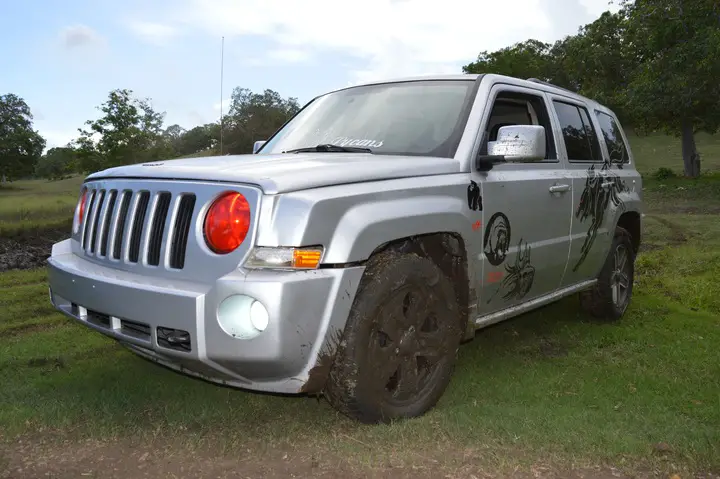
Owner forums, mechanic reports, and even NHTSA complaints frequently highlight a cluster of similar problems appearing across these models. This isn’t just about isolated incidents; it points to fundamental design or component quality issues that permeated production for much of the KJ generation. Consequently, many vehicles from this era are either already facing significant problems or are on the verge of developing them.
Why These Years Stand Out
The 2002-2007 model years often stand out due to a combination of factors. Early production kinks were not fully ironed out, and some crucial components simply weren’t robust enough for the demands placed on them. Key safety recalls for issues like lower ball joint failure, while addressing critical flaws, underscore the severity of some design shortcomings. Furthermore, a lack of significant mechanical improvements during this specific timeframe meant that recurring problems often persisted year after year, affecting a broad range of vehicles within the first generation.
Later second-generation models (KK, 2008-2012) brought a redesign that addressed many of the KJ’s fundamental flaws, making them generally more reliable. However, for those specifically eyeing the older, more affordable first-gen Libertys, the difference in reliability between an early 2000s model and a later one can be substantial.
Common Mechanical and Structural Failures by Model Year
Transmission Troubles: A Recurring Nightmare (2002-2007)
One of the most frequently cited and costly problems in the 2002-2007 Jeep Liberty involves its 42RLE automatic transmission. These units are notorious for premature failure, often appearing well before 100,000 miles. Common symptoms include:
- Harsh or Delayed Shifting: Especially noticeable between first and second gears, or when downshifting.
- Solenoid Block Issues: Internal solenoids can fail, causing erratic shifting or the transmission to go into “limp mode.”
- Overheating: The transmission is prone to running hot, leading to fluid breakdown and accelerated wear of internal components.
- Complete Failure: Often requiring a full rebuild or costly replacement, which can easily exceed the vehicle’s market value.
Prospective buyers of these years should pay extremely close attention to transmission behavior during a test drive, as these issues are widespread and expensive to rectify.
Engine Woes: The Powerplant Predicament (Primarily 3.7L V6)
The ubiquitous 3.7-liter V6 engine, standard in most first-generation Libertys, also has its share of significant issues, particularly in the earlier 2002-2004 models:
- Excessive Oil Consumption: Many owners report unusually high oil usage, often requiring frequent top-offs between oil changes. This can lead to engine damage if not consistently monitored.
- Cylinder Head Problems: Earlier 3.7L V6 engines are known for issues with cylinder head cracking or valve seat dropping, leading to misfires, coolant leaks, and eventually engine failure. This is a very serious and expensive repair.
- Timing Chain Issues: While less common than oil consumption or head issues, some units have experienced premature timing chain wear, resulting in noisy operation or engine damage.
For the less common 2.8L CRD (Common Rail Diesel) engine found in 2005-2006 models, buyers should be aware of potential timing belt failures (which can cause catastrophic engine damage if not replaced on schedule), turbocharger issues, and glow plug module malfunctions.
Suspension and Steering Problems: Feeling Unstable (2002-2007)
The suspension system on early Jeep Libertys is another critical area of concern, particularly with safety implications:
- Lower Ball Joint Failure: This is perhaps the most critical and widely recognized defect. All 2002-2007 models were subject to a major recall due to premature wear and failure of the front lower ball joints. A failed ball joint can cause the wheel to separate from the vehicle while driving, leading to a catastrophic loss of control. Even if recalled parts were replaced, long-term durability can still be a concern.
- Control Arm Bushings & Tie Rod Ends: These components wear out quickly, leading to clunking noises, loose steering, and uneven tire wear.
- Leaky Rack and Pinion: The power steering rack and pinion system is prone to leaks, requiring expensive replacement and making steering feel heavy or inconsistent.
Rust and Structural Integrity (2002-2007)
Rust is a significant enemy for many first-generation Libertys, especially in areas exposed to road salt or high humidity. This isn’t just cosmetic; it can compromise structural integrity:
- Rear Suspension Mounts: Critical frame areas where the rear suspension components attach are highly susceptible to severe rust. This can be a safety hazard, leading to suspension detachment.
- Rocker Panels & Floorboards: Rust often perforates these areas, reducing structural rigidity and potentially allowing exhaust fumes into the cabin.
- Fuel Tank Skid Plates & Crossmembers: These components can also rust through, leading to compromised protection for the fuel tank or weakened chassis.
Thorough inspection for rust, especially on the undercarriage and around suspension mounting points, is non-negotiable for any Liberty from these years.
<h2>Essential Inspection Tips for Prospective Jeep Liberty Buyers</h2>
<p>Even if you’re eyeing a seemingly clean Jeep Liberty, a thorough inspection is non-negotiable. Knowing where to look for potential red flags can save you significant headaches and expenses down the road. Don’t let a shiny paint job distract you from common mechanical weaknesses.</p>
<h3>Power Steering and Suspension Checkpoints</h3>
<p>The Liberty’s suspension and steering components are notorious for wear. When you inspect a vehicle, pay close attention to these areas:</p>
<ul>
<li><strong>Fluid Leaks:</strong> Look under the hood and beneath the vehicle for any signs of power steering fluid leaks, especially around the pump and steering rack. A common symptom is a groaning noise during turns.</li>
<li><strong>Suspension Play:</strong> Test the suspension by pushing down on each corner of the vehicle. It should rebound once or twice, not bounce excessively. Listen for clunking or squeaking noises over bumps during a test drive, which could indicate worn ball joints, control arms, or bushings.</li>
<li><strong>Tire Wear:</strong> Uneven tire wear patterns are a strong indicator of misaligned suspension components or worn steering parts.</li>
</ul>
<h3>Transmission and Engine Vigilance</h3>
<p>The 3.7L V6 engine and 42RLE automatic transmission are central to the Liberty’s performance, but also sources of many reported problems. Be vigilant during your test drive and visual inspection:</p>
<ul>
<li><strong>Transmission Behavior:</strong> During a test drive, pay close attention to how the transmission shifts. Look for delayed engagement, hard shifts, slipping, or any unusual noises. Test it in both drive and reverse, and ensure overdrive engages smoothly.</li>
<li><strong>Engine Health:</strong> Listen for unusual engine noises like ticking, knocking, or excessive valvetrain noise, especially when cold. Check the oil for proper level and color; dark, sludgy oil suggests poor maintenance. Look for signs of coolant leaks, which can point to overheating issues down the line.</li>
</ul>
<h2>Identifying Less Problematic Jeep Liberty Years and Alternatives</h2>
<p>While certain years have a higher incidence of complaints, it doesn’t mean every Liberty is a lemon. Smart buyers can identify models that might offer a more reliable experience, or choose to explore other compact SUV options entirely.</p>
<h3>The ‘Better’ Liberty Years to Consider (with Caution)</h3>
<p>If your heart is set on a Liberty, some model years might present fewer overall headaches, or at least have had more time for common issues to be addressed by previous owners. Generally, later models of both generations saw some minor refinements:</p>
<ul>
<li><strong>Later KJ Models (2006-2007):</strong> While still prone to some of the earlier KJ issues, many of these might have been fixed by diligent owners. Look for well-documented service histories.</li>
<li><strong>KK Generation (2008-2012):</strong> The second generation (KK) introduced a refreshed design and some structural improvements. While still using the 3.7L V6 and 42RLE transmission, some of the very early electrical gremlins of the KJ were less common. They also offered improved crash test ratings. However, suspension and transmission issues can still arise.</li>
</ul>
<p>No matter the year, <em>meticulous service records</em> are your best friend. A Liberty that has been regularly maintained and had known issues proactively addressed will always be a better bet.</p>
<h3>Exploring Viable Alternatives for Reliability</h3>
<p>If the potential risks of the Jeep Liberty outweigh its appeal, numerous other compact SUVs from the same era offer superior reliability and often better fuel economy. Consider these alternatives:</p>
<ul>
<li><strong>Toyota RAV4 (2006-2012):</strong> Consistently praised for its reliability, spacious interior, and efficient engines.</li>
<li><strong>Honda CR-V (2007-2011):</strong> Another top contender for reliability, with comfortable rides and strong resale value.</li>
<li><strong>Ford Escape (2008-2012):</strong> Later models of this generation offered a more refined experience and generally fewer widespread mechanical issues compared to the Liberty.</li>
<li><strong>Nissan Xterra (2005-2015):</strong> If off-road capability is a priority, the Xterra offers robust performance, though it’s a bit more truck-like than the Liberty.</li>
</ul>
<p>These alternatives often come with lower long-term ownership costs due to fewer common failure points.</p>
<h2>Making an Informed Choice</h2>
<p>The Jeep Liberty, particularly its early KJ years, comes with a legacy of common problems ranging from power window regulators to significant transmission and suspension issues. While a compelling option for its compact size and Jeep heritage, buyers must proceed with extreme caution.</p>
<p>Arm yourself with knowledge. Always prioritize models with comprehensive service histories and insist on a pre-purchase inspection by an independent, trusted mechanic. By doing your homework and considering all factors, you can make an informed decision and find a vehicle that genuinely meets your needs without draining your wallet on endless repairs.</p>
❓ Frequently Asked Questions
Detailed FAQ about Jeep Liberty years to avoid?
The first generation (2002-2007) is most often red-flagged for reliability. The 2002-2004 models are particularly notorious for power window regulator failures and front suspension ball joint issues, while later first-gen models (2005-2007) still battle rust and some cooling system problems, making these years generally advisable to avoid.

What specific engine and transmission issues plague the Jeep Liberty?
Early 3.7L V6 engines (pre-2005) can suffer from cracked cylinder heads or valve seat dropping, leading to misfires and loss of compression, which is a costly repair. Automatic transmissions, especially in earlier models, are prone to hard shifting, slipping, or premature failure due to internal component wear or cooling system design.
How significant is the rust problem on Jeep Liberties?
Rust is a major concern, affecting not just body panels but critically, the frame, subframe, and suspension mounting points, particularly in salt-belt regions. This can severely compromise structural integrity and safety, making repairs difficult or even impossible, often leading to a vehicle being totaled.
Are there any electrical problems common in the Jeep Liberty?
Yes, beyond the notorious window regulators failing, some models, especially later ones, can experience issues with the Totally Integrated Power Module (TIPM). This module can cause various electrical gremlins like intermittent lights, fuel pump issues, starter problems, or power accessory malfunctions that are difficult to diagnose.
What should I specifically inspect on a used Jeep Liberty before buying?
Thoroughly check for rust on the frame, rocker panels, floorboards, and suspension components. Operate all power windows multiple times, listen for abnormal engine noises (ticking, knocking), test the transmission for smooth shifts, and inspect suspension components for wear, play, or leaks, especially front ball joints.
Which Jeep Liberty years are considered safer bets, if any?
While no Liberty is entirely problem-free, the later years of the second generation (2009-2012) are generally considered less problematic than the initial first-generation models, having addressed some earlier design flaws. However, diligent inspection for wear and tear, and a comprehensive pre-purchase inspection by a trusted mechanic, remains critical for any used Liberty purchase.