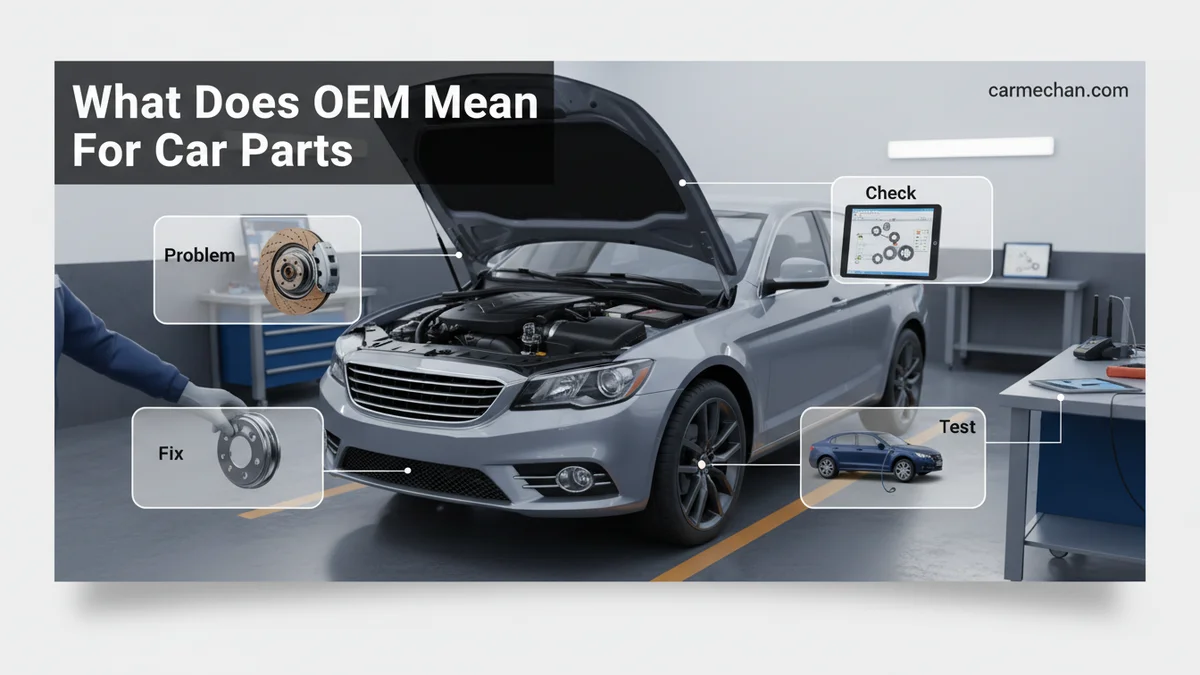
What Does OEM Mean for Car Parts 2026 Expert Guide
Last Updated on September 1, 2026 by Albert Duke
OEM stands for Original Equipment Manufacturer, signifying car parts made by the same company that originally supplied the parts for your vehicle’s assembly line.
These parts are identical to those found in your new car, offering guaranteed fit, function, and quality, though often at a higher price than aftermarket options.
The term “what does OEM mean for car parts” often appears when vehicles need repairs or maintenance. Understanding this acronym is vital for any car owner. It clarifies what kind of replacement component you are considering for your vehicle. OEM parts are identical to those installed when your car was first manufactured, offering reliable quality and fit.
These components ensure that your vehicle maintains its factory specifications. Choosing them can guarantee proper function and long-term durability. We will clarify OEM’s exact meaning and its significance for your vehicle in the following section.
Key Takeaways


- OEM parts are identical to factory-installed components.
- Quality and fit are guaranteed with OEM parts.
- OEM components usually cost more than aftermarket choices.
- Genuine parts are OEM items branded by the car maker.
- Part criticality and budget influence OEM selection.
What Exactly Does OEM Signify for Car Parts?


Original Equipment Manufacturer, or OEM, refers to a company that produces parts and equipment for another company to sell under its own brand. For car parts, this means the components are made by the same factories that supplied parts for your vehicle’s original assembly. This designation brings specific assurances about quality and compatibility.
Decoding the Acronym
OEM stands for Original Equipment Manufacturer. When you see this label on a car part, it indicates that the part was produced by the exact same company. This company supplied the original components to the vehicle manufacturer. It is not necessarily made by the car brand itself.
For example, a car brand like Toyota might source its brake pads from a company like Akebono. If you buy an Akebono brake pad, it’s an OEM part. This ensures the part meets Toyota’s original specifications.
Factory Standard Quality
OEM parts are manufactured to the precise specifications and quality standards set by the car manufacturer. They are engineered to fit perfectly and function seamlessly with your specific make and model. This consistency minimizes installation issues and performance discrepancies. [External Link: national_automotive_parts_association_quality_standards].
This adherence to original standards provides confidence in the part’s reliability. It helps maintain the vehicle’s integrity and performance over time. You are essentially replacing a component with an identical one.
Supply Chain Relationships
The relationship between the OEM supplier and the vehicle manufacturer is foundational. These suppliers design and produce parts specifically for car assembly lines. They often work closely with car engineers during vehicle development. This ensures components integrate perfectly.
This close collaboration means OEM parts benefit from rigorous testing and validation processes. These processes guarantee they meet stringent performance and safety criteria. Understanding this foundational meaning helps clarify why many prioritize OEM parts for their vehicles.
Why Are OEM Car Parts Often Preferred?
Car owners often prefer OEM car parts due to several compelling advantages centered around reliability and performance. These benefits often outweigh the higher cost for many drivers. They seek peace of mind and long-term vehicle health.
Assured Quality Standards
OEM parts come with an inherent promise of quality. They are manufactured using the same materials and processes as the original parts. This guarantees they will perform exactly as the vehicle manufacturer intended. Their consistent quality minimizes the risk of early failure or malfunctions.
This assurance helps prevent future repair costs and unexpected breakdowns. It supports your vehicle’s overall longevity and safety. Choosing OEM means choosing a known quantity in terms of durability.
Perfect Fitment Guaranteed
One of the most significant advantages of OEM parts is their perfect fit. They are designed to match your vehicle’s specifications precisely. This eliminates guesswork during installation. It also reduces potential compatibility issues. [Internal Link: finding_right_car_parts].
This exact fitment prevents problems like vibrations, premature wear on surrounding components, or improper sealing. It ensures the replacement part integrates seamlessly into the existing system. The perfect fit saves time and labor during repairs.
Warranty Protection Benefits
Many OEM parts come with a warranty from the vehicle manufacturer or the OEM supplier. This warranty provides an added layer of protection. It covers defects in materials or workmanship. . This can be a crucial factor for significant repairs.
This warranty offers peace of mind. It assures you that your investment is protected against unforeseen issues. It provides confidence in the quality of the component you are installing. While OEM offers clear benefits, a clearer picture emerges when comparing them to other part types available on the market.
OEM vs Aftermarket vs Genuine Parts Which Is Best?

Navigating the car parts market means understanding the distinct categories beyond just OEM options. These include aftermarket and genuine parts. Each type offers different compromises in terms of cost, quality, and availability. Making an informed decision requires knowing these differences.
Aftermarket Components Defined
Aftermarket parts are manufactured by companies other than the original equipment supplier or the car manufacturer. These companies often specialize in specific types of parts. They can produce components for a wide range of vehicle makes and models. .
Aftermarket options vary widely in quality and price. Some can match or even exceed OEM quality. Others might offer a more budget-friendly alternative with varying levels of reliability. Always research aftermarket brands carefully.
Genuine Parts Clarified
Genuine parts are, in essence, OEM parts that have been packaged and branded by the vehicle manufacturer. For example, a brake pad made by Akebono (the OEM) might be sold in an Akebono box as an OEM part. The exact same brake pad could also be sold in a Toyota box at a dealership. In the Toyota box, it would be considered a “Genuine Toyota Part.”
Genuine parts often carry the highest price tag. This reflects the branding, dealership support, and manufacturer warranty. They offer the exact same quality and fit as OEM parts.
Key Differences Summarized
The table below summarizes the core distinctions between these three primary categories. This overview helps highlight their unique characteristics. Consider these factors when making your purchasing decision.
| Feature | OEM (Original Equipment Manufacturer) | Aftermarket | Genuine Parts |
|---|---|---|---|
| Manufacturer | Original supplier to carmaker | Independent company | OEM part, branded by carmaker |
| Quality & Fit | Identical to original, guaranteed | Varies widely (can be equal, better, or worse) | Identical to original, guaranteed |
| Cost | Generally higher than aftermarket, lower than genuine | Lowest to mid-range, significant savings possible | Highest cost, premium pricing |
| Warranty | Often from OEM supplier or carmaker | Typically from aftermarket manufacturer | Full carmaker warranty |
| Availability | Often available through various distributors | Widest range of options and sources | Primarily through dealerships |
Knowing these distinctions sets the stage for making informed decisions about when to opt for OEM parts versus other alternatives.
When to Select OEM Car Parts for Your Vehicle?
Deciding when to use OEM car parts involves weighing various factors related to your vehicle’s health and your financial situation. There are specific scenarios where the benefits of OEM significantly outweigh the potential cost savings of alternatives. This guidance empowers you to make choices tailored to your needs.
Critical System Decisions
For components crucial to your vehicle’s safety and core operation, OEM parts are almost always the best choice. This includes parts of the braking system, steering, suspension, and essential engine components. Malfunctions in these areas can have severe consequences. [Internal Link: understanding_brake_systems].
Using OEM ensures these critical systems perform exactly as designed. It maintains the vehicle’s factory safety ratings and handling characteristics. Compromising on these parts is rarely advisable for overall safety.
Newer Vehicle Considerations
If your vehicle is relatively new, especially if it’s still under warranty, choosing OEM parts is often recommended. Using non-OEM parts for repairs might complicate warranty claims if a subsequent issue arises. The vehicle manufacturer can argue the aftermarket part contributed to the problem.
Additionally, OEM parts help maintain your vehicle’s resale value. Potential buyers in 2026 often prefer vehicles with a service history that includes genuine or OEM components. This indicates consistent maintenance with high-quality parts.
Long Term Value
Investing in OEM parts can contribute to your vehicle’s long-term reliability and value. While the initial cost may be higher, their proven durability can lead to fewer repairs over the vehicle’s lifespan. This can result in overall cost savings down the road. .
OEM parts help prevent unforeseen issues caused by inferior alternatives. This contributes to better performance and a more dependable driving experience. They preserve the original engineering of your car. Once you’ve decided OEM is the way to go, knowing how to confidently identify these parts becomes crucial.
How Do You Identify True OEM Car Parts?
Ensuring you receive authentic OEM car parts requires careful attention to detail and knowledge of what to look for. Counterfeit or mislabeled parts can lead to performance issues and safety risks. Protecting your investment means being vigilant during the purchasing process.
Manufacturer Branding Checks
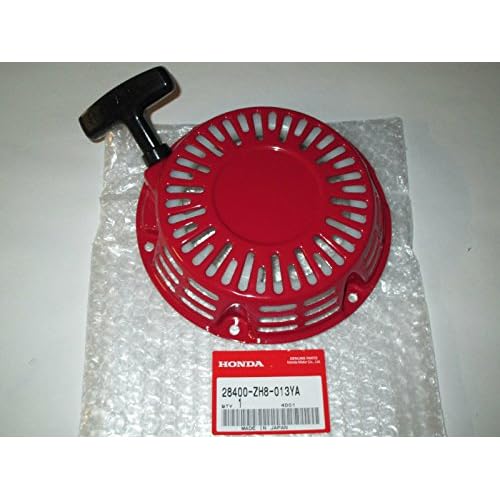
Genuine OEM parts almost always feature the original equipment manufacturer’s logo and part number. This is distinct from the car brand’s logo. For example, a Bosch fuel pump for a Mercedes-Benz will have Bosch’s logo and part number. It might not necessarily display the Mercedes-Benz star.
Always cross-reference the part number with your vehicle’s specifications or repair manual. Subtle differences in branding or numbering can indicate a non-OEM product. This attention to detail safeguards your purchase.
Packaging Details Examined
Authentic OEM parts typically arrive in branded packaging from the OEM supplier. This packaging often includes specific labels, barcodes, and sometimes holographic seals. Inspect the packaging for signs of tampering or generic branding. . Poor quality printing or misspelled words are red flags.
The packaging itself can be a strong indicator of legitimacy. High-quality packaging suggests an authentic product. Generic or flimsy packaging should raise suspicion.
Dealer Verification Steps
The most reliable way to ensure you are buying true OEM parts is to purchase them from authorized dealerships. You can also buy from reputable, authorized parts distributors. These channels source directly from the OEM suppliers. They guarantee authenticity.
Always ask for proof of purchase and part numbers. Do this even when buying from trusted sources. Reputable sellers will readily provide this information. This transparency builds confidence in your purchase. Having explored the world of OEM parts, let us answer some frequently asked questions to solidify your understanding.
5 Common Questions About OEM Car Parts
Are OEM Parts Always Better Than Aftermarket Parts?
Not always. OEM parts guarantee identical quality and fit to original components. Aftermarket parts can sometimes offer comparable quality or even improvements for specific applications, often at a lower price. The “better” choice often depends on the specific part, your budget, and the part’s criticality to vehicle safety or performance.
What Is the Difference Between OEM and Genuine Car Parts?
OEM parts are made by the same manufacturer that supplied the original parts to the carmaker. Genuine parts are simply OEM parts packaged and sold by the car manufacturer itself, often with their branding. Essentially, all genuine parts are OEM, but not all OEM parts are sold as “genuine” by the car brand directly.
Can Using Aftermarket Parts Void My Car’s Warranty?
Generally, no, unless the aftermarket part directly causes a failure. The Magnuson-Moss Warranty Act prevents manufacturers from voiding warranties simply for using non-OEM parts. However, if a defect in an aftermarket part directly leads to vehicle damage, then the aftermarket part’s manufacturer, not your car’s warranty, would be responsible.
Are OEM Parts More Expensive Than Aftermarket Options?
Typically, yes. OEM parts often carry a premium price compared to their aftermarket counterparts. This higher cost reflects the guaranteed fit, identical quality, and often the brand reputation associated with being the original component. Aftermarket parts offer a range of price points depending on their quality and brand.
How Can I Be Sure a Part Is Truly OEM?
To ensure a part is truly OEM, purchase it from authorized dealerships or reputable parts distributors. Look for specific manufacturer branding, part numbers that match your vehicle’s specifications, and original packaging. If buying online, verify the seller’s reputation and return policy carefully.
How to Choose Your Car Parts Wisely in 2026
Understanding what does OEM mean for car parts empowers you to make smarter decisions for your vehicle. Whether prioritizing guaranteed quality, considering cost, or balancing both, your choice significantly impacts your car’s performance and longevity. For critical components and newer vehicles, OEM often remains the gold standard. It ensures peace of mind and preserves value.
However, for less critical repairs, quality aftermarket parts can offer a viable, cost-effective solution. Always weigh the benefits and drawbacks of each option against your specific needs and budget. By staying informed and choosing reputable suppliers, you can keep your vehicle running safely and efficiently well into 2026 and beyond.