Chevy Traverse Years to Avoid: Unreliable Models & Issues
Last Updated on September 1, 2026 by Ryan
Certain first-generation Chevy Traverse models (2009-2012) and early second-generation models (like 2018) are frequently cited for significant issues. These years often suffer from common problems including premature timing chain wear, transmission failures, and steering system defects. Understanding these specific reliability concerns can help prospective buyers make an informed decision and avoid costly repairs.
🎯 Key Takeaways
Recommended Best Deal Products

- Avoid 2009-2012 Traverse for major engine/transmission issues.
- Exercise caution with the 2018 model’s early transmission woes.
- Always get a pre-purchase inspection from a trusted mechanic.
- Research specific year recalls and technical service bulletins.
- Look for 2013-2017 or 2019+ for generally better reliability.
When searching for a used Reliability Ratings by J.D. Power”>Traverse/” target=”_blank” rel=”noopener noreferrer” title=”Chevrolet Traverse Common Problems and Complaints by Year”>Chevrolet Traverse, knowing which model years to avoid is critical for your budget and peace of mind. Certain Traverse generations and specific production years have earned a reputation for significant, costly mechanical and electrical problems that can quickly turn a good deal into an expensive nightmare. You don’t want to inadvertently purchase a vehicle known for chronic engine failure or transmission woes, so understanding these pitfalls upfront is essential to making a smart buying decision.
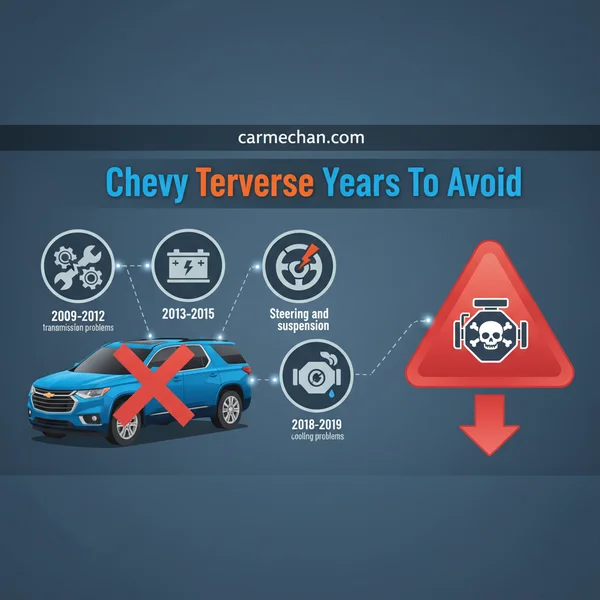
This post will directly address the most problematic Chevy Traverse years. We’ll outline exactly which models to steer clear of and detail the major, recurring issues that plague them. Your hard-earned money deserves a reliable vehicle, and identifying these problematic years can save you thousands in potential repair costs and unexpected breakdowns. Don’t buy a Traverse without knowing this crucial information.
Identifying the Most Problematic Chevy Traverse Years
If you’re in the market for a used Chevrolet Traverse, you should exercise extreme caution with the first generation, particularly models produced between 2009 and 2014. These years are consistently flagged by automotive experts and consumer reports for widespread, severe reliability issues. While the first generation officially ran until 2017, the earliest years are by far the most problematic.
First-Generation Trouble: 2009-2014 Models
The 2009-2014 Traverse models stand out as the primary years to avoid. These vehicles frequently suffer from critical failures that can lead to significant repair bills or even deem the car irreparable. The commonality of these problems makes these specific years particularly risky used car purchases.
- 2009-2010 Traverse: Widely considered among the worst for engine and transmission defects right from the start.
- 2011-2012 Traverse: Saw some improvements but still plagued by persistent issues, especially regarding the 3.6L V6 engine and its associated components.
- 2013-2014 Traverse: Despite mid-cycle refreshes, many underlying mechanical problems from earlier years, particularly with the transmission, carried over, impacting long-term reliability.
While second-generation models (2018-present) generally offer improved reliability, even some early second-gen years like 2018 had their share of complaints, though not nearly as severe or widespread as their predecessors. Your focus should be on avoiding the initial first-generation production years to prevent inheriting major mechanical headaches.
Common Issues and Their Impact: Engine, Transmission, and Steering
Recommended Best Deal Products


The core reasons to avoid specific Traverse years revolve around significant failures in major powertrain and steering components. These aren’t minor nuisances; they are problems that can cripple the vehicle and drain your wallet.
Engine Woes: Timing Chain & Oil Consumption
The 3.6L V6 engine, prevalent in the problematic first-generation models, is notorious for two critical issues: premature timing chain stretch and excessive oil consumption. The timing chain issue, often manifesting as a “check engine” light and reduced engine performance, can lead to catastrophic engine damage if not addressed. Chevrolet issued several technical service bulletins (TSBs) regarding the timing chain stretch, but it remained a persistent problem due to design flaws.
- Timing Chain Stretch: Symptoms include rough idling, misfires, reduced power, and eventually a rattling noise from the engine. Repairs typically involve removing the engine and replacing the timing chain, tensioners, and guides.
- Excessive Oil Consumption: Many owners report needing to add oil frequently between scheduled oil changes, indicating internal engine wear or design flaws. Ignoring this can lead to low oil pressure, further engine damage, and premature failure.
- Repair Cost: Engine-related repairs, particularly timing chain replacement, are incredibly expensive, often ranging from $2,000 to $5,000, and sometimes even more if engine damage has occurred, potentially leading to engine replacement costs exceeding $6,000.
Transmission Failures: Hard Shifts & Slipping
The 6T75 automatic transmission used in the early Traverse models is another significant Achilles’ heel. Owners commonly report harsh shifting, delayed engagement, slipping gears, and complete transmission failure. This often occurs at relatively low mileage, indicating a fundamental flaw in the transmission’s design or manufacturing.
- Symptoms: You might experience a noticeable jerk or harshness when shifting gears, especially from first to second, or a feeling of the transmission “slipping” as if it’s struggling to engage. Some vehicles also exhibit whining noises.
- Commonality: This issue is extremely widespread across the 2009-2014 models, leading to numerous complaints filed with the NHTSA and in consumer forums.
- Repair Cost: Repairing or rebuilding a faulty 6T75 transmission is a major undertaking, typically costing between $3,000 and $5,000. A full replacement can easily exceed $5,000, making it a deal-breaker for many owners of older models.
Steering System Problems: Power Steering Pump & Rack
Beyond the powertrain, steering system issues are also prevalent in the earlier Traverse years, posing both a financial burden and a safety concern. Failures typically involve the power steering pump or the entire steering rack and pinion assembly.
- Power Steering Pump Failure: This results in a sudden loss of power assist, making the vehicle much harder to steer, especially at low speeds. You might also hear a whining or groaning noise when turning the wheel.
- Steering Rack Issues: Problems with the steering rack can cause clunking noises, excessive play in the steering wheel, or even a complete loss of steering control.
- Repair Costs: Replacing a power steering pump can cost $500-$1,000, while a new steering rack and pinion assembly can run $1,000-$2,000 or more, depending on parts and labor. These are not minor repairs and directly impact your safety.
What to Look For When Buying a Used Traverse from Potentially Bad Years
Even if you’re eyeing a Traverse from the less-than-stellar years (like 2009-2014, or even the early models of the second generation like 2018), a thorough inspection can help you avoid major headaches. Knowing the common pitfalls is your first line of defense.

Transmission & Engine Health Checks
The transmission is a major weak point in many problematic Traverse years. When test driving, pay close attention to how it shifts. Is it smooth, or do you feel jerking, slipping, or delayed engagement, especially when shifting between gears or accelerating? Listen for any unusual whining or clunking noises. For the engine, the timing chain issue is critical. Listen for rattling or ticking noises, particularly on startup or under acceleration, which could indicate a worn timing chain. Check for any illuminated “Check Engine” light, which could signal a host of underlying problems that need professional diagnostics. A pre-purchase inspection by a trusted mechanic who specializes in GM vehicles is highly recommended.
- Transmission: Test drive thoroughly; watch for delayed shifts, slipping, jerking.
- Engine Noises: Listen for rattles, ticks (timing chain), especially on cold start.
- Fluid Leaks: Check under the vehicle for any signs of transmission fluid (reddish) or oil leaks.
- Check Engine Light: If on, get codes pulled immediately.
HVAC & Power Steering System Inspection
Beyond the powertrain, other systems can also cause significant grief. The air conditioning system in many older Traverses is notorious for failing. During your test drive, ensure both the AC and heating work efficiently and consistently on all settings. Check for strange smells or weak airflow. Power steering pump failures were also common. Pay attention to how the steering feels – is it smooth and responsive, or is it stiff, noisy, or does it feel like it’s struggling, especially at low speeds? Any squealing or groaning during turns could indicate a problem.
- AC/Heating: Test thoroughly on all settings; ensure cold air is cold, hot air is hot.
- Steering Feel: Look for stiff steering, groaning noises when turning.
- Warning Lights: Any illuminated power steering or battery light could indicate an issue.
- Service Records: Always ask for maintenance history, especially for these common problem areas.
Recommended Chevy Traverse Years and Reliable Alternatives
Recommended Best Deal Products


While some Traverse models carry a heavier baggage of problems, not all are bad. If you’re set on a Traverse, newer models have largely addressed many of the earlier generation’s woes. However, if reliability is paramount, some alternatives might offer greater peace of mind.
Top Chevy Traverse Years to Consider
For those interested in a Traverse, the 2017 model year stands out as the last of the first generation, having ironed out most of the kinks from its predecessors. It benefits from years of refinements. If your budget allows, the 2020 and newer models of the second generation are generally considered more reliable and refined. They often feature updated powertrains (like the 9-speed automatic transmission) and improved interior quality, making them a much safer bet. These later models have fewer reported issues with the major components that plagued the earlier generations, offering a more dependable ownership experience.
- 2017 Traverse: Last of the first generation, benefiting from extensive refinements.
- 2020+ Traverse: Generally more reliable, updated powertrains, fewer major issues reported.
- Why these years? They represent a sweet spot of improved engineering and reduced common complaints.
Reliable Alternatives in the Mid-Size SUV Segment
If you’re looking for similar family-friendly space and features but prioritize top-tier reliability, several competitors offer compelling alternatives. The Honda Pilot and Toyota Highlander are perennial favorites, known for their strong resale value and legendary dependability. Both offer comfortable rides, spacious interiors, and robust V6 engines. For a slightly different flavor, the Kia Telluride and Hyundai Palisade have quickly gained reputations for their upscale interiors, extensive features, and solid reliability ratings, often at a competitive price point. These alternatives generally have lower instances of major mechanical failures compared to the more troubled Traverse years.
- Honda Pilot: Strong reliability, spacious, good family hauler.
- Toyota Highlander: Excellent resale value, renowned for longevity.
- Kia Telluride / Hyundai Palisade: Modern, feature-rich, impressive reliability, great value.
Conclusion
Choosing a used Chevy Traverse requires careful consideration, especially given the known issues with specific model years. While the 2009-2014 and 2018 models present higher risks due to prevalent transmission, timing chain, and other costly problems, newer models like the 2017 and 2020+ have significantly improved their reliability. Always conduct a thorough pre-purchase inspection by an independent mechanic. Don’t rush your decision. By being informed and proactive, you can either find a reliable Traverse or opt for a proven alternative, ensuring your family’s ride is both safe and enjoyable for years to come.
❓ Frequently Asked Questions
What makes the 2009-2012 Chevy Traverse models particularly unreliable?
These first-generation models are notorious for premature timing chain stretch due to oil degradation issues, leading to expensive engine repairs. Additionally, their 6T75 automatic transmissions often experienced early failure, requiring costly replacements or rebuilds, making them high-risk buys.
What specific transmission problems are reported in the 2018 Traverse, and how severe are they?
The 2018 Traverse, featuring a new 9-speed transmission, saw numerous complaints about harsh shifting, shuddering, and complete failure, often at low mileage. While some issues were addressed by software updates, many owners faced expensive transmission replacements, impacting its perceived reliability.
Are there any warning signs I should look for when inspecting a used Traverse from problematic years?
When inspecting a used Traverse, listen for engine rattles, especially on startup, which could indicate timing chain issues. Also, test drive for harsh shifts, delayed engagement, or any warning lights related to the transmission or power steering, as these are common failure points.
How expensive are the common repairs for the problematic Traverse years?
Repairs for timing chain replacement can cost upwards of $2,000-$3,000, while transmission replacements can easily range from $3,500 to $5,000 or more, depending on the mechanic and parts. Power steering pump failures are less costly but still significant, typically $500-$1,000.
Beyond mechanical issues, are there electrical or other common problems to be aware of?
Beyond major mechanical issues, owners of early Traverse models have also reported common electrical gremlins, such as issues with the HVAC system, radio, and power window motors. While often less catastrophic, these can be frustrating and contribute to overall ownership dissatisfaction.
Which Chevy Traverse model years are generally considered the safest and most reliable choices?
The mid-first generation (2013-2017) Traverse models are often cited as having improved reliability compared to their predecessors, benefiting from refined powertrains. For second-generation options, the 2019 and newer models have largely resolved the initial transmission woes of the 2018 model, making them more dependable choices.