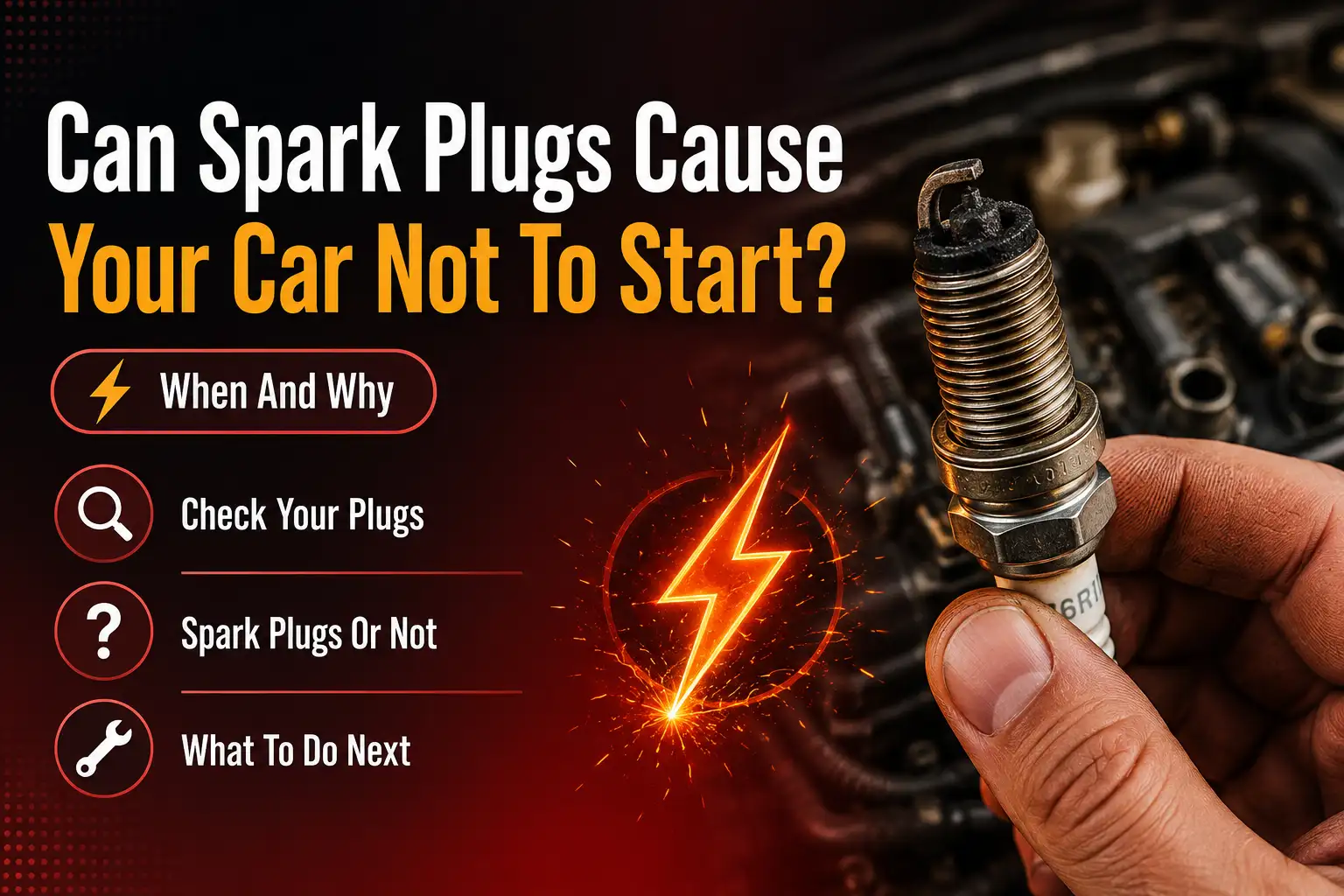
Can Spark Plugs Cause a Car Not to Start? When and Why
Last Updated on September 1, 2026 by Albert Duke
Usually not, if it’s just one spark plug on a modern multi-cylinder engine, but yes, spark plugs absolutely can cause a complete no-start under specific conditions. A single fouled or worn plug typically makes an engine run rough rather than refuse to start entirely, since the other cylinders keep firing.

Prime for Young Adults — 6 Months Free
Students and 18–24s get six months of Prime free, then half price.
Start 6 Months FreeThe real no-start cases involve either all the plugs failing at once, a small engine with fewer cylinders to compensate, or a bad plug causing a secondary problem like fuel flooding or a shorted ignition coil. Here’s how to tell which situation you’re actually dealing with, and how to rule spark plugs in or out before spending money on parts you might not need.
Why One Bad Spark Plug Usually Isn’t Enough
Recommended Best Deal Products


Most modern cars have four, six, or eight cylinders, each with its own spark plug firing independently. When one plug fouls or wears out, that single cylinder stops contributing power, but the remaining healthy cylinders can still fire and keep the engine running, just less smoothly.
AutoZone’s technical guidance on this exact question confirms that the more cylinders an engine has, the easier it is to start the car with one bad plug, since the ignition cycles in the other cylinders keep the engine turning over and running. This is why a rough idle or a check engine light is the far more common result of a single bad plug than a car that won’t start at all.
If your car cranks, catches, and runs rough rather than refusing to start entirely, one weak spark plug is a reasonable suspect. A true no-start points toward something more systemic, which is exactly what the next section breaks down.
When Spark Plugs Actually Do Prevent Starting
- All or most plugs are fouled or failed: Without enough working cylinders to overcome the ones that aren’t firing, the engine may not generate enough combined power to start.
- Small engines with fewer cylinders: A 3 or 4 cylinder engine has less redundancy, so a single bad plug carries more weight toward preventing a start, especially combined with weak compression.
- Extreme cold: Cold weather already makes starting harder by thickening oil and reducing battery output, and a spark plug that’s already borderline can tip the balance to a full no-start.
- Fuel flooding from a strong misfire: A badly misfiring plug can dump unburned fuel into the cylinder repeatedly, flooding it and preventing ignition until the excess fuel clears. This is a separate mechanism from a weak spark itself, since the flooding problem persists even after the initial misfire.
- A shorted plug damaging the ignition system: If a failed plug short-circuits to the coil pack or another ignition component, it can cause broader ignition system failure well beyond that one cylinder. A repair resource on starting problems notes that while bad spark plugs are a common reason for starting trouble, they aren’t the only possible cause, and a weak battery, failing ignition coil, faulty fuel injectors, or clogged air filter can also contribute to hard starts, which underscores why a proper diagnosis matters before assuming plugs are the culprit.
Each of these scenarios goes beyond “one plug is a little worn,” which is the key distinction most searches on this topic miss.
Signs It’s Spark Plugs Versus Something Else
Recommended Best Deal Products


The engine’s behavior when you turn the key tells you a lot before you ever pop the hood. If the engine cranks normally, meaning you hear it turning over at a steady speed, but never catches or fires up, that points more toward a fuel or ignition problem, which includes spark plugs, than a dead battery or bad starter.
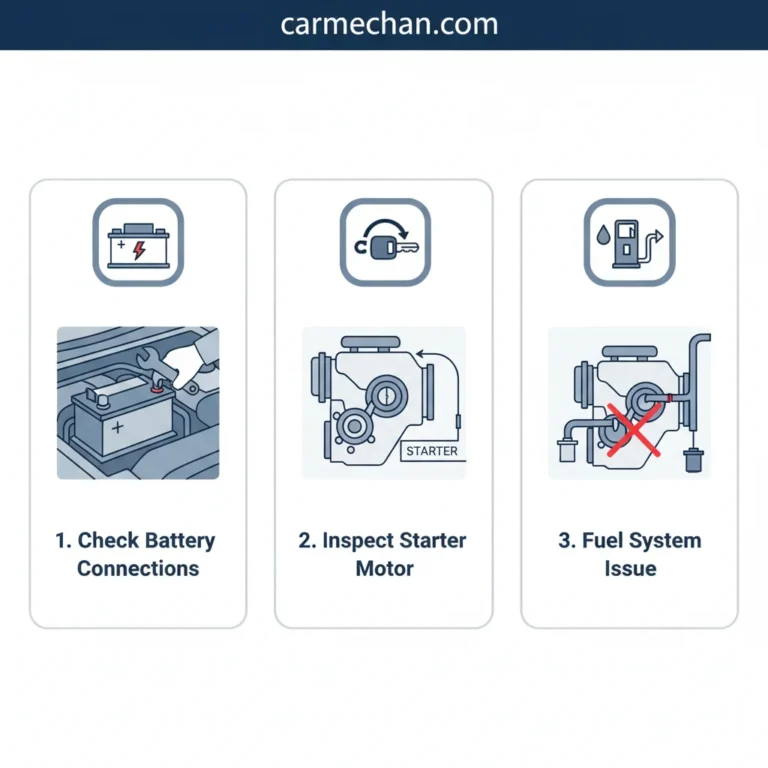
A weak battery or failing starter usually sounds different: slow, labored cranking, a single click with no crank at all, or complete silence when you turn the key. If your car cranks strong but simply won’t fire, and you’ve noticed rough idling or misfires in the days before it quit starting entirely, spark plugs move up the suspect list. Our troubleshooting guide on a car that won’t start even with a good battery walks through this exact “cranks but won’t start” scenario in more depth.
Other common no-start causes worth ruling out include a clogged fuel filter, a failing ignition coil, a dead fuel pump, or a bad crank or cam sensor, all of which can produce a similar cranks-but-won’t-start symptom independent of spark plug condition. If your battery indicator looks fine but the car still won’t start, our guide on a car that won’t start despite a green battery indicator covers that specific scenario in more depth.

Audible — Listen Free for 30 Days
One free credit a month and thousands of titles included.
Listen Free for 30 DaysHow To Check If Spark Plugs Are The Problem
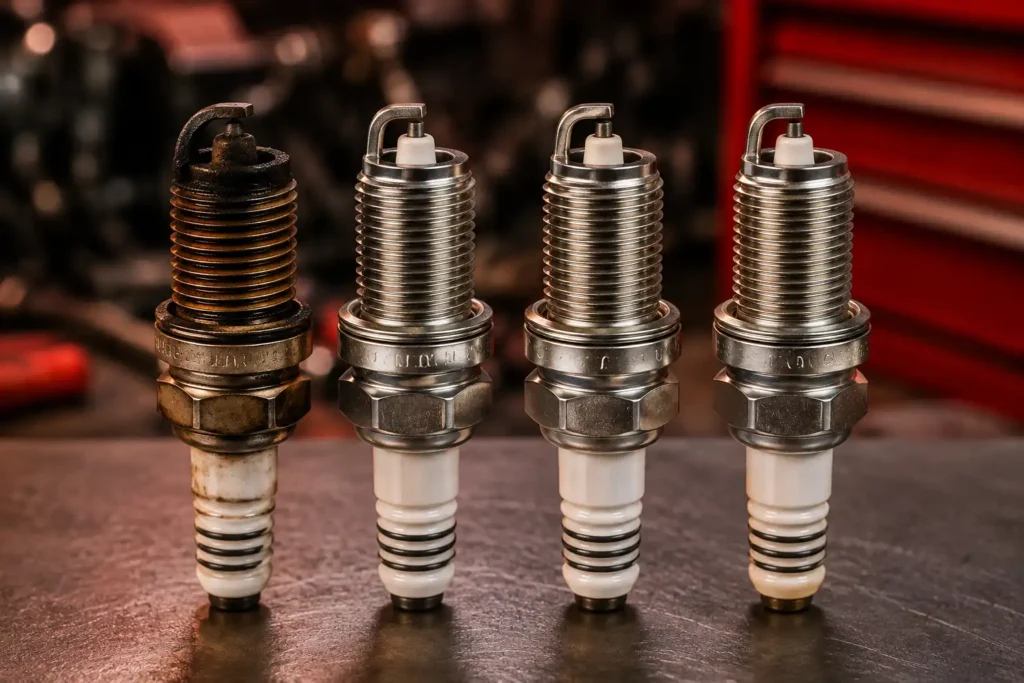
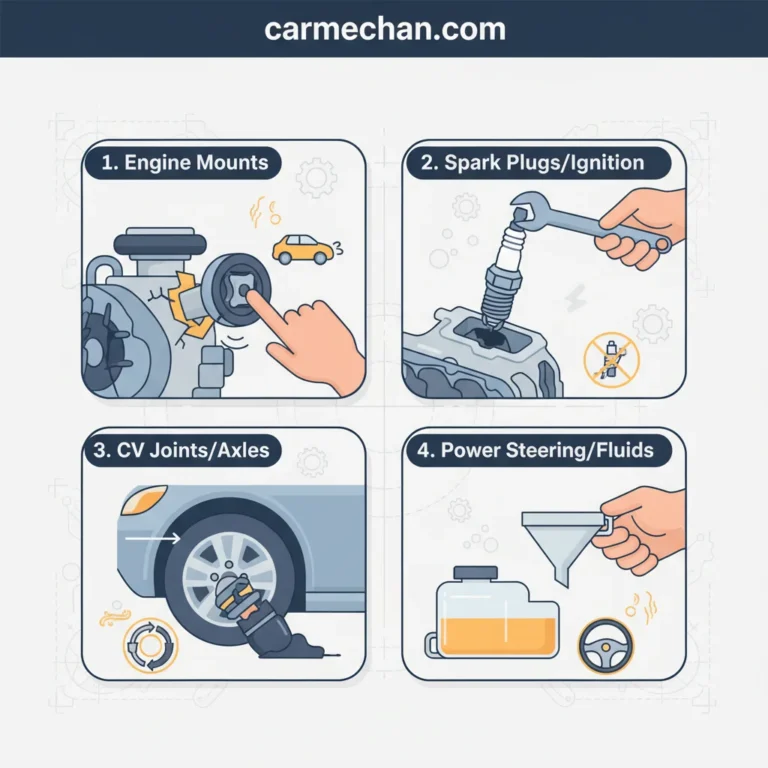
- Pull one spark plug using a spark plug socket and inspect it visually for heavy carbon fouling, oil residue, a cracked insulator, or a badly worn electrode.
- Compare that plug to another from a different cylinder if the engine will crank enough to access more than one, looking for consistency or one obvious outlier among the set.
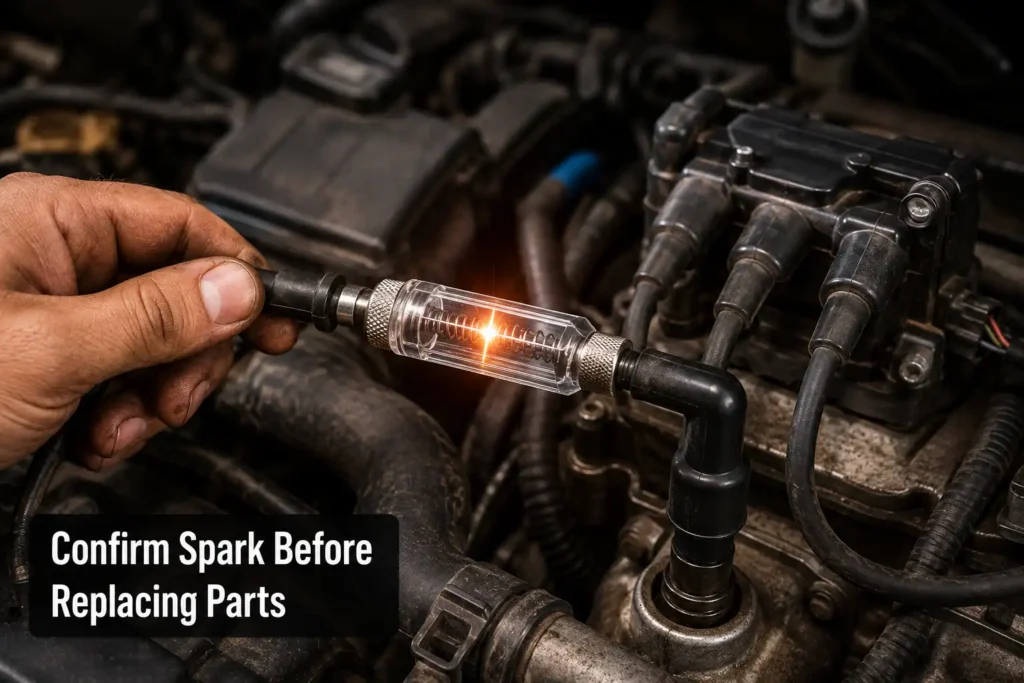
- Use an inline spark tester, connected between the plug and the ignition wire or coil, to confirm whether a strong, consistent spark is actually present during cranking.
- Listen to the cranking pattern itself. Smooth, even cranking with no catch suggests spark or fuel delivery, while irregular, chugging attempts to start can point toward a misfire-driven flooding issue.
- If everything looks clean and sparks properly, shift your attention to fuel delivery, the ignition coil, or the starting system rather than continuing to suspect the plugs.
When To Replace Spark Plugs
Recommended Best Deal Products


Most manufacturers recommend spark plug replacement around every 30,000 miles, though the exact interval varies by plug material and your specific vehicle’s manual. Iridium and platinum plugs typically last longer than standard copper plugs, sometimes stretching to 60,000 or even 100,000 mile intervals depending on the manufacturer’s design.
Even if only one plug looks visibly worse than the others, replace the full set together. Plugs installed at the same time wear at similar rates, and replacing them as a set avoids repeating the labor for a second plug failure a few months later, which often costs more in the long run than doing all of them once.
Spark Plug No-Start Quick Diagnostic
| Symptom | Likely Spark Plugs | Likely Something Else |
|---|---|---|
| Cranks normally, never fires | Yes | – |
| Slow, labored cranking | – | Yes, weak battery |
| Single click, no crank at all | – | Yes, starter or battery |
| Rough idle in days before no-start | Yes | – |
| Chugging, repeated failed catch attempts | Yes, possible flooding | – |
Spark Plug No-Start FAQ
Will the check engine light come on for bad spark plugs?
Often, yes. A misfiring cylinder caused by a bad spark plug commonly triggers a check engine light with a misfire-related code before the problem ever escalates to a full no-start condition, which is a useful early warning most drivers get before things get worse, provided they don’t ignore the light once it appears.
Can cold weather make spark plug problems worse?
Yes. Cold weather already demands more from the ignition system and battery, and a spark plug that was marginal in mild weather can fail to produce enough spark once temperatures drop significantly, tipping a rough-running engine into a genuine no-start on a cold morning.
How much does it cost to replace spark plugs?
Costs vary by plug type and vehicle, generally ranging from a modest DIY parts cost for standard copper plugs to more for iridium or platinum plugs, plus labor if a shop handles it, since some engines have easier plug access than others and can significantly affect the labor time involved.
Can a car crank but not start because of spark plugs?
Yes, this is actually the classic spark-plug-related no-start pattern. The engine turns over normally since the starter and battery are doing their job, but without enough working cylinders producing spark, it never catches and runs on its own, leaving you with a car that sounds like it’s trying but never quite fires up.
Should I replace spark plugs myself or have a mechanic do it?
Many spark plug replacements are a reasonable DIY job with basic tools on engines with easy access. Engines where the plugs sit deep under the intake manifold or other components, common on some V6 and V8 layouts, are often easier to leave to a shop given the extra disassembly involved and the risk of damaging surrounding parts.
A single worn spark plug rarely stops a modern multi-cylinder engine from starting outright, it just runs rough. A true no-start tied to spark plugs usually means multiple plugs have failed, the engine has fewer cylinders to begin with, or a bad plug has caused a secondary problem like flooding or ignition system damage. If your car isn’t cranking at all, rule out the battery and starter first, since that’s a different problem entirely from anything spark plugs can cause, and chasing the wrong system wastes both time and money.