Why Car Insurance is Essential: Legal & Financial Protection
Car insurance is primarily a legal requirement in most places, but more importantly, it offers crucial financial protection against the potentially devastating costs of accidents, injuries, and property damage. It safeguards your personal assets, provides peace of mind, and ensures you can meet your obligations if you’re at fault.
🎯 Key Takeaways


- Comply with state laws requiring minimum coverage.
- Protect your finances from costly accident expenses.
- Shield personal assets from liability claims.
- Gain peace of mind on the road.
- Avoid severe legal penalties for driving uninsured.
Car insurance is not just a regulatory hurdle; it is a critical safety net protecting your finances and ensuring legal compliance whenever you drive. It acts as an essential barrier between you and the potentially devastating costs of accidents, theft, or other unforeseen road incidents.
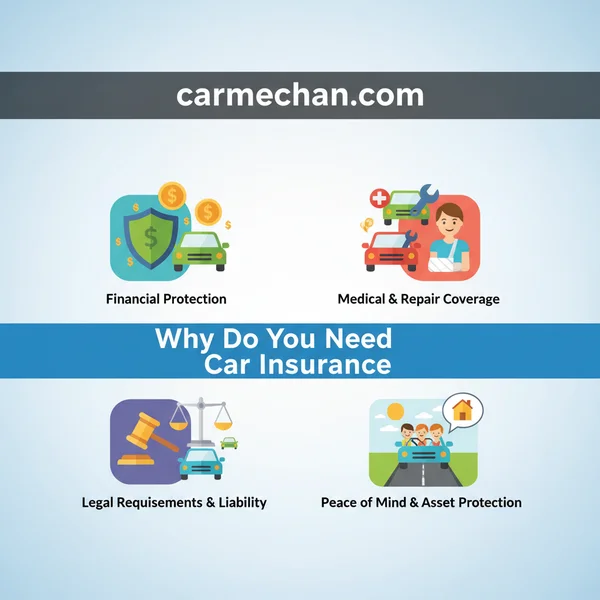
Understanding its necessity goes beyond checking a box. It’s about safeguarding your future and assets from financial ruin, while also fulfilling your responsibility as a driver. This protection extends to medical bills, property damage, and legal fees that can arise from even minor collisions.
The Mandate: Legal Requirements for Car Insurance

Driving without car insurance is illegal in almost every U.S. state, and for good reason. These laws are designed to ensure that anyone involved in an accident has a means to cover the damages they cause. State governments mandate minimum coverage levels, typically requiring liability insurance to protect other drivers and their property.

Why State Laws Demand Coverage
Most states operate under “at-fault” systems. This means the driver who causes an accident is financially responsible for all damages. Minimum liability coverage ensures that victims of your negligence can receive compensation. Without these laws, accidents would quickly lead to widespread bankruptcy and a broken legal system, as individuals would struggle to pay for the consequences of their actions. For example, minimum coverage in many states might require $25,000 for bodily injury per person, $50,000 for bodily injury per accident, and $25,000 for property damage. These amounts, while a baseline, represent a crucial commitment to financial responsibility on the road for all drivers.
Severe Penalties for Driving Uninsured
The consequences of driving without insurance are far-reaching and costly, significantly outweighing the cost of premiums. You face immediate and severe penalties if caught. These aren’t minor inconveniences; they can profoundly impact your life:
- Fines and Fees: Initial fines can range from hundreds to thousands of dollars. Repeat offenses carry even higher penalties.
- License Suspension: Your driver’s license can be suspended or revoked, preventing you from legally driving. Reinstatement often involves substantial fees and proof of future insurance.
- Vehicle Impoundment: Your car may be impounded, leading to towing fees, storage costs, and a lengthy process to retrieve it.
- Criminal Charges: In some states or for repeat offenders, driving uninsured can result in misdemeanor charges, especially if an accident occurs. This can even mean jail time.
- Personal Liability: If you cause an accident while uninsured, you are personally responsible for all damages. This includes other drivers’ vehicle repairs, medical bills, lost wages, and pain and suffering. Without insurance, these costs come directly from your pocket, potentially leading to lawsuits, wage garnishment, and asset forfeiture. Imagine a multi-car pileup where you are at fault; the damages could easily run into hundreds of thousands of dollars, or even millions if serious injuries or fatalities occur. Your savings, home, and future earnings are all at risk.
Financial Shield: Protecting Against Accidents & Damages
Beyond legal compliance, car insurance serves as your primary financial protector against the unpredictable and often catastrophic costs associated with driving. Accidents happen, cars get stolen, and natural disasters can strike, all leading to significant financial burdens without adequate coverage. Insurance transfers these risks from your personal finances to an insurance company.
Catastrophic Cost Avoidance
Consider the immediate aftermath of an accident. Even a minor fender-bender can result in thousands of dollars in repairs. A more serious collision involving injuries escalates costs dramatically. Your insurance policy is designed to absorb these shocks, preventing you from facing financial ruin. Without it, you would bear 100% of these expenses, which can quickly deplete savings or force you into debt.
- Medical Expenses: Accidents often cause injuries. Hospital stays, surgeries, physical therapy, and ongoing care can easily cost tens or hundreds of thousands of dollars. Liability coverage pays for others’ injuries if you’re at fault, while personal injury protection (PIP) or medical payments (MedPay) cover your own and your passengers’ injuries, regardless of fault, up to policy limits.
- Property Damage: Repairing or replacing vehicles involved in an accident is expensive. If you damage another person’s car or property (like a fence or building), your property damage liability coverage pays for it. If your own vehicle is damaged, collision coverage pays for repairs or replacement after an accident, regardless of who is at fault.
Beyond Collisions: Comprehensive Protection
Car insurance isn’t solely about crashes. Comprehensive coverage protects your vehicle from a wide array of non-collision events that can still incur substantial costs. This component is crucial for safeguarding your investment in your vehicle against risks beyond your control.
- Theft: Car theft remains a significant problem. If your vehicle is stolen, comprehensive insurance covers its replacement value, less your deductible. Without it, your investment is simply lost.
- Vandalism: Intentional damage to your car can be expensive to fix, from broken windows to painted graffiti. Comprehensive coverage handles these repairs.
- Natural Disasters & Other Hazards: Hail damage, fallen trees, fire, floods, and collisions with animals are common occurrences. Comprehensive insurance covers these unpredictable events, which could otherwise cost thousands in repairs.
Imagine your car being totaled in a hailstorm. Without comprehensive insurance, you’d be left with a damaged, unusable vehicle and no financial assistance for repair or replacement. The out-of-pocket costs for such events can be overwhelming, making insurance a wise investment in protecting your assets.
Beyond the Basics: Asset Protection & Peace of Mind
While liability and collision coverage are critical for immediate incident management, car insurance offers a much broader shield, extending to your entire financial life. Thinking of insurance merely as a necessary expense misses its deeper value as an investment in your stability.

Protecting Your Financial Future
An accident can quickly become a threat to everything you’ve worked for. Imagine causing a severe accident with multiple injuries. The medical bills and property damage could easily exceed basic policy limits. Without adequate coverage, claimants could pursue your personal assets – your savings, your home equity, or even future earnings through wage garnishment.
- Asset Shield: Comprehensive policies, especially when paired with an umbrella policy, protect your net worth from catastrophic claims.
- Uninsured Motorist Protection: This vital coverage protects you and your passengers if you’re hit by someone who lacks insurance or doesn’t have enough. It covers your medical bills and lost wages, preventing you from shouldering another driver’s irresponsibility.
- Long-Term Stability: Knowing your financial house is in order, even after an unexpected event, allows you to rebuild and move forward without crippling debt.
The Priceless Value of Peace of Mind
Beyond the tangible financial benefits, car insurance delivers something invaluable: peace of mind. Life is unpredictable, and accidents happen even to the most careful drivers. Knowing you have a safety net allows you to focus on recovery, rather than the daunting financial implications.
- Reduced Stress: In the chaotic aftermath of an accident, your insurance company handles the intricate claims process, negotiations, and legalities, freeing you from overwhelming stress.
- Support Services: Many policies offer roadside assistance, rental car reimbursement, and other perks that smooth out the bumps (literally) in your driving experience. Breaking down on a highway is stressful enough without worrying about towing costs or how you’ll get to work.
- Confident Driving: You can drive with greater confidence, knowing that if the unforeseen occurs, you’re prepared. This psychological benefit is often overlooked but profoundly impactful.
The Risks: Consequences of Driving Without Insurance
Ignoring the need for car insurance isn’t just a gamble; it’s a direct path to severe legal and financial repercussions. The potential costs far outweigh any savings you might temporarily realize by driving uninsured.
Legal Repercussions You Can’t Ignore
Driving without insurance is illegal in nearly every state, and the authorities don’t take it lightly. Getting caught can lead to immediate and serious consequences that snowball over time.
- Fines & Penalties: Expect hefty fines, often ranging from hundreds to thousands of dollars for a first offense. These can increase dramatically for subsequent violations.
- License Suspension: Your driver’s license will almost certainly be suspended, sometimes for extended periods. This makes getting to work, school, or even running errands a significant challenge.
- Vehicle Impoundment: Law enforcement can impound your vehicle on the spot, adding towing and storage fees to your growing list of expenses.
- Criminal Record: In some jurisdictions or for repeat offenses, driving uninsured can even lead to misdemeanor charges, resulting in points on your driving record, higher future insurance premiums (if you can get coverage), and even jail time.
Astronomical Financial Fallout
The legal penalties are just the beginning. The financial consequences of an uninsured accident can be devastating, potentially altering your financial trajectory for years, if not decades.
- Out-of-Pocket Expenses: If you cause an accident, you are personally responsible for all damages. This includes repairs to your vehicle, repairs to the other driver’s vehicle(s), medical bills for all injured parties, and property damage (e.g., a damaged fence or storefront).
- Lawsuits & Settlements: Injured parties can sue you directly for their medical costs, lost wages, pain and suffering, and long-term care needs. These lawsuits can result in judgments against you for hundreds of thousands, or even millions, of dollars.
- Asset Seizure: To satisfy a judgment, a court can order wage garnishment, place liens on your property (like your home), or even force the sale of your assets.
- Bankruptcy Risk: For many, the financial burden of an uninsured accident is so immense that it leads to personal bankruptcy, a consequence that impacts credit, future borrowing, and financial stability for many years.
Conclusion: Drive Smart, Drive Insured
Car insurance is far more than just a legal formality; it’s an indispensable financial safety net and a cornerstone of responsible driving. It protects you from the immense financial burdens of accidents, shields your assets, and provides invaluable peace of mind. Driving without it exposes you to overwhelming legal penalties and potentially life-altering financial ruin.
Don’t wait for an accident to realize its importance. Take control of your financial security today. Review your current policy to ensure adequate coverage, or if you’re currently uninsured, research options to get compliant. Drive confidently, knowing you’re protected – for yourself, your loved ones, and everyone else on the road.
❓ Frequently Asked Questions
Why is car insurance a legal requirement in most states?
Car insurance is legally mandated primarily to ensure that drivers can financially cover damages and injuries they might cause to others in an accident. This protects victims and reduces the burden on public services by ensuring compensation mechanisms are in place.
How does car insurance protect my personal assets?
If you are at fault in an accident, car insurance, especially liability coverage, pays for the damages and injuries of the other party up to your policy limits. Without it, you could be sued, potentially leading to the loss of savings, property, or future earnings to cover the costs.
What types of financial costs does car insurance cover beyond just repairs?
Beyond vehicle repairs, car insurance covers a wide range of costs, including medical expenses for injured parties (both yours and others), legal fees if you’re sued, lost wages for those unable to work due to injuries, and even rental car expenses while your vehicle is being repaired.
Can car insurance really provide ‘peace of mind’?
Yes, knowing you have car insurance provides significant peace of mind. It means you’re prepared for unexpected incidents, from minor fender benders to major accidents, safeguarding your financial stability and allowing you to drive with confidence that you’re protected and compliant.
What are the common consequences of driving without car insurance?
Driving uninsured can lead to severe penalties, including hefty fines, license suspension, vehicle impoundment, points on your driving record, and even jail time in some jurisdictions. If you cause an accident, you’ll be personally liable for all damages, which can be financially ruinous.
How do different types of coverage protect me differently?
Liability coverage protects others you might injure or whose property you damage. Collision covers your car’s repairs after an accident, regardless of fault. Comprehensive covers non-collision damage like theft, fire, or weather. Medical payments/PIP covers medical bills for you and your passengers, offering a multi-faceted layer of protection.