How to Save Money for a Car: Your Smart Path to Cash Ownership
Last Updated on September 1, 2026 by Ryan
Saving money for a car requires a clear financial plan, focusing on strategic budgeting and increasing your income. By understanding the full cost of car ownership and optimizing your savings, you can reach your goal much faster.

Prime Access — Reduced-Price Prime
Prime at a reduced monthly rate for EBT and Medicaid recipients.
Check If You Qualify🎯 Key Takeaways
Recommended Best Deal Products


- Set a clear, realistic car savings goal.
- Create a detailed budget to track spending.
- Identify and cut unnecessary expenses.
- Explore side hustles to boost income.
- Automate savings to stay consistent.
Saving money for a car means securing your financial freedom from the start. Instead of being tied down by monthly car payments and high-interest loans, imagine owning your vehicle outright or putting down a substantial down payment. This approach drastically reduces your long-term costs and makes car ownership a stress-free experience.
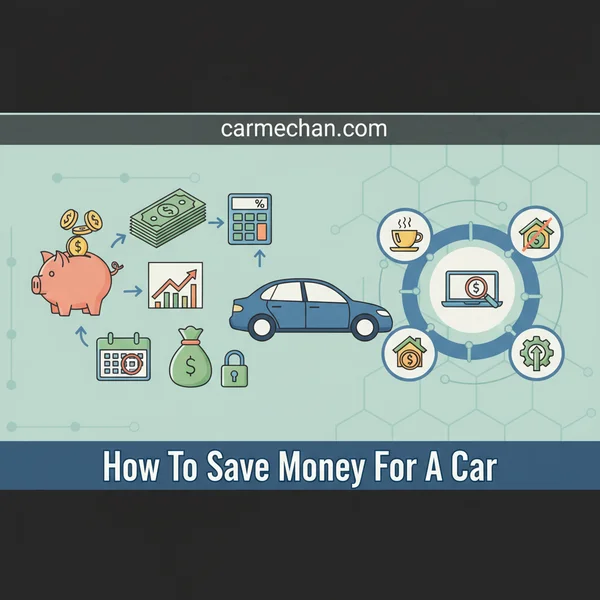
This guide provides the exact strategies and actionable steps you need to accumulate the cash for your next car. We’ll focus on how to define your savings target and implement effective expense reduction techniques, setting you firmly on the path to becoming a car owner without the burden of unnecessary debt.
Understanding the True Cost of Car Ownership
Before you can save, you need a clear target. Simply looking at a car’s sticker price is a critical mistake. A car’s true cost extends far beyond its initial purchase, and understanding these hidden expenses is crucial for setting a realistic savings goal.

Beyond the Sticker Price: What to Budget For
Your savings goal must encompass more than just the vehicle’s asking price. Factor in these essential upfront costs:
- The Purchase Price: This is the most obvious. Research average prices for your desired make and model, considering whether you’re buying new or used. Don’t forget to account for potential negotiation.
- Down Payment: If you plan to finance a portion, a larger down payment reduces your loan amount and interest paid. Aim for at least 10-20% of the car’s value. For a $20,000 car, that’s $2,000-$4,000 immediately.
- Sales Tax: This varies by state, typically ranging from 3-10% of the purchase price. A $20,000 car at 7% tax adds $1,400 to your bill. Look up your local rates precisely.
- Registration and Tag Fees: These are required to legally operate your car. They can range from tens to hundreds of dollars annually, depending on your state and vehicle type. Budget at least $100-$300 for initial registration.
Ongoing Expenses and Your Emergency Fund
Don’t overlook the costs that kick in immediately after purchase or shortly thereafter. These aren’t saving targets but critical components of your overall car ownership budget:
- Car Insurance: Obtain quotes before buying. Premiums vary widely based on your age, driving record, location, and the car itself. Budget anywhere from $100-$300+ per month. This isn’t saved for, but impacts your budget for saving.
- Initial Maintenance and Inspection: Even a reliable used car might need new tires, an oil change, or brake service soon after purchase. Set aside $300-$800 for immediate post-purchase care.
- Emergency Fund for Repairs: Cars break down. Having a dedicated fund of $1,000-$2,000 specifically for unexpected repairs prevents financial strain. This cash buffer protects your long-term financial stability.
By adding all these figures, you arrive at your true, realistic savings target. For example, a $20,000 car might require a total savings goal of $25,000-$28,000 when factoring in down payment, taxes, registration, and your essential emergency fund.
Your Complete DIY Guide to Saving for Your Dream Car
Recommended Best Deal Products


This comprehensive, step-by-step guide will help you efficiently save for your car. By following these actionable strategies, you’ll gain financial clarity, identify savings opportunities, and accelerate your progress toward driving your desired vehicle. Take control of your finances and make your car ownership dream a reality!
Step 1: Define Your Dream Car and Budget
What you need: Car research websites (e.g., Kelley Blue Book, Edmunds), pen/paper or spreadsheet, clarity on desired features.

Audible — Listen Free for 30 Days
One free credit a month and thousands of titles included.
Listen Free for 30 DaysInstructions: Research your desired car’s market price (new/used). Include estimated costs for insurance, registration, maintenance, and a realistic down payment (target 10-20% of value), plus sales tax. Set a concrete total savings goal, including a small buffer. This initial clarity anchors your entire saving strategy.
Pro Tip: Focus on the total cost of ownership, not just the purchase price. A seemingly cheaper car might incur higher insurance or maintenance. Aim for at least a 20% down payment to secure better loan rates and avoid negative equity.
Step 2: Assess Your Current Financial Landscape
What you need: Bank statements (checking, savings), credit card/loan statements, list of all monthly income/expenses, budgeting app/spreadsheet.
Instructions: Gather financial documents from the last 3-6 months. List all income sources and categorize every expense (housing, food, entertainment, debt). Calculate your total monthly income versus expenses to identify your disposable income. This deep dive reveals where your money genuinely goes and highlights potential saving opportunities.
Pro Tip: Be rigorously honest with tracking. Most people underestimate discretionary spending. Use a budgeting app (Mint, YNAB) or spreadsheet to precisely track every dollar. Cancel forgotten subscriptions immediately to free up funds.
Step 3: Create a Dedicated Car Savings Budget
What you need: Your financial assessment (Step 2), budget template (digital or physical), clear savings goal (Step 1).
Instructions: Integrate car savings directly into a structured budget. Based on your income and expenses, identify spending areas to reduce. Allocate a fixed amount to your “Car Fund” each pay period, treating it like an essential bill. For example, a $5,000 goal over 12 months requires about $417 monthly. This reallocation is crucial.
Pro Tip: Use zero-based budgeting, where every dollar has a job, including car savings. Start with a comfortable amount, then incrementally increase your contribution by 1-2% of your income monthly as your financial discipline grows.
Step 4: Open a Separate, High-Yield Savings Account
What you need: Photo ID, social security number, initial deposit, existing bank account for linking.
Audible Premium Plus — Annual Membership
12 audiobook credits up front, plus the full Audible catalogue.
See Annual PlansInstructions: Establish a dedicated, separate high-yield online savings account (HYSA) solely for your car fund. HYSAs offer significantly higher interest rates (e.g., 4-5% APY), helping your savings grow faster. Keeping it separate minimizes temptation to spend it. Link it to your primary checking account for effortless transfers.
Pro Tip: Choose an HYSA with no monthly fees or minimum balance requirements. The slight inconvenience of a separate account acts as a powerful psychological barrier against impulsive withdrawals, reinforcing your commitment to the car fund.
Step 5: Boost Your Income Streams
What you need: Skills assessment, internet access for job boards (e.g., Upwork, Fiverr) or marketplaces (e.g., eBay, Facebook Marketplace), time commitment.
Instructions: Accelerate savings by actively increasing your income. Explore side hustles like freelance work, dog walking, or ride-sharing. Sell unused items around your home (electronics, clothing, furniture) on online platforms. Dedicate 100% of this extra income directly to your car savings. Even small amounts significantly impact your progress.
Pro Tip: Treat all side hustle earnings as “bonus money” strictly for your car, never integrating it into your regular spending. Set clear income targets, such as an extra $100-$200 weekly, and track your efforts diligently.
Step 6: Slash Unnecessary Expenses
What you need: Your detailed expense list (Step 2), commitment to frugal living.
Instructions: Review your budget for non-essential expenses that can be temporarily reduced or eliminated. Examples include dining out less, canceling a streaming service, or making coffee at home. Daily savings of $5-$10 can total $150-$300 monthly. Challenge every expenditure: “Is this absolutely necessary for my car goal?”
Pro Tip: Implement a “no-spend” challenge for a week or month, focusing on essential purchases only. Packing lunch daily can save over $200 monthly. Compare grocery prices and opt for generic brands to save 20-30% on your food bill.
Step 7: Automate Your Savings Contributions
What you need: Access to your online banking portal for both your primary checking and car savings accounts.
Instructions: Set up automatic transfers from your checking account to your dedicated car savings account. Schedule these transfers to occur on your payday, even if it’s a modest $50 or $100. This “pay yourself first” strategy ensures your savings goal is prioritized before you have a chance to spend the money. Consistency is vital for steady growth.
Pro Tip: Start with a sustainable amount, then gradually increase it by $10-$20 monthly. If you receive a raise or bonus, immediately boost your automatic transfer by a significant portion of that extra income. Out of sight, out of mind – and into your car fund!
Step 8: Monitor Progress and Stay Motivated
What you need: Your budget spreadsheet/app, a visual progress tracker (e.g., chart, thermometer graphic), regular financial review sessions.
Instructions: Regularly review your car savings progress, checking your dedicated account balance monthly. Utilize a visual tracker (like a savings thermometer) to visually see your proximity to the goal. Celebrate small milestones (e.g., 25%, 50%, 75% saved) to maintain momentum. If you miss a target one month, adjust your strategy rather than getting discouraged.
Pro Tip: Share your goal with a trusted accountability partner. Set calendar reminders for monthly check-ins. Visualize yourself driving your dream car; this powerful motivator can deter impulsive spending and keep you focused.
Step 9: Understand Financing Options and Finalize Down Payment
What you need: Your accumulated savings balance, knowledge of your credit score, research into car loan interest rates from various lenders (banks, credit unions).
Instructions: As you approach your savings goal, research car loan options if you won’t pay cash entirely. Understand how your credit score impacts interest rates. Aim for a substantial down payment (at least 20% for new cars, 10-15% for used) to minimize the loan amount and monthly payments. This helps secure the best possible terms for your purchase.
Pro Tip: Get pre-approved for a car loan from a credit union or bank BEFORE visiting dealerships. This empowers you with leverage and a clear understanding of your borrowing capacity, preventing you from accepting unfavorable dealer financing. A larger down payment can also lead to lower insurance rates.
✅ Final Checklist
-
Your desired car, its estimated total cost, and a precise savings target are clearly defined and documented.
-
A detailed personal budget has been created, outlining income, expenses, and a specific monthly contribution to your car savings.
-
A separate, high-yield savings account is established for your car fund, with automated transfers configured for each payday.
-
You have actively implemented strategies to both boost your income and significantly reduce unnecessary expenses.
-
Your car savings progress is regularly monitored, and you are either on track or have nearly reached your financial goal.
Important Notes:
-
Safety considerations or warnings: For your car fund, prioritize low-risk, easily accessible savings accounts over speculative investments. Always safeguard your personal financial information when using online banking, budgeting applications, or any financial services.
-
When to seek professional help: If you consistently struggle to meet your savings goals despite diligent effort, or if you face complex financial challenges such as significant debt, consider consulting a certified financial planner. They can provide personalized advice and tailored strategies.
-
Estimated time and cost range: The timeline for saving for a car typically ranges from 6 months to 3 years, varying significantly based on your income, expenses, desired car price, and monthly savings rate. The “cost” primarily involves discipline and foregoing immediate discretionary spending. A common monthly savings target for many individuals is between $200 and $500, but adjust this based on your specific financial situation.
Effective Strategies for Expense Reduction
Once your savings target is clear, the next step is to free up cash. This involves a systematic review of your current spending and actively reducing unnecessary outflows. Every dollar saved here is a dollar closer to your car.

Audit Your Spending: Where Does Your Money Really Go?
You can’t cut what you don’t track. Start by understanding your current cash flow. This isn’t about deprivation, but about intentional spending.
- Track Everything: For one month, meticulously record every penny you spend. Use a budgeting app (e.g., Mint, YNAB), a spreadsheet, or even a simple notebook. Categorize expenses like “food,” “entertainment,” “transportation.”
- Identify Discretionary Spending: Pinpoint areas where you have control. Common culprits include:
- Subscriptions: Review all streaming services, gym memberships, apps, and software. Cancel anything you don’t use regularly or consolidate overlapping services. Many people save $50-$100+ monthly here.
- Eating Out & Delivery: This is often the biggest budget buster. Challenge yourself to cook more meals at home. Even reducing dining out from five times a week to two can save hundreds of dollars monthly. Pack your lunch.
- Impulse Buys: Implement a 24-hour rule for non-essential purchases. If you still want it tomorrow, consider it then.
Smart Cuts and Bill Negotiations
Beyond tracking, actively reduce your fixed and variable costs. Many expenses are negotiable.
- Negotiate Your Bills: Call your internet, cable, and cell phone providers. Ask if there are new customer deals you can switch to or if they can offer a lower rate. Mention competitor pricing. A simple 15-minute call can save you $20-$50 per month on each service.
- Reduce Utility Usage: Simple changes like adjusting your thermostat by a few degrees, unplugging unused electronics, and taking shorter showers can reduce electricity and water bills.
- Shop Around for Insurance: Beyond car insurance, review your renter’s or homeowner’s insurance annually. Switching providers can lead to significant savings.
- Cut Unused Services: Do you have a gym membership you rarely use? A forgotten online course subscription? Eliminate these. Every $10-$20 saved adds up rapidly towards your car fund.
By systematically identifying and reducing these expenses, you’ll be amazed at how quickly your dedicated car savings account begins to grow. This deliberate reduction forms the bedrock of your saving strategy.
Boosting Your Income for Faster Car Savings
Recommended Best Deal Products



While cutting expenses is crucial, sometimes the fastest route to your car fund is to simply make more money. Even a small, consistent income boost can significantly accelerate your savings timeline.
Explore Side Gigs and Freelancing
The gig economy offers countless opportunities to earn extra cash in your spare time. Think about your existing skills or interests – they could be valuable!
- Leverage Apps: Sign up for delivery services (food, groceries), ridesharing, or task apps (handyman services, pet sitting).
- Offer Your Expertise: If you have skills in writing, graphic design, web development, or social media, freelance platforms (like Upwork or Fiverr) can connect you with clients.
- Tutoring or Teaching: Share your knowledge in a subject you excel at. This can be done online or in person.
- Monetize a Hobby: Do you bake, craft, or take great photos? Consider selling your creations or services locally or online.
Even an extra $100-$200 per week from a side hustle can add up to $400-$800 to your car savings each month, making a huge difference.
Sell Unused Items and Declutter
Take a look around your home. Chances are, you have items gathering dust that could be turned into cash. This is a win-win: you declutter your space and boost your savings.
- Fashion & Accessories: Clothes, shoes, and bags that are in good condition can be sold on apps like Poshmark, Depop, or ThredUp, or at local consignment stores.
- Electronics: Old phones, tablets, gaming consoles, or laptops often fetch a good price on platforms like eBay, Facebook Marketplace, or through trade-in programs.
- Furniture & Home Goods: Larger items can be sold locally via Facebook Marketplace, Craigslist, or garage sales.
- Books & Media: Use services like Decluttr or sell on Amazon.
Be honest about what you truly need and use. Every item sold is another step closer to your car.
Optimizing Your Savings & Smart Purchase Considerations
Saving isn’t just about putting money aside; it’s also about making your savings work harder and making intelligent decisions when it’s time to buy. A smart approach can save you thousands in the long run.
Automate Your Savings Habit
The easiest way to save consistently is to remove human error and willpower from the equation. Make saving for your car non-negotiable.
- Set Up Auto-Transfers: On payday, have a fixed amount automatically transferred from your checking account to your dedicated car savings account. Treat this transfer like any other bill.
- Dedicated High-Yield Savings Account: Open a separate savings account specifically for your car fund. High-yield accounts offer better interest rates, allowing your money to grow faster. Look for online banks that typically offer competitive rates.
- Round-Up Programs: Many banking apps offer features that round up your debit card purchases to the nearest dollar and transfer the difference to savings. It’s a small but steady way to contribute.
Out of sight, out of mind. When your money automatically goes into savings, you’re less likely to spend it.
Smart Car Shopping Strategies
The price you pay for your car significantly impacts your overall financial health. Being a savvy shopper can save you a substantial amount of money.
- Research Thoroughly: Don’t just pick a car based on looks. Research reliability, fuel efficiency, insurance costs, and common maintenance issues for different makes and models.
- Consider Used Over New: New cars depreciate rapidly the moment they leave the lot. A reliable used car that’s a few years old can offer excellent value for a fraction of the price of a new one.
- Know the Total Cost of Ownership: Factor in more than just the purchase price. Think about fuel, insurance premiums, regular maintenance, and potential repair costs. A cheaper car to buy might be more expensive to own.
- Be Prepared to Negotiate: When you have cash in hand (or a solid pre-approved loan), you have leverage. Don’t be afraid to haggle on the price.
- Expand Your Search Radius: Sometimes traveling a bit further to a different dealership or private seller can lead to a better deal.
A well-researched and strategically purchased car helps you save not just on the initial outlay, but throughout its lifespan.
Your Journey to Car Ownership Starts Now
Saving for a car, especially with the goal of cash ownership, is a powerful financial move. We’ve explored how to set clear goals, trim your budget, boost your income with side hustles, sell unused items, and shop for your car smartly. The key takeaway is consistency and intentionality.
Don’t just dream about your new ride; make a concrete plan. Take the first step today: review your current spending habits and set up an automatic transfer to your dedicated car savings account. Imagine the freedom and peace of mind that comes with owning your car outright. You have the power to make it happen. Start building your car fund now!
❓ Frequently Asked Questions
What budget adjustments are most impactful for saving for a car?
Focus on major discretionary expenses like dining out, entertainment, and subscriptions. Additionally, analyze recurring costs like groceries or transportation, and seek opportunities to reduce them through meal planning or carpooling, as these cumulative savings add up significantly.
How do I determine a realistic car savings goal?
Research target car prices for models you’re considering, estimate down payment (if financing), calculate sales tax, registration fees, and factor in initial insurance premiums and a small maintenance fund to get a comprehensive total for your goal.
What are practical ways to generate extra income specifically for a car fund?
Consider selling unused items online, freelancing in your skilled area, taking on gig work (delivery, rideshare), or even pet-sitting/house-sitting. Dedicate all earnings from these efforts directly to your car fund to accelerate progress.
Beyond just the purchase price, what other costs should I factor into my car savings?
Absolutely include sales tax, registration fees, title transfer costs, initial insurance payments (often 6 months upfront), and a buffer for unexpected immediate maintenance or necessary accessories like floor mats, license plates, and an emergency kit.
How can I stay motivated during a long car savings journey?
Set smaller milestones, visualize your goal (e.g., a picture of your desired car), track your progress visibly, reward yourself modestly for hitting goals, and regularly remind yourself of the freedom and independence a car will bring.
Is it better to save for a down payment or the full cash purchase of a car?
Saving for the full cash purchase, especially of a reliable used car, is often financially smarter as it avoids interest payments and reduces insurance costs. However, a substantial down payment significantly lowers monthly payments and interest on any necessary loan.