Hellcat vs Redeye vs Super Stock: Price, HP & Key Differences Explained 2026
Last Updated on September 1, 2026 by Ryan
The cost of a Dodge Hellcat varies significantly depending on the model, year, condition, and market demand. Expect to pay anywhere from $70,000 to over $120,000 for a new model, with used prices ranging from $50,000 to well over $100,000. Understanding these factors is key to finding the right Hellcat for your budget.

Prime for Young Adults — 6 Months Free
Students and 18–24s get six months of Prime free, then half price.
Start 6 Months FreeHellcat fan? These mods define the Hellcat ownership experience:


As an Amazon Associate we earn from qualifying purchases.
🎯 Key Takeaways
- New Hellcat MSRP starts around $70,000.
- Used prices vary widely by year and condition.
- Special editions command premium prices.
- Dealer markups significantly affect new costs.
- Consider insurance and fuel in total cost.
Considering a Dodge Hellcat? You’re looking at a significant investment, with prices ranging widely from roughly $70,000 for a new entry-level model to over $150,000 for rare, low-mileage editions. The current market for these supercharged beasts, whether new or used, is dynamic, heavily influenced by model year, specific trim, condition, and optional packages. Understanding these current market values and the factors driving them is crucial for setting your budget and effectively navigating your purchase.

This guide cuts directly to what you need to know: the actual cost. We’ll break down the new MSRPs for the latest Challenger Hellcat, Charger Hellcat, and Ram TRX models, then dive into the used market to give you clear expectations for what you’ll pay based on the vehicle’s age, mileage, and overall condition. Knowing these figures upfront empowers you to make an informed decision and find the right Hellcat for your garage and your wallet.
Current New Hellcat Pricing: Challenger, Charger & TRX Models
If you’re eyeing a brand-new Hellcat, expect to pay a premium, especially with the 2023/2024 model years being the last for these V8 powerhouses. Dealer markups are still common due to high demand and limited production, often pushing prices beyond the official MSRP.
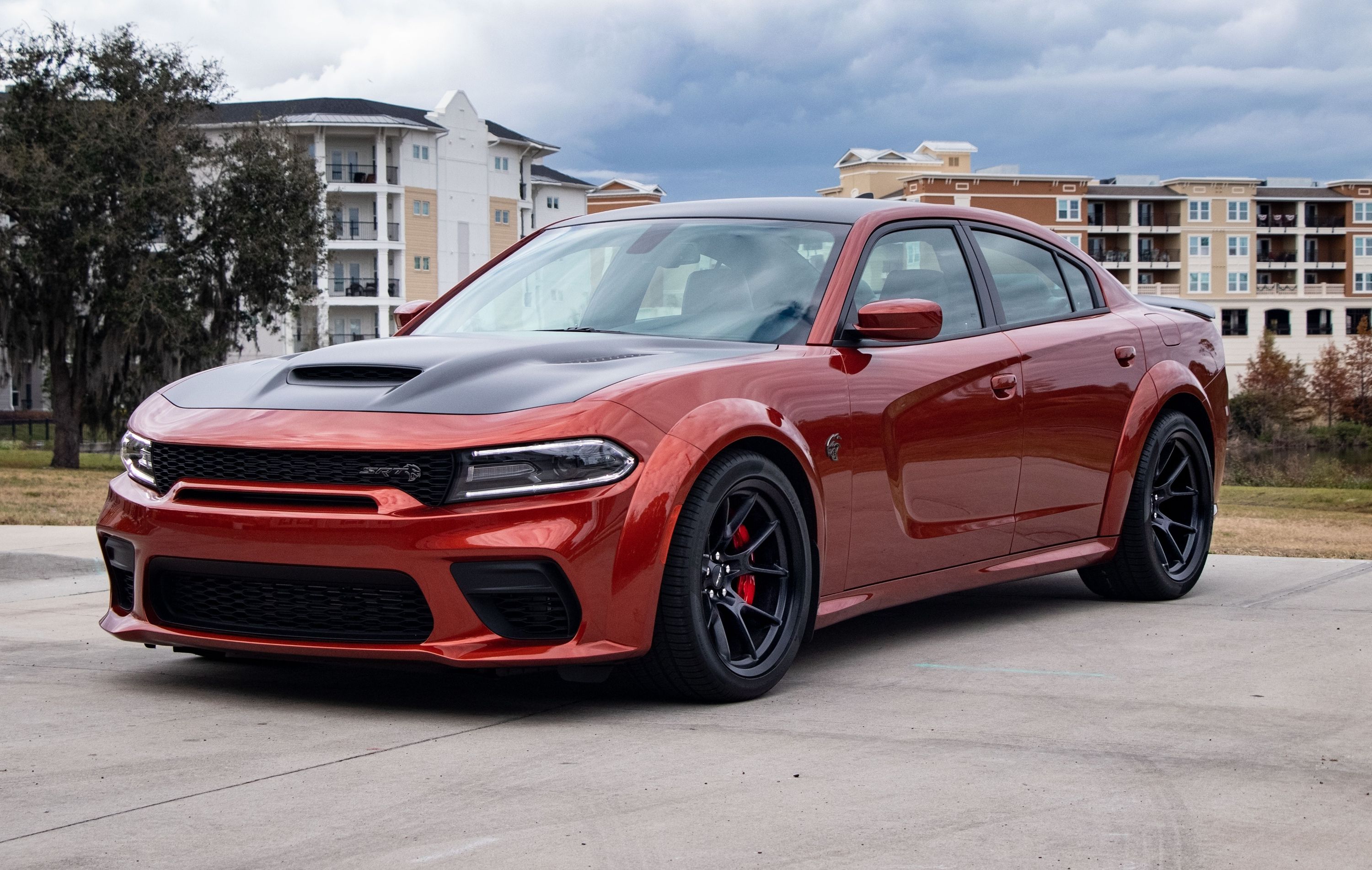
Dodge Challenger Hellcat & Redeye MSRP
The Dodge Challenger Hellcat remains a popular choice, offering brutal power in a classic muscle car package. Pricing varies significantly with the chosen trim and optional features.
- Challenger SRT Hellcat: The standard Hellcat typically starts around $72,000 – $75,000.
- Challenger SRT Hellcat Widebody: Opting for the Widebody package, which enhances handling and aesthetics, pushes the starting price to approximately $79,000 – $82,000.
- Challenger SRT Hellcat Redeye Widebody: For ultimate street performance, the Redeye variant begins around $89,000 – $92,000.
- Jailbreak Models: The limited Jailbreak editions, allowing extensive customization, can easily exceed $100,000 with added features.
Remember that destination fees, gas guzzler taxes, and any optional packages like premium interiors, specialized paint, or performance upgrades will increase these figures. Dealer markups, while less extreme than peak COVID-era, can still add thousands.
Charger Hellcat & Ram TRX Pricing
The four-door Charger Hellcat offers practicality with uncompromising performance, while the Ram TRX delivers supercharged capability off-road. Both command strong prices new.

Audible — Listen Free for 30 Days
One free credit a month and thousands of titles included.
Listen Free for 30 Days- Charger SRT Hellcat Widebody: The only Charger Hellcat available is the Widebody, typically starting around $83,000 – $86,000.
- Charger SRT Hellcat Redeye Widebody: The more powerful Redeye version of the Charger starts in the range of $91,000 – $94,000.
- Ram 1500 TRX: While not officially a “Hellcat” model, the TRX shares the supercharged 6.2L HEMI engine. New TRXs typically start from $87,000 – $90,000 for the base model, but most well-optioned trucks quickly reach and exceed $100,000 – $115,000.
The Ram TRX, in particular, has seen significant dealer markups and limited availability, often making it challenging to find at MSRP. Its unique market position as a high-performance off-road truck contributes to its robust pricing.
Everything You Need to Know About Hellcat Pricing
Understanding the true cost of a Dodge Hellcat goes far beyond its sticker price. These high-performance machines come with a premium, but various factors — from new vs. used status to trim levels, options, and ongoing ownership expenses — significantly impact the total investment. This comprehensive guide will walk you through every critical step to accurately determine “how much is a Hellcat,” helping you make an informed decision and budget effectively.
Step 1: Distinguish Between New and Used Hellcat Pricing
What you need: Internet access, a general understanding of automotive markets.
Instructions: Your first major step is to decide if you’re targeting a brand-new Hellcat or a pre-owned model. New Hellcats, especially the final gasoline-powered model year (like 2023), will command prices at or above their Manufacturer’s Suggested Retail Price (MSRP), often with significant dealer markups due to high demand and limited production. Used Hellcats, depending on their year, mileage, and condition, will vary widely. A 2015-2018 model could be substantially less than a late-model used Redeye. This initial distinction sets your budget range significantly.
Pro Tip: Be acutely aware that the “last call” models for new Hellcats can see extreme dealer premiums, sometimes tens of thousands above MSRP. Factor this into your new car budget.
Step 2: Research New Hellcat MSRP and Dealer Premiums
What you need: Dodge’s official website (Dodge.com), automotive news sites (e.g., Car and Driver, MotorTrend), a web browser.
Instructions: If a new Hellcat is your goal, start by visiting the official Dodge website to find the MSRP for the current model year and available trims (e.g., Challenger Hellcat, Charger Hellcat, Redeye, Jailbreak, TRX). Note the base price and typical option packages. Crucially, research recent transaction prices reported by automotive journalists or forums. Many dealerships apply “market adjustments” or “dealer premiums” far exceeding MSRP for high-demand vehicles. These markups can add anywhere from $5,000 to $50,000+ to the final price. This step helps you establish a realistic “out-the-door” price for a new vehicle.
Pro Tip: Contact multiple dealerships (even out of state) to compare their pricing and see which ones are selling closer to MSRP or even at MSRP. Some may offer better deals without excessive markups.
Step 3: Dive into the Used Market: Online Listings and Valuations
What you need: Reputable used car listing websites (AutoTrader, CarGurus, Edmunds, Cars.com), Kelley Blue Book (KBB.com), NADAguides.
Audible Premium Plus — Annual Membership
12 audiobook credits up front, plus the full Audible catalogue.
See Annual PlansInstructions: For a used Hellcat, dedicated online searches are vital. Filter your searches by specific years (e.g., 2015-2022), mileage ranges, and locations. Pay close attention to the impact of mileage, vehicle condition, and accident history on price. Lower mileage Hellcats typically command higher prices. Use valuation tools like Kelley Blue Book (KBB) and NADAguides to get a rough estimate of fair market value based on year, trim, mileage, and options. Remember that these are estimates; actual prices are dictated by the market and seller. Document prices for comparable vehicles.
Pro Tip: Widely varying prices for similar cars in different regions can indicate local demand or supply issues. Expand your search radius for potentially better deals.
Step 4: Account for Trim Levels, Options, and Modifications
What you need: Knowledge of Hellcat variants (Redeye, Widebody, Jailbreak, TRX), list of common factory options.
Instructions: The specific Hellcat variant makes a huge difference in cost. A base Challenger Hellcat will be significantly cheaper than a Hellcat Redeye Widebody or a Charger Hellcat Jailbreak. Factory options like premium Laguna Leather seats, technology packages, sunroofs, painted brake calipers, or a premium sound system can add thousands to the sticker price and retain value in the used market. Conversely, aftermarket modifications can either add or detract from value depending on their quality and desirability. Consider if a heavily modified car is worth the potential premium or risks associated with non-factory parts.
Pro Tip: For used Hellcats, scrutinize modifications. Well-documented, professionally installed performance upgrades (e.g., supercharger pulley, exhaust) might add value to enthusiasts, but shoddy work can be a red flag and reduce a car’s worth.
Step 5: Calculate Additional Purchase Costs (Beyond the Sticker)
What you need: A calculator, knowledge of your state’s sales tax and registration fees.
Instructions: The price you see advertised is rarely the final price you pay. You must factor in sales tax (which can be 5-10% of the vehicle’s price, varying by state), registration fees, title fees, and documentation fees. Dealer documentation fees (doc fees) can range from $200 to over $1000 and are often non-negotiable. If you’re buying out of state, consider potential shipping costs. These additional expenses can easily add thousands of dollars to your total outlay, so calculate them carefully to avoid budget surprises.
Pro Tip: Always ask for an “out-the-door” price quote from the seller (dealership or private) to get the true total cost before you commit to anything. This forces them to itemize all fees.
Step 6: Understand Long-Term Ownership Costs: Insurance, Fuel, Maintenance
What you need: Your personal driving record, desired insurance coverage, budget for premium fuel and maintenance.
Instructions: A Hellcat is a high-performance vehicle, and its running costs reflect that. Insurance premiums are notoriously high due to the car’s power, speed, and repair costs; obtain multiple quotes from different providers before purchase. Hellcats require premium unleaded fuel, and given their power, fuel consumption can be significant (e.g., 13-16 MPG combined). Maintenance, including specialized tires and brakes, will also be more expensive than a standard car. Factor in oil changes (often synthetic), brake pad and rotor replacements, and potential extended warranty costs, as these are crucial components of the overall “how much” question.
Pro Tip: Call your insurance provider before you buy to get an accurate quote based on the specific VIN of the Hellcat you’re considering. This prevents sticker shock on your monthly premium.
Step 7: Arrange Pre-Purchase Inspection and Review Vehicle History
What you need: Budget for a pre-purchase inspection ($150-$300), VIN of the car, access to CarFax or AutoCheck.
Instructions: For any used Hellcat, a Pre-Purchase Inspection (PPI) by an independent, trusted mechanic specializing in performance vehicles is non-negotiable. This inspection can uncover hidden mechanical issues, accident damage, or poor modifications that could cost thousands to repair later, thus significantly increasing the car’s true long-term price. Simultaneously, run a CarFax or AutoCheck report using the vehicle’s VIN. This report details accident history, service records, mileage discrepancies, and previous ownership, providing crucial context for the asking price.
Pro Tip: Never rely solely on the seller’s assurances. A PPI gives you leverage in negotiation if issues are found and protects you from unforeseen expenses.
Step 8: Final Negotiation and Financing Considerations
What you need: All your gathered research, a pre-approved loan offer (if financing), negotiation skills.
Instructions: Armed with your research on market values, condition reports, and a clear understanding of all additional costs, you are ready to negotiate. For new cars, try to negotiate down dealer markups or secure additional options. For used cars, use comparable listings and any findings from the PPI to justify your offer. Be prepared to walk away if the price isn’t right. If you’re financing, get pre-approved for a loan from your bank or credit union before visiting a dealership. This gives you a strong negotiating position and clarity on your interest rate and total loan cost, which significantly impacts the overall cost of ownership.
Pro Tip: Do not discuss trade-ins until you’ve agreed on the price of the Hellcat. Separate the two transactions to ensure you get the best deal on both. Your pre-approval is your strongest tool.
✅ Final Checklist
- ✅ Researched new Hellcat MSRP and current dealer markups.
- ✅ Compared used Hellcat prices across multiple platforms (year, mileage, trim).
- ✅ Calculated all additional purchase costs (tax, title, registration, dealer fees).
- ✅ Obtained insurance quotes for the specific Hellcat model.
- ✅ Arranged and reviewed a Pre-Purchase Inspection (PPI) and Vehicle History Report.
Important Notes:
- Safety Considerations: Hellcats are extremely powerful vehicles. Always practice safe driving, respect their capabilities, and consider advanced driver training.
- When to Seek Professional Help: If you’re unsure about the mechanical condition of a used Hellcat, the legitimacy of a deal, or the complexities of financing, consult an experienced mechanic, automotive consultant, or financial advisor before making a commitment.
- Estimated Time and Cost Range: Researching and purchasing a Hellcat can take anywhere from a few days to several weeks. The cost range for a Hellcat varies dramatically: expect $70,000 – $110,000+ for a new model (with potential dealer markups), and $45,000 – $90,000+ for a used model, depending heavily on year, mileage, condition, and trim. This excludes long-term ownership costs which can add several thousands annually.
Used Hellcat Market Value: What to Expect by Model, Year & Condition
The used Hellcat market offers a broader range of prices, making it a more accessible entry point for many buyers. However, prices are highly sensitive to model year, mileage, and condition. Low-mileage, well-maintained examples often command a premium, especially for specific trims.

Used Challenger Hellcat & Redeye Prices
The Challenger Hellcat has been around since 2015, meaning there’s a good selection of used models. Early models offer the best value, but newer ones retain much of their initial cost.
- 2015-2018 Challenger Hellcat: Expect to pay anywhere from $50,000 – $68,000. Prices vary based on mileage (30,000+ miles on the lower end, under 30,000 on the higher end) and overall condition.
- 2019-2021 Challenger Hellcat/Redeye: These model years typically range from $70,000 – $90,000. Redeye models, especially Widebodies, on the lower end of mileage (under 20,000 miles) will be at the higher end of this bracket.
- 2022-2023 Challenger Hellcat/Redeye: Newer used models, often with very low mileage, can still fetch $95,000 – $120,000+, particularly for Redeye Widebody or limited edition “Last Call” trims.
Factors like accident history, aftermarket modifications, and service records heavily influence the final asking price for any used Challenger Hellcat.
Used Charger Hellcat & Ram TRX Value
Used Charger Hellcats typically follow a similar depreciation curve to their Challenger counterparts but might be slightly less due to their four-door practicality. The Ram TRX, being a newer model, holds its value extremely well.
- 2015-2018 Charger Hellcat: You’re likely looking at $55,000 – $70,000. Higher mileage (40,000+ miles) will put you on the lower end, while pristine, lower-mileage examples push towards the top.
- 2019-2021 Charger Hellcat Widebody/Redeye: These models generally fall into the $75,000 – $95,000 range. Redeye Widebodies, especially with lower mileage (under 25,000), will command prices closer to the upper limit.
- 2022-2023 Charger Hellcat Redeye: For very recent used models, expect to pay upwards of $100,000 – $115,000+, reflecting their near-new status and the end of production.
- Used Ram 1500 TRX: As of early 2024, 2021-2022 TRXs with moderate mileage (20,000-40,000 miles) are often priced between $90,000 – $110,000. Lower mileage (under 15,000) or highly optioned trucks can easily exceed $120,000 – $140,000, showing strong retention from their new purchase price.
The used TRX market is particularly robust. Many buyers who missed out on new TRXs are willing to pay near-MSRP for well-kept, low-mileage examples, especially as production winds down.
<h2>Key Factors Influencing Hellcat Pricing & Resale Value</h2>
<p>The initial sticker price is just one piece of the puzzle. A Hellcat’s real-world value, both new and used, constantly shifts based on several critical factors. Understanding these can help you better predict costs and make a smarter purchase.</p>
<h3>Configuration, Condition, and Mileage</h3>
<p>Not all Hellcats are created equal. The specific trim and options play a huge role. For example, a <strong>Redeye</strong> or <strong>Jailbreak</strong> model will command a higher price than a base Hellcat. <strong>Widebody</strong> kits are also highly sought after and add value. Beyond factory specs, the car’s <em>condition</em> is paramount. A well-maintained Hellcat with complete service records, no accident history, and pristine paint will always be worth more.</p>
<ul>
<li><strong>Desirable Options:</strong> Look for features like the Harman Kardon audio system, upgraded brake packages, or specialized paint colors. These add to both initial cost and resale appeal.</li>
<li><strong>Maintenance History:</strong> A full, verifiable service history signals a cared-for vehicle, especially crucial for a high-performance engine.</li>
<li><strong>Mileage:</strong> Lower mileage generally means higher value, but don’t automatically dismiss a higher-mileage example if it has impeccable maintenance records. Hellcats are robust, but wear and tear is real.</li>
</ul>
<h3>Market Dynamics & Depreciation Trends</h3>
<p>The automotive market isn’t static. <strong>Supply and demand</strong> greatly affect Hellcat pricing. When production numbers are lower (like for the limited-run Demon), prices can skyrocket. Similarly, the announced end of internal combustion engine Hellcat production has created unique market conditions, potentially slowing depreciation for some models or even increasing value for collectors.</p>
<ul>
<li><strong>Depreciation Curve:</strong> Like most new cars, Hellcats generally see the steepest depreciation in their first few years. Buying a 2-3 year old model can often provide the best value proposition.</li>
<li><strong>Economic Factors:</strong> Broader economic conditions, fuel prices, and interest rates can subtly influence demand and, therefore, pricing for performance vehicles.</li>
<li><strong>Collector Status:</strong> Certain Hellcat variants, especially those with limited production numbers or unique features, may eventually enter collector status, potentially appreciating over time.</li>
</ul>
<h2>Beyond the Sticker Price: Ownership Costs & Smart Buying Tips</h2>
<p>Bringing a Hellcat home is only the beginning. These aren’t economy cars, and their ownership costs reflect their extreme performance. Budgeting for these ongoing expenses is just as important as the purchase price.</p>
<h3>Anticipating Ongoing Ownership Expenses</h3>
<p>A Hellcat demands premium care and feeding. <strong>Fuel costs</strong> are significant, as these beasts require premium octane and achieve relatively low MPG (think single digits in aggressive driving). <strong>Tires</strong> are another major expense; high-performance rubber wears quickly, especially with enthusiastic driving, and replacements can easily run over $1,000 per set.</p>
<ul>
<li><strong>Insurance:</strong> Expect high premiums. Hellcats are high-performance vehicles, often targeted for theft, and capable of significant speed, all of which factor into insurance rates.</li>
<li><strong>Maintenance:</strong> Regular servicing, while not necessarily exorbitant, requires specialized knowledge and quality parts. Brake pad and rotor replacements on high-performance brakes are also costly.</li>
<li><strong>Registration & Taxes:</strong> Depending on your state, annual registration fees and sales tax on the purchase can add up.</li>
</ul>
<h3>Savvy Shopping Strategies for a Hellcat</h3>
<p>Whether new or used, a smart approach can save you thousands. For new Hellcats, always inquire about incentives or dealer discounts. For used models, <strong>due diligence</strong> is key. Always request a comprehensive vehicle history report (like CarFax or AutoCheck) and, crucially, arrange for a pre-purchase inspection by a trusted mechanic familiar with high-performance vehicles. This can uncover hidden issues that might cost a fortune down the line.</p>
<ul>
<li><strong>Shop Around:</strong> Don’t settle for the first car you see. Prices vary between dealerships and private sellers. Expand your search radius for better deals.</li>
<li><strong>Negotiate Confidently:</strong> Dealers often have room to negotiate, especially towards the end of the month or quarter when they’re trying to hit sales targets.</li>
<li><strong>Certified Pre-Owned (CPO):</strong> If buying used, consider CPO programs. They typically come with extended warranties and rigorous inspections, offering peace of mind, albeit at a slightly higher price.</li>
</ul>
<h2>Conclusion</h2>
<p>The Dodge Hellcat is an undeniable icon of American muscle, delivering exhilarating power and presence. While the appeal is strong, understanding its true cost means looking beyond the initial price tag. Whether you opt for a new model or a savvy used purchase, factors like trim level, condition, market dynamics, and significant ongoing ownership expenses will shape your overall investment.</p>
<p>Arm yourself with research, budget for the long haul, and always prioritize a thorough inspection for used models. Ready to unleash the beast? With the right preparation, you can confidently navigate the path to Hellcat ownership.</p>
❓ Frequently Asked Questions
What is the average new MSRP for a Dodge Hellcat in 2024?
The average new MSRP for a Dodge Hellcat in 2024 starts around $70,000 for a Challenger Hellcat and can exceed $120,000 for a Hellcat TRX or highly optioned Charger Redeye. Prices vary significantly based on the specific model, trim, and additional packages chosen by the buyer.
How much should I expect to pay for a used Dodge Hellcat?
Used Dodge Hellcat prices can range from $50,000 for older models with higher mileage (e.g., 2015-2018 Challenger/Charger) to over $100,000 for newer, low-mileage Redeyes or limited editions. Factors like model year, condition, mileage, and specific trim level heavily influence the final price.
What factors most influence the price of a Hellcat?
Key factors influencing a Hellcat’s price include the specific model (Challenger, Charger, TRX), trim level (e.g., Redeye, Jailbreak), model year, mileage, overall vehicle condition, optional packages, and current market demand. Dealer markups also significantly impact new vehicle pricing above MSRP.
Are dealer markups common on new Hellcats, and how much are they?
Yes, dealer markups are very common, especially for popular or limited Hellcat models, and can range from $5,000 to $30,000+ above MSRP. These markups are largely driven by high demand, limited production, and the desirability of these high-performance vehicles.
What are the typical ownership costs for a Hellcat beyond the purchase price?
Beyond the purchase price, Hellcat ownership costs include high insurance premiums (due to power and theft risk), substantial fuel expenses (premium gasoline, low MPG), and potentially higher maintenance costs for performance-oriented components like brakes and tires. Tires also wear quickly and are expensive to replace.
How does the Hellcat TRX’s price compare to the Challenger or Charger Hellcat?
The Ram 1500 TRX Hellcat is generally the most expensive Hellcat variant, with new MSRPs starting considerably higher than the Challenger or Charger Hellcats, often well into the $90,000 to over $120,000 range. This reflects its unique market position as a supercharged off-road truck with premium features and capabilities.
Hellcat vs Redeye vs Super Stock: Full Comparison
Dodge built three distinct tiers of supercharged Hellcat power. Each one serves a different buyer — from the street-legal daily driver to the factory-built drag racing machine. Here is exactly how they differ across every spec that matters.
Specs based on final production year data (Charger/Challenger Hellcat lineup). Production ended after 2023 model year. Used market prices as of 2025 based on listings on Cars.com and CarGurus. Prices vary significantly by mileage, condition, and options.
Which One Should You Buy?
- Standard Hellcat — Best value for street driving. 717 hp is more than enough for daily use and still produces 11-second quarter miles. Easier to insure than the higher-trim variants. Most affordable entry point into the Hellcat family.
- Redeye Widebody — The sweet spot for drivers who want the best of both worlds: nearly 800 hp, the wider body for aggressive looks, and enough refinement to drive daily. Most popular at auction and on the used market.
- Super Stock — Built for the drag strip. Factory drag radials and launch-tuned software make it the quickest off-the-line of the three. However, its lower top speed and drag-focused setup mean it feels less polished on winding roads. Worth the premium only if strip performance is your primary goal.