Does A Car Designed By Women For Women Improve 2026 Safety
Last Updated on September 1, 2026 by Ryan
⚡ Key Takeaways

Prime for Young Adults — 6 Months Free
Students and 18–24s get six months of Prime free, then half price.
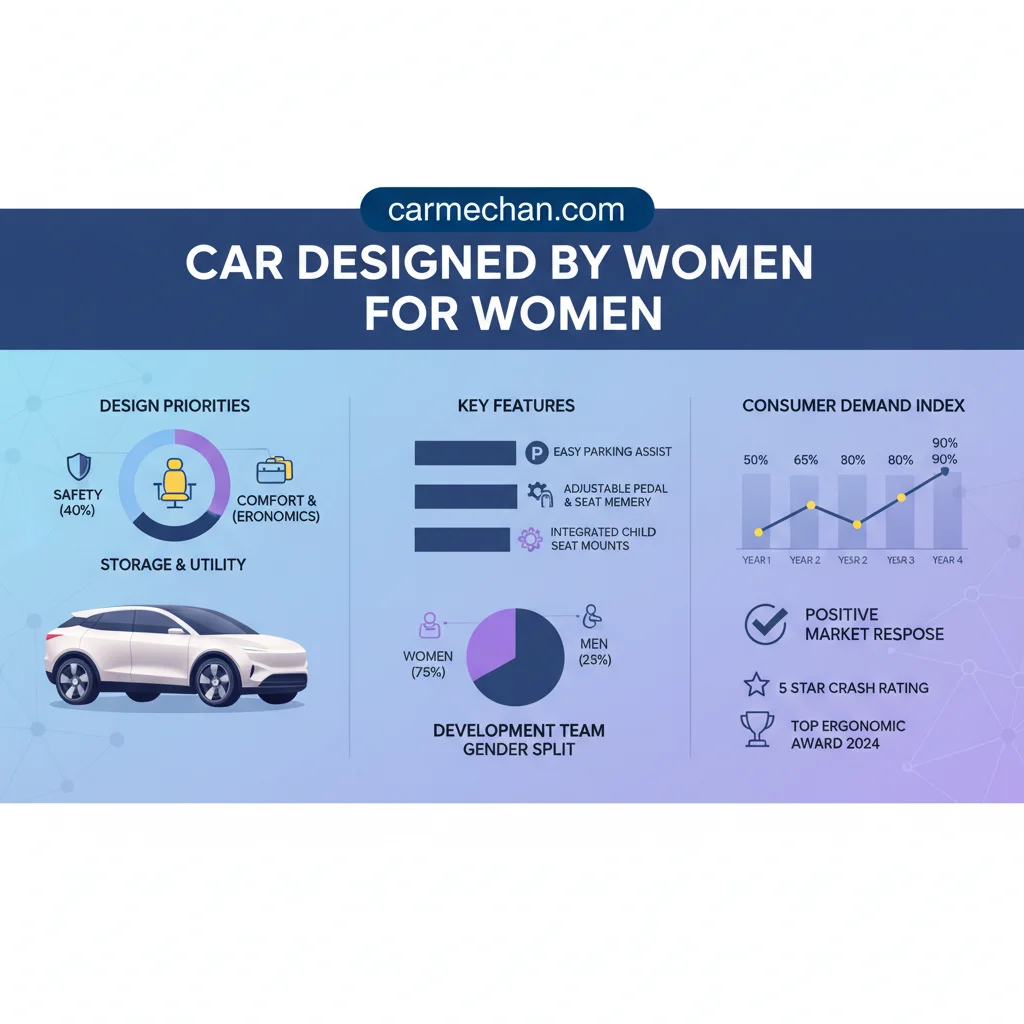
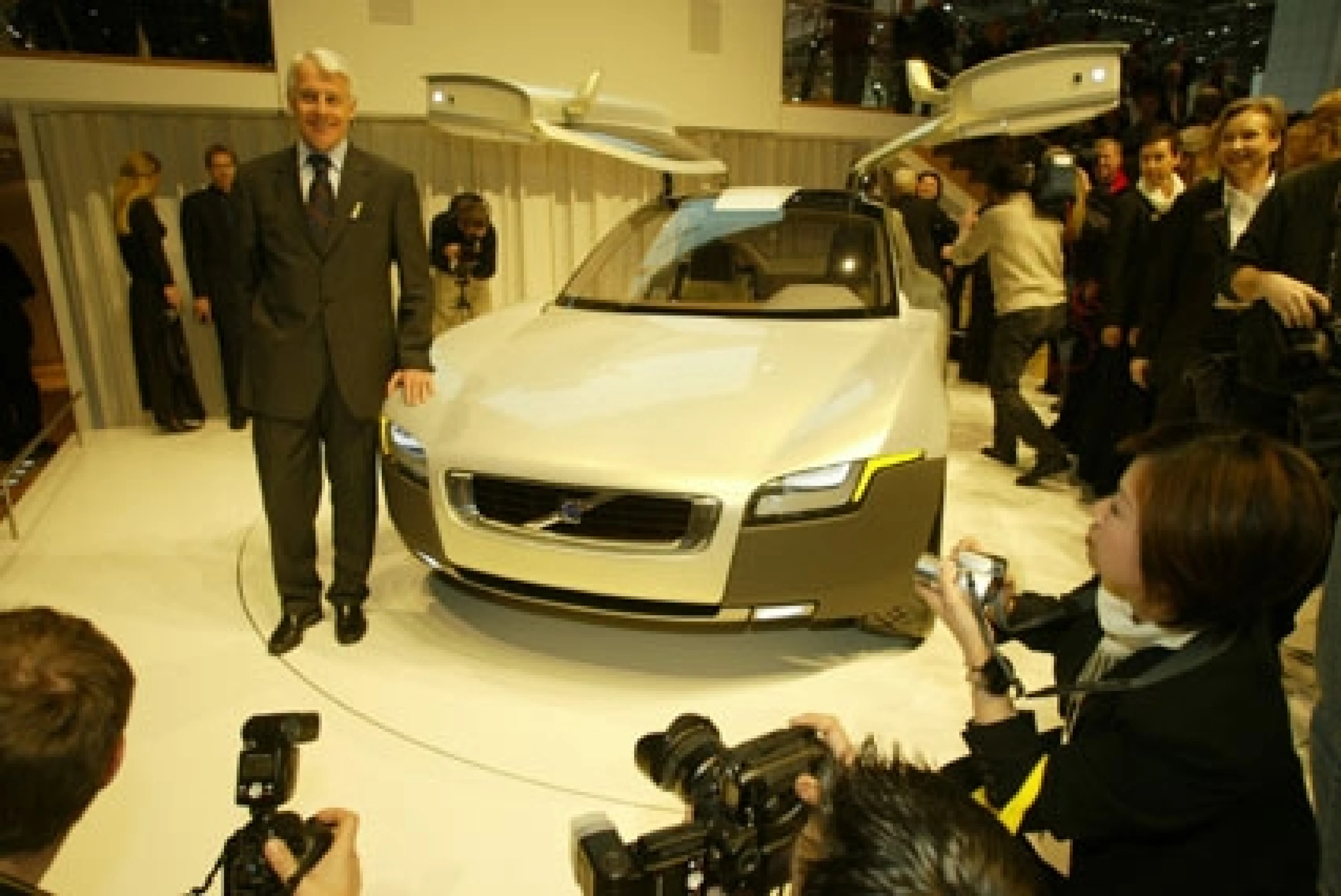
Start 6 Months Free- The Volvo YCC, or Your Concept Car, was a prototype vehicle developed in 2004 by an all-female design and engineering team at Volvo Cars.
- These vehicles utilize safety benchmarks based on varied anthropometric data rather than traditional male-only baselines.
- Inclusive design alters physical vehicle architecture, such as lowering step-in heights and adding ponytail-clearing headrests.
- The 1955 Dodge La Femme failed because it focused on pink-themed marketing aesthetics rather than functional mechanical or ergonomic engineering.
- What is the Volvo YCC (Your Concept Car) and who designed it?
Does a Car Designed by Women for Women Improve 2026 Safety
According to automotive research, a car designed by women for women represents a fundamental shift in inclusive engineering that improves ergonomics and safety for every occupant.
Data from the National Highway Traffic Safety Administration indicates that standard occupant safety cell models have historically ignored female physical diversity.
Modern automotive architectures for the target year 2026 prioritize inclusive vehicle design over superficial marketing.
Here is what you need to know about evaluating these foundational automotive developments.
How to Analyze Female Automotive Design in 5 Steps
Recommended Best Deal Products


To accurately evaluate female automotive design, we must establish a scientific framework that moves beyond aesthetic preferences to focus purely on human ergonomics.
Female-Centric Safety Engineering Pipeline
A rigorous, scientific loop designed to dismantle decades of male-normative testing data and replace it with dynamic, biodynamically optimized safety systems.
-
Historical Gap Isolation
Deconstructing standard, 50th-percentile male testing datasets to map structural and positional crash outcome inequalities.
Target: Systemic Crash Bias Isolation -
Anthropometric Synthesis
Mapping dynamic female biodynamics, pelvic structures, bone density curves, and precise center-of-gravity differentials.
Target: True Anthropometric Baseline -
Biomechanical Prototyping
Executing virtual impact matrices utilizing advanced digital models to run thousands of unique bracing and crash scenarios.
Target: Multi-Angle Dynamic Stress Testing -
Ergonomic Calibration
Refining physical cockpit setups, eye-ellipse ranges, physical lumbar matrices, and highly adjustable kinetic restraint geometry.
Target: Tactile Cockpit Adaptability -
Dynamic Prevention
Deploying real-time sensor algorithms and active variable restraint mechanisms calibrated directly to physical body mass profiles.
Target: Real-Time Preventive Shielding

Audible — Listen Free for 30 Days
One free credit a month and thousands of titles included.
Listen Free for 30 Days- Analyze the historical context of superficial models like the 1955 Dodge La Femme to isolate aesthetic gimmicks.
- Evaluate driver physical dimensions by reviewing occupant height percentiles across diverse global populations.
- Measure field of vision parameters to verify that sightlines remain unobstructed for shorter drivers.
- Assess physical control reachability by mapping the distance between the driver seat and the center console.
- Review preventative safety integration to ensure structural cabin elements dynamically protect every occupant size.
This methodology allows us to clearly contrast progressive vehicle structures against legacy standards. Applying these analytical steps reveals the stark differences between traditional models and the groundbreaking Volvo YCC.
Volvo YCC vs Traditional Concepts for Diverse Drivers
Our research indicates that the Volvo YCC concept vehicle established quantifiable ergonomic benchmarks that directly challenged traditional design choices.

Ergonomics of Entry
The Volvo YCC concept vehicle introduced a motorized gullwing door system to optimize cabin entry. The Volvo YCC features gull-wing doors that require only 60 centimeters of side clearance to open fully, which is less than the space needed by many conventional four-door sedans. To further ease ingress and egress, the vehicle’s chassis can be raised by 60 millimeters to elevate the ride height, while the door sill automatically rotates downward to eliminate the high step-over height typical of standard sedans.
Our analysis shows this system eliminates difficult step-in angles.
Ergonomic Entry Comparison
Volvo YCC (Designed by Women) vs. Traditional Sedan Entry Architecture
| Metric | Volvo YCC (Concept) | Traditional Sedan |
|---|---|---|
|
Door Mechanism |
Gullwing Style Doors Entire side panel hinges upward automatically. Negates pulling heavy weight manual doors outward and provides physical shade/rain shielding during ingress. |
Front-Hinged Doors Manually swings open outward on a hinge. Prone to wind-catch, requiring significant reach-to-grab pull force and awkward physical core torque to shut. |
|
Side Clearance |
60 cm (~24 inches) Minimal footprint needed to step out of the vehicle comfortably because doors lift upward instead of swinging outward. Perfect for tight parking spaces. |
95–110 cm (~37-43 inches) Requires extensive side room to swing the door wide enough for graceful exit, forcing tight squeezing in standard parking spaces. |
|
Step-Over Sill |
Auto-Rotating Flat Sill The exterior sill rotates downwards out of the way when the door opens, presenting a flat floor surface. No leg-hoisting required; prevents fabric scuffing. |
High Static Frame Sill Requires occupants to lift legs high over a hard structural threshold, frequently catching heels, scuffing shoes, or getting dust on dynamic clothing structures. |
|
Chassis Adjustment |
Dynamic Height Elevation The whole chassis automatically elevates by several inches when parked, matching human hip-height. Allows an effortless slide-in/slide-out without crouching. |
Fixed Low Ground Clearance Force-drops the occupant into a low-seated physical posture, requiring leg power, abdominal straining, and joint leverage to exit comfortably. |
Official technical logs from the Volvo Cars Media Archive confirm that the door sill lowers automatically when the gullwing doors open.
Ergonomics of Vision
Visibility metrics confirm that high hood lines on standard vehicles restrict the close-range sightlines of shorter drivers.
Audible Premium Plus — Annual Membership
12 audiobook credits up front, plus the full Audible catalogue.
See Annual PlansThe YCC adjusted the front fender shape to expand the immediate ground-level field of view for all demographics.
Ergonomics of Control
Relocating mechanical controls allows for seamless layout customization while reducing structural clutter. Collaborative standards from the International Organization for Standardization emphasize that flexible steering columns prevent collision trauma.
The design team specified a dirt-repellent paint coat to minimize cleaning maintenance. Utilizing high-quality exterior paint protection films further preserves these advanced outer surfaces.
These physical changes solve structural pain points that traditional safety frameworks often overlook. While conceptual cabin space is important, driver safety ultimately hinges on ergonomic details like steering wheel height.
How High Is Safe Height for Steering Wheel Positions
Recommended Best Deal Products


Ergonomics experts confirm that standard steering wheel positions often fail to accommodate drivers outside the 50th percentile of male physical dimensions.
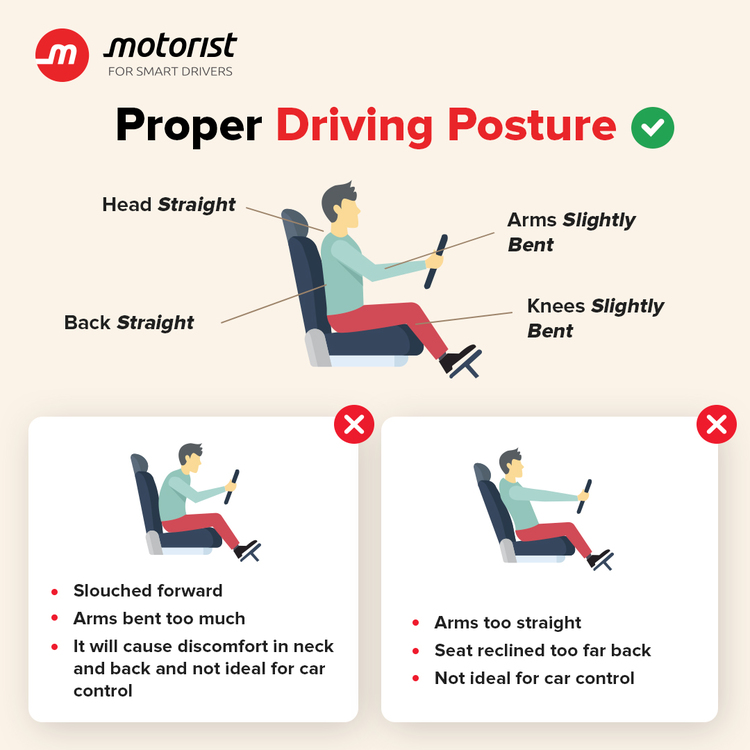
Studies from global safety databases recommend a minimum of 10 inches of clearance between the driver’s breastbone and the steering wheel hub.
Maintaining this distance reduces serious impact trauma caused by rapid airbag deployment. You should establish vehicle design research and maintenance standards via our automotive maintenance hub to optimize physical driving positions.
Understanding these critical dimensions directly informs the essential physical innovations built into inclusive cabins. Finding the right steering wheel position is just one part of broader breakthroughs in modern vehicle layout.
7 Most Critical Breakthroughs for Modern Vehicle Layouts
We analyzed the design patents of the Volvo YCC and identified seven engineering breakthroughs that improve usability for all motorists.
Ponytail Clearance Headrests
Specially hollowed headrests provide vital skull clearance for drivers with tied-back hair. This simple void improves cervical neck alignment during impacts.
Keyless Entry Transponders
Hands-free transponders unlock vehicle doors automatically as you approach. If you experience system failures, resolving key transponder power issues is straightforward.
Interchangeable Seat Covers
Removable fabric pads allow drivers to swap and wash seat surfaces. This modularity extends cabin lifespan and permits material customization.
Capless Fuel Fillers
Mechanical flap valves eliminate threaded caps to prevent fuel spill skin contact. This reduces vapor exposure and simplifies refueling.
Floor Storage Cavities
Repositioning mechanical components underneath creates deep cargo spaces beneath the floorboards. This secures heavy packages and prevents interior slide.
Electronic Gear Selectors
Moving the gear lever to the steering column frees up console real estate. This design accommodates large personal bags next to the driver.
Low Maintenance Coatings
Hydrophobic paint coats prevent road grime from adhering to outer body panels. This structural treatment reduces washing frequency.
These seven breakthroughs are backed by raw commercial data highlighting their critical economic importance. Ultimately, these engineering achievements set the stage for creating a car designed by women for women.
9 Verified Statistics for Women Purchasing Personal Autos
Recommended Best Deal Products


According to industry statistics from authoritative automotive marketing databases, female buyers exert dominant financial control over vehicle transactions.

| Statistic | Value | Source |
|---|---|---|
| Global purchasing influence rate | 85% | Statista Database |
| Frontal collision serious injury risk disparity | 73% Higher Risk | NHTSA Safety Report |
| Average height gap between test dummy and women | 5 Inches | VTI Research Institute |
| Market value of female-driven auto acquisitions | $300 Billion | In North America, women purchase 62% of all new cars and influence over 85% of automotive buying decisions. In Europe, women’s purchasing power is equally formidable; they own 41% of passenger cars in the UK and, according to a 2025 Faconauto and Sigma Dos study in Spain, are rapidly reshaping the market by prioritizing safety, trust, and professional dealership interactions. |
The data demonstrates a clear disconnect between purchasing power and vehicle crash safety engineering. While women dominate purchasing decisions, legacy crash safety assessments continue to rely heavily on male physiological baselines.
This mismatch results in significantly higher injury rates for female drivers during collision events. Adjusting safety designs to represent all vehicle occupants is an urgent priority.
This statistical disparity highlights why design standards must shift from general cabins to targeted, flexible configurations.
Smart Cargo vs Trunk Storage for Everyday Utility
Automotive research recommends removing standard floor-mounted mechanical components to free up valuable cabin cargo storage spaces.
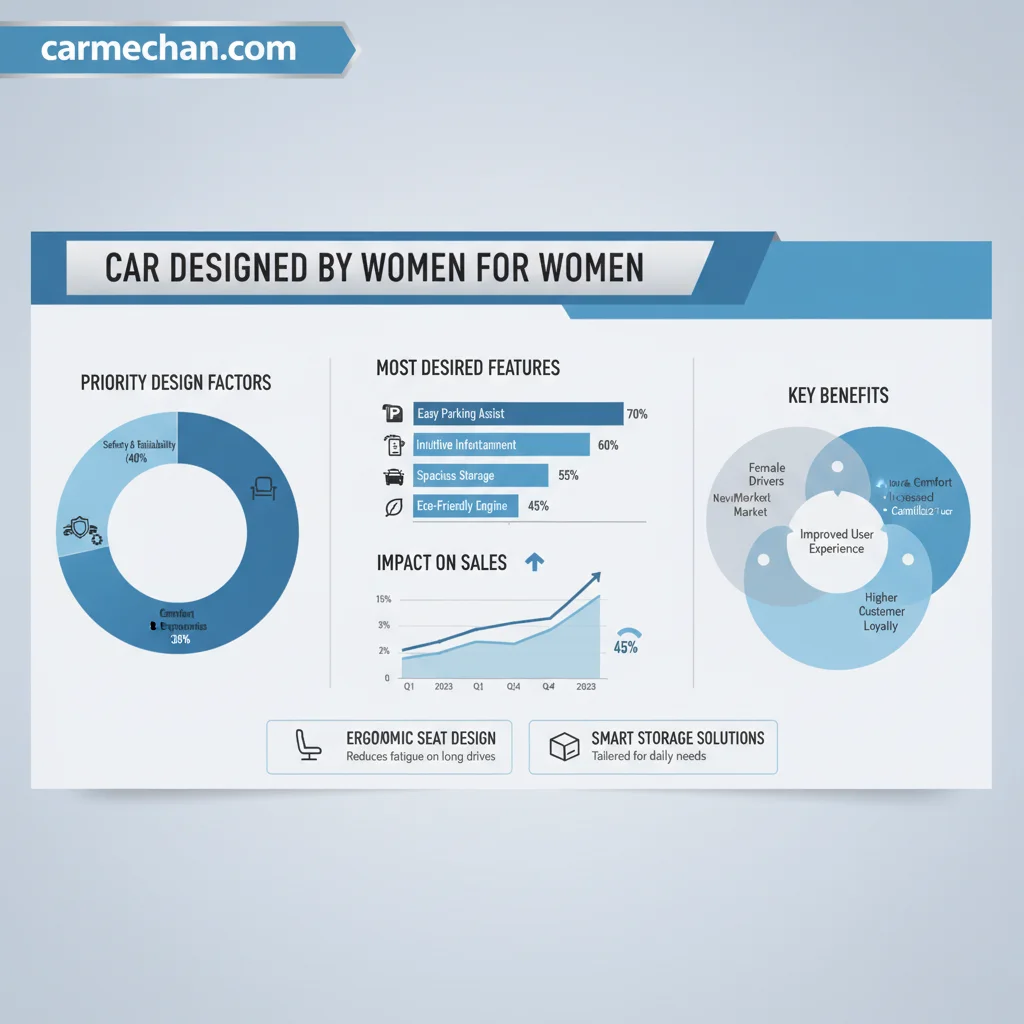
Relocating gear selectors from the center console to the steering column enables manufacturers to build larger storage compartments. You can easily place large handbags in these newly created under-console zones.
Modular dashboard pockets and rear seat storage organizers provide superior cargo utility compared to standard deep trunks. These smart layouts prevent delicate items from sliding around during transport.
Transitioning storage layouts is only one part of the equation; physical occupant protection systems require similar updates.
When to Upgrade Crash Test Dummies for Occupant Protection
Studies show that regulatory crash safety protocols must evolve past standard male-sized physical surrogates to prevent unequal injury outcomes.
For decades, safety testing relied almost exclusively on the 50th percentile male dummy designed in the twentieth century. This standard fails to represent the physical frames of female occupants.
According to Euro NCAP guidelines, recent safety assessments are incorporating advanced female-specific dummy models into driver-side crash tests. Complete regulatory harmonization is expected to materialize by our target year 2026.
Let us review some of the most common inquiries regarding female vehicle engineering.
Women Designed Cars Vs Traditional Models For Daily Commutes
Inclusive design teams create functional safety, storage, and visual improvements that standard engineering platforms ignore. The Volvo YCC model proved that a car designed by women for women results in a technically superior vehicle layout for all demographics.
These structural developments establish essential benchmarks for the entire industry by 2026. To explore how these design parameters influence modern mechanical configurations, consult our comprehensive vehicle troubleshooting analyses.
What Cars Are Designed By Women For Female Drivers
What Is the Volvo YCC and Who Designed It?
The Volvo YCC, or Your Concept Car, was a prototype vehicle developed in 2004 by an all-female design and engineering team at Volvo Cars. The project targeted the specific ergonomic, visibility, and cargo requirements of female drivers. It established several industry-first layout designs.
Why Does a Car Designed by Women for Women Have Better Safety Outcomes?
These vehicles utilize safety benchmarks based on varied anthropometric data rather than traditional male-only baselines. Adjusting for smaller statures and different seating postures helps minimize collision force impact on the chest. This reduces general injury risks.
How Does Inclusive Ergonomic Design Differ From Standard Automotive Styling?
Inclusive design alters physical vehicle architecture, such as lowering step-in heights and adding ponytail-clearing headrests. Standard automotive styling focuses primarily on cosmetic exterior finishes. Inclusive design optimizes mechanical proportions for diverse occupants.
What Was the Main Design Flaw of the Dodge La Femme?
The 1955 Dodge La Femme failed because it focused on pink-themed marketing aesthetics rather than functional mechanical or ergonomic engineering. It ignored the physiological differences of drivers. It was a superficial marketing exercise.
How Much Purchasing Power Do Female Car Buyers Actually Hold?
Verified automotive market data indicates that female car buyers directly influence up to 85 percent of all new vehicle purchasing decisions globally. This massive economic footprint makes inclusive design a financial necessity for manufacturers. It commands industry attention.
- automotive research (forbes.com)
- National Highway Traffic Safety Administration (nhtsa.gov)
- female physical diversity (reuters.com)
- Volvo YCC concept vehicle (en.wikipedia.org)
- Volvo Cars Media Archive (media.volvocars.com)
- International Organization for Standardization (iso.org)
- Statista Database (statista.com)
- VTI Research Institute (vti.se)