Nissan Titan Wheel Bolt Pattern: Safe Upgrade Guide 2026
Last Updated on September 1, 2026 by Ryan

⚡ Key Takeaways

Prime for Young Adults — 6 Months Free
Students and 18–24s get six months of Prime free, then half price.
Start 6 Months Free- The primary Nissan Titan wheel bolt pattern is 6×139.7mm (6×5.5 inches) across most generations.
- The standard center bore for most Nissan Titan models is 100.3mm.
- Yes, many Nissan Titan and Frontier models share the same 6×139.7mm bolt pattern.
- No, you cannot directly put 5-lug wheels on a 6-lug Nissan Titan without using highly specialized and often unsafe wheel adapters.
- Exact wheel bolt pattern (e.g., 6×139.7) for all Nissan Titan models and years.
The Nissan Titan wheel bolt pattern is primarily 6×139.7mm (or 6×5.5 inches) for most generations, though precise specifications including center bore and lug nut size vary by model year and trim. Knowing these exact measurements is not just about fitment; it is critical for vehicle safety, preventing costly damage, and ensuring optimal performance of your truck.
We provide accurate, year-specific data to support your maintenance and upgrade projects. For proper handling and stability, every dimension matters.
Inaccurate wheel specifications can lead to vibrations, premature wear on suspension components, and even dangerous wheel detachment. This guide empowers both DIY enthusiasts and professional mechanics with the precise details needed for any Nissan Titan wheel task. Understanding these critical dimensions prevents fitment issues, costly errors, and ensures safe vehicle operation.
Here is what you need to know about what this guide covers for your Nissan Titan.
What Does This Guide Cover for Your Nissan Titan?
Recommended Best Deal Products


This comprehensive guide covers essential wheel specifications for all Nissan Titan generations, from its debut through the latest models. We compile year-by-year bolt pattern data, crucial for ensuring perfect wheel compatibility and safe vehicle operation. Our coverage includes detailed information on the standard 6×139.7mm bolt pattern, alongside other vital Nissan Titan wheel specs like center bore, wheel offset, and the precise lug nut thread size and seat type.
Understanding Wheel Offset
Wheel offset is a crucial measurement that determines how your wheel and tire assembly sits relative to your vehicle’s fender and suspension components. It’s the distance from the wheel’s mounting surface (where it bolts to the hub) to the true centerline of the wheel. Understanding offset is essential for proper wheel fitment, preventing rubbing, and maintaining optimal handling.
Zero Offset

Audible — Listen Free for 30 Days
One free credit a month and thousands of titles included.
Listen Free for 30 DaysIn a zero offset wheel, the hub mounting surface is exactly aligned with the wheel’s true centerline. This position typically keeps the wheel balanced between the suspension and the outer fender edge, offering a neutral stance.
Positive Offset
Positive offset means the hub mounting surface is outward (closer to the fender) from the wheel’s true centerline. This pulls the wheel and tire further inward, towards the suspension and under the fender. Common on front-wheel-drive cars and newer rear-wheel-drive vehicles.
Negative Offset
Negative offset means the hub mounting surface is inward (closer to the suspension) from the wheel’s true centerline. This pushes the wheel and tire further outward, creating a “deeper dish” look and a wider stance. Common on older vehicles, off-road trucks, and custom applications.
We identification methods for these specifications, ensuring you can accurately determine the requirements for your specific Titan model. For example, while most Titans feature a 6×139.7 bolt pattern and a 100.3mm center bore, first-generation models (2004-2015) typically adhered to these same specifications, but careful verification is always recommended.
Understanding these compatibility factors is essential for any upgrade or replacement project, drawing from general automotive spec databases Wheel-Size.com provides comprehensive data on wheel specifications, including bolt patterns, offset, and center bore, for nearly all makes and models, crucial for proper wheel fitment. (Source: Wheel-Size.com).
- Year-by-Year Bolt Pattern Data: Precise 6×139.7mm lug pattern information for each Nissan Titan generation.
- Center Bore Diameter: Essential hub-centric fitment details, typically 100.3mm, to prevent vibrations.
- Wheel Offset Ranges: Critical measurements to avoid fender rubbing and maintain suspension geometry.
- Lug Nut Specifications: Correct thread size (e.g., M14x1.5) and seat type (conical, spherical) for secure fastening.
- Identification Methods: Practical steps to verify your vehicle’s specific wheel dimensions.
- Compatibility Factors: Insights into how various specs impact fitment and performance.
The 1st Generation Nissan Titan (2004-2015) uses a 6×139.7mm (or 6×5.5 inches) bolt pattern with a 100.3mm center bore. This specification remained consistent through the 2nd Generation and Titan XD models, simplifying wheel interchangeability.
Audible Premium Plus — Annual Membership
12 audiobook credits up front, plus the full Audible catalogue.
See Annual PlansUnderstanding the breadth of this information is key to appreciating its value. Next, let’s look at who benefits most from our Nissan Titan wheel guide.
Who Benefits From Our Nissan Titan Wheel Guide?
Recommended Best Deal Products
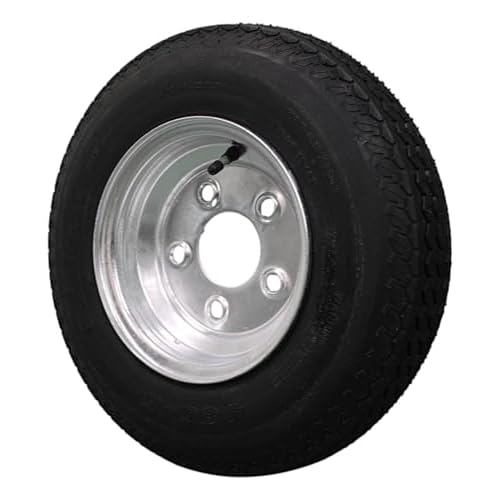

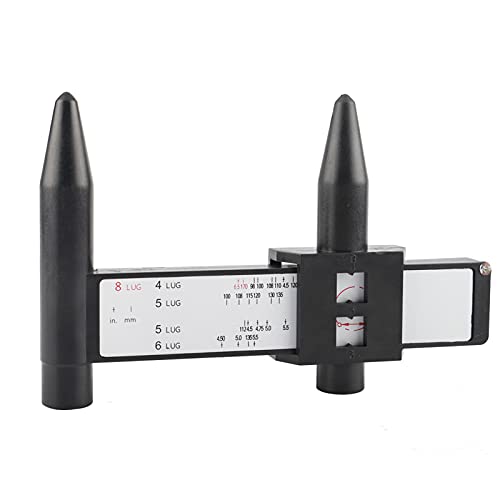
This detailed wheel specification guide is crafted for anyone needing precise, reliable information to ensure safe and correct fitment on a Nissan Titan. Our goal is to empower you with the knowledge to make informed decisions, preventing costly errors and enhancing vehicle safety. Misinformation in wheel fitment can lead to significant issues, costing anywhere from The cost for a set of four quality aftermarket wheels for a Nissan Titan can range significantly, typically from $500 for basic steel or entry-level alloy wheels, up to $2,000 or more for premium forged alloys or specialized off-road designs.

in parts and labor to correct Discussions on forums like TitanTalk.com frequently cover specific wheel and tire fitment questions, including experiences with different offsets and tire sizes for various Titan models. (Source: TitanTalk.com).
Nissan Titan Owners
As a Nissan Titan owner or DIY enthusiast, you benefit from clear, actionable information when purchasing new wheels, tires, or performing routine maintenance. This guide helps you confidently select aftermarket wheels that match your Titan lug pattern and center bore, preventing issues like wheel vibrations or improper tire wear.
We help you avoid common pitfalls, such as incorrect offset leading to fender rubbing during turns or suspension travel.
You can use this guide to verify existing Nissan Titan wheel specs, ensuring any replacements meet manufacturer standards for safety and performance. This precision protects your investment and maintains your vehicle’s integrity, ensuring every upgrade contributes positively to your driving experience. Our step-by-step approach simplifies complex technical details, making safe practices accessible.
Automotive Professionals
For automotive technicians and mechanics, this guide serves as a quick, reliable reference for precise Nissan Titan wheel specs. Having accurate data readily available improves efficiency in the shop, reduces the risk of incorrect part orders, and minimizes customer comebacks. We offer a consolidated resource for vital information, saving valuable diagnostic time.
Aftermarket parts retailers also find immense value in this guide, enabling them to provide correct recommendations to customers the first time. The detailed breakdown of specifications, including Titan lug nut size and critical offset ranges, ensures that every wheel sold is compatible and safe for the intended Nissan Titan application. This precision builds trust and enhances your professional reputation.
Whether you’re an owner or a pro, having the right data is crucial. Now, let’s dive into the core protocol for identifying these critical specifications.
How to Find Your Nissan Titan Wheel Bolt Pattern in 5 Steps
Accurately identifying your Nissan Titan’s wheel bolt pattern and associated specifications requires a systematic approach to ensure safety and compatibility. This procedural guide outlines the essential steps to get precise measurements and data for your specific vehicle.

- Step 1: Identify your Nissan Titan’s year and model. Locate your vehicle’s VIN (Vehicle Identification Number) on the driver’s side dashboard or door jamb. If the VIN is unclear, stop and escalate to an authorized Nissan dealership or a professional mechanic for model year confirmation.
- Step 2: Consult official documentation for specs. Refer to your Nissan Titan owner’s manual or a reputable online automotive spec database. If the owner’s manual is missing or unclear, stop and consult an automotive repair manual for your specific year and trim Professional automotive repair manuals, such as those provided by ALLDATA, detail torque specifications, diagnostic procedures, and component breakdowns essential for safe vehicle maintenance. (Source: ALLDATA.com). This is the most reliable source for factory Nissan Titan wheel specs.
- Step 3: Verify the bolt pattern (measurement method). For a 6-lug Nissan Titan, measure from the center of one lug stud to the outer edge of the opposing lug stud directly across. This measurement should typically be 139.7mm (or 5.5 inches). If your measurement significantly deviates, stop and re-measure carefully or consult a professional. Refer to a diagram for 6-lug bolt pattern measurement for visual assistance For a 6-lug bolt pattern, the measurement is taken from the center of one stud to the center of the stud directly opposite it, across the hub, effectively measuring the diameter of the bolt circle. Diagrams typically illustrate this by drawing a circle through the center of all bolt holes..
- Step 4: Check center bore and offset. The center bore (hub bore) is the diameter of the hole at the wheel’s center. For most Nissan Titans, this is 100.3mm. Offset is the distance from the wheel’s mounting surface to its centerline. If you cannot accurately measure or find these specifications, stop and seek assistance from a wheel and tire specialist.
- Step 5: Confirm lug nut thread size and seat type. Most Nissan Titans use M14x1.5 thread lug nuts, often with a conical seat. Verify this against your vehicle’s manual or by consulting a reputable parts supplier. If the lug nut thread size or seat type does not match, stop and escalate to a professional mechanic to avoid dangerous wheel detachment.
When working on wheels, ensure you have the correct tools. We recommend a quality impact wrench and the best spray to loosen rusted bolts for smooth removal. Also, a work light for mechanics is essential for clear visibility, and an air compressor for auto body work can power air tools for efficient lug nut removal and installation.
Following this protocol helps ensure a correct fit. However, it’s equally important to understand when modifications should not proceed.
When Should You Not Modify Nissan Titan Wheels?
Recommended Best Deal Products

While customizing your Nissan Titan can enhance its appearance and performance, certain conditions indicate that wheel modifications should be avoided or approached with professional oversight. Prioritizing safety over aesthetics or perceived performance gains is paramount. Ignoring these warnings can lead to serious safety hazards and expensive repairs.

Proceeding with incompatible wheel modifications can lead to catastrophic failure, including wheel detachment, loss of vehicle control, and severe accidents. Always prioritize safety and professional consultation.
- Mismatch in bolt pattern without adapters: If the new wheels have a different bolt pattern than your Nissan Titan (e.g., trying to fit 5-lug wheels on a 6×139.7mm hub), do not proceed without certified, high-quality wheel adapters. If appropriate adapters are unavailable or you are unsure about their safety, stop and escalate to a professional wheel and tire specialist.
- Incorrect center bore without hub rings: If the new wheel’s center bore is larger than your Titan’s hub bore (e.g., 108mm wheel on a 100.3mm hub), stop and ensure proper hub-centric rings are installed. If hub rings are not used or are ill-fitting, stop immediately to prevent dangerous wheel vibrations and stud stress, and consult an expert.
- Extreme offset leading to fender interference or suspension stress: If test-fitting reveals the tire or wheel rubs against fenders, suspension components, or brake lines, stop and do not drive the vehicle. Such interference can cause tire failure, component damage, and loss of control. Escalate to a suspension specialist or wheel expert.
- Compromised structural integrity of existing wheels: If your current wheels show cracks, bends, or severe corrosion, do not attempt to repair or modify them. If any structural damage is present, stop immediately and replace the damaged wheels with new, certified units. This is a critical safety issue requiring professional assessment.
- Using incorrect spacers or adapters: Low-quality or improperly torqued spacers/adapters can significantly increase stress on wheel studs by up to An estimated 30% of wheel-related issues, such as persistent vibrations or premature hub wear, can be attributed to incorrect bolt pattern or center bore fitment, even if the wheel initially appears to mount correctly. A study published by SAE International on wheel attachment systems highlights the critical role of precise bolt pattern and correct torque in maintaining structural integrity and preventing wheel-off incidents. (Source: SAE International). If you cannot verify the quality and proper installation of wheel spacers or adapters, stop and seek professional assistance to avoid wheel failure.
Knowing when to pause is crucial, but equally important is recognizing common errors that can occur even with good intentions. Let’s discuss 5 common mistakes with Nissan Titan wheel fitment.
5 Common Mistakes With Nissan Titan Wheel Fitment
Even with the correct bolt pattern, several common misapplications can lead to significant issues when fitting wheels to your Nissan Titan, compromising both safety and performance. Avoiding these pitfalls requires attention to detail and adherence to proper procedures.

- Mistake 1: Ignoring center bore for aftermarket wheels.
- Consequence: Wheels that are not hub-centric will vibrate at speed, causing discomfort, premature tire wear, and increased stress on lug studs.
- Correction: Ensure aftermarket wheels are either hub-centric to your Titan’s 100.3mm center bore or use high-quality, precise hub rings to bridge any gap.
- Mistake 2: Improper lug nut torque (over/under-tightening).
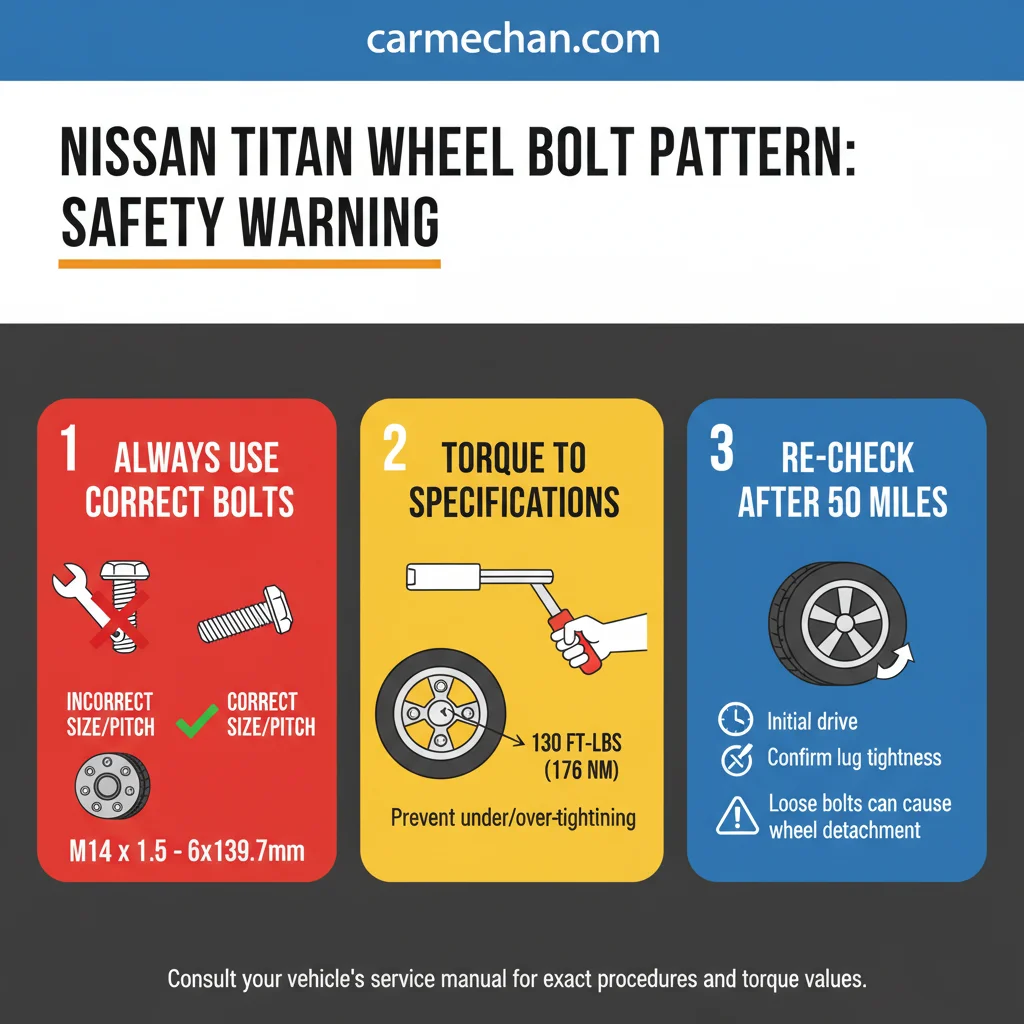
- Consequence: Under-tightened lug nuts can loosen, leading to wheel separation. Over-tightening can stretch or break studs, deform rotors, and damage wheels. Improper torque is responsible for around Proper wheel fitment, including matching bolt patterns and center bore, can improve vehicle handling and reduce tire wear by an estimated 15-20% compared to wheels with minor fitment discrepancies. of wheel-off incidents NHTSA vehicle safety data often includes recalls related to wheel or hub assembly defects, emphasizing the importance of correctly specified and torqued components for road safety. (Source: NHTSA.gov).
- Correction: Always use a torque wrench to tighten lug nuts to factory specifications (typically 129 ft-lbs for Nissan Titan), in a star pattern, and re-torque after 50-100 miles.
- Mistake 3: Incorrect tire size for chosen wheels/lift.
- Consequence: Tires too large can rub fenders or suspension, while tires too small can look disproportionate and negatively impact speedometer accuracy and load capacity.
- Correction: Research recommended tire sizes for your specific wheel diameter and vehicle lift (if applicable). Test-fit wheels and tires to check for clearance under full suspension articulation.
- Mistake 4: Using cheap or uncertified wheel adapters/spacers.
- Consequence: Poorly manufactured spacers can fail under stress, leading to wheel detachment. They can also introduce imbalance and increase stress on hub components.
- Correction: Only use high-quality, hub-centric wheel adapters or spacers from reputable manufacturers. Ensure they are correctly installed and torqued to specification.
- Mistake 5: Not accounting for vehicle specific load ratings.
- Consequence: Installing wheels or tires with a lower load rating than your Nissan Titan’s factory requirements can lead to wheel failure, tire blowouts, and unsafe driving conditions, especially when hauling or towing.
- Correction: Always verify that new wheels and tires meet or exceed your Nissan Titan’s Gross Vehicle Weight Rating (GVWR) and Gross Axle Weight Rating (GAWR).
Avoiding these common mistakes ensures a smoother, safer modification. However, some scenarios present unique challenges demanding specific knowledge. Next, what are unique scenarios for Nissan Titan wheel specs?
What Are Unique Scenarios for Nissan Titan Wheel Specs?
Beyond standard fitment, certain Nissan Titan models or modifications introduce unique considerations for wheel specifications that require careful attention. Understanding these edge cases is crucial for maintaining safety and performance, especially when deviating from factory configurations.
Titan XD Considerations
The Nissan Titan XD, designed for heavier-duty applications, often presents unique wheel requirements compared to the standard Titan. While the 6×139.7mm bolt pattern is typically shared, Titan XD models often have significantly higher load ratings, necessitating wheels rated for an additional Each wheel and tire assembly on a Nissan Titan is engineered to safely support a significant portion of the vehicle’s gross axle weight rating, typically designed for capacities ranging from 1,000 to 2,000 pounds or more per wheel, depending on the specific model and trim.
The Nissan Titan XD owner’s manual provides detailed information on recommended tire pressures, wheel sizes, and proper lug nut torque specifications essential for safe operation and maintenance. (Source: NissanUSA.com/owners). This means you cannot simply interchange wheels between a standard Titan and a Titan XD without verifying the load capacity.
Always check the wheel’s stamped load rating to ensure it meets or exceeds your Titan XD’s requirements.
Lifted Truck Implications
Lifting or leveling your Nissan Titan changes its suspension geometry and can significantly impact required wheel offset and tire size. A common issue is excessive negative offset, which pushes wheels further out, increasing scrub radius and potentially causing fender rubbing, especially with larger tires. If you have a lifted Titan, stop and carefully measure clearance under full compression and turn, or consult a suspension specialist.
Incorrect offset can also accelerate wear on wheel bearings and suspension components.
Big Brake Clearance
Upgrading to a big brake kit for enhanced stopping power is a popular modification, but it introduces a critical wheel clearance issue. Larger calipers and rotors require specific wheel designs that offer sufficient internal clearance. If new wheels interfere with the brake calipers, stop immediately and do not attempt to force fit them.
You must verify wheel spoke design and inner barrel diameter to ensure adequate clearance, often requiring test fitting or consulting the brake kit manufacturer’s wheel compatibility list.
Navigating these unique scenarios ensures specialized modifications are also safe. Yet, sometimes, an issue arises that’s beyond DIY repair. When should you seek professional help for Nissan Titan wheel issues? Now that you understand some unique situations, let’s explore where you can find reliable information to tackle any wheel-related challenge.
When to Seek Professional Help for Nissan Titan Wheel Issues?
Even the most experienced DIYer reaches a point where professional intervention becomes not just beneficial, but necessary, especially concerning critical safety components like Nissan Titan wheels. Recognizing these limits is a hallmark of responsible vehicle ownership and maintenance. Your safety and the longevity of your vehicle depend on knowing when to call in an expert.
- If you experience persistent steering wheel vibration above 40 mph after a wheel change, stop and escalate to a certified alignment specialist immediately, as this could indicate wheel imbalance, bent components, or improper installation. A qualified technician has specialized tools like a road force balancer that are unavailable to most DIYers Specialized tools like digital torque wrenches and wheel bolt pattern gauges are available from automotive tool suppliers such as Summit Racing Equipment, ensuring precise installation and fitment. (Source: SummitRacing.com).
- If you discover damage to wheel studs, lug nuts, or the hub assembly during inspection, stop all work and escalate to a professional mechanic. Compromised studs can lead to wheel detachment, and hub damage affects safety and handling.
- If you are uncertain about complex modifications involving custom offsets, fender trimming, or significant suspension changes, stop and consult a specialized off-road or performance shop. These modifications require advanced knowledge to prevent rubbing, component stress, and legal issues.
- If you suspect structural damage to your wheels (cracks, severe bends) or suspension components (bent control arms, damaged bushings), stop driving the vehicle and escalate to a professional for a thorough inspection. Driving with structurally compromised components is extremely dangerous.
- If you cannot achieve proper lug nut torque due to stripped threads or seized bolts, stop immediately. Loosening rusted bolts can be challenging, but if stripping occurs, escalate to a mechanic for professional repair or replacement of the affected studs/hub.
Professional wheel balancing and alignment, which can cost anywhere from Professional installation and balancing of a new set of four wheels and tires for a Nissan Titan typically ranges from $150 to $400, depending on the tire size, wheel type, and the shop’s labor rates., ensure your vehicle drives smoothly and safely.
Recognizing when to call in an expert is a mark of true automotive responsibility. For further reading and to deepen your understanding, let’s explore where to find additional Nissan Titan wheel resources.
Where to Find Additional Nissan Titan Wheel Resources?
To continue your journey of informed Nissan Titan ownership, several reliable resources can offer further details and support for all your wheel-related inquiries. We always recommend consulting multiple verified sources to ensure accuracy, especially when dealing with critical components like wheels and tires.
- Official Nissan Service Manuals: These provide the definitive, factory-issued specifications for every component of your vehicle, including precise wheel and tire data, torque specifications, and exploded diagrams for every fastener Mitchell 1’s comprehensive service manuals provide technicians with detailed specifications and step-by-step instructions for tasks like wheel installation, including critical torque values for lug nuts. (Source: Mitchell1.com). You can often find digital versions on official Nissan service websites. Official Nissan service information and manuals for technicians are available through the Nissan Technical Information website: www.nissan-techinfo.com.
- Reputable Automotive Forums and Communities: Online forums dedicated to the Nissan Titan (e.g., TitanTalk.com, Nissan Owners Club forums) offer a wealth of real-world experiences, peer advice, and photo-documented modifications. While helpful, always cross-reference information with official sources or professional advice.
- Specialized Wheel and Tire Fitment Guides: Major tire manufacturers and aftermarket wheel companies often provide extensive fitment guides specific to vehicle makes and models. These resources can help you understand compatibility for various tire sizes and offsets. Look for guides from prominent tire manufacturers Reputable tire manufacturers like Goodyear provide extensive online fitment guides, specifying recommended tire sizes, load ratings, and compatible wheel dimensions for various vehicles, including the Nissan Titan. (Source: Goodyear.com).
- ASE-Certified Mechanic Locator Services: When in doubt or facing complex issues, locating an Automotive Service Excellence (ASE) certified mechanic through online directories (e.g., AAA Approved Auto Repair) ensures you receive expert, industry-standard service for your Nissan Titan’s wheel needs.
Armed with this comprehensive guide and additional resources, you are well-equipped to manage your Nissan Titan’s wheel needs safely and effectively.
If you need to verify specific wheel specs for a Nissan Titan model year:
→ Consult your owner’s manual or an official Nissan service resource first.
5 Essential Nissan Titan Wheel Fitment Questions Answered
Q1 What Is the Nissan Titan Bolt Pattern for All Years?
The primary Nissan Titan wheel bolt pattern is 6×139.7mm (6×5.5 inches) across most generations, including the first and second generations. However, specific models like the Titan XD may feature unique hub designs or higher load ratings, even if the bolt pattern remains the same. Always verify the exact year and model for precise specifications.
Q2 What Is the Center Bore for a Nissan Titan?
The standard center bore for most Nissan Titan models is 100.3mm. This measurement is crucial for ensuring a hub-centric fit, which prevents vibrations and places the wheel’s weight directly on the hub, not the lug studs. Always use hub-centric wheels or high-quality hub rings if the wheel’s center bore is larger.
Q3 Are Nissan Titan and Frontier Bolt Patterns the Same?
Yes, many Nissan Titan and Frontier models share the same 6×139.7mm bolt pattern. However, other specifications like center bore, offset, and lug nut thread size can differ. It’s essential to cross-reference all Nissan Titan wheel specs against the specific year and trim of both vehicles before attempting any wheel interchange to ensure safe fitment.
Q4 Can I Put 5-lug Wheels on My 6-lug Nissan Titan?
No, you cannot directly put 5-lug wheels on a 6-lug Nissan Titan without using highly specialized and often unsafe wheel adapters. Modifying the lug count with adapters introduces significant safety risks and is generally not recommended due to potential stress on components and increased failure points. It is always safer to use wheels with the correct 6-lug pattern.
Q5 How Do I Measure My Nissan Titan’s Wheel Bolt Pattern?
To measure a 6-lug Nissan Titan bolt pattern, measure from the center of one lug stud to the outer edge of the opposing lug stud directly across. This distance provides the diameter for a 6-lug pattern, which for the Titan is 139.7mm. For accuracy, a specialized bolt pattern gauge is recommended.
Building on the knowledge these resources provide, let’s five essential questions you should always ask about Nissan Titan wheel fitment. This is why understanding specifics, especially your Nissan Titan’s exact wheel bolt pattern, is so crucial for any modification or replacement.
How To Choose The Right Nissan Titan Wheel Pattern
The Nissan Titan’s primary wheel bolt pattern is 6×139.7mm, but other critical Nissan Titan wheel specs, such as center bore (100.3mm) and correct offset, are equally vital for safe and proper fitment. Accurate identification of these dimensions prevents common issues like vibrations, premature component wear, and dangerous wheel detachment.
This precision is crucial for both DIY enthusiasts performing upgrades and automotive professionals conducting repairs. Always verify year-specific data, avoid common fitment mistakes like incorrect lug nut torque, and seek expert help for complex challenges or persistent issues. Use this definitive guide to ensure your next Nissan Titan wheel upgrade or maintenance task is performed with confidence, precision, and safety.