How Long Do Toyota Camrys Last? Lifespan, Mileage & Durability
Last Updated on September 1, 2026 by Ryan
Toyota Camrys are renowned for their exceptional durability and longevity, often lasting well over 200,000 to 300,000 miles with proper maintenance. Many owners report reliable service for 15-20 years or more, making them a popular choice for long-term ownership.
🎯 Key Takeaways
- Proper maintenance extends Camry lifespan significantly.
- Expect 200k-300k+ miles from a well-kept Camry.
- Driving habits directly impact your Camry’s longevity.
- Regular fluid changes are crucial for engine health.
- Early model years often show strong reliability.


A Reliability Scores – J.D. Power”>camry/reliability/” target=”_blank” rel=”noopener noreferrer” title=”Toyota Camry Reliability Ratings – Consumer Reports”>Toyota Camry can reliably last between 200,000 to 250,000 miles, and often significantly more, with diligent maintenance. This translates to an impressive 15 to 20 years of service for the average driver, making it one of the most durable and long-lasting sedans on the market. This exceptional longevity is a primary reason why the Camry remains a top choice for car buyers prioritizing long-term value and minimal ownership costs.
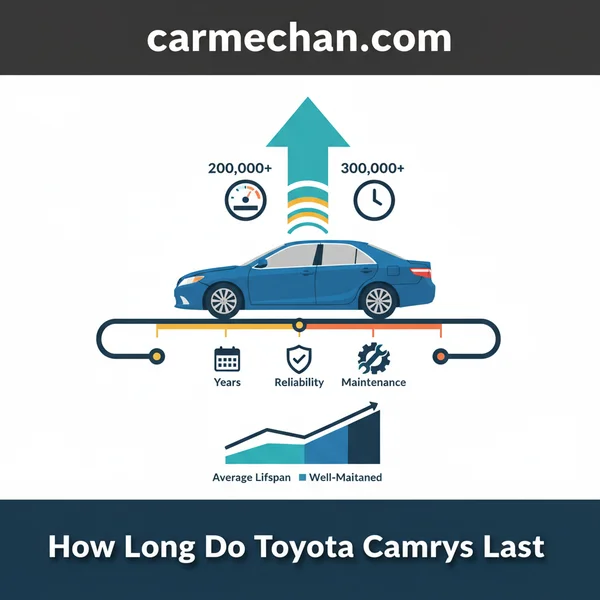
Understanding these mileage and year benchmarks is crucial for planning your vehicle purchase or evaluating your current Camry’s potential. Knowing what to expect allows you to budget for maintenance, anticipate major component lifespans, and confidently project how many more years your trusted sedan can serve your family. It’s not just about getting from point A to B; it’s about reliable, worry-free transportation for the long haul.
The Impressive Lifespan and Mileage Expectations of a Toyota Camry
Toyota Camrys are renowned for their incredible endurance, consistently outperforming many rivals in terms of sheer longevity. You can realistically expect your Camry to hit substantial mileage milestones without major issues, provided you treat it well. This isn’t just anecdotal; it’s backed by countless owner experiences and automotive reliability studies that highlight Toyota’s robust engineering.

Reaching Milestone Mileage
For most Camry owners, reaching 200,000 miles is a common achievement rather than an outlier. Many examples on the road today, particularly from the 2000s and 2010s, have surpassed this mark with their original engines and transmissions still performing strongly. Pushing your Camry past 250,000 miles is also very attainable, especially for models from generations known for their bulletproof powertrains, such as the XV40 (2007-2011) and XV50 (2012-2017) generations. What truly sets the Camry apart is its ability to accumulate high mileage with minimal fuss, avoiding the frequent, costly repairs often associated with older vehicles.
- 200,000 miles: A realistic and common target for a well-maintained Camry.
- 250,000+ miles: Achievable with consistent care, good driving habits, and addressing minor issues promptly.
- Many Camrys operate reliably into their third decade, often seen as secondary vehicles or commuter cars.
Years of Reliable Service
Translating mileage into years, a Toyota Camry typically offers 15 to 20 years of dependable service for the average driver who logs around 12,000 to 15,000 miles annually. This extended lifespan makes the Camry an exceptionally cost-effective vehicle. For families or individuals seeking a long-term investment, this durability means fewer vehicle changes, less depreciation stress, and sustained peace of mind. Even older Camrys tend to hold their value remarkably well due to their reputation for lasting performance.
- 15-20 years: Typical lifespan with average driving habits.
- Lower long-term cost of ownership due to infrequent replacement and high resale value.
- Considerable value remains even for models reaching two decades in age, especially for basic transportation needs.
Key Factors Influencing Your Camry’s Longevity and Reliability
While the Toyota Camry is engineered for durability, its ultimate lifespan isn’t solely predetermined at the factory. Your actions and environment play a significant role. Maximizing your Camry’s potential means understanding and actively managing a few critical factors. By focusing on these areas, you can significantly extend your vehicle’s life beyond even its impressive average.
The Critical Role of Maintenance
Diligent adherence to the factory-recommended maintenance schedule is the single most important factor in your Camry’s longevity. Skipping oil changes, ignoring fluid flushes, or delaying filter replacements can drastically shorten its lifespan. Toyota designs its vehicles with specific service intervals for a reason: to keep components operating optimally and prevent premature wear. Think of it as preventative medicine for your car; minor check-ups prevent major illnesses. Using quality parts and fluids also makes a difference, particularly for critical systems like the engine and transmission.
Key maintenance points include:
- Regular Oil Changes: Crucial for engine health; follow the manufacturer’s specified interval (e.g., every 5,000-10,000 miles).
- Transmission Fluid Changes: Often overlooked, but vital for smooth shifting and preventing costly transmission failure. Consult your owner’s manual for specific intervals.
- Coolant Flushes: Prevents overheating and corrosion within the engine’s cooling system.
- Brake Inspections and Replacements: Ensures safety and prevents damage to other braking components.
- Tire Rotations and Alignments: Extends tire life and improves fuel efficiency and handling.
- Filter Replacements: Air and filter location featured.png”>cabin filters keep your engine and lungs healthy.
Proactive maintenance catches small issues before they become expensive problems, ensuring your Camry continues to run efficiently for hundreds of thousands of miles.
Driving Habits and Environmental Impact
How and where you drive your Camry also profoundly impacts its lifespan. Aggressive driving, such as frequent hard acceleration and braking, puts undue stress on the engine, transmission, and brakes, accelerating wear and tear. Conversely, smooth, consistent driving minimizes strain and conserves components. Your environment also matters. Frequent short trips, for example, don’t allow the engine to reach optimal operating temperature, leading to increased wear and carbon buildup. Highway driving, surprisingly, can be gentler on a car than stop-and-go city traffic, as it maintains consistent speeds and reduces shifting.
Consider these aspects:
- Driving Style: Smooth acceleration and gradual braking are gentler on all components. Avoid excessive idling.
- Driving Conditions: Primarily highway driving generally prolongs life compared to constant city driving with frequent stops and starts.
- Climate: Extreme hot or cold weather can stress fluids, batteries, and rubber components. Rust is a significant concern in regions with heavy road salt usage during winter.
- Load Carried: Regularly hauling heavy loads or towing (though Camrys are not primarily towing vehicles) puts extra strain on the powertrain and suspension.
Understanding these influences empowers you to make choices that will keep your Camry on the road, performing reliably, for many years and miles to come.
Maximizing Your Camry’s Lifespan Through Proactive Maintenance
While the Toyota Camry is engineered for durability, its impressive lifespan isn’t purely by chance. A significant part of its longevity comes down to consistent, proactive maintenance. Think of it like a marathon runner training – proper care and preparation are key to reaching the finish line strong.

Regular Service: The Foundation of Longevity


Following Toyota’s recommended maintenance schedule is the single most important thing you can do for your Camry. These schedules are designed to address wear and tear before it becomes a major problem. It’s not just about oil changes; it’s a comprehensive plan.
- Oil and Filter Changes: Fresh oil lubricates engine components, preventing friction and heat build-up. Neglecting this is a fast track to engine damage.
- Fluid Checks and Replacements: This includes transmission fluid, brake fluid, coolant, and power steering fluid. Each plays a vital role in different systems, and old or low fluids can cause significant wear.
- Tire Rotations and Pressure Checks: Proper tire care ensures even wear, extends tire life, and contributes to better fuel economy and safety.
- Brake Inspections: Regularly checking brake pads, rotors, and fluid helps maintain stopping power and prevents more costly repairs down the road.
Skipping even a single service might seem harmless, but over time, these small omissions can accumulate, shortening your Camry’s effective lifespan.
Addressing Minor Issues Promptly
It’s tempting to ignore a strange sound or a dashboard warning light, especially if your Camry still seems to be running fine. However, putting off small repairs often leads to bigger, more expensive problems. A minor issue like a failing sensor can sometimes affect other systems if left unaddressed.
- Don’t Ignore Warning Lights: A “Check Engine” light, for instance, could indicate anything from a loose gas cap to a more serious engine issue. Get it diagnosed.
- Listen to Your Car: Unusual noises (squeaks, grinding, thumps) are your car’s way of telling you something is wrong. Investigate them.
- Address Fluid Leaks: Even small drips can signify a larger problem developing. Early detection can save your engine or transmission.
Being proactive means recognizing that preventative care and timely repairs are an investment, not an expense, in your Camry’s future.
What to Expect and Consider with a High-Mileage Toyota Camry
Finding a Toyota Camry with 150,000, 200,000, or even 250,000 miles on the odometer isn’t uncommon. While these vehicles certainly have plenty of life left, it’s realistic to expect some components will be nearing the end of their service life. Understanding this helps you make informed decisions, whether you own one or are considering buying a used model.
Common Wear Items and Potential Costs
As a car ages, certain parts naturally wear out due to constant use, regardless of how well the vehicle has been maintained. These are the components that take the brunt of daily driving.
- Suspension Components: Shocks, struts, bushings, and control arms can wear down, leading to a less comfortable ride, poor handling, and increased tire wear.
- Belts and Hoses: Rubber components degrade over time. Serpentine belts, timing belts (on older models if applicable), and coolant hoses need periodic replacement to prevent breakdowns.
- Brake System: While pads and rotors are routine, calipers and brake lines can also require attention on very high-mileage vehicles.
- Exhaust System: Mufflers, pipes, and catalytic converters can rust or fail, especially in climates with road salt.
- Fluid Leaks: Seals and gaskets can harden and crack, leading to oil, transmission fluid, or coolant leaks.
These replacements are part of owning a high-mileage vehicle and shouldn’t necessarily deter you. A well-maintained Camry with a few worn-out parts is often a better investment than a low-mileage car that’s been neglected.
The Importance of a Pre-Purchase Inspection
If you’re in the market for a high-mileage Camry, a professional pre-purchase inspection (PPI) is non-negotiable. This is your best defense against unexpected repair bills shortly after your purchase.
- Objective Assessment: A trusted, independent mechanic can thoroughly inspect the vehicle, identify existing issues, and give you an estimate of future maintenance needs.
- Hidden Problems: They can spot things you might miss, like rust on the undercarriage, subtle fluid leaks, or issues with the transmission or engine that aren’t immediately obvious.
- Negotiating Power: Knowing about potential repairs can give you leverage to negotiate a better price or request the seller to address certain issues.
A small investment in a PPI can save you thousands of dollars and immense frustration, ensuring you bring home a reliable high-mileage Camry, not a money pit.
The Camry: A Lasting Legacy
The Toyota Camry truly stands as a testament to reliability and longevity in the automotive world. Its reputation for reaching remarkable mileage milestones isn’t just a marketing slogan; it’s a reality for countless owners. By understanding what contributes to its durability and, more importantly, committing to proactive maintenance, you can expect your Camry to be a faithful companion for many years and hundreds of thousands of miles.
Whether you’re looking to maximize your current Camry’s lifespan or seeking a dependable high-mileage option, remember that consistent care is your greatest asset. Take pride in its reliability, schedule that next service, and trust in the lasting legacy of the Toyota Camry.
❓ Frequently Asked Questions
What specific mileage range can I expect from a Toyota Camry?
Toyota Camrys are consistently praised for their ability to reach 200,000 to 300,000 miles or more with diligent care and routine maintenance. Some owners even report exceeding 400,000 miles, making them top contenders for long-term reliability.
How does maintenance significantly affect a Camry’s lifespan?


Adhering strictly to the manufacturer’s recommended maintenance schedule, including regular oil changes, fluid checks, and timely part replacements, is paramount. Proactive maintenance prevents minor issues from escalating into costly major repairs, significantly extending the vehicle’s functional life.
Are certain Camry model years known for better longevity or issues?
While most Camry generations are highly reliable, models from the 1990s and early 2000s (e.g., XV20 and XV30 generations) are particularly celebrated for their robust engines and minimal systemic issues. Modern Camrys continue this tradition with advanced engineering ensuring impressive durability across the board.
What are the common issues that might arise in a high-mileage Camry?
At very high mileages (e.g., over 200,000 miles), common wear items like suspension components (shocks, struts), alternators, water pumps, and brake parts will likely need replacement. Major engine and transmission issues are less common but can occur if fluid changes and service intervals are severely neglected.
How do driving habits impact a Toyota Camry’s durability and lifespan?
Smooth driving, avoiding excessive acceleration, harsh braking, and minimizing frequent short trips contribute to significantly longer component life for your Camry. Consistent highway driving is generally less taxing on a vehicle’s engine and transmission than stop-and-go city traffic, promoting better overall longevity.
Is it a good idea to buy a high-mileage Toyota Camry?
Buying a high-mileage Camry can be a smart and economical decision if it comes with a complete and verifiable service history indicating proper, consistent maintenance. A well-maintained Camry with 150,000 to 200,000 miles often has many more reliable years and miles ahead, offering excellent value for its purchase price.