
Gin and Orange Juice: Perfect & Refreshing
Last Updated on December 27, 2025 by Ryan


The combination of gin and orange juice is a classic pairing that often flies under the radar compared to its vodka-based cousin, the Screwdriver. However, those who appreciate the botanical complexity of a fine gin know that the bright, citrusy acidity of orange juice is the perfect foil for juniper and coriander notes. Often referred to as an “Orange Blossom” when mixed with a few extra ingredients, or simply a “Gin and Juice” in popular culture, this beverage is remarkably refreshing and easy to prepare. Whether you are hosting a summer brunch or looking for a crisp evening sundowner, understanding the nuances of this duo can elevate your home bartending game. In this guide, we will explore the best ways to balance these flavors, from choosing the right spirits to utilizing a blender for a modern, frozen twist.
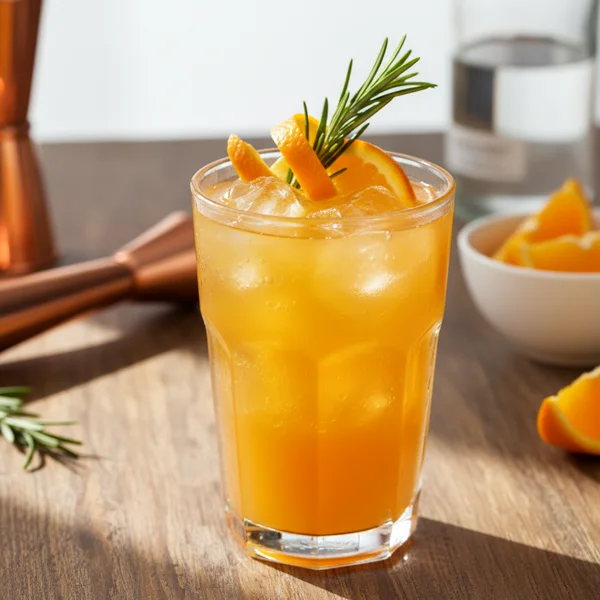
The secret to a superior gin and orange juice lies in the quality of the citrus; using freshly squeezed juice and a juniper-forward London Dry gin creates a sophisticated, balanced profile that far surpasses standard well-drink versions.
The Historical Roots of Gin and Orange Juice
The marriage of gin and orange juice is not a modern invention. Its roots can be traced back to the Prohibition era in the United States. During this time, the quality of illicitly produced “bathtub gin” was often harsh and unpalatable. Speakeasy bartenders discovered that the strong, sweet, and acidic profile of orange juice was exceptionally effective at masking the off-notes of low-quality spirits. This led to the creation of the Orange Blossom cocktail, which typically included gin, orange juice, and sometimes sweet vermouth or honey syrup.
As the quality of gin improved in the post-Prohibition years, the drink evolved from a mask for poor spirits into a celebrated beverage in its own right. In the 1990s, the pairing saw a massive resurgence in popular culture, cementing its place as a staple in casual social settings. Unlike the Screwdriver, which relies on the neutrality of vodka, the gin version offers a much deeper sensory experience. The botanicals in the gin—ranging from citrus peels and licorice to orris root and cardamom—interact with the natural sugars in the orange juice to create a drink that is both complex and incredibly refreshing.
Choosing the Perfect Gin and Juice Pairing
Not all gins are created equal when it comes to mixing with citrus. The profile of your drink will shift dramatically depending on the bottle you pull from the shelf. To achieve the best results, you must consider the dominant botanicals in the gin and how they harmonize with the acidity of the orange juice.
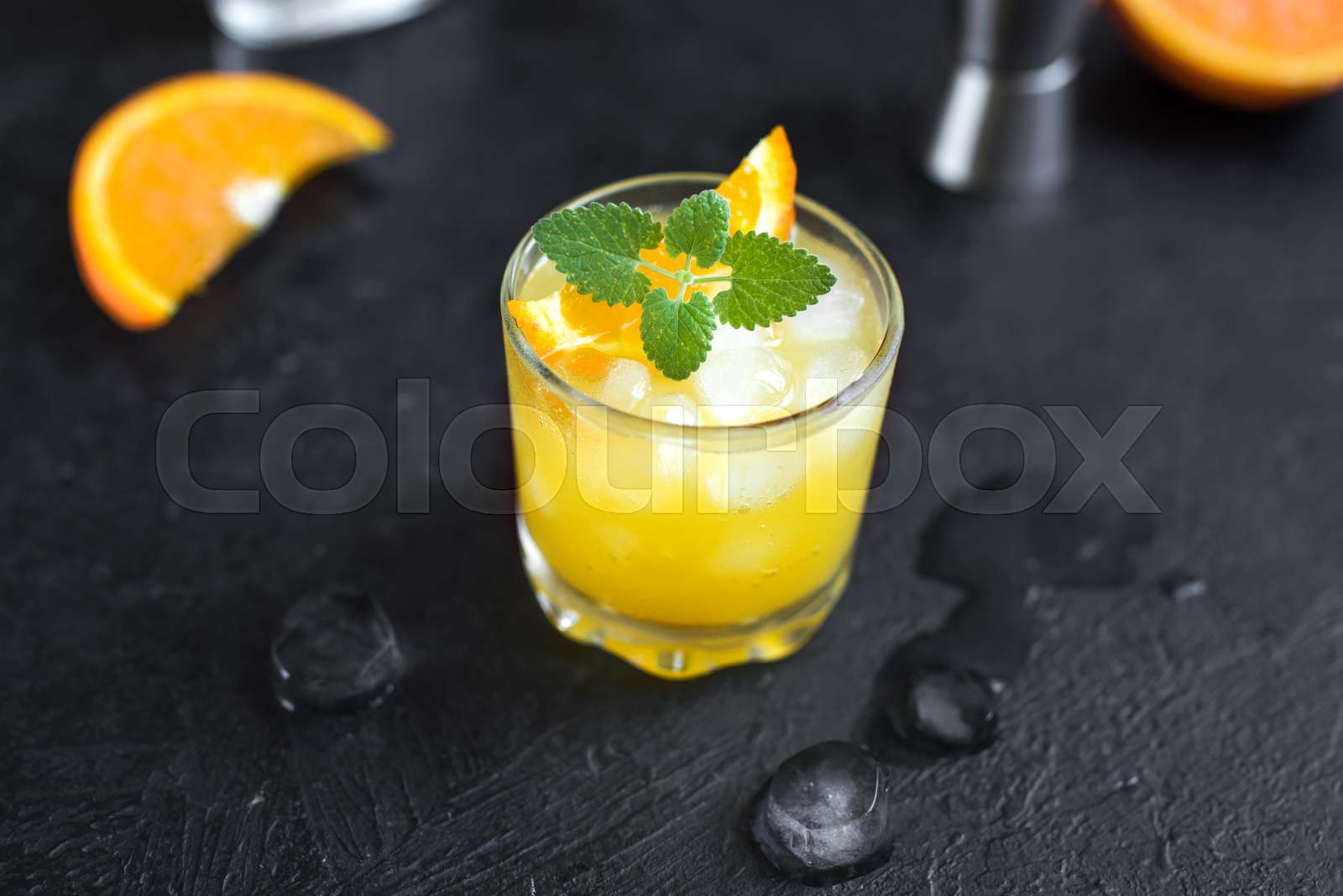
- London Dry Gin: This is the traditional choice. Its heavy juniper presence provides a sturdy backbone that cuts through the sweetness of the juice. Brands like Beefeater or Tanqueray are excellent for a sharp, clean finish.
- Plymouth Gin: Known for being slightly earthier and smoother than London Dry, Plymouth gin offers a softer citrus edge that blends seamlessly with the juice, making for a more mellow beverage.
- Modern/Botanical Gins: Many contemporary gins emphasize floral or citrus notes over juniper. Using a gin with heavy orange or grapefruit botanicals can create a “double citrus” effect that is intensely aromatic and bright.
- Old Tom Gin: This is a slightly sweeter style of gin. When paired with orange juice, it results in a richer, dessert-like cocktail that is less acidic and more full-bodied.
Similarly, the juice choice is paramount. While carton juice is convenient, it often lacks the vibrant enzymes and essential oils found in fresh fruit. Freshly squeezed juice provides a hydrating quality and a bright “zing” that bottled versions cannot replicate. If you find your juice is too tart, a small dash of simple syrup can bring the drink back into balance.
The Frozen Gin and Juice: Using a Blender for Modern Textures
While the classic preparation involves stirring the ingredients over ice, there is a growing trend toward the frozen gin and orange juice. This version transforms the drink into a slushie-like consistency that is particularly welcome on sweltering afternoons. To achieve this, a high-powered blender is essential. By combining gin, fresh juice, a sweetener like agave, and a generous amount of ice, you can create a frozen treat that feels both nostalgic and sophisticated.
The key to a successful blended version is the ratio of liquid to ice. You want enough ice to create a thick, pourable slush without diluting the flavors too heavily. Some mixologists suggest freezing the orange juice into ice cubes before blending. This technique ensures the drink remains chilled for longer and stays refreshing without becoming watery as the ice melts. This method also enhances the hydrating mouthfeel of the drink, as the fine ice crystals melt slowly on the palate.
| Feature | Classic On-The-Rocks | Frozen Blended |
|---|---|---|
| Texture | Thin, liquid, crisp | Thick, slushie-like, creamy |
| Ideal Glassware | Highball or Collins | Margarita or Hurricane glass |
| Dilution Speed | Moderate | Slow (if using juice ice cubes) |
Elevating the Drink with Garnishes and Add-ins
A simple two-ingredient drink can be transformed into a craft cocktail with the right garnish and supplementary ingredients. The visual appeal of a cocktail is part of the enjoyment, and a well-chosen garnish also provides aromatic benefits that hit the nose before the first sip. For a gin and orange juice, a classic orange wheel or a thin twist of orange zest is the standard. Expressing the oils from the zest over the top of the glass adds an intense citrus aroma that complements the botanicals in the gin.
To take the flavor profile further, consider adding herbal elements. A sprig of fresh rosemary or thyme tucked into the ice adds an earthy fragrance that pairs beautifully with juniper. If you prefer a bit of spice, a dash of Angostura bitters or a rim of chili salt can provide a complex contrast to the sweet juice. For those who want a more effervescent experience, topping the drink with a splash of sparkling water or tonic water can make it even more refreshing and lighter on the palate.
The Importance of Temperature and Dilution
Temperature is a critical factor in the success of any gin-based drink. Gin is a complex spirit with volatile aromatic compounds that change as the liquid warms up. To keep the drink chilled throughout the drinking experience, it is highly recommended to pre-chill your glassware in the freezer for at least 15 minutes. Additionally, using large, clear ice cubes for the “on-the-rocks” version will slow down the rate of dilution compared to small, thin ice chips.
If you are making a batch for a party, consider the “chill factor” of your ingredients. Keeping both the gin and the orange juice in the refrigerator before mixing ensures that the ice has less work to do, preventing the drink from becoming “washed out” too quickly. This attention to detail results in a drink that remains consistent from the first sip to the last, maintaining that perfect balance between the bite of the spirit and the sweetness of the fruit.
Expert Tips
When crafting a gin and orange juice, many beginners make the mistake of using too much juice, which can drown out the delicate notes of the gin. The ideal ratio is typically 1 part gin to 2 or 3 parts orange juice. This allows the gin’s character to shine through while still providing that refreshing citrus punch. Another expert recommendation is to experiment with different varieties of oranges. Blood oranges provide a deeper, more berry-like flavor and a stunning crimson hue, while Clementines offer a sweeter, less acidic profile that works wonders with floral gins.
- Always strain your fresh orange juice if you prefer a smooth, elegant texture; pulp can sometimes interfere with the mouthfeel of the gin.
- Add a bar spoon of orange marmalade to the blender when making a frozen version for a richer texture and an extra “pop” of citrus flavor.
- Use a garnish of fresh mint to add a cooling aroma that enhances the refreshing nature of the drink.
- If the drink feels too heavy, add a splash of soda water to increase the hydrating sensation and add a pleasant fizz.
Conclusion
The gin and orange juice is far more than just a simple two-ingredient mixture; it is a versatile platform for flavor experimentation. By selecting a high-quality gin, using fresh citrus, and mastering the balance of temperature and dilution, you can create a beverage that is both sophisticated and accessible. Whether you prefer it classic on the rocks or whipped into a frozen delight in a blender, this combination remains a timeless choice. Next time you reach for the juice, try pairing it with a botanical-rich gin and a thoughtful garnish for a truly refreshing experience.
❓ Frequently Asked Questions
1
How long does gin and orange juice last in fridge?
Once mixed, gin and orange juice is best consumed immediately. If stored in the fridge, the juice may lose its brightness and the gin’s botanicals can become muted. It will stay safe to drink for about 24 hours, but the flavor will significantly degrade over time.
2
Can I make gin and orange juice ahead of time?
You can prepare large batches ahead of time, but it is best to mix the gin and juice without ice. Store the mixture in a sealed pitcher in the refrigerator for up to 6 hours. Pour over fresh ice and add your garnish just before serving.
3
What can I substitute for orange juice?
If you lack orange juice, try grapefruit juice for a tarter variation or blood orange juice for a deeper color. Pineapple juice also works well, providing a tropical sweetness that complements gin’s herbal notes, though it will change the fundamental character of the beverage.
4
How do I know when gin and orange juice is done?
This cocktail is done when the ingredients are thoroughly chilled and properly balanced. A standard ratio is two parts juice to one part gin. Taste a small sip; if it’s too strong, add more juice, and if it’s too sweet, add a splash of gin.
5
Can I freeze gin and orange juice?
Yes, you can freeze it into boozy popsicles or a slushie. Due to the alcohol content, it won’t freeze solid like water. For a slushie, use a blender to process the frozen mixture until smooth, ensuring a refreshing and hydrating treat perfect for hot summer days.
