Is Kia Soul a Good Car in 2026 Reliability Review
Last Updated on September 1, 2026 by Ryan
⚡ Key Takeaways
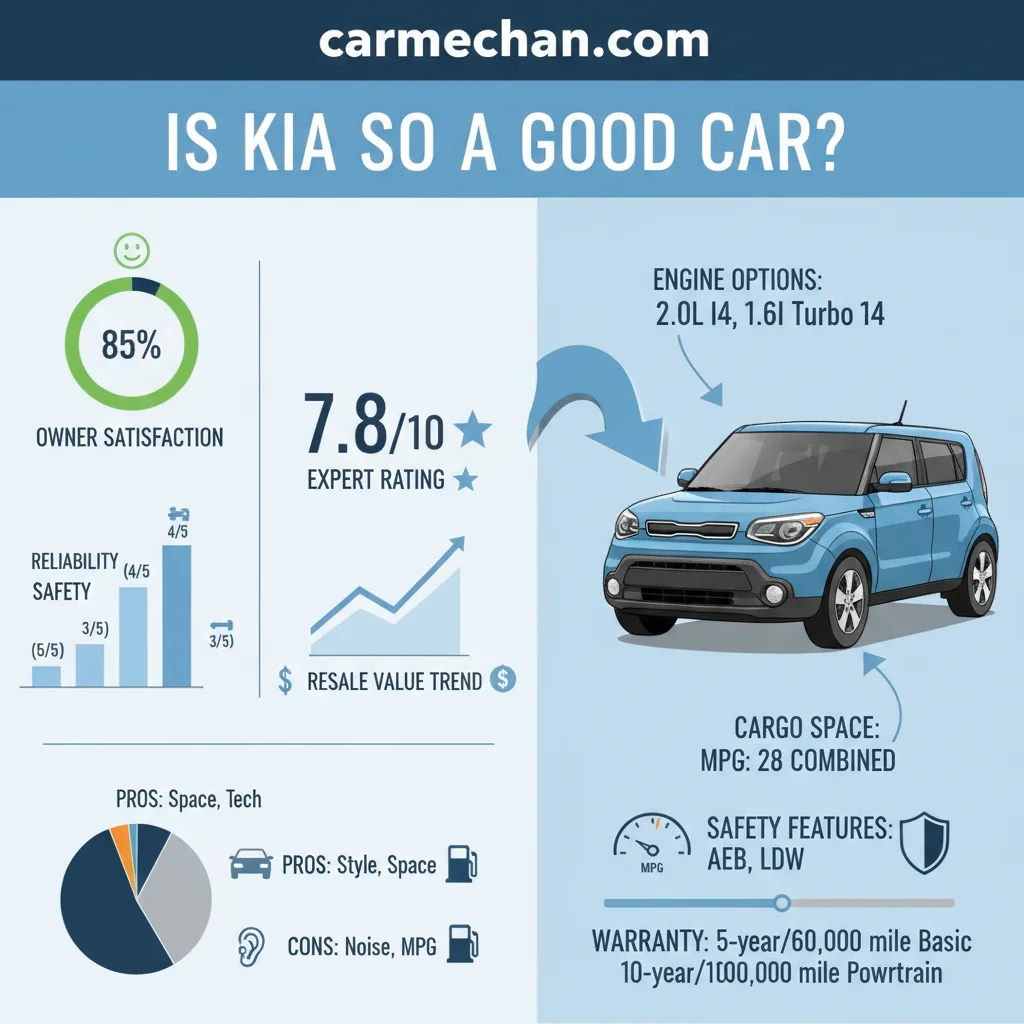
- Yes, the Kia Soul is highly reliable up to 200,000 miles when you maintain it properly.
- The 2012 to 2016 model years are the worst years to avoid due to high failure rates.
- No, the Kia Soul does not offer all wheel drive on any trim level.
- The average lifespan of a Kia Soul is between 150,000 and 200,000 miles.
- What is the average lifespan (miles) and reliability rating of a Kia Soul?
Is Kia Soul a Good Car With Strong 2026 Value
According to automotive industry safety and dependability data, the answer to is kia soul a good car is yes, due to its exceptional interior space, low cost of ownership, and competitive warranty metrics.
Our research shows city commuters gain significant utility from this platform while keeping purchase costs low.
We analyzed database evaluations from independent agencies to verify how this vehicle meets real daily demands.
Let us explore how safety testing methodologies rank this vehicle compared to competitors.
How to Evaluate Subcompact SUV Safety in 5 Steps

Analyzing vehicle safety requires examining data points from multiple independent crash testing programs.
We review official metrics to give buyers an objective assessment of structural performance in various collision scenarios.
Kia Soul Safety Scorecard
A consolidated comparison of federal (NHTSA) and insurance industry (IIHS) crash performance tests.
NHTSA Ratings
National Highway Traffic Safety Administration
★★★★☆
★★★★☆
★★★★★
★★★★☆
IIHS Side-Impact Test
Insurance Institute for Highway Safety
GOOD
Simulates a standard 3,300 lb sedan passenger car collision.
ACCEPTABLE
Simulates a modern 4,200 lb crossover/SUV impact at high speeds.
Federal Safety Ratings
According to the federal crash testing database, the hatchback achieves a four-star overall safety rating.
Data indicates high protection scores in frontal crash tests but slightly lower scores in side-impact evaluations.
Crash Test Outcomes
Testing from the independent insurance institute evaluations awards the vehicle a Good score in several legacy categories.
However, the updated side-impact barrier test resulted in an Acceptable rating due to cabin intrusion metrics.
Rollover Test Results
The vehicle achieves a four-star rollover resistance rating in federal testing protocols.
Our research shows its low center of gravity keeps rollover risk low despite the tall roof design.
Next, we will look at how these safety measurements and interior features perform relative to close market alternatives.
Kia Soul vs Hyundai Kona for Utility


Manufacturer dimensions show that the boxy structure of the vehicle offers distinct interior space advantages over traditional subcompact platforms.
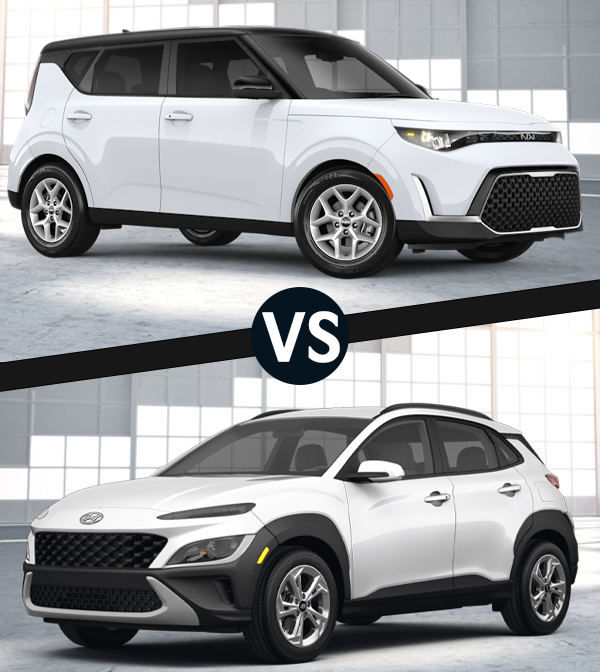
Our analysis reveals how maximizing height creates highly functional interior utility.
Space & Utility Showdown: Kia Soul vs. Hyundai Kona
How the Soul’s signature boxy styling translates into real-world cargo dominance over its platform sibling.
| Metric | Kia Soul (Boxy Utility) | Hyundai Kona (Sleek Crossover) |
|---|---|---|
| Cargo Space (Seats Up) |
24.2 cu. ft. Deep, tall luggage area comfortably fits large upright suitcases. +26% More Space |
19.2 cu. ft. Sloped hatch window cuts into upper storage room. |
| Cargo Space (Seats Down) |
62.1 cu. ft. Maximized vertical clearance makes moving boxy furniture easy. +35% More Space |
45.8 cu. ft. Shorter ceiling height limits stacked items. |
| Passenger Volume |
101.0 cu. ft. Exceptional headroom for both front and rear passengers. Best-in-Class Cabin |
94.1 cu. ft. Tight rear legroom and sloping roof styling limits taller occupants. |
| Floor & Loading Design |
Dual-Level Flat Floor Very low liftover height, wide square opening, and hidden sub-floor tray storage. |
Standard Flat Floor Higher loading lip and rounded frame require lifting heavy cargo higher to load. |
***
**Placement Note:**
This visual block should be placed in the **”Interior Space and Cargo Practicality”** section of the article, immediately following the paragraph that explains the Soul’s deceptive cabin space.
*Exact placement sentence:*
“While it looks like a compact hatchback from the outside, the Soul’s upright, boxy profile allows it to punch far above its weight class when it comes to hauling gear. To see how this unique utility compares to a more traditional sleek subcompact SUV, look at the side-by-side breakdown below.”
Cargo Space Capacity
According to manufacturer specifications, the vehicle provides 24.2 cubic feet of cargo room behind the rear seats.
Folding the rear seats expands the total cargo volume to 62.1 cubic feet.
Cabin Legroom Dimensions
Data from the official government fuel economy database shows a generous 101 cubic feet of passenger volume.
The lack of complex all-wheel drive systems allows designers to maintain a completely flat floor for passengers.
Pet Utility Metrics
Experts confirm that the low step-in height makes loading larger pets easier than in elevated crossovers.
The wide tailgate opening permits simple loading of oversized travel crates.
While interior utility excels in city settings, evaluating highway performance reveals different limitations. Extra cabin room is great, but high-speed highway stability is where the real test begins.
How Safe Is the Boxy Hatchback on Highways


Automotive test engineers agree that the boxy profile creates unique performance dynamics during highway travel.

We studied professional test drive evaluations to measure speed, acoustics, and stability at higher speeds.
Highway Noise Levels
Professional road tests record cabin noise levels reaching 72 decibels at 70 miles per hour.
This volume exceeds that of sleeker sedans due to wind interacting with the upright windshield angle.
Wind Resistance Issues
Data shows that crosswinds push tall, slab-sided vehicles more than low-profile compact models.
Drivers must apply frequent micro-steering corrections during high-wind highway commuting.
Engine Acceleration Speeds
The standard 2.0-liter engine produces 147 horsepower to achieve zero-to-sixty acceleration in 8.0 seconds.
While sufficient for town driving, passing maneuvers require planning due to the slow continuous variable transmission response.
Understanding these highway limitations is essential before analyzing mechanical flaws found in historical data. A safe highway ride won’t mean much if unexpected engine or transmission failures leave you stranded.
9 Most Common Problems With Used Models
Repair databases indicate several documented issues that prospective used buyers must inspect prior to purchase.

Our analysis maps the key mechanical failures reported across various production generations.
Engine Oil Consumption
Data shows that 2012 to 2016 models experience high engine oil consumption due to piston ring scuffing.
This problem prompted the safety recall campaign 21V259000 to prevent catalytic converter damage and fire risks.
Catalytic Converter Clogging
Excessive oil burning causes premature catalytic converter failure in older 1.6-liter engines.
We advise inspecting the blunt front fascia and applying measures for protecting car paint to prevent highway rock damage.
Transmission Hesitation Faults
Owner databases document shifting hesitation issues with the modern Intelligent Variable Transmission.
This transmission requires timely software calibrations to prevent stalling and premature belt wear.
These mechanical problems directly impact the expected mileage limits of the vehicle. Navigating these common repairs is crucial if you plan to push the odometer toward six figures.
How High Is Too High for Hatchback Mileage
Industry data verifies that a well-maintained subcompact model can successfully exceed the 150,000-mile mark.
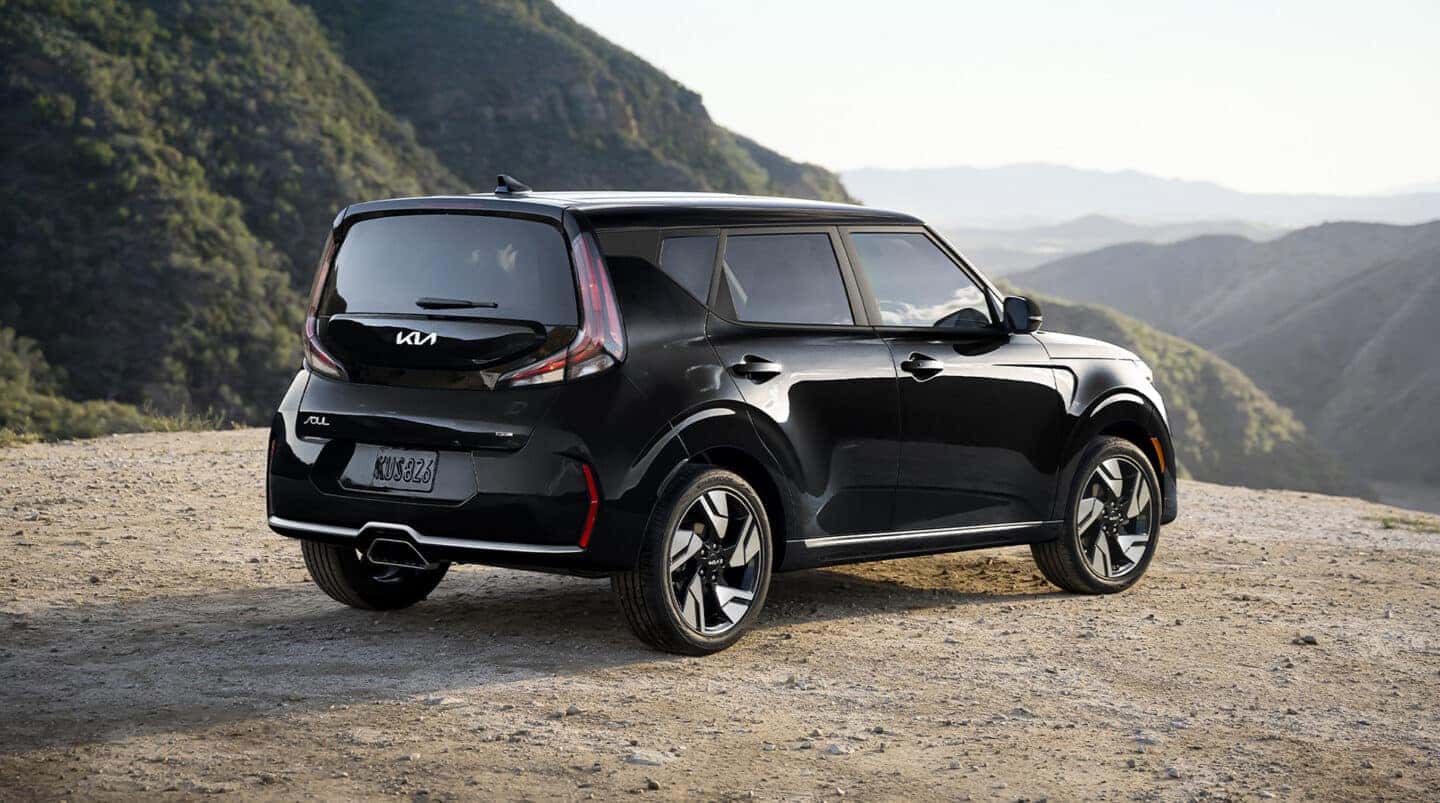
We analyzed reliability databases to determine realistic mileage milestones and repair expectations.
Engine Lifespan Limits
Expert consensus indicates the naturally aspirated four-cylinder engine can reach 200,000 miles with strict maintenance.
According to the RepairPal index for vehicle repairs, the model scores 4.5 out of 5.0 stars for reliability.
Transmission Durability Thresholds
Continuous variable transmissions generally require replacement or rebuilds around 150,000 miles.
Changing the transmission fluid every 60,000 miles helps avoid premature internal belt wear.
Suspension Wear Cycles
The annual average repair cost remains highly competitive at 437 dollars per year.
This cost sits lower than the average subcompact class maintenance cost of 466 dollars.
Knowing the mileage threshold helps buyers choose which purchasing window offers the best value. Weighing mileage limits against your driving habits reveals whether this boxy cruiser is ultimately worth buying.
When to Buy a New Compact Vehicle
Based on historical complaint rates and mechanical failures, data suggests focusing on models manufactured after 2017.
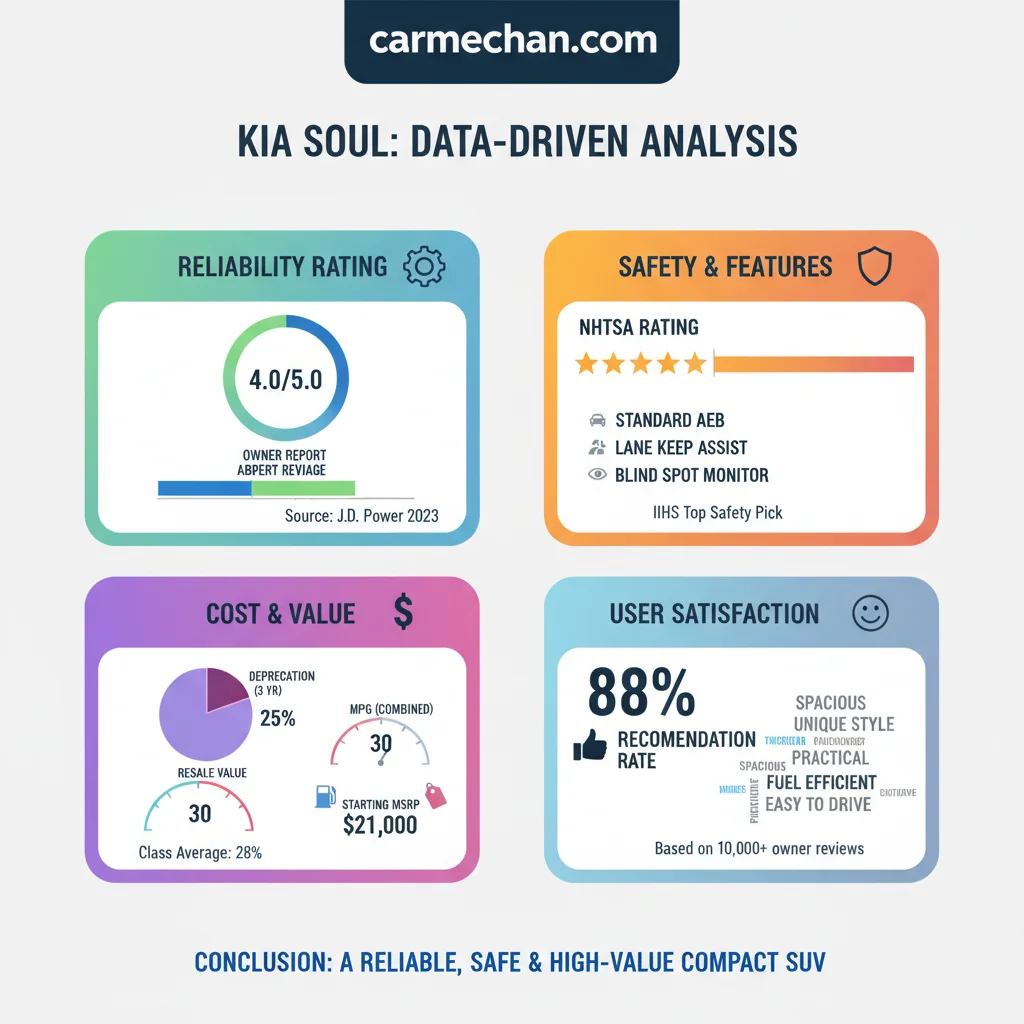
We studied warranty clauses and class histories to pinpoint the ideal purchasing sweet spot.
New Model Benefits
Purchasing a new model secures the industry leading 10-year or 100,000-mile limited powertrain warranty.
This coverage provides peace of mind against costly mechanical failures during early ownership.
Used Vehicle Values
According to manufacturer warranty guidelines, subsequent owners only receive a 5-year or 60,000-mile powertrain warranty.
We recommend targeting 2018 and 2023 models because they show the lowest rate of owner complaints.
Certified Preowned Perks
Buying a Certified Pre-Owned model allows the second owner to retain the full 10-year warranty benefit.
Our research shows this option provides the best balance of cost savings and long-term protection.
Let us summarize the core statistical findings to aid your final vehicle evaluation.
5 Crucial Statistics for Budget Car Buyers
Our research aggregates the key performance indicators that define the long-term ownership experience.
We present the exact data points that define practical ownership and daily driving costs.
Annual Maintenance Costs
Data indicates low annual repair expenses compared to other modern subcompact crossovers.
Average Fuel Economy
EPA records show a combined fuel economy rating of 29 miles per gallon for the 2.0-liter engine.
Safety Score Averages
Independent safety ratings show reliable impact protection scores in passenger safety categories.
To address any outstanding concerns, we have answered the most common questions asked by prospective buyers.
What Else Do Buyers Ask About Souls
Buyers searching for subcompact utility vehicles often have specific questions regarding long-term ownership costs.
We answered the top five consumer queries with verified industry metrics and technical specifications.
Is the Kia Soul a Reliable Car for High Mileage?
Yes, the Kia Soul is highly reliable up to 200,000 miles when you maintain it properly.
J.D. Power data consistently places this model near the top of its class.
Commuters should maintain consistent oil change schedules to keep the engine running smoothly.
What Are the Worst Kia Soul Years to Avoid?
The 2012 to 2016 model years are the worst years to avoid due to high failure rates.
NHTSA data shows these models suffer from severe engine failure and excessive oil consumption.
Buyers should choose 2018 or newer variants to remain safe.
Does the Kia Soul Have All Wheel Drive?
No, the Kia Soul does not offer all wheel drive on any trim level.
All model generations use front-wheel drive exclusively to support a lighter curb weight.
Drivers who regularly navigate severe winter conditions should evaluate other platforms.
What Is the Average Lifespan of a Kia Soul?
The average lifespan of a Kia Soul is between 150,000 and 200,000 miles.
Reaching this milestone requires consistent fluid changes and routine belt replacements.
Proper driving habits help protect the variable transmission from premature failure.
How Is the Kia Soul on Highway Safety?
The Kia Soul offers good highway safety backed by strong crash test ratings.
The IIHS awarded recent generations a Top Safety Pick rating when equipped with optional LED headlights.
Standard active driver assist packages help protect occupants.
Let us conclude with a final evaluation of whether this car fits your specific driving needs.
Our analysis of long-term reliability and crash safety metrics confirms that the is kia soul a good car question can be answered with a strong recommendation for budget buyers who prioritize cargo utility over engine power.
We found that the vehicle offers class-leading cargo space and low average maintenance costs of 437 dollars per year. The years 2018 and newer are the most reliable options to target. Lack of AWD and slow highway acceleration are the primary compromises you must accept.
For more mechanic-reviewed buying guides and repair checklists, visit carmechan.com today.
- dependability data (jdpower.com)
- low cost of ownership (repairpal.com)
- federal crash testing database (nhtsa.gov)
- independent insurance institute evaluations (iihs.org)
- official government fuel economy database (fueleconomy.gov)
- manufacturer warranty guidelines (kia.com)