Best Years For Honda Ridgeline: Reliability & Value Guide for 2026
Last Updated on August 25, 2026 by Albert Duke
For those navigating the diverse landscape of mid-size pickup trucks, the Honda Ridgeline consistently stands out for its unique blend of utility, comfort, and renowned Honda reliability. However, with multiple generations and numerous model years, discerning which Ridgeline offers the optimal balance of dependability, features, and value can be a complex decision for prospective buyers. This curated guide meticulously details the best years for the Honda Ridgeline, providing an authoritative analysis of each generation’s strengths and considerations, empowering you to make an informed, confident purchase.


Understanding the Honda Ridgeline Generations: A Foundation for Selection
The Honda Ridgeline has carved a distinctive niche in the pickup truck market since its inception, largely due to its unconventional yet highly functional design philosophy. Understanding its generational evolution is essential for making an informed decision about the best years for Honda Ridgeline.

📤 Share Image
First Generation: The Trailblazer (2006-2014)
Honda introduced the first-generation Ridgeline in 2006, venturing into the pickup segment with a bold, unibody design. Unlike traditional body-on-frame trucks, the Ridgeline shared its platform with the Honda Pilot and Acura MDX, prioritizing ride comfort, handling, and interior refinement akin to an SUV, while still offering practical light-duty truck utility. Key attributes defining this generation included the innovative in-bed trunk – a lockable, weather-sealed storage compartment beneath the bed floor – and a dual-action tailgate that could drop down or swing open to the side. For instance, a 2008 RTL trim offered leather-trimmed seats, an advanced audio system for its time, and dual-zone climate control, features more commonly found in SUVs. This generation was powered exclusively by a reliable 3.5L V6 engine paired with a 5-speed automatic transmission and standard Variable Torque Management (VTM-4) all-wheel drive. Initial sales for this groundbreaking model were strong, peaking early in its run, but gradually declined, leading to a production halt after the 2014 model year.
Second Generation: The Refined Comeback (2017-Present)
Following a significant hiatus, the Ridgeline made a triumphant return for the 2017 model year. This second generation maintained the core unibody philosophy but underwent a comprehensive redesign, adopting a more conventional, yet still distinctive, truck aesthetic. Engineering changes were substantial, moving to a newer global light truck platform shared with the Pilot and Passport. The powertrain was updated to a more efficient 3.5L direct-injected V6 (J35Y6), initially paired with a 6-speed automatic and later, a 9-speed automatic transmission for improved fuel economy and performance. Safety features saw a significant leap with the introduction of the Honda Sensing suite on higher trims, a far cry from the first-gen’s more basic safety offerings. For comparison, a 2017 RTL-E trim boasted an 8-inch touchscreen infotainment system with Apple CarPlay/Android Auto (a major upgrade over the first-gen’s simpler display), advanced driver-assist technologies, and an in-bed audio system. The dual-action tailgate and in-bed trunk remained defining features. This re-entry was met with substantial market success, consistently ranking well in consumer satisfaction and sales, affirming Honda’s belief in its unique truck concept.
Recommended Best Deal Products


By The Numbers
First Gen Launch
Second Gen Re-Entry
First-Generation Excellence: Identifying Top-Ranked Honda Ridgeline Years (2006-2014)
For buyers seeking a reliable and highly practical used pickup without the modern complexities and associated costs of newer models, the first-generation Honda Ridgeline presents an excellent choice. Our curated selection of top-performing years emphasizes long-term dependability and proven value.
The Sweet Spot: 2007-2008 Model Years
The 2007 and 2008 model years are consistently ranked as exceptionally strong performers within the first generation. These models benefited from initial production refinements following the 2006 launch, leading to fewer reported issues and high marks in build quality. Consumer Reports, an essential resource, frequently cited these years for their excellent overall reliability. J.D. Power awarded the 2007 Ridgeline a “Great” score of 84/100 for ‘Quality & Reliability’, a testament to its robust engineering. Owners frequently praise their smooth ride, confident handling, and impressive durability; it’s not uncommon to find owner reviews detailing a 2007 Ridgeline still running strong past 200,000 miles with only routine maintenance.
Late-Production Refinements: 2012-2014 Models
As production neared its end, the 2012-2014 models represent a mature and refined iteration of the first generation. These years often incorporated minor updates and addressed some earlier, less frequent concerns, solidifying their reputation for reliability. The powertrain, consisting of the robust 3.5L V6 engine (J35A9/J35Z5) and 5-speed automatic transmission, remained a constant workhorse throughout this generation, known for its longevity when properly maintained. The 2014 model year also saw the introduction of the “Special Edition” trim, which added features like 18-inch wheels, black trim accents, and special badging, providing a unique cosmetic appeal for collectors and enthusiasts.
Common Considerations for First-Gen Models
While generally reliable, prospective buyers should be aware of a few common, typically minor, issues. These include potential rust on certain underbody components, especially in salt-belt regions where road salt is prevalent. Some models might exhibit minor electrical quirks related to accessory functions, though these are often easily diagnosed. Maintaining the power steering system is also a must-know for these vehicles; average repair costs for a power steering pump replacement on a first-gen Ridgeline typically range from $400-$600. Adherence to the timing belt replacement schedule (typically every 105,000 miles or 7 years) is critical, as failure can lead to catastrophic engine damage. The estimated cost for a timing belt replacement, including the water pump, for a first-gen Ridgeline is around $800-$1200, a significant but necessary maintenance item.
Recommended Best Deal Products

When evaluating a first-generation Ridgeline, pay close attention to the service records, specifically for timing belt replacement. A well-documented service history is paramount for these popular and durable trucks.
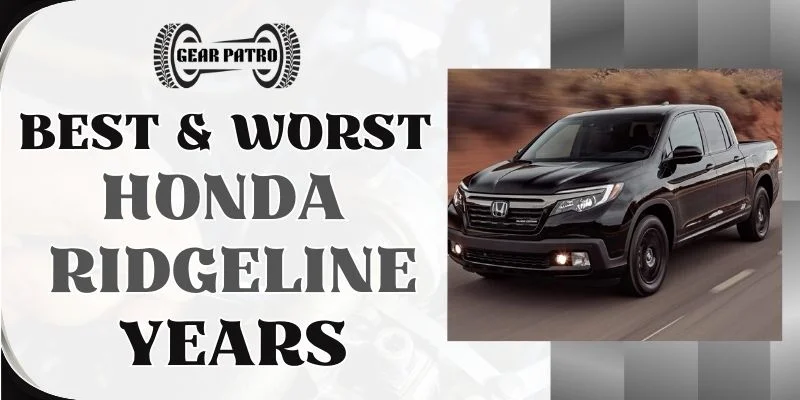
Second-Generation Advancements: Essential Years for Modern Honda Ridgeline Performance (2017-Present)
The second-generation Ridgeline redefined expectations for the mid-size truck segment, offering a sophisticated blend of driving dynamics, advanced technology, and practical utility. Identifying the essential and high-performing model years from this generation is key for buyers prioritizing modern comforts and enhanced capabilities.
Initial Impact & Refinement: 2017-2019 Models
The 2017-2019 model years were highly popular for re-introducing the Ridgeline with a fresh design and significantly upgraded performance. These years launched with the advanced 3.5L V6 (J35Y6) direct-injected engine, producing 280 horsepower and 262 lb-ft of torque, paired with a smooth and efficient 6-speed automatic transmission. This combination offered excellent power delivery and respectable fuel efficiency, with an EPA-estimated 21 MPG combined (18 city/25 highway) for AWD models. NHTSA safety ratings for 2017+ models consistently show a 5-star overall safety rating, a crucial factor for family-oriented buyers. Consumer Reports also ranked these early second-gen models highly for predicted reliability and owner satisfaction.
Transmission & Tech Upgrades: 2020-2021 Models
A significant mechanical upgrade arrived with the 2020 model year, as Honda replaced the 6-speed automatic with a more advanced 9-speed automatic transmission across all trims. This change noticeably refined the driving experience, offering smoother shifts and marginal improvements in real-world fuel economy (typically 1-2 MPG better on the highway). These years also saw iterative improvements to the infotainment system, addressing some of the early nuances of the 2017 model’s interface, enhancing connectivity and user-friendliness. The Honda Sensing safety suite became standard on most trims, providing a comprehensive collection of driver-assist technologies like adaptive cruise control, lane-keeping assist, and collision mitigation braking.
Refreshed Styling & Enhanced Features: 2022-Present Models
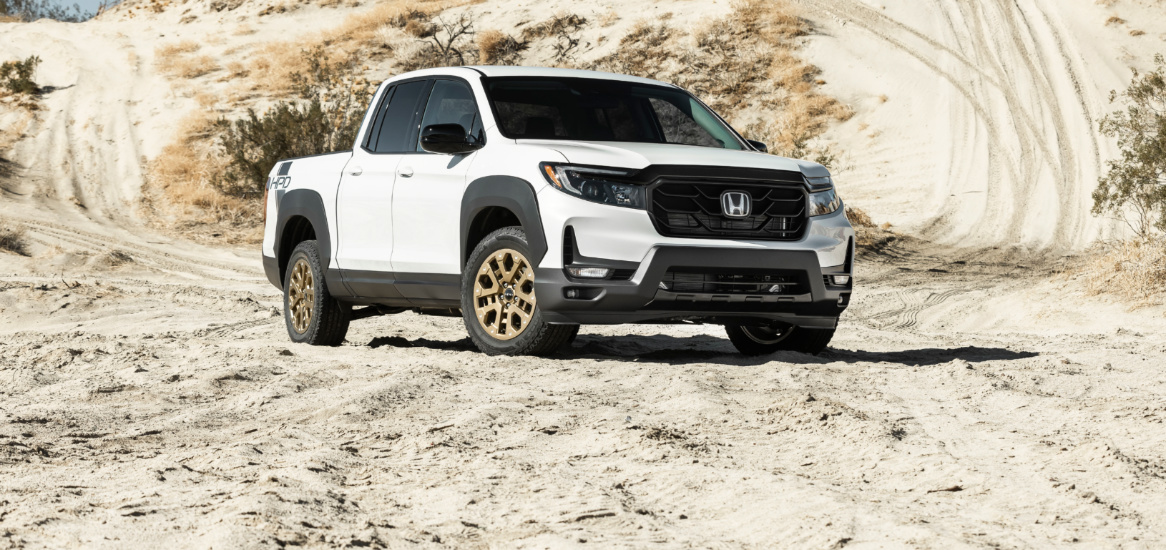
For those prioritizing updated aesthetics and the latest features, the 2022-2023 models and beyond are highly recommended. Honda introduced a refreshed front-end styling, giving the Ridgeline a more rugged and traditional truck appearance. The HPD (Honda Performance Development) package became available, adding distinctive bronze wheels and black fender flares for a bolder look. Interior upgrades were minor but refined, enhancing cabin comfort and convenience. Throughout the second generation, the Ridgeline’s enhanced towing capacity of up to 5,000 lbs (when properly equipped) and its advanced i-VTM4 all-wheel-drive system (Intelligent Variable Torque Management) solidify its capability as a versatile light-duty hauler and a competent performer in various weather conditions.
Advanced Powertrain
Direct-injected 3.5L V6 for robust power and efficiency, especially with the 9-speed transmission.
Honda Sensing Suite
Comprehensive safety features standard on most trims from 2020 onwards.
Enhanced Utility
5,000 lbs towing capacity and i-VTM4 AWD for confident capability.
Years Requiring Specific Consideration: Informed Decisions on Popular Ridgeline Models
While the Honda Ridgeline generally maintains an admirable record for reliability, some model years or specific components require particular attention. Being aware of these points ensures an even more informed purchasing decision, especially when examining popular used models.
Early First-Generation Nuances: The 2006 Model Year
The inaugural 2006 Ridgeline, while a groundbreaking vehicle, had a few initial teething issues that warrant consideration. The most notable was a power steering pump recall (NHTSA Recall Number: 09V118000) for specific VINs, where the pump could leak and potentially cause a fire. While most of these would have been addressed by now, it’s a must-know item to check for recall completion in the vehicle’s service history. Some owners also reported minor issues with the fuel gauge sending unit or A/C condenser in these early models. These issues are not universal but highlight the typical maturation process of a first-year vehicle.
Second-Generation Infotainment: The 2017 Model Year
The 2017 Ridgeline, despite its overall excellence, marked a significant leap in infotainment technology for Honda, which came with some initial quirks. Early versions of the 8-inch touchscreen infotainment system could be prone to occasional lag, and the lack of a physical volume knob was a common point of contention among users. While later models introduced software improvements and, eventually, a physical volume knob, prospective 2017 buyers should be aware that the interface may feel less refined compared to subsequent years. Many owners found solutions through software updates, or simply adapted to the system, but it’s a usability factor to consider. Apple CarPlay and Android Auto integration, while present, also saw minor refinements in later iterations.
Universal Wear Items & Proactive Maintenance
Regardless of the model year, all used vehicles, including the Ridgeline, will have common wear items that require attention. Suspension components (shocks/struts, bushings) can wear over time, especially in trucks used for hauling or off-road excursions. Brake systems (pads, rotors, calipers) are standard maintenance items. For first-generation Ridgelines, the timing belt replacement is a non-negotiable service interval, typically due around 105,000 miles or 7 years. Neglecting this service can lead to catastrophic engine failure. It’s a key reason why a detailed service history is essential.
For any high-mileage Ridgeline, regardless of the perceived “best year,” insist on a thorough inspection of the transmission fluid condition and the proper operation of Honda’s Variable Cylinder Management (VCM) system, especially if you plan to keep the vehicle long-term. Also, proactively check for rust, particularly on chassis components in regions exposed to road salt.
Making Your Essential Choice: Key Factors for Selecting the Best Honda Ridgeline Year
Selecting the optimal Honda Ridgeline requires a strategic approach, balancing budget, personal needs, and specific model year attributes. This selection guide offers critical factors and a step-by-step process to ensure you choose the perfect Ridgeline for your lifestyle.
📋
Step-by-Step Guide
Even the most highly ranked Ridgeline can have hidden issues. A certified Honda technician can identify potential problems, assess component wear, and confirm the vehicle’s overall health. This is a must-know step for any used car purchase.
First-generation models (e.g., a well-maintained 2013 Ridgeline) offer exceptional value and proven reliability at a lower price point, typically retailing for $12,000-$18,000. Newer second-generation models (e.g., a 2018 Ridgeline) will command a higher premium, often in the $25,000-$35,000 range, reflecting their modern features and lower mileage. The average depreciation rate for a Ridgeline is about 30-40% over 5 years, making older models a smart financial choice.
Consider your primary use case. If you require significant towing capacity for a boat or trailer, a later second-generation model with the 9-speed transmission might be the recommended choice. For light hauling and daily commuting with a focus on budget and reliability, a well-maintained first-gen model is a strong contender. Family utility, desired technological features (e.g., advanced infotainment, Honda Sensing), and light off-road capabilities should all factor into your curated selection.
A complete and verifiable service history is a golden ticket. Look for records of routine oil changes, transmission fluid flushes, brake service, and any major repairs or recall resolutions. This provides an essential snapshot of how the previous owner cared for the vehicle, directly impacting its future reliability.
Don’t be swayed solely by a low odometer reading. A Ridgeline with higher mileage but a consistently documented maintenance history often represents a better investment than a lower-mileage vehicle with sparse or questionable service records. For a popular model like the Ridgeline, consistent care trumps sheer mileage.
The Honda Ridgeline offers a compelling value proposition across its generations. First-generation models, particularly the 2007-2008 and 2012-2014 years, stand as highly reliable and value-packed choices for those prioritizing proven durability and utility. For modern features, enhanced safety, and refined performance, the 2017-2019 and 2021-present second-generation Ridgelines are top-ranked, representing the pinnacle of Honda’s innovative truck design. Regardless of the year, a thorough pre-purchase inspection by a certified Honda technician and a meticulous review of service history are essential steps for any used Ridgeline purchase. Your ideal Ridgeline year ultimately depends on a careful balance of budget, specific utility needs, and desired features, ensuring a confident and satisfying ownership experience.
Armed with this detailed analysis, we encourage you to explore available Honda Ridgeline models, conduct thorough inspections, and confidently select the year that perfectly aligns with your automotive requirements.
Frequently Asked Questions
Which Honda Ridgeline years should I avoid?
While generally reliable, early first-generation models (2006) had some reported power steering pump issues, often addressed by recalls. The 2017 model, while excellent, featured an earlier infotainment system that saw refinements in subsequent years. A pre-purchase inspection is always critical, regardless of the year, to identify any specific vehicle history concerns.
Are older Honda Ridgeline models still reliable?
Absolutely. Older first-generation Honda Ridgeline models, particularly those from 2007-2008 and 2012-2014, are renowned for their robust 3.5L V6 engine and drivetrain longevity. With consistent maintenance, including timely fluid changes and timing belt replacements (for first-gen), these trucks can easily achieve well over 200,000 miles, making them popular choices for value and dependability.
What is the typical lifespan of a Honda Ridgeline?
A Honda Ridgeline, with proper maintenance, can reliably last between 200,000 to 300,000 miles. Many owners report their vehicles exceeding 250,000 miles without major powertrain overhauls. Key factors influencing lifespan include regular oil changes, timely service for wear items like brakes and suspension, and addressing any minor issues promptly as they arise.
Is the Honda Ridgeline good for towing?
Yes, the Honda Ridgeline is highly capable for light-to-medium towing needs. Both generations are rated to tow up to 5,000 pounds when properly equipped. Its unibody construction provides a smoother, more stable towing experience than some body-on-frame rivals. For consistent towing, ensure the vehicle has a transmission cooler and regularly check brake and tire condition.
What are the common problems with Honda Ridgeline?
Common issues across Ridgeline generations are relatively minor. First-gen models might experience power steering pump leaks, VTEC solenoid issues, or potential rust on frame components in harsh climates. Second-gen models have seen reports of minor infotainment glitches in early years or potential for misfires if Variable Cylinder Management (VCM) is not properly maintained. Overall, major powertrain failures are rare.