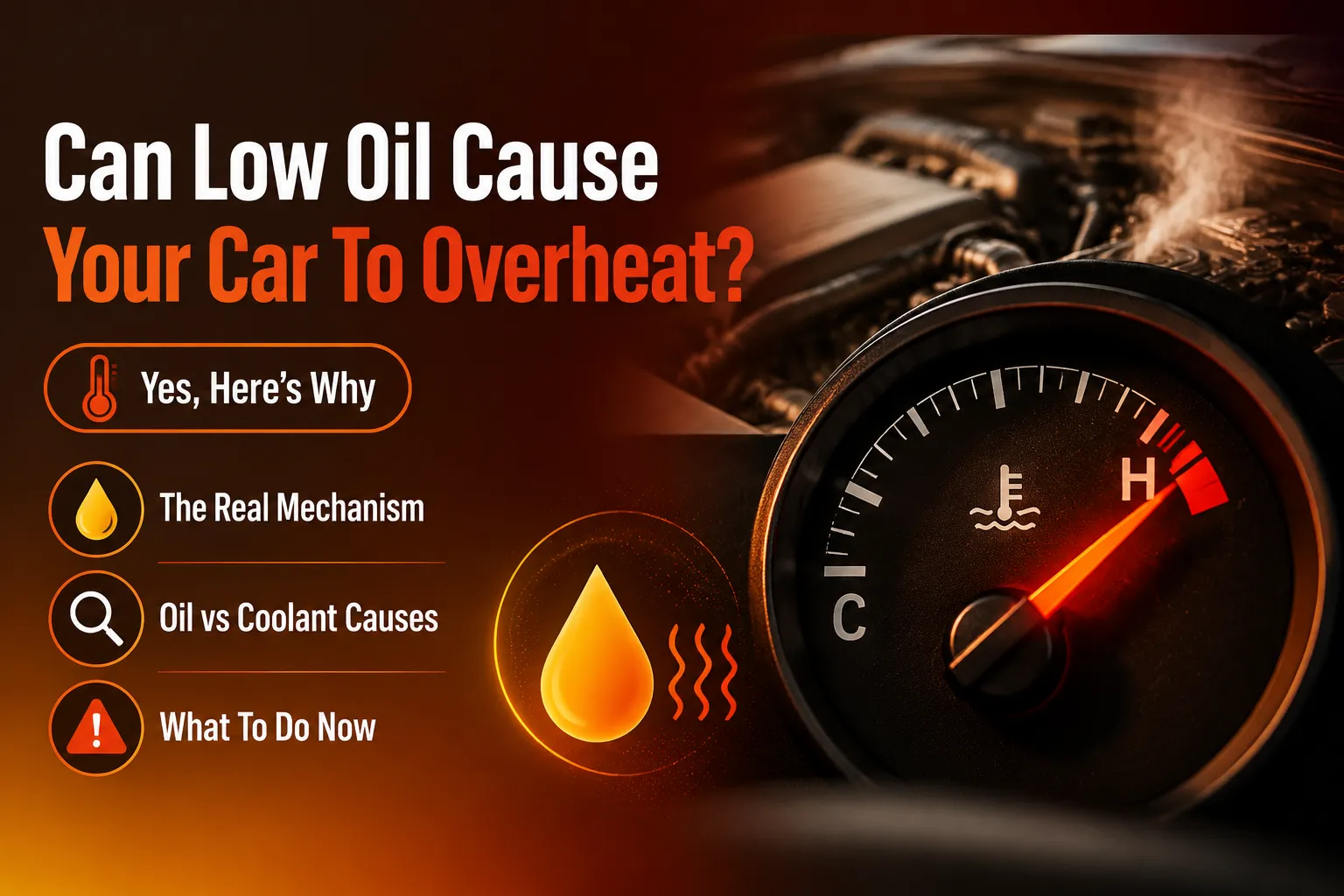
Can Low Oil Cause a Car to Overheat? Yes, Here’s How
Last Updated on September 1, 2026 by Albert Duke
Yes, low oil can cause a car to overheat, and it happens independently of the coolant system. Oil does more than lubricate moving parts, it also carries heat away from the engine, so when the level drops too low, the engine can run hot even if the radiator, coolant, and thermostat are all working perfectly.

Prime Access — Reduced-Price Prime
Prime at a reduced monthly rate for EBT and Medicaid recipients.
Check If You QualifyThis is a commonly missed cause of overheating, since most people check coolant first and assume oil is unrelated to engine temperature. Here’s how the mechanism actually works, how to tell it apart from a coolant problem, and what to do if it’s happening right now, whether you’re stopped on the side of the road or just noticed the gauge creeping up.
How Low Oil Actually Causes Overheating
Recommended Best Deal Products


Engine oil serves two jobs at once inside a running engine: reducing friction between moving metal parts, and absorbing heat from those parts as it circulates. A thin film of oil keeps components like pistons, bearings, and camshaft lobes from grinding directly against each other.
When oil runs low, that protective film thins out or disappears in places, and metal-on-metal contact increases friction, which generates additional heat on its own. At the same time, there’s simply less oil volume circulating to carry existing heat away from hot spots and toward the oil pan, where it can dissipate through the engine’s normal cooling process.
One automotive resource explains that low engine oil reduces the lubrication that limits friction and heat buildup between moving parts, and when the level drops too low, components rubbing together can cause overheating. This happens on top of, not instead of, whatever the coolant system is doing, which is why an engine can overheat even with a perfectly healthy radiator and full coolant reservoir.
Low Oil Versus A Coolant Problem
Since both causes show up as the same rising temperature gauge, telling them apart matters before you start troubleshooting the wrong system. Checking the oil dipstick is one of the fastest first steps, since low-oil overheating happens even when the coolant reservoir is completely full and the radiator is functioning normally.
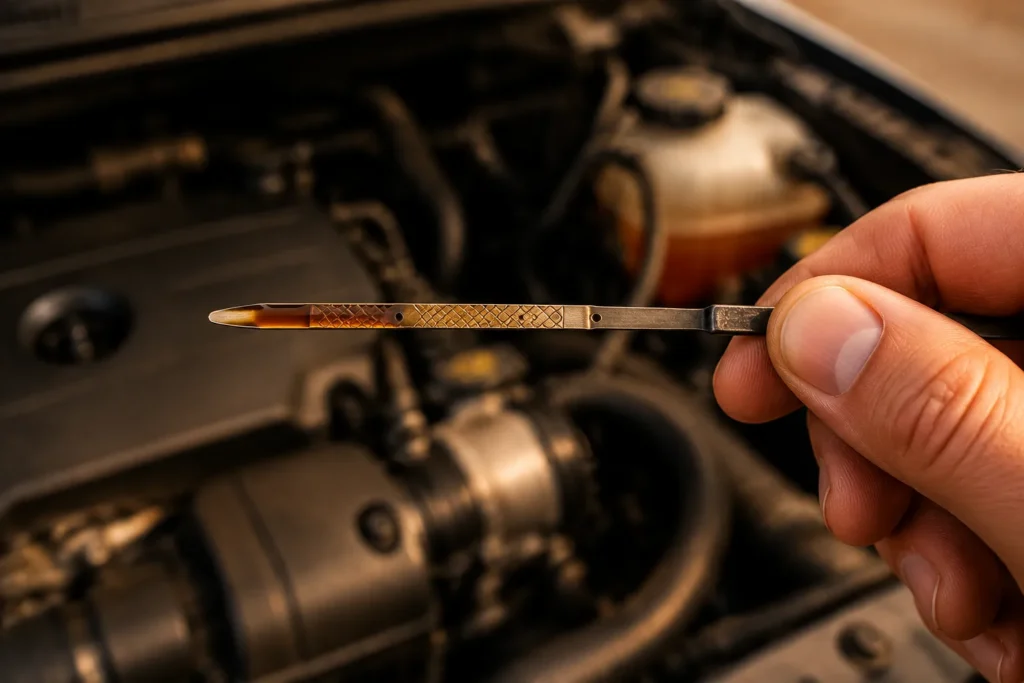
Low oil overheating often comes with its own separate warning signs: a knocking or ticking sound from the engine, an illuminated oil pressure warning light, or oil that looks noticeably low on the dipstick with no coolant-related symptoms present. A coolant-side problem, by contrast, more often shows a sweet smell near the engine, a visible puddle or drip underneath the car, a low coolant reservoir, or steam coming from under the hood after the engine has been running for a while.
If both the oil is low and coolant symptoms are present, treat it as two separate problems that both need attention rather than assuming one caused the other. If you suspect a coolant leak specifically, our guide on how to find a coolant leak walks through tracking down where the fluid is escaping.
What Happens If You Keep Driving On Low Oil
Recommended Best Deal Products


A brief period of mild overheating from low oil isn’t usually catastrophic if caught quickly, but continuing to drive extends the risk significantly. As heat builds without enough oil to manage it, engine components can begin to warp under the thermal stress.

Audible — Listen Free for 30 Days
One free credit a month and thousands of titles included.
Listen Free for 30 DaysThe cylinder head is especially vulnerable. A guide on cylinder head damage notes that oil cools critical areas under the piston and around the exhaust valves, and a low oil level, sludge buildup, or oil pump issue reduces that cooling and increases head temperatures, with even a single severe overheating event capable of causing permanent warping.
Once a cylinder head warps, it no longer seals properly against the head gasket, which can lead to a blown gasket, coolant mixing with oil, and in the worst cases, seized engine components that require a full engine rebuild or replacement rather than a simple repair. What starts as a quart or two low on the dipstick can turn into a five-figure repair bill if the overheating continues unchecked for long enough.
What To Do Right Now If This Is Happening
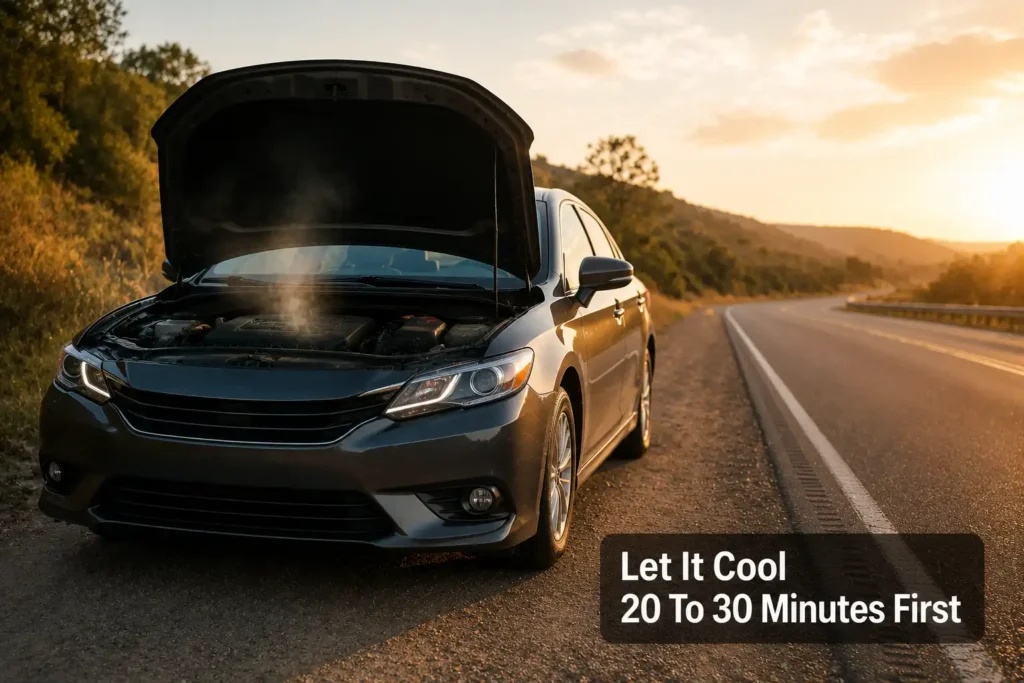
- Pull over safely as soon as you notice the temperature gauge climbing or a warning light appears, rather than continuing to your destination hoping it resolves itself.
- Turn off the engine and let it cool for at least 20 to 30 minutes before opening the hood or touching anything under it.
- Once cooled, check the oil level with the dipstick to see if it’s low, following the same clean-reinsert-check process used for any routine oil check.
- Do not open the coolant reservoir or radiator cap on a hot engine, since pressurized hot coolant can cause serious burns even after the engine has stopped running.
- If oil is low and you have some available, top it off once the engine has cooled enough to handle safely, adding it gradually rather than all at once.
- If you don’t have oil on hand or the problem persists after topping off, have the vehicle towed rather than continuing to drive on an overheating engine.
Preventing Low Oil Overheating
Recommended Best Deal Products

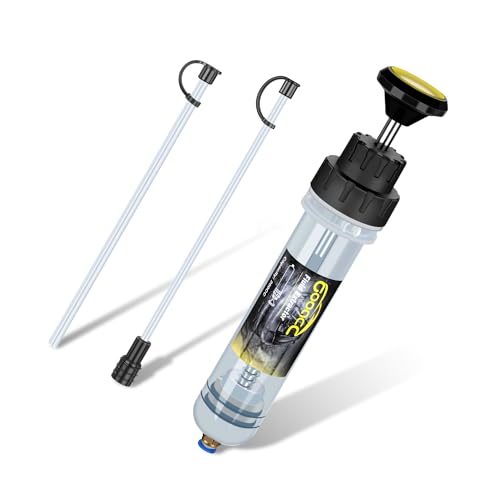

Checking your oil level once a month catches a slow drop before it becomes an overheating problem, especially on older vehicles or ones with a known minor leak. Our guide on whether you can add coolant or oil to your car yourself covers exactly how to check and top off both fluids safely.
If your oil consistently runs low between scheduled changes, that points to a leak or the engine burning oil, and it’s worth having checked rather than repeatedly topping off without addressing the underlying cause. Keeping up with your regular oil change interval also matters here, since old, degraded oil doesn’t lubricate or dissipate heat as effectively as fresh oil, even at a normal fill level.
Low Oil Or Coolant Problem Quick Diagnostic
| Symptom | Points To Low Oil | Points To Coolant Issue |
|---|---|---|
| Knocking or ticking sound | Yes | – |
| Sweet smell near the engine | – | Yes |
| Oil pressure warning light on | Yes | – |
| Visible puddle or drip underneath | – | Yes |
Low Oil And Overheating FAQ
How low does oil have to be to cause overheating?
There’s no exact universal threshold, since it depends on engine design and driving conditions, but oil at or below the low mark on the dipstick is enough to start reducing lubrication and heat dissipation. The lower it drops beyond that point, the faster and more severe the overheating risk becomes, especially under highway speeds, towing, or hot weather driving where the engine already runs harder than usual.
Can adding oil fix overheating immediately?
If low oil is genuinely the cause and no permanent damage has occurred yet, topping off the oil after the engine has cooled can resolve the overheating. If the engine has already warped a component or blown a gasket, adding oil alone won’t fix the underlying mechanical damage, and the temperature gauge will likely climb again even with a proper oil level, signaling it’s time for a professional inspection rather than another top-off.
Will the check engine light come on for low oil?
Some vehicles have a dedicated low oil pressure or low oil level warning light separate from the check engine light, while others may trigger the check engine light depending on how severe the condition is. Either warning light showing up alongside a rising temperature gauge is worth stopping to check immediately rather than waiting until you reach your destination or assuming it will resolve on its own.
Can low oil cause overheating even right after an oil change?
Yes, if the oil change was done incorrectly, such as underfilling the engine or using the wrong oil type or viscosity for your vehicle. If overheating starts shortly after a service, checking the oil level is one of the first things worth doing before assuming an unrelated cause, and it’s reasonable to bring it back to whoever performed the service for a free recheck.
Is it safe to drive a short distance to a shop if it’s overheating?
Generally no. Continuing to drive on an overheating engine, even a short distance, increases the risk of permanent damage like a warped cylinder head. It’s safer to stop, let the engine cool, and arrange a tow if the problem doesn’t resolve after checking and topping off the oil, even if the shop is only a few minutes away and it feels inconvenient to wait for a tow truck.
Audible Premium Plus — Annual Membership
12 audiobook credits up front, plus the full Audible catalogue.
See Annual PlansLow oil is a real and often overlooked cause of engine overheating, separate from anything happening in the coolant system. Checking the dipstick should be one of the first steps when your temperature gauge climbs, not an afterthought after ruling out coolant issues. Catching low oil early, before it causes warping or gasket damage, is the difference between a simple top-off and a major repair bill running into the thousands of dollars.