Volvo XC60 Years to Avoid: Reliability Guide & Buyer’s Tips
Last Updated on September 1, 2026 by Ryan
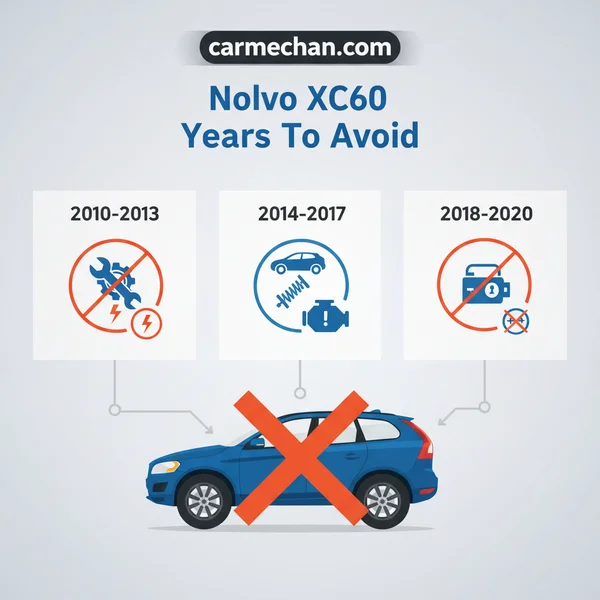
When considering a used Volvo XC60, it’s crucial to know which model years have reported significant reliability issues. Primarily, the first-generation models, particularly 2010-2016, and some early second-generation models (2018-2019), warrant extra scrutiny due to prevalent issues like engine oil consumption, transmission problems, and electrical glitches. Understanding these problematic years helps you make a more informed and safer purchase.
🎯 Key Takeaways



- Prioritize post-2020 XC60 models for best reliability.
- Exercise caution with 2010-2016 first-generation XC60s.
- Thoroughly inspect 2018-2019 models for early issues.
- Always get a pre-purchase inspection from a Volvo specialist.
- Check service records and recall history diligently.
If you’re eyeing a used Volvo XC60, pay close attention to the model years between 2009 and 2014. These early first-generation XC60s are most frequently cited for common, and often costly, mechanical and electrical issues, particularly related to their transmissions and AC systems. While the XC60 offers Scandinavian luxury and safety, selecting the right year is crucial to avoid unexpected repair bills and ensure a reliable ownership experience.
Understanding which specific years carried persistent problems, and what those problems were, directly impacts your potential ownership costs and long-term satisfaction. Our goal is to provide a clear, actionable guide so you can make an informed decision and steer clear of models known for significant reliability headaches. This isn’t about avoiding the XC60 altogether, but rather about arming you with the knowledge to pick the most dependable version.
Identifying Problematic Volvo XC60 Model Years



When considering a used Volvo XC60, a few specific model years stand out as having more pronounced reliability challenges compared to their counterparts. The primary culprits are within the first generation, particularly the early production runs. These models, while appealing in price, often come with a higher risk of needing significant repairs.

Years to Approach with Caution: 2009-2014
The earliest Volvo XC60 models, from its debut year through the 2014 model year, generally exhibit the highest number of reliability complaints. These years predominantly feature Volvo’s older engine and transmission pairings that, over time, have shown susceptibility to specific failures. Key issues frequently reported for these years include:
- 2009-2012 XC60: These years are the most prone to severe transmission problems. Owners report harsh shifts, slipping gears, and even complete transmission failure. Air conditioning compressor failures are also common, leading to expensive repairs. Electrical glitches, such as faulty sensors or infotainment system issues, are more prevalent.
- 2013-2014 XC60: While slightly improved from earlier years, these models still carry a risk of transmission issues, though perhaps less frequent or severe than 2009-2012. AC compressor failures and sunroof drain clogs leading to water intrusion remain common complaints. Some T6 engines from this period also showed increased oil consumption due to piston ring design flaws, particularly at higher mileage.
It’s important to note that while some issues were addressed by recalls (e.g., fuel pump control module for certain T6 engines), many common problems are persistent owner complaints not always covered by service campaigns. If you’re looking at an XC60 from this range, a pre-purchase inspection by a Volvo specialist is non-negotiable.
Common Reliability Issues Across XC60 Generations



Beyond specific model years, certain components and systems in the Volvo XC60 have shown recurring issues across various generations, impacting ownership experience and repair costs. Understanding the root causes provides context to the “years to avoid” and helps identify what to look for during an inspection.
Transmission Woes: Aisin Warner TF-80SC
Many of the reliability concerns for the first-generation XC60, especially from 2009 to 2014, revolve around the Aisin Warner TF-80SC six-speed automatic transmission. This unit, while generally robust in other applications, exhibited design weaknesses in some Volvo installations leading to:
- Symptoms: Harsh shifts, hesitation, delayed engagement, slipping between gears, or a complete loss of drive. You might feel a “lurch” when shifting into drive or reverse, or the car might struggle to accelerate smoothly.
- Root Causes: Commonly attributed to faulty valve bodies, worn solenoids, or torque converter issues. In some cases, inadequate cooling or fluid breakdown contributed to premature wear.
- Potential Repair Costs: Valve body replacement can range from $1,500-$3,000. A full transmission rebuild or replacement can easily exceed $4,000-$6,000, making it one of the most expensive common repairs.
Air Conditioning and Sunroof System Failures
AC system failures are notably prevalent in first-generation XC60s, particularly the 2009-2014 models. The AC compressor often fails prematurely, leaving you without effective cooling. Symptoms include warm air from the vents, strange noises when the AC is on, or a complete lack of airflow. Repairing or replacing the compressor can cost anywhere from $1,000 to $2,500, depending on parts and labor. Additionally, sunroof drain clogs are a persistent issue across early models. When these drains become blocked, water can back up and leak into the cabin, potentially damaging electrical components, carpets, and upholstery, leading to costly water remediation and electrical repairs.
Understanding Volvo XC60 Generations and Their Impact on Reliability
The Volvo XC60, like many popular models, has evolved through distinct generations. Each generation brought significant design changes, new engine options, and technological advancements, all of which can influence overall reliability and the types of issues you might encounter.

📤 Share
💾 Download
First Generation (2008-2017): Known Quirks and Considerations
The original XC60 established Volvo’s presence in the compact luxury SUV segment. While robust in many aspects, earlier models (especially 2008-2012) in this generation can sometimes present specific challenges:
- Early T6 Engine Issues: Some early turbocharged 3.0-liter T6 engines faced concerns regarding excessive oil consumption or PCV valve failures.
- Transmission Longevity: While generally good, some automatic transmissions in higher-mileage examples could experience rough shifts or delayed engagement if not properly maintained.
- Infotainment System: The Sensus infotainment system, while functional for its time, can feel dated and lack modern connectivity features. Occasional software glitches were also reported.
- Suspension Components: Depending on driving conditions, components like control arm bushings or shock absorbers might need attention sooner on higher-mileage vehicles.
Models from 2013-2017 generally saw improvements in these areas as Volvo refined the platform and introduced newer powertrains, making them a potentially safer bet if you’re looking at the first generation.
Second Generation (2018-Present): Modern Advancements & New Considerations
The second-generation XC60, launched on Volvo’s Scalable Product Architecture (SPA) platform, marked a significant leap forward in design, technology, and engine efficiency. The introduction of the ‘Drive-E’ family of engines (T5, T6, and T8 plug-in hybrid) brought both performance and fuel economy improvements, but also some new points to consider:
- Early SPA Platform Software: As with many new platforms, initial models (2018-2019) occasionally experienced software quirks related to the new Sensus Connect infotainment and advanced driver-assistance systems (ADAS). Most of these were addressed with updates.
- Hybrid System Complexity (T8): While powerful and efficient, the T8 Twin Engine models introduce additional complexity with their hybrid components. Ensure the battery health and hybrid system have been regularly serviced.
- Initial Brake Wear: Some owners of early second-gen models reported faster than expected wear on brake pads and rotors, especially with the more powerful T6/T8 versions.
Overall, the second generation has generally maintained Volvo’s reputation for safety and quality, but thorough pre-purchase checks remain crucial for any used vehicle.
Smart Buying Strategies for a Used Volvo XC60
Navigating the used car market for an XC60 requires a methodical approach. Armed with knowledge about specific model years and generations, you can make a much more informed decision.
Comprehensive Pre-Purchase Inspection is Key
Never skip a professional inspection. A trusted, independent mechanic specializing in European or Volvo vehicles can uncover issues that might not be obvious to the untrained eye. This is especially vital for models known to have specific weaknesses.
- Mechanical Check: Focus on engine health (look for oil leaks, unusual noises), transmission shifting quality, suspension components (listen for clunks, check for worn bushings), and brake condition.
- Electrical System: Test all electronics, including the infotainment system, power windows, seats, sunroof, and climate control. Ensure all warning lights illuminate and extinguish correctly.
- Body and Undercarriage: Look for signs of previous accidents, rust, or damage to the undercarriage, which can indicate rough usage or neglected repairs.
- ADAS Calibration: If the XC60 is equipped with advanced driver-assistance systems (like adaptive cruise control or lane-keeping assist), inquire about their functionality and recent calibrations, particularly if the vehicle has had front-end repairs.
This inspection provides an objective assessment of the vehicle’s true condition, giving you leverage in price negotiation or prompting you to walk away from a problematic car.
Decoding Service Records and Recalls
A vehicle’s history is often the best predictor of its future reliability. Diligent service records are a gold mine of information.
- Regular Maintenance: Look for evidence of consistent oil changes, transmission fluid services (where applicable), brake fluid flushes, and tire rotations. Gaps in service history can be a red flag.
- Major Repairs: Note any significant repairs or replacements, especially on components mentioned earlier (e.g., PCV valves, specific engine work, transmission overhauls).
- Recall Completion: Check the VIN (Vehicle Identification Number) on Volvo’s official website or NHTSA’s database to see if there are any outstanding recalls. Ensure all applicable recalls have been addressed by a certified Volvo dealership. This is critical for safety and long-term reliability.
- Ownership History: A single-owner vehicle with detailed service records is often preferable to one with multiple owners and patchy maintenance documentation.
Thoroughly reviewing these documents helps you understand how well the XC60 has been cared for and if any known issues for its model year have been proactively addressed.
Conclusion
Choosing a used Volvo XC60 means balancing luxury, safety, and reliability. While certain model years – particularly the earlier iterations of the first generation and the initial rollout of new platforms – might carry a slightly higher risk of specific issues, this doesn’t mean you should avoid them entirely. Instead, empower yourself with knowledge.
Focus on understanding the nuances of each generation, prioritizing a comprehensive pre-purchase inspection by a trusted mechanic, and meticulously reviewing service records and recall history. With careful research and due diligence, you can confidently find an XC60 that delivers years of safe and enjoyable driving. Happy hunting!
❓ Frequently Asked Questions
What specific engine problems are common in the Volvo XC60 years to avoid?
The 2.5L and 3.0L engines in some first-generation XC60s (especially 2010-2016) were known for excessive oil consumption and turbocharger failures. Additionally, early Drive-E engines in 2015-2017 models sometimes faced issues with piston rings and PCV systems.
Were there any widespread transmission issues with particular XC60 model years?
Yes, certain first-generation XC60s, particularly those with the Aisin Warner 6-speed automatic transmission (e.g., 2010-2013), have reported issues like harsh shifts, solenoid failures, and fluid leaks, often requiring costly repairs or replacement.
How do electrical and infotainment issues factor into avoiding certain XC60 years?
Electrical glitches, including issues with sensors, wiring harnesses, and the Sensus infotainment system, were more prevalent in the 2010-2016 first generation and some early second-generation (2018-2019) XC60s, leading to various operational annoyances and diagnostic challenges.
What is the impact of a problematic model year on resale value and ownership costs?
Purchasing an XC60 from a known problematic year can lead to higher long-term ownership costs due to frequent repairs and can significantly depress its resale value, making it harder to sell later. This underscores the importance of thorough pre-purchase due diligence.
What is the difference in reliability between the first and second-generation XC60s, specifically regarding years to avoid?
The first-generation (2009-2017), especially 2010-2016, has more widespread engine and transmission concerns. The second-generation (2018-present) generally improved, but early models (2018-2019) still had some initial teething issues, particularly with early Drive-E engines and infotainment software, that were largely resolved by 2020.
Beyond specific years, what general advice should buyers follow when looking for a used Volvo XC60?
Always insist on a detailed pre-purchase inspection by an independent Volvo specialist, obtain a full vehicle history report (Carfax/AutoCheck), and meticulously review all service records. Also, check for any outstanding recalls and consider an extended warranty, especially for models produced before 2020.