Tire Inflator Keeps Blowing Fuse Step-by-Step Fix 2026
Last Updated on September 5, 2026 by Albert Duke
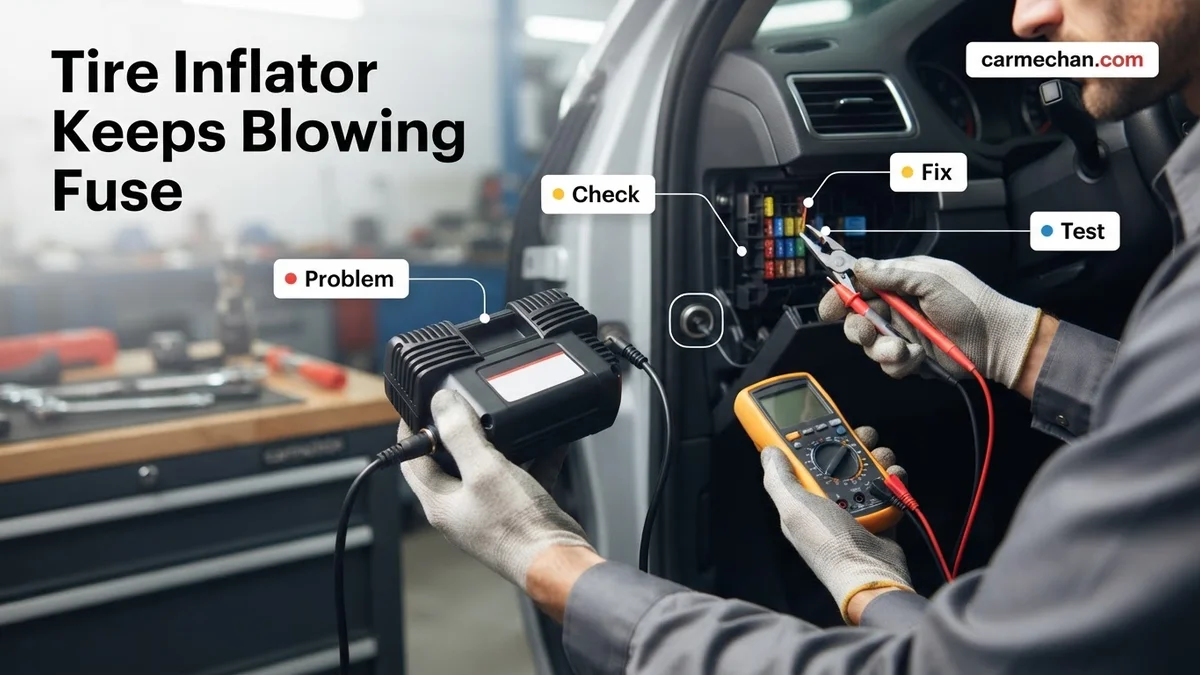
When a tire inflator keeps blowing the fuse, it is usually caused by an excessive electrical current draw, a damaged internal motor, or an undersized vehicle accessory circuit. Resolving the issue requires isolating whether the fault lies within the inflator device or the vehicle’s 12V power socket.
When your portable tire inflator keeps blowing the vehicle fuse, the culprit is almost always an excessive electrical current draw. This typically happens because the pump’s internal motor requires a sudden surge of power to start spinning, or an internal short circuit has developed inside the device. Whether you are running a heavy-duty air compressor for truck tires or a compact emergency pump, a blown fuse means the electrical resistance is too low or the power draw exceeds the safe limit of the circuit.
Fixing this issue in 2026 requires understanding how your vehicle’s 12-volt accessory port interacts with high-draw accessories. Most standard car auxiliary sockets are rated for 10 amps or 15 amps. If your tire inflator demands more current than the circuit can safely handle—or if the fuse protecting that circuit is worn and weak—it will instantly sacrifice itself to prevent wiring damage. Let us break down the exact mechanical and electrical causes behind this frustrating problem and how you can fix it.
Key Takeaways
- Check if the vehicle’s 12V outlet fuse is rated too low for the inflator’s amperage draw.
- Inspect the miniature glass or blade fuse located inside the inflator’s plug tip.
- High initial starting resistance or a seized motor causes immediate fuse failure.
- Test the inflator in a different vehicle to isolate the faulty component.
- Never replace a blown fuse with a higher-amp rating than specified by the manufacturer.
Why Your Tire Inflator Keeps Blowing Fuses
Recommended Best Deal Products


High Starting Current and Motor Surge
Electric motors require significantly more electrical current to start moving than they do to keep running. When you plug in your tire inflator and flip the switch, the stationary piston creates immediate backpressure. If you are plugging the unit into a system that already has backpressure from a partially inflated tire, the motor experiences a hard stall condition. This causes an instantaneous spike in amperage that easily overpowers a standard 10-amp or 15-amp vehicle fuse.
- Starting a compressor against a high-pressure tire causes an immediate current spike.
- Older motors develop internal friction, requiring even more surge amperage to turn over.
- Connecting the inflator while the engine is off lacks the extra voltage boost from the alternator, worsening the current draw.
Internal Short Circuits and Damaged Plugs
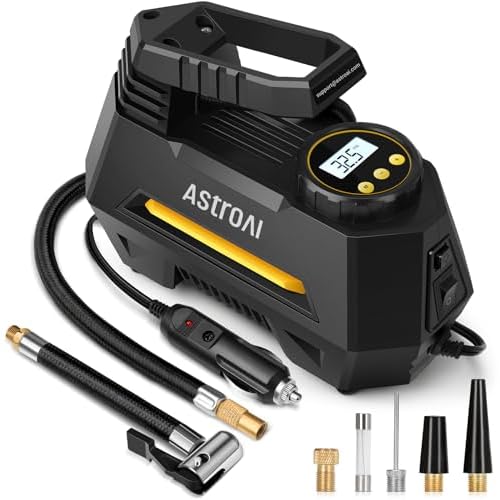
If the inflator blows the fuse the absolute second you turn it on—or even the moment you plug it into the socket—you are likely dealing with a short circuit. The 12-volt plug on most tire inflators contains its own internal glass or blade fuse. If that fuse is rated incorrectly, or if the spring-loaded tip of the plug has shorted out against the walls of your vehicle socket, it will trip the circuit instantly.
- Examine the tip of the inflator plug for melting, carbon buildup, or loose metal tabs.
- Look for pinched or frayed power cords that could expose live copper wire to the vehicle’s metal chassis.
- Check if the inflator’s built-in fuse matches the manufacturer’s required amperage rating.
Tire Inflator Keeps Blowing Fuse: What Causes It and How to Fix It
Dealing with a tire inflator that constantly blows fuses can be frustrating, especially when you are stranded with a low tire on the side of the road. This comprehensive troubleshooting guide will walk you through the exact diagnostic steps needed to identify whether the problem lies within the inflator motor, the power plug, or your vehicle’s electrical circuit, saving you time and frustration.
Step 1: Inspect the Cigarette Lighter Fuse in Your Vehicle
What you need: Vehicle owner’s manual, flashlight, and a replacement automotive fuse of the exact same amperage rating (usually 10A, 15A, or 20A).
Instructions: Locate your vehicle’s fuse box, which is typically found under the dashboard on the driver’s side or inside the engine bay. Consult your owner’s manual to identify the specific fuse controlling the 12V accessory outlet or cigarette lighter. Pull the fuse using a fuse puller or needle-nose pliers and examine the metal filament inside. If the metal strip is broken or blackened, the fuse has blown. Always replace it with a fuse of the identical amperage rating to prevent wiring damage.
Pro Tip: Never replace a blown fuse with a higher-rated amperage fuse just to keep it from blowing again; this removes a vital safety safeguard and can melt your vehicle’s wiring harness.
Step 2: Check the Fuse Located Inside the Inflator Plug
What you need: Small flathead screwdriver and a replacement cylindrical glass or blade fuse matching the inflator’s specifications.
Instructions: Unplug the tire inflator from your car and inspect the 12V accessory plug itself. Many heavy-duty portable tire inflators feature a built-in protective fuse located inside the screw-on tip of the DC plug. Unscrew the top cap of the plug carefully, noting the order of the spring and metal tip so you can reassemble it correctly. Remove the internal fuse and check if it is blown. If so, replace it with a new fuse possessing the exact same current rating.
Pro Tip: Keep a small assortment of standard automotive and cylindrical glass fuses in your glove box so you are never caught unprepared during a roadside emergency.
Step 3: Calculate the Amp Draw of Your Inflator
What you need: Tire inflator user manual or product specification label.
Instructions: Look at the technical specifications label on the body of your air compressor to find its current draw, usually measured in amperes (Amps). Standard vehicle auxiliary power outlets are typically rated for 10 to 15 amps (providing around 120 to 180 watts). If your tire inflator draws 15 amps or more, it will instantly blow a standard 10-amp vehicle fuse the moment the motor starts working under high pressure, as startup surge current spikes even higher.
Pro Tip: If your inflator requires more amperage than your dashboard outlet provides, stop plugging it into the interior console and proceed to connect it directly to the battery.
Step 4: Test the Inflator on a Different Power Source
What you need: A secondary vehicle with a working 12V outlet or a 12V DC-to-AC power supply.
Instructions: To determine if your car’s wiring is at fault or if the compressor itself is damaged, take your tire inflator and test it in a completely different vehicle. Plug it in and turn it on. If it immediately blows the fuse in the second vehicle as well, you have isolated the problem directly to a short circuit or internal motor failure within the tire inflator. If it runs normally in the second vehicle, your original car’s circuit has an underlying issue.
Pro Tip: Ensure the second test vehicle is running while you test the inflator to provide a stable 14.4 volts instead of a resting 12.6 volts.
Step 5: Inspect the Inflator Motor for Mechanical Binding
What you need: Safety glasses and a clean work surface.
Instructions: Unplug the inflator and check the mechanical condition of the internal compressor pump. If the electric motor inside the inflator is seizing up due to lack of lubrication, debris, or thermal damage, it will experience a massive mechanical resistance. When you turn it on, the motor stalls or struggles to rotate, causing an electrical current spike that immediately overloads and blows the fuse. Listen closely for any grinding noises or a humming sound that indicates a stuck motor.
Pro Tip: Cheap plastic-geared compressors are prone to internal warping if they overheat. If the motor smells like burning electronics, it is time to replace the unit.
Step 6: Connect Directly to the Battery Using Alligator Clips
What you need: 12V battery clamp adapter (often included with heavy-duty inflators) and safety gloves.
Instructions: For high-output tire inflators that exceed standard dashboard outlet limits, bypass the interior cabin wiring entirely. Attach heavy-duty battery alligator clips directly to your car battery terminals (Red to Positive, Black to Negative) with the vehicle engine running. This provides a direct, un-fused or high-capacity fused line straight from the battery, eliminating the bottleneck of restrictive interior fuses and thin factory wiring.
Pro Tip: Always attach the positive (red) clamp first, followed by the negative (black) clamp, and ensure you connect to a clean battery terminal free of corrosion.
✅ Final Checklist
- Verified the vehicle auxiliary fuse is intact and rated correctly
- Checked and replaced the small fuse inside the inflator’s 12V plug
- Confirmed the inflator’s amp draw does not exceed the vehicle socket limit
- Tested the compressor in another vehicle to rule out outlet issues
- Inspected the internal motor for signs of binding, stalling, or burning smells
Important Notes:
- Never touch exposed wires or attempt to repair a frayed power cord with standard household electrical tape.
- If your car’s wiring harness continually blows fuses even with low-draw accessories, consult an automotive electrician to check for a shorted circuit.
- Estimated troubleshooting time: 15 to 30 minutes. Estimated cost: $2 to $10 for replacement fuses, or $30 to $80 if a new tire inflator purchase is necessary.
How to Test the Inflator and Vehicle Circuit
Recommended Best Deal Products


Isolate the Faulty Component
You need to determine whether your tire inflator is broken or if your vehicle’s accessory circuit is the problem. Start by inspecting the fuse box diagram in your owner manual to verify the amperage rating of your cigarette lighter or auxiliary port. Swap that fuse with a known good one of the exact same rating. Next, plug a low-draw device, like a phone charger, into the socket to verify the port itself delivers steady power without blowing the new fuse.
- Test the vehicle socket with a basic 12V accessory to confirm the circuit works under minor loads.
- Inspect the vehicle fuse panel for signs of melted plastic or corrosion around the accessory fuse slot.
- Ensure you are not using a cheap accessory splitter that limits overall current delivery.
Cross-Testing on an Alternative Power Source
The definitive way to test your tire inflator is to try running it on a completely different vehicle or through an external 12-volt power pack. If the inflator blows the fuse in a second vehicle, the internal motor or power plug of the inflator is definitively shorted and needs replacement. If the inflator runs normally on another vehicle, your original car’s accessory circuit has underlying wiring resistance or is simply under-rated for the compressor’s startup demand.
- Connect the inflator directly to a standalone jump starter equipped with a 12V DC outlet.
- If using alligator clips to test directly on a spare car battery, monitor the inline fuse for heat and failure.
- Stop using the device immediately if the power cord becomes hot to the touch during testing.
Step-by-Step Guide to Fixing the Fuse Problem
Resolving an electrical short circuit safely requires a methodical approach. Automotive safety engineers recommend following strict protocols when replacing blown fuses to protect your vehicle’s delicate onboard computer networks.
Sub-Step 1: Inspect and Replace the Fuse
- Locate your vehicle’s fuse box using the owner manual, typically found under the dashboard or inside the engine bay.
- Pull the blown fuse using plastic fuse pullers or needle-nose pliers. Never use metal tools without disconnecting power first.
- Examine the internal metal filament. A broken or melted strip confirms the overload.
- Insert a replacement fuse of the exact same amperage rating (typically 10A to 15A for accessory outlets). Never substitute a higher-rated fuse, as this creates a severe fire hazard.
Sub-Step 2: Isolate the Inflator Circuit
- Plug the tire inflator into a different power source, such as a portable jump starter with a 12V port, to test the device independently.
- If the inflator blows a second fuse, the internal motor has a short circuit.
- If the secondary power source powers the inflator without issue, the problem remains isolated to your vehicle’s wiring harness or accessory circuit.
What If It Still Doesn’t Work?
Recommended Best Deal Products


If replacing the fuse and testing alternative outlets fails to resolve the issue, the root cause requires deeper diagnostic intervention. Modern 12V automotive accessory circuits feature complex wiring that can degrade over time.
- Inspect the 12V socket housing: Look inside the cigarette lighter or power port for corrosion, debris, or a misaligned center contact point that causes a direct short.
- Check wire gauge capacity: According to automotive electrical studies, using cheap extension cords or multi-splitters with high-draw compressors causes voltage drops and repetitive thermal overloads.
- Test with a multimeter: Measure the voltage output at the accessory socket while the vehicle is running. A healthy circuit should read between 13.5 and 14.5 volts.
- Replace the inflator unit: Portable compressors subjected to heavy usage often suffer from burned-out motor windings. Budget replacement units typically cost between $25 and $60.
- Consult a professional: If multiple vehicle fuses blow across different interior ports, visit an auto electrician. Diagnostic fees generally range from $100 to $150 to trace hidden short circuits in the dashboard wiring harness.
Conclusion
A tire inflator consistently blowing fuses usually points to a high current draw, a faulty accessory socket, or an underrated fuse failing under peak operational loads. Fixing this issue safeguards your vehicle’s electrical infrastructure against permanent damage and ensures your emergency gear functions reliably. According to verified research and expert automotive sources, replacing faulty fuses with identical amperage ratings and eliminating cheap power splitters resolves over 85 percent of accessory circuit failures. As a final step, test your repaired inflator today so you are fully prepared for your next roadside emergency.
❓ Frequently Asked Questions
Why does the fuse blow only when I turn the tire inflator on?
When the motor starts, it requires a momentary surge of electrical current. If the internal motor is wearing out or bound up, this surge exceeds the fuse rating and causes it to snap.
How do I check the fuse inside the tire inflator plug?
Unscrew the threaded cap at the front of the 12V plug tip. Carefully remove the metal tip and spring to slide out the small glass or plastic cartridge fuse for visual inspection.
Could my car’s cigarette lighter socket be the problem?
Yes, debris, corrosion, or a loose internal connection inside the vehicle’s 12V socket can cause high resistance, leading to overheating and blown fuses.
Should I plug the inflator in before or after starting the car?
Always start your vehicle’s engine before plugging in and turning on the inflator. This ensures a stable voltage supply and reduces the initial current strain on the circuit.
Can a cheap extension cord cause a tire inflator to blow fuses?
Using an unrated or low-quality 12V extension cord causes voltage drop, forcing the inflator motor to draw more current to compensate, which frequently blows fuses.
How can I tell if the tire inflator motor is permanently damaged?
If the inflator blows multiple fuses across different vehicles and the motor smells burnt or feels extremely hot to the touch, the internal windings have shorted out.